




 English
 Español
 عربى
How to Choose a Diesel Generator: A Practical Buying Guide for Your Power Needs
Nov 05, 2026
Content
Choosing a diesel generator can feel like a long list of decisions, but once you break it down, it becomes a straightforward assessment of what your site needs, how often you expect to run, and which constraints matter most. Over the past 26 years, we have configured generators for factories, telecom sites, mines, ports, hotels and many other applications. The selection process remains the same: define the load, match the machine, and plan for the operating environment.
Start With a Load Assessment
Before comparing products, you need to know exactly what the generator will be asked to power. The difference between running load and starting load is one of the most common points of confusion.
Running load is the total wattage of all equipment operating under normal conditions. Starting load is the brief surge of current certain equipment needs when it starts, especially motors, pumps and compressors, which can draw three to five times their running wattage for a few seconds. A generator rated only for running load may still struggle when those items kick in, so you should always size with the largest starting surge in mind.
Calculating Your Base Load
List every appliance or machine that must be powered, note its rated wattage, and add a practical margin of around 20 to 30 percent for future expansion. If you are powering three-phase equipment such as production lines or irrigation pumps, choose a three-phase generator rather than trying to run unbalanced loads on a single-phase set.
For a more detailed walkthrough of sizing calculations, you may find our guide on how to size a diesel generator helpful.
Understand Generator Types and Enclosures
Once the load is known, the next question is where and how the generator will operate. The enclosure defines how much noise it produces, how well it survives weather and site conditions, and how easy it is to install or relocate.
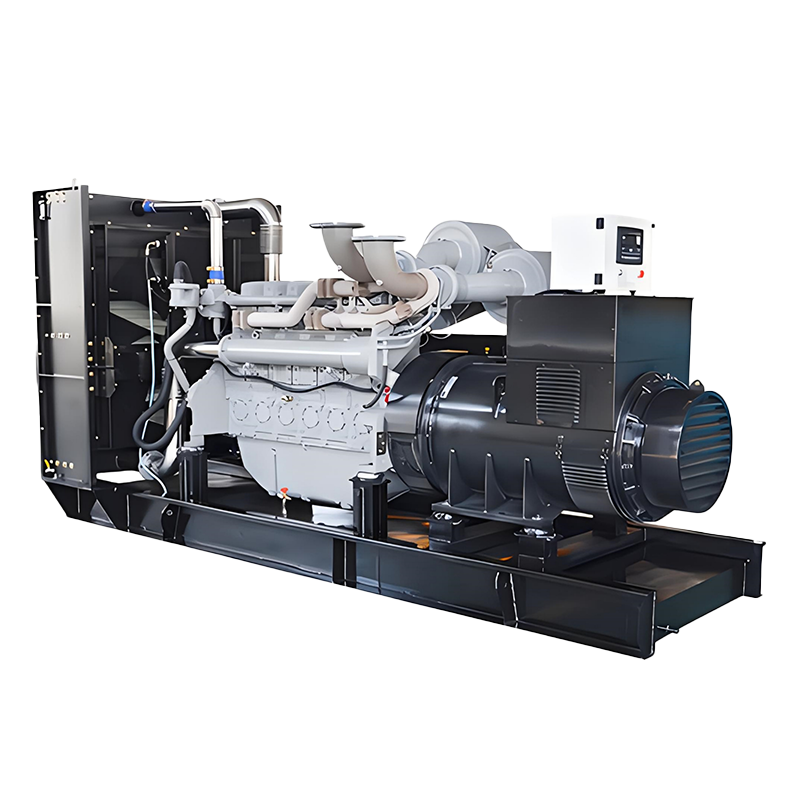
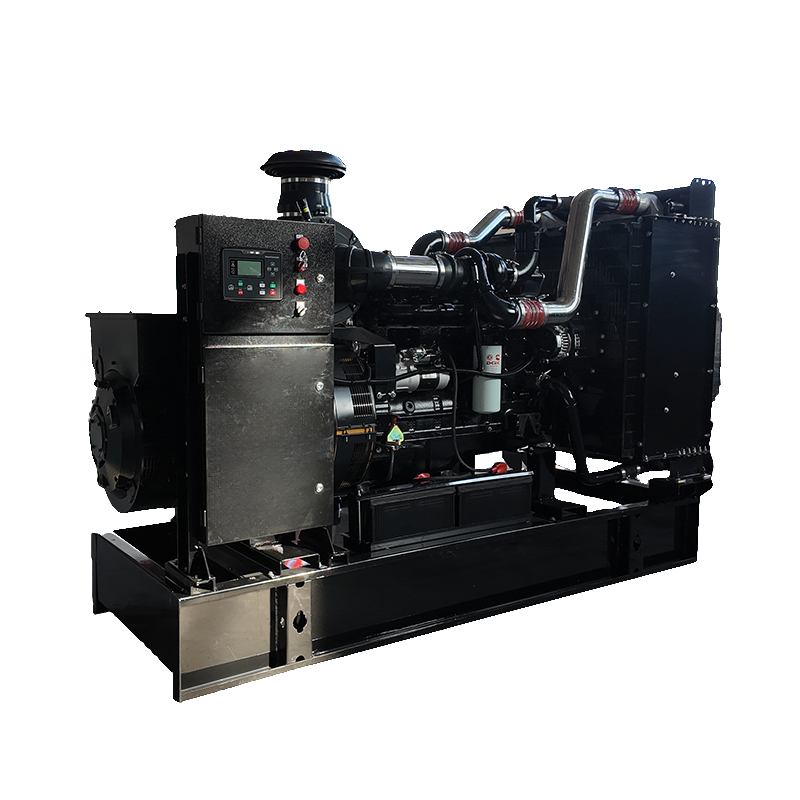
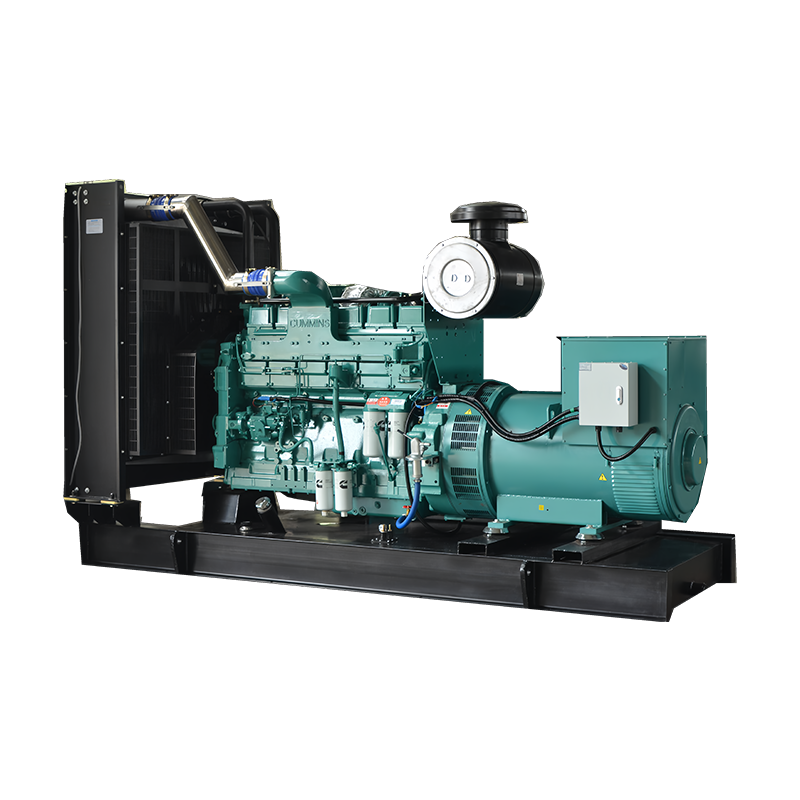
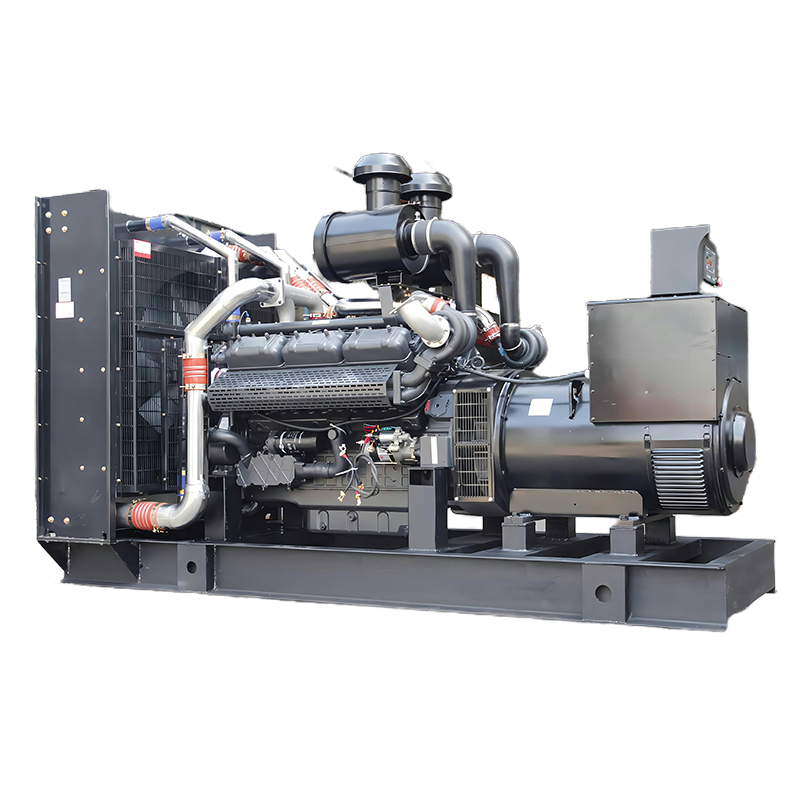
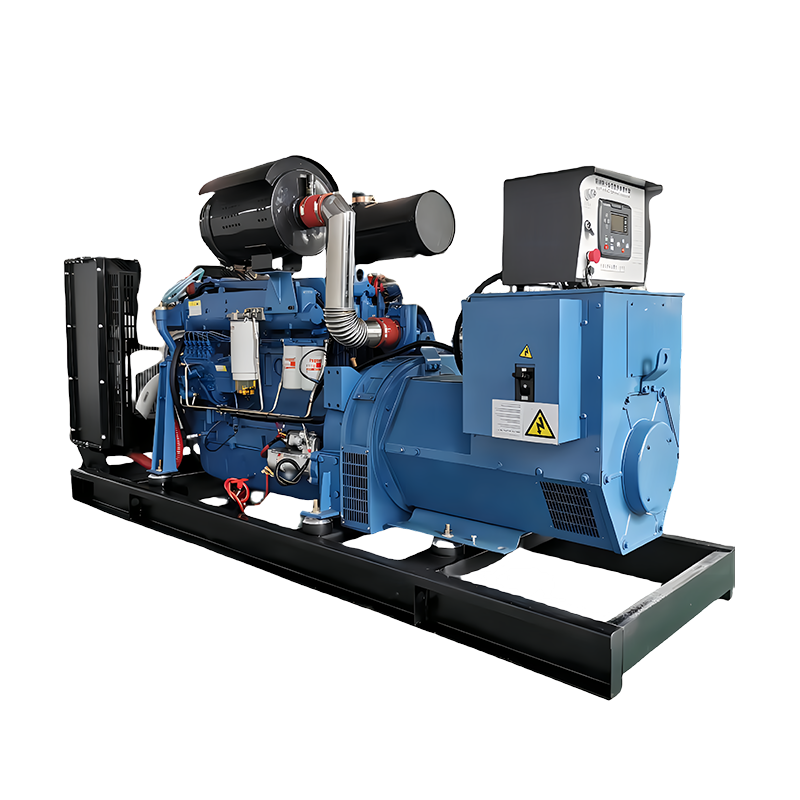
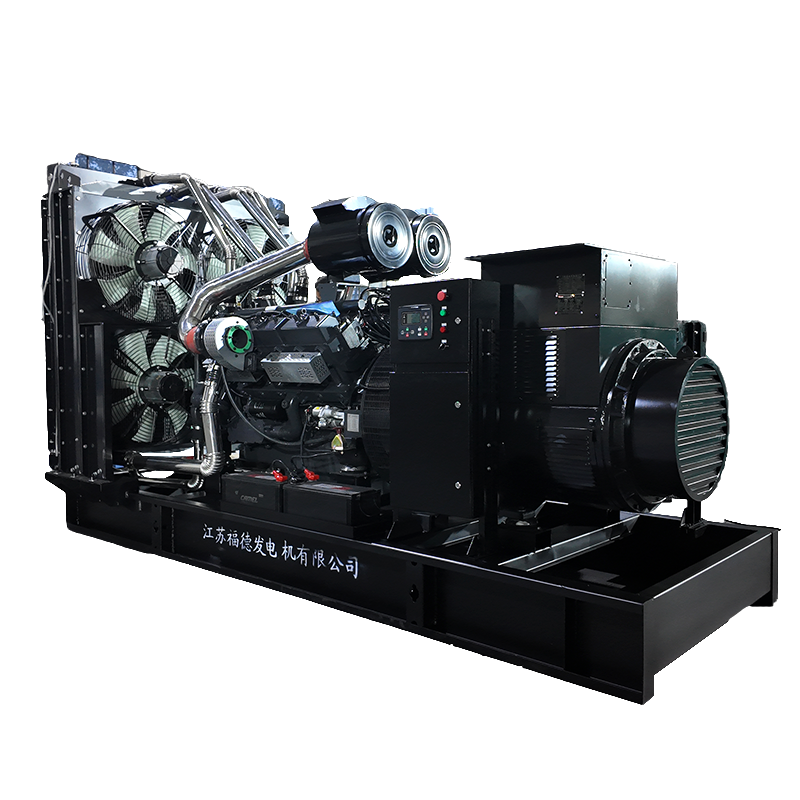
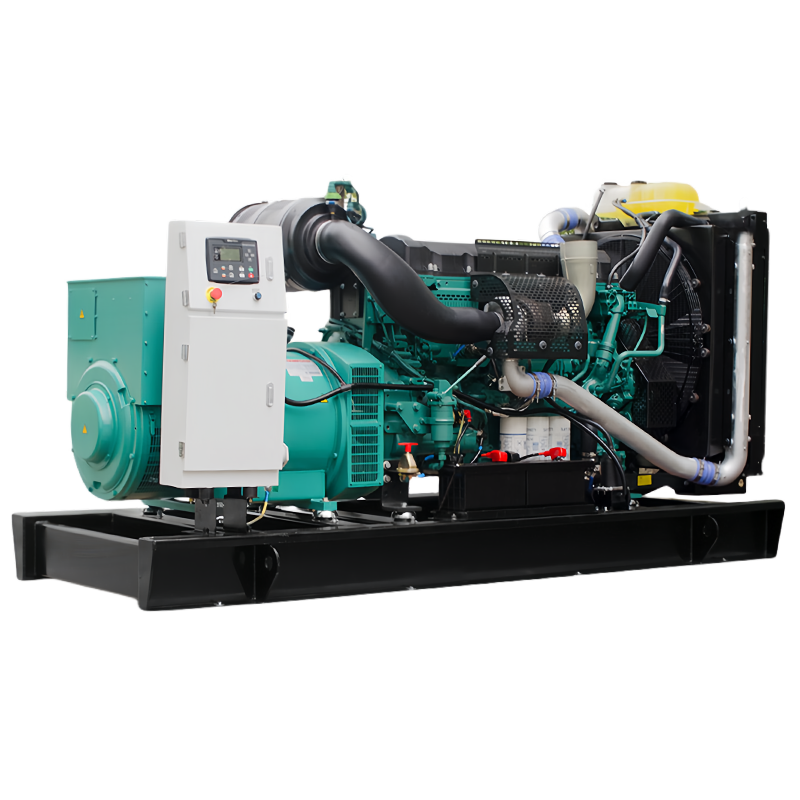
Open frame generators are the simplest and most economical option. They are designed for installation in machine rooms, plant rooms and other protected areas where noise and weather are less of a concern. Because there is no enclosed canopy, maintenance access is very good, which keeps servicing straightforward in most cases.
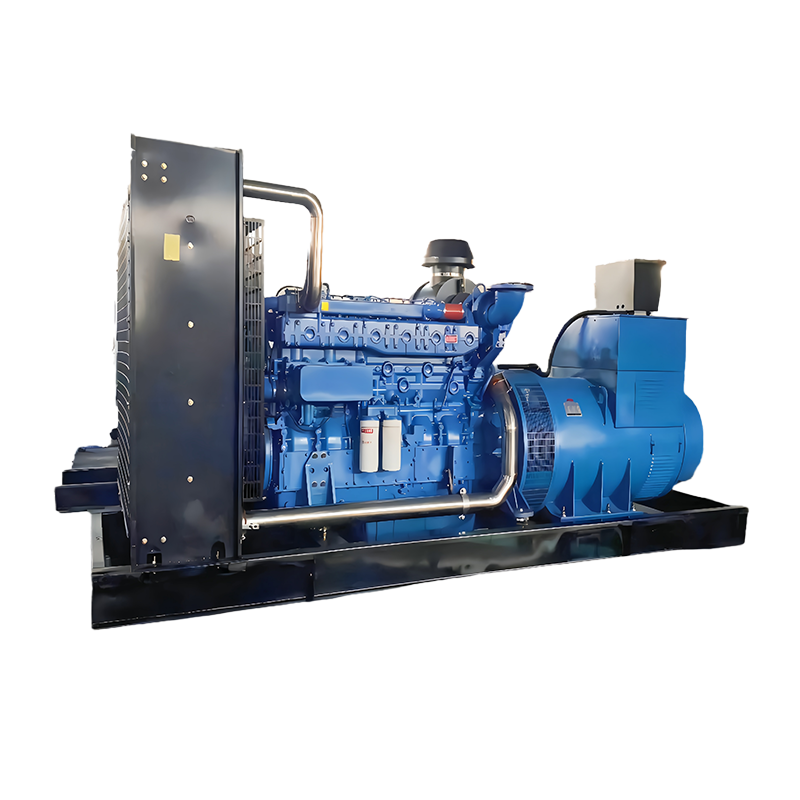 Open-Frame Diesel Generator Set RangeThis category covers economical open-frame generators from 10 to over 3000 kVA, suited for machine rooms and protected sites where noise and weather are not concerns.View Product →
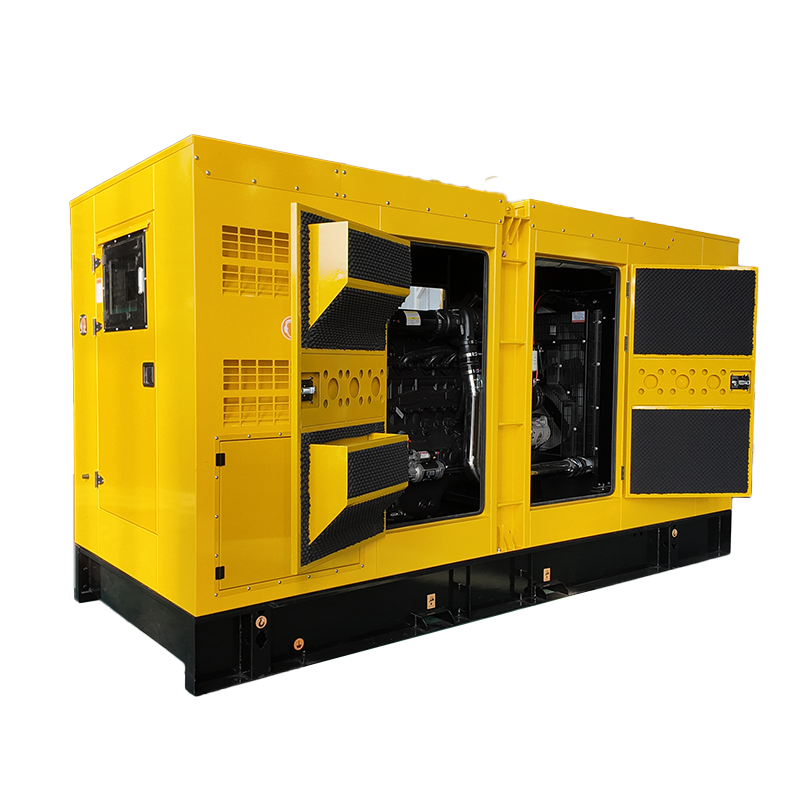
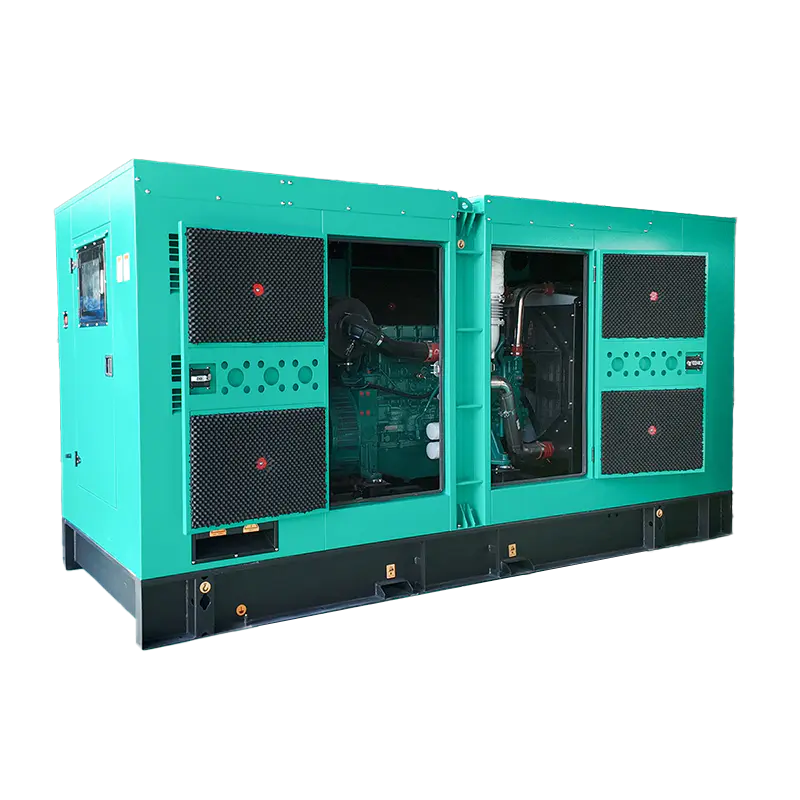
Silent (canopied) generators enclose the engine and alternator behind an acoustic canopy, which significantly reduces noise levels. This type is a common choice for hospitals, hotels, office buildings and neighborhood installations where sound restrictions apply.
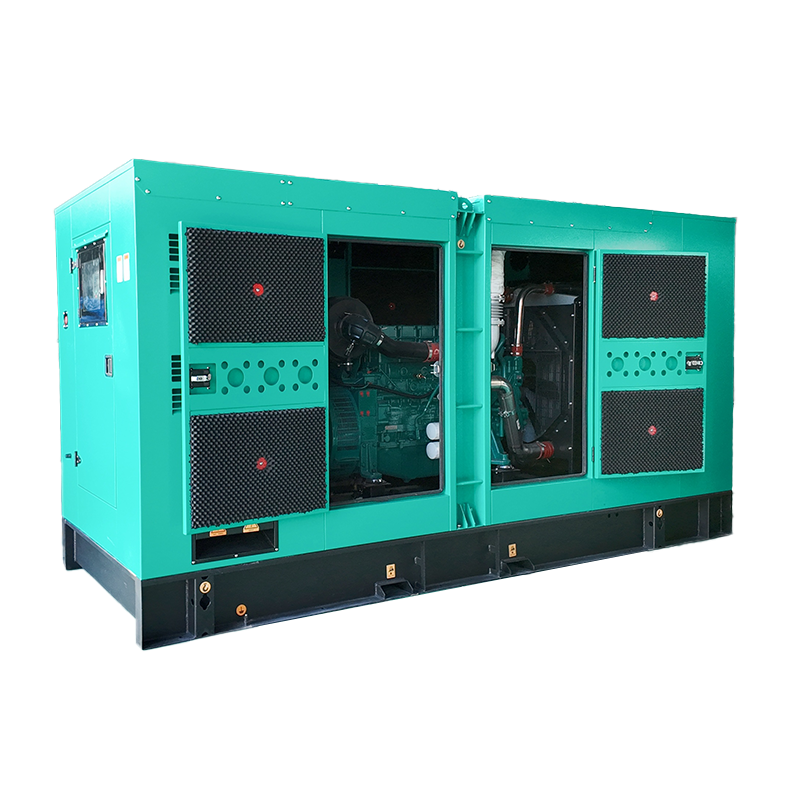 Silent Canopied Diesel Generator SelectionEnclosed generators with acoustic canopies for noise-sensitive areas like hospitals and hotels, available across power ranges and multiple engine brands.View Product →
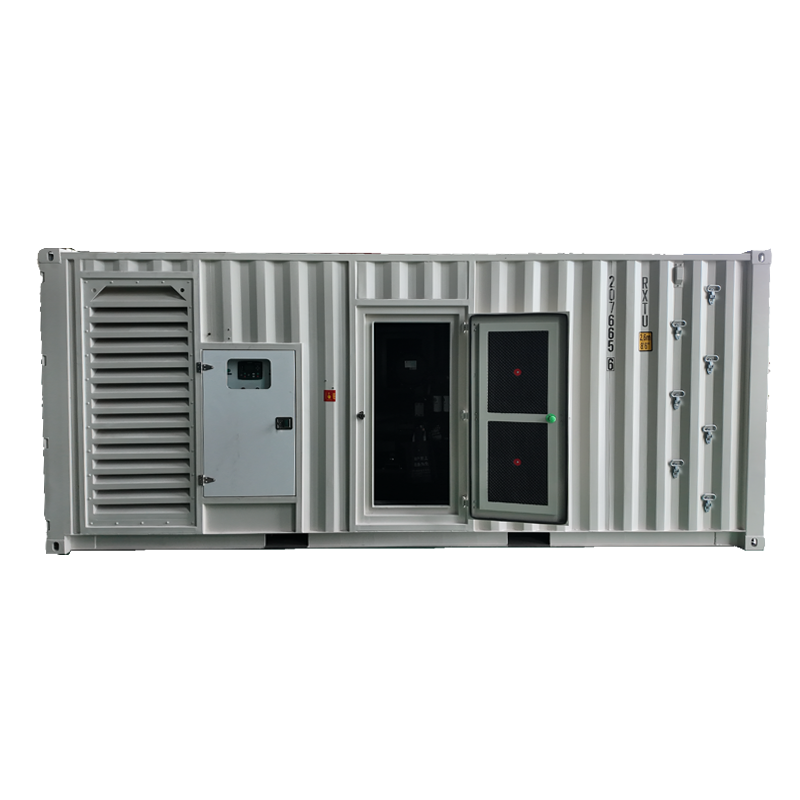
Container-type generators offer high capacity inside a weatherproof, secure enclosure designed for harsh environments, whether that means desert heat, coastal humidity or a remote industrial site. They are also easier to transport and set up as a plug-and-play solution.
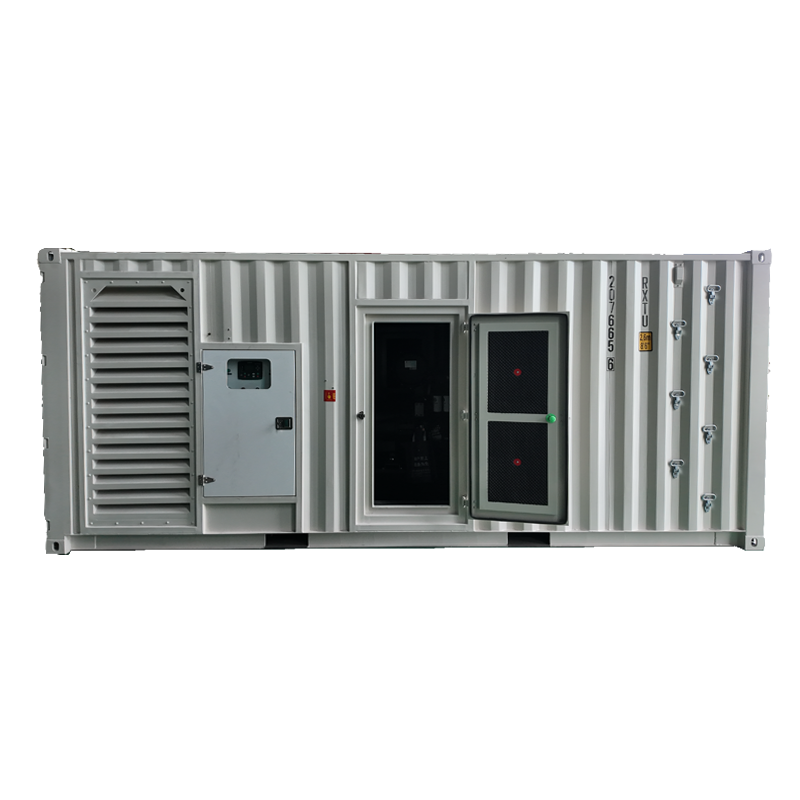 Containerized Diesel Generator SystemsModular container-type generators offering weatherproof, high-capacity power for harsh environments and large-scale projects, with easy transport and installation.View Product →
| Generator type | Typical use | Noise level | Weather protection | Installation effort |
|---|---|---|---|---|
| Open frame | Machine rooms, plant rooms | High | Low | Low |
| Silent / canopied | Commercial buildings, hospitals | Low | Medium | Low to medium |
| Container type | Industrial sites, remote areas | Medium | High | Low |
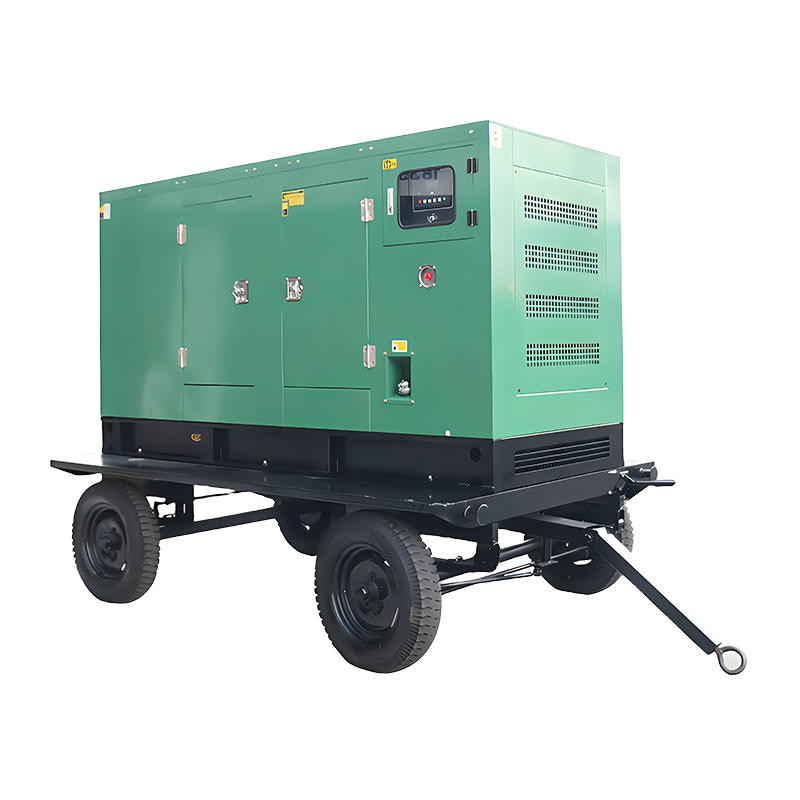
| Movable / mobile | Events, construction, field work | Medium | Medium | Very low |
You can browse all diesel generator types on a single page if you want to compare configurations side by side.
Compare Engine Brands and Configurations
The engine is the heart of the set, and its brand is one of the deciding factors in reliability, fuel consumption, parts availability and long-term service cost. Reputable power brands such as Perkins, Cummins, Volvo, Yuchai, Weichai and Shangchai each have their own strengths in terms of performance, parts pricing and service network.
For customers with an established fleet or a local service contract, choosing a familiar engine brand can simplify maintenance. Others prefer a domestic engine to reduce initial investment, or an imported engine when they need a specific reliability or emission level. In our experience, there is no single correct answer; the right choice depends on the application, the region where the machine will run, and the kind of support you can access locally.
Also pay attention to the alternator, not just the engine. Most quality sets use a copper brushless alternator, which offers better heat dissipation, cleaner voltage output and lower maintenance compared with cheaper aluminum alternatives.
Check Voltage, Phase and Control Features
Generator suppliers can configure voltage and phase options to match your grid or equipment standard, so it pays to define this early. A standard commercial set typically provides 400V three-phase or 230V single-phase output, while larger industrial installations often need 415V or custom voltages. Getting this right at the quoting stage avoids costly rewiring later.
Control and automation features also matter more than you might expect. Manual start is acceptable for a machine that runs only occasionally, but if you need backup power to kick in automatically during a grid failure, an automatic transfer switch (ATS) is essential. Many modern sets include auto-start control modules that monitor engine parameters, provide remote status, and help you schedule routine maintenance.
Take the time to consider who will operate the generator and what level of monitoring you need. We can tailor the control panel to specific requirements, but even in a simple local setup, it is better to decide the control strategy before the machine is built.
Plan for Fuel, Runtime and Operating Conditions
A diesel generator is only as useful as its fuel supply. If you need sustained runtime during outages, look at the standard tank capacity and the option of an external fuel tank. It is also good practice to calculate fuel consumption at full load and at 75 percent load, because generators run most efficiently in the 70 to 80 percent load range rather than near empty or at full throttle.
Operating conditions also affect performance. An engine rated at sea level may need derating at high altitude where the air is thinner, and high ambient temperatures can reduce cooling capacity. Rainproof or all-weather enclosures should be considered when the generator will sit outdoors for long periods. These details are more than technical specs; they determine whether the machine keeps running when you depend on it most.
Assess Support, Maintenance and Total Cost
Many buyers compare purchase prices but overlook what the generator costs over five or ten years. Spare parts availability, service intervals, oil consumption, and the response time of the local distributor all have a direct effect on your bottom line.
A production facility that loses power for a single shift can lose more than the price of a spare part, which is why dependable after-sales support should be a deciding factor. With more than 50 in-house technical staff and an annual output of over 5,000 sets, our factory is designed around responding quickly to customer needs before and after delivery. When you choose a manufacturer with more than 1,000 completed projects behind it, you gain access to that experience, not just a machine.
Bring the Decision Together
To choose the right diesel generator, keep the full picture in mind:
- Calculate the running and starting loads, then add a sensible expansion margin.
- Select an enclosure type that matches your noise and weather requirements.
- Choose an engine brand with good local support and a reliable alternator.
- Confirm voltage, phase and control features before ordering.
- Calculate fuel consumption and runtime, including derating conditions.
- Evaluate service support and total cost of ownership, not only the upfront price.
If you are still unsure, the best next step is to talk to an experienced manufacturer with real project cases. Share your load list and site conditions, and let the supplier recommend a configuration. That consultation is usually where the right answer becomes obvious.
Related Products
Related News

-
Xiaoji Town, Jiangdu District, Yangzhou City, Jiangsu Province, China
-
8618944498005
-
+86-18652407919
-
+86-0514-86593686
Copyright © Jiangsu Ford Generator Co., Ltd.
