




 English
 Español
 عربى
عربىSilent Type vs. Open Frame Diesel Generators: Which Is Best for Your Project?
Feb 18, 2026
Content
When it comes to securing a reliable power source for industrial, commercial, or residential use, diesel generators remain the industry gold standard. However, once you have decided on diesel, you face a critical architectural choice: Should you invest in Silent Type Diesel Generator Sets or stick with the traditional Open Frame design?
This decision impacts more than just the initial price tag. It influences installation costs, maintenance routines, equipment longevity, and, most importantly, where and when you can actually run your machinery.
Understanding the Basics: Two Different Philosophies
Before diving into the technical nuances, it is helpful to define what sets these two types apart.
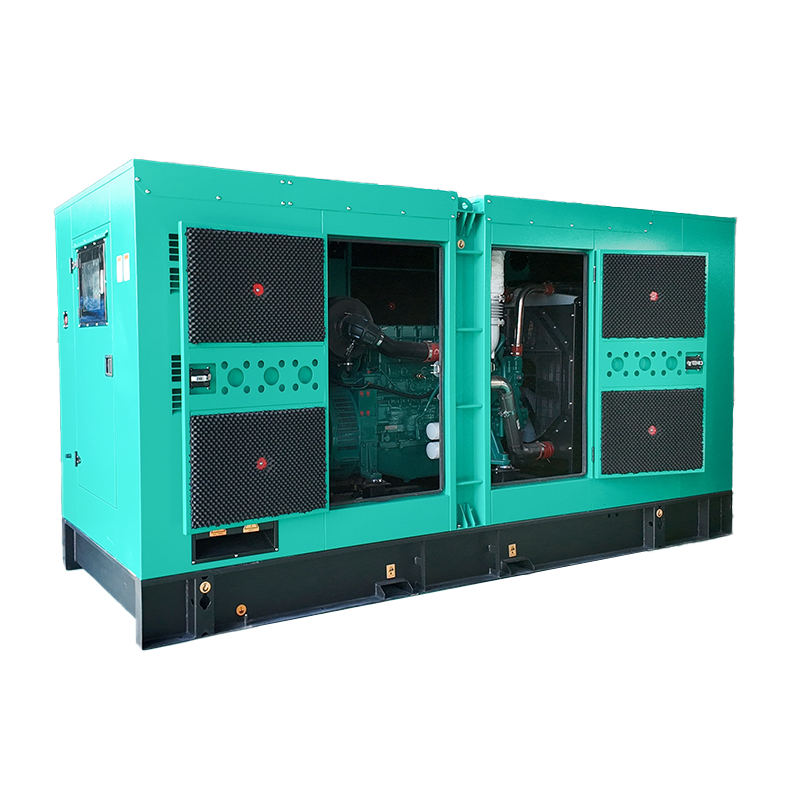
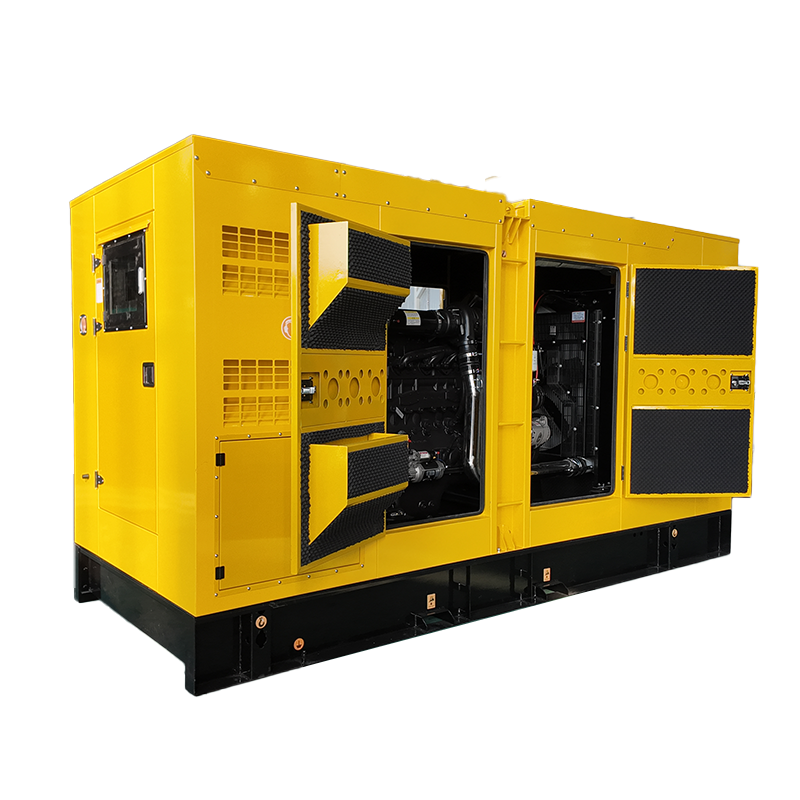
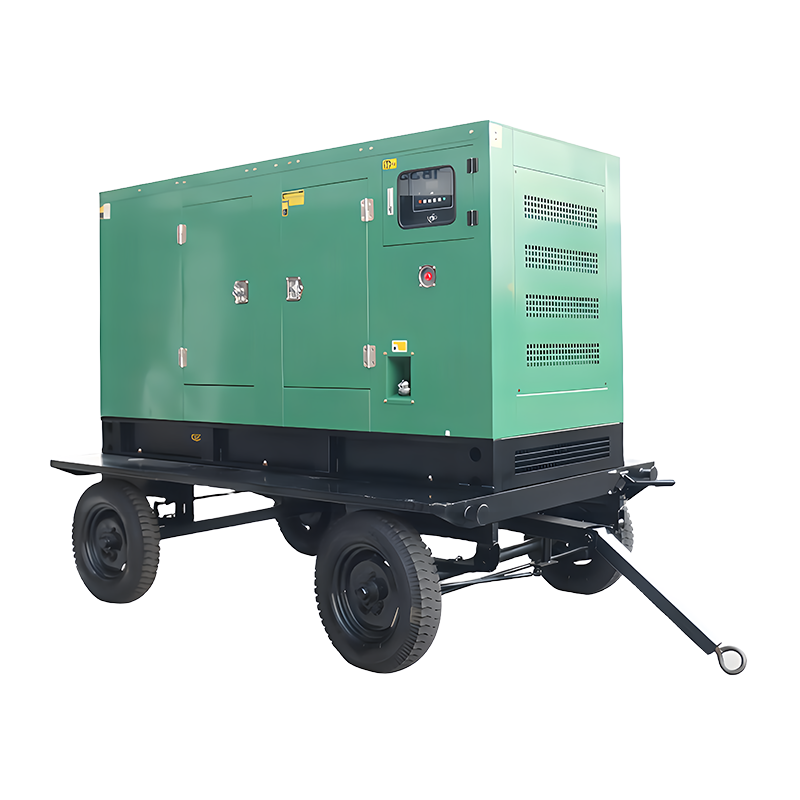
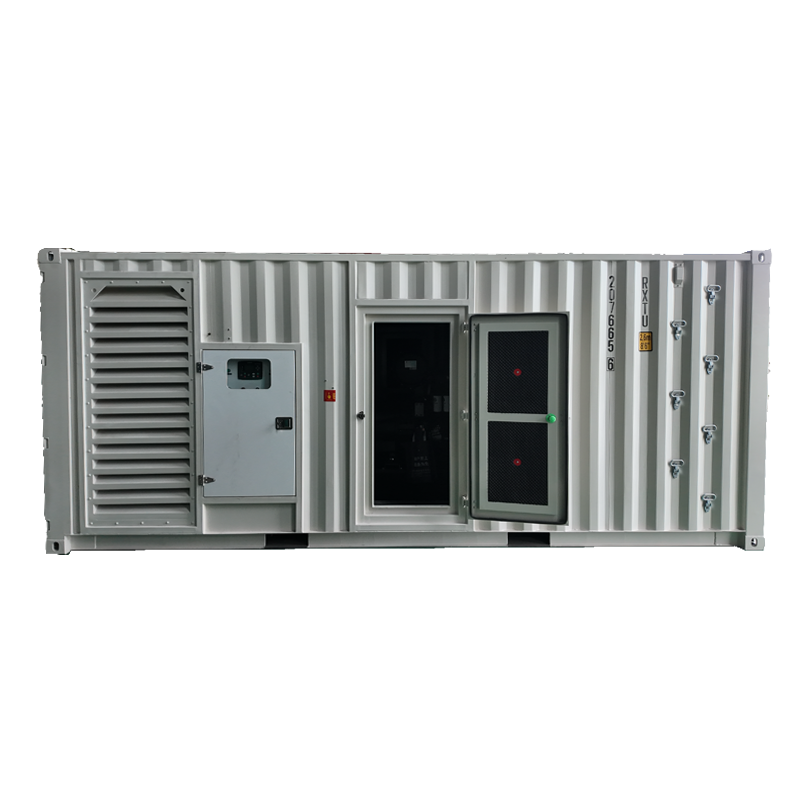
Silent Type Diesel Generator Sets are essentially high-performance engines housed inside a specialized, sound-attenuated enclosure (often called a "canopy"). These enclosures are not just metal boxes; they are engineered systems featuring acoustic insulation, weatherproofing, and advanced airflow management.
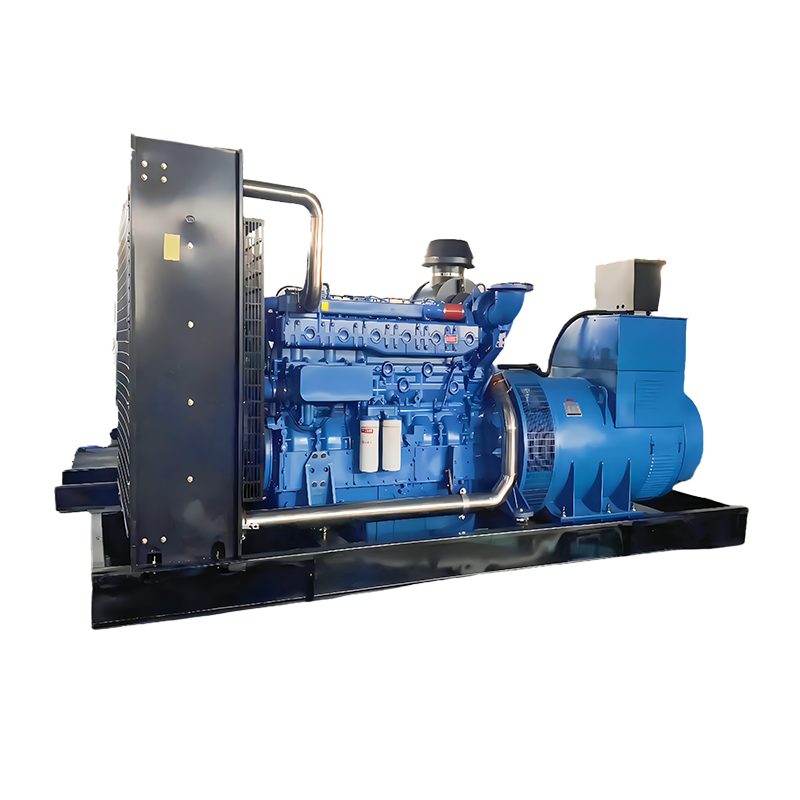
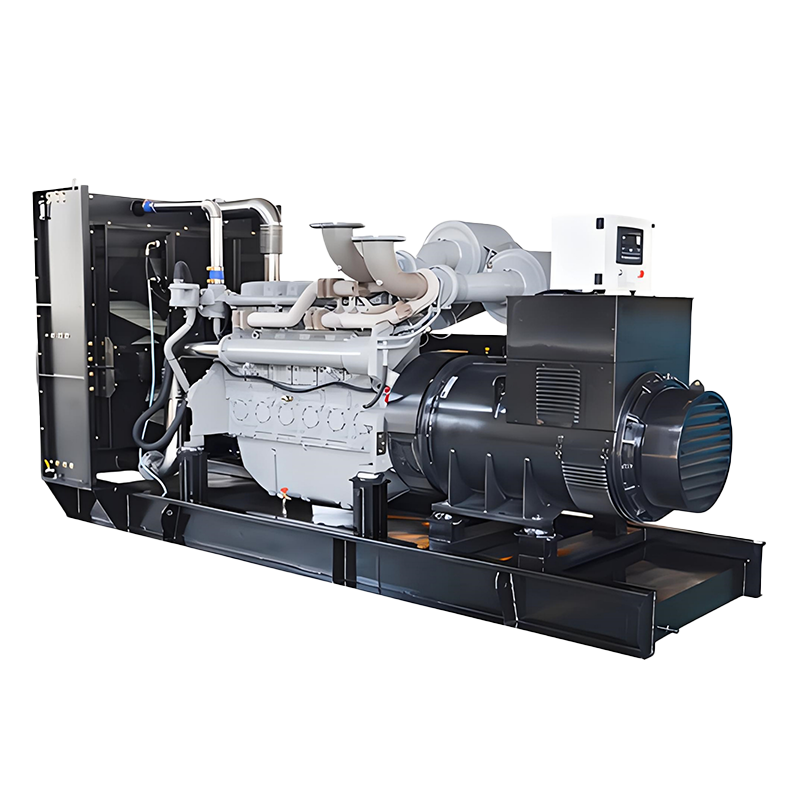
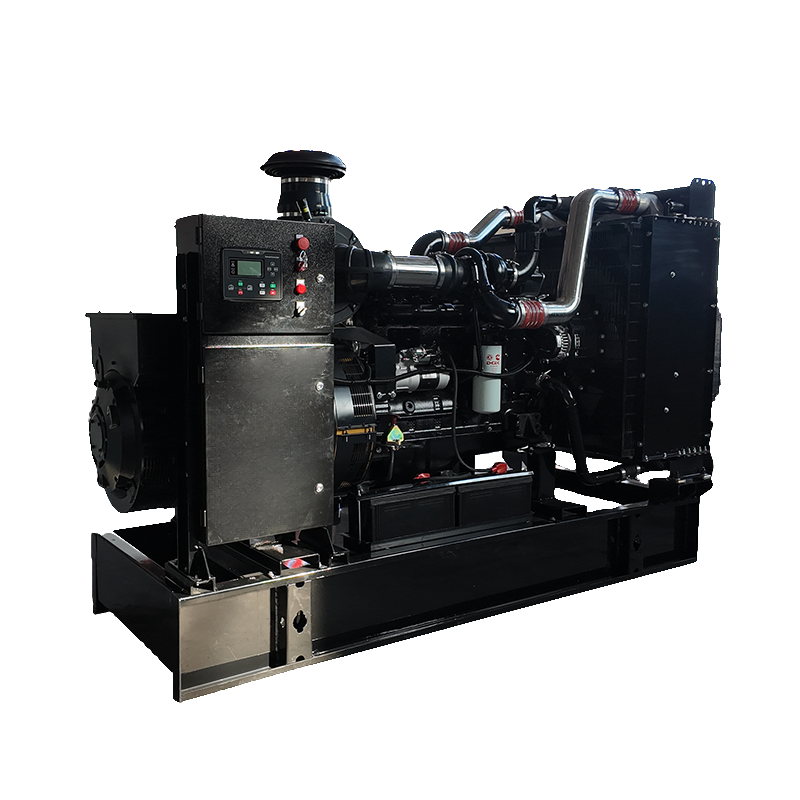
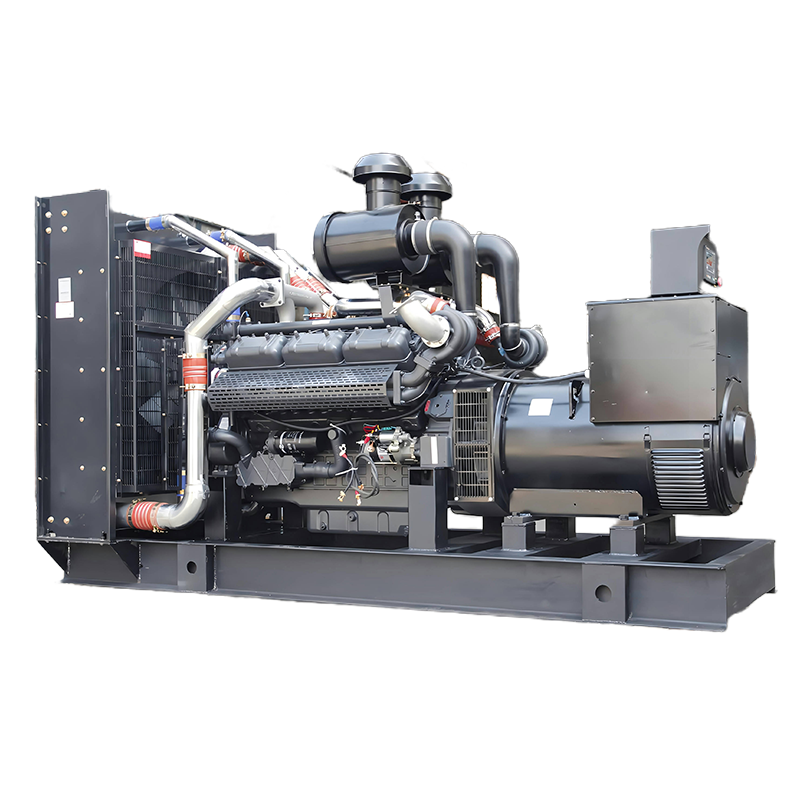
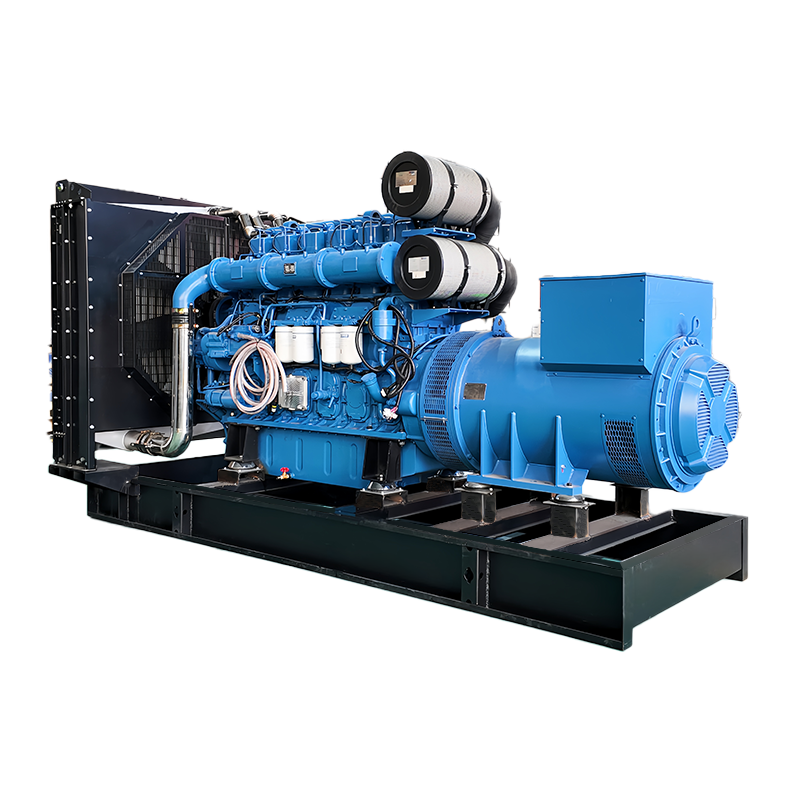
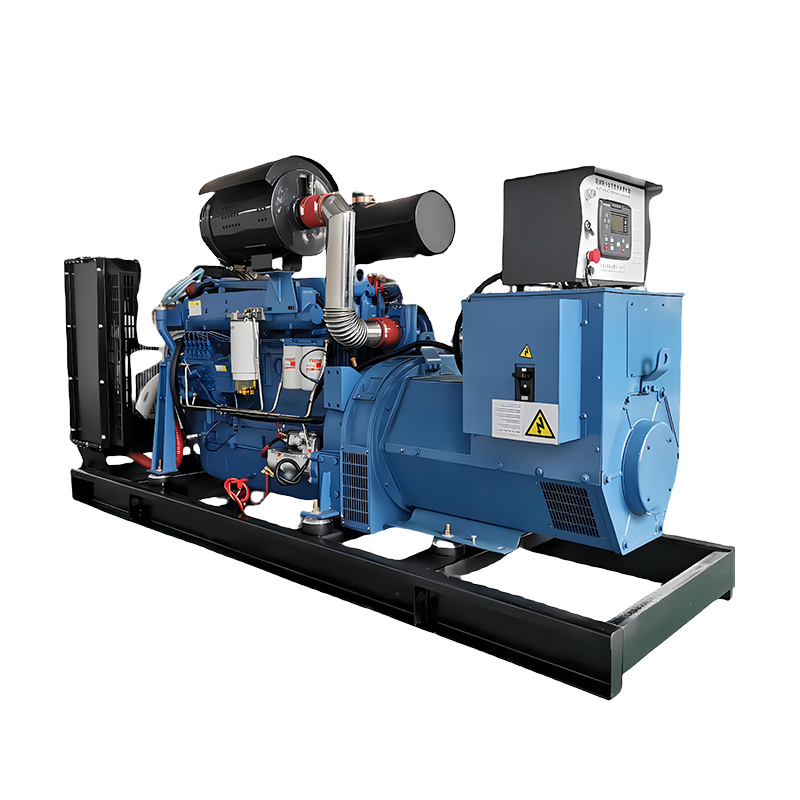
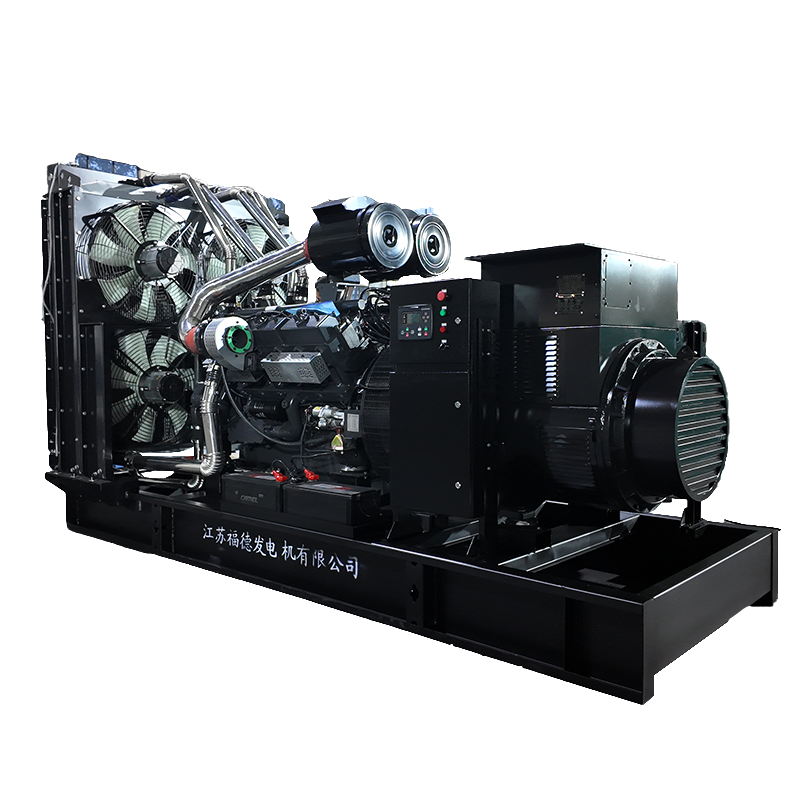
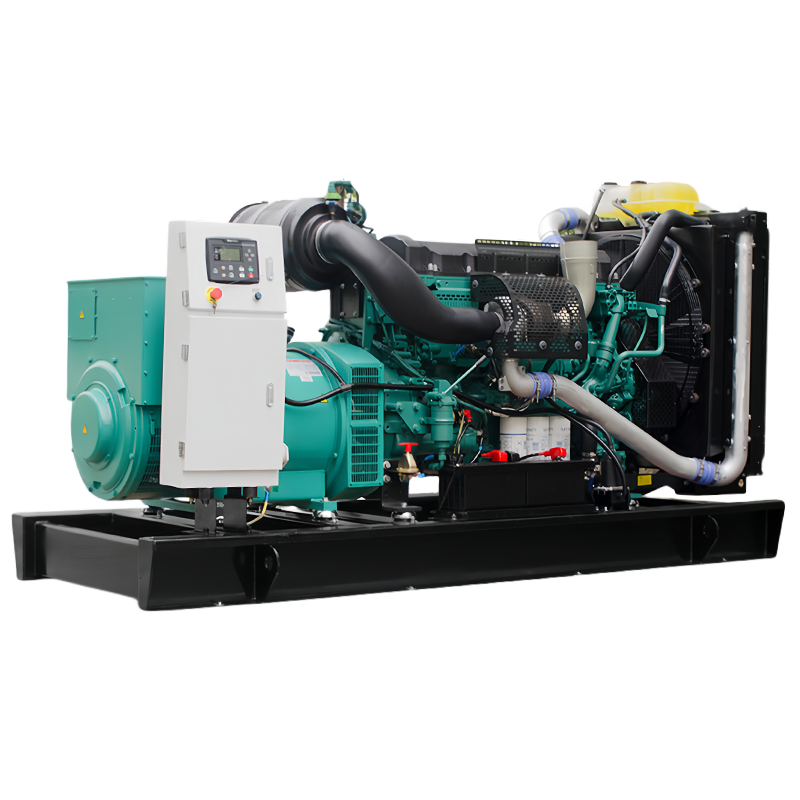
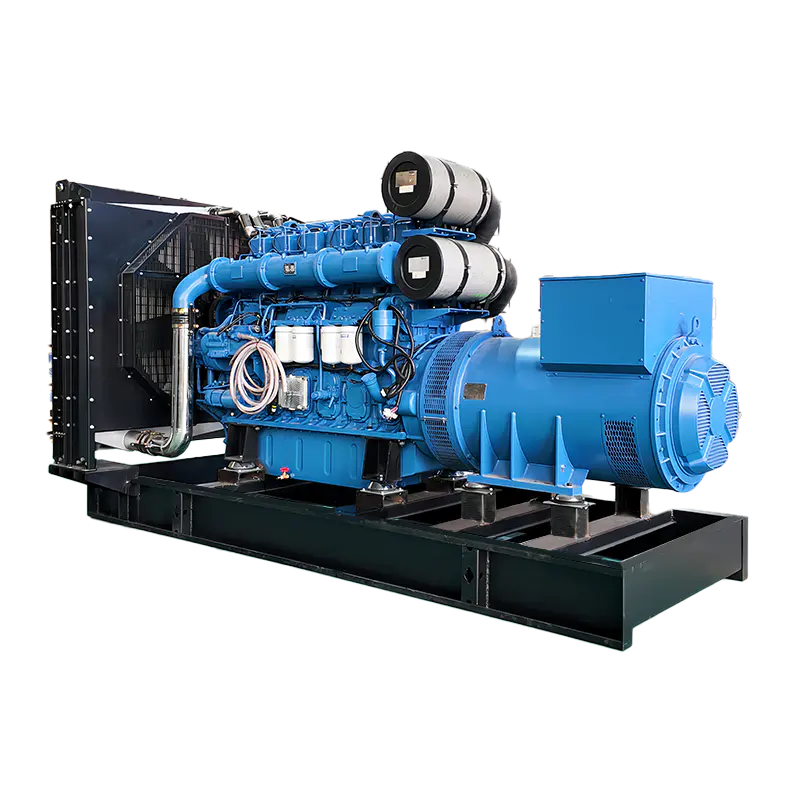
Open Frame Diesel Generators, on the other hand, consist of the engine and alternator mounted directly onto a rigid steel frame. All components are exposed to the environment. This design is built for maximum accessibility and cooling efficiency, typically intended for installation within a dedicated generator room or in remote, uninhabited areas.
The Noise Factor: How Quiet is "Silent"?
The most obvious differentiator is the sound output. Noise pollution is a growing concern in urban planning and workplace safety regulations.
- Open Frame Generators: Operating an open diesel unit is a loud affair. Without any sound dampening, these machines typically produce noise levels between 95dB and 110dB at a distance of one meter. This is comparable to a jet take-off or a jackhammer. Consequently, they are almost exclusively restricted to industrial zones or isolated sites where noise won't disturb occupants or neighbors.
- Silent Type Diesel Generator Sets: By utilizing multi-layer acoustic foam, sound-trapping baffles, and supercritical mufflers, silent generators dramatically reduce noise. Most quality units operate in the 65dB to 75dB range (measured at 7 meters). This reduction is significant—it turns a deafening roar into a manageable hum, similar to the sound of background traffic or a loud conversation.
Winner for Residential/Commercial Projects: Silent Type.
Winner for Remote Industrial Sites: Open Frame.
Environmental Protection and Durability
Where do you plan to place your generator? The location of your project often dictates the equipment style.
Silent Type Generators are inherently "all-weather" machines. Their enclosures are designed to be waterproof, dust-proof, and corrosion-resistant. This allows for direct outdoor installation without the need for additional structures. Whether it is a rain-slicked construction site or a dusty mining operation, the canopy protects sensitive electronics and engine components from the elements.
Open Frame Generators are vulnerable. If placed outdoors, they require a custom-built shelter or a dedicated indoor plant room to prevent rain, snow, or debris from damaging the alternator and control system. While the lack of an enclosure makes the unit itself cheaper, the cost of building a protective environment can often exceed the price difference of a silent model.
Cooling Efficiency and Airflow
Diesel engines generate a massive amount of heat. Managing this thermal energy is vital for the engine's lifespan.
- Natural Airflow (Open Frame): Because all parts are exposed, open frame generators have unrestricted access to ambient air. This makes them exceptionally easy to cool, even in high-temperature environments.
- Engineered Airflow (Silent Type): Because they are enclosed, silent generators must rely on "forced" cooling. Manufacturers design intricate air intake and exhaust paths (often in an S-curve shape) to let air circulate while keeping sound trapped. While modern Silent Type Diesel Generator Sets are highly efficient, they require owners to be more diligent about keeping vents clear of obstructions to prevent overheating.
Maintenance and Accessibility
A generator is a long-term investment that requires regular servicing.
Technicians generally prefer Open Frame models because every bolt, filter, and hose is easily accessible. There are no doors to open or panels to unscrew, which can lead to faster (and sometimes cheaper) maintenance sessions.
However, modern Silent Type units have made great strides in this area. Premium manufacturers now include large, lockable access doors on both sides of the canopy, allowing technicians to reach all "daily check" points—such as oil dipsticks and coolant levels—without disassembling the housing. Furthermore, the enclosure keeps the engine cleaner, meaning you spend less time wiping away grime and more time on actual mechanical upkeep.
Cost Analysis: Upfront vs. Total Investment
When comparing the two, you must look at the "Total Cost of Ownership."
| Feature | Open Frame | Silent Type |
| Initial Purchase Price | Lower | Higher (approx. 20-30% more) |
| Installation Cost | High (Requires room/shelter) | Low (Plug-and-play outdoors) |
| Transportability | Moderate (Fragile components) | High (Rugged and protected) |
| Resale Value | Moderate | High (More versatile for buyers) |
While an open frame unit has a lower sticker price, the hidden costs of building a soundproof, ventilated room often make the Silent Type Diesel Generator Set a more economical "all-in-one" solution for most projects.
Which One Should You Choose?
Choose a Silent Type Diesel Generator Set if:
- Your project is in a residential, urban, or public area (hospitals, schools, offices).
- You do not have a dedicated indoor space and need to install the unit outdoors.
- You need a "plug-and-play" solution that is easy to move between different job sites.
- You want to ensure the highest level of safety by keeping hot and moving parts enclosed.
Choose an Open Frame Diesel Generator if:
- You already have a pre-existing, ventilated, and soundproofed generator room.
- The project is in a remote location where noise is not a factor.
- Budget is the absolute primary constraint, and you are capable of providing your own environmental protection.
- The generator will be used as a fixed, permanent installation with frequent, heavy-duty maintenance needs.
Related Products
Related News

-
Xiaoji Town, Jiangdu District, Yangzhou City, Jiangsu Province, China
-
8618944498005
-
+86-18652407919
-
+86-0514-86593686
Copyright © Jiangsu Ford Generator Co., Ltd.
