




 English
 Español
 عربى
عربىHow to Choose the Quietest Generator: 5 Crucial Factors You Need to Know
Feb 11, 2026
Content
In an era where power reliability is a top priority, the "Silent Generator" has transitioned from a luxury item to an essential tool for homeowners, outdoor enthusiasts, and professionals alike. Whether you are looking for a backup power source for your family home during a storm or a reliable companion for a serene camping trip, the noise level is often the deciding factor.
However, choosing the quietest generator involves more than just reading the decibel rating on a box. True silence—or as close as you can get to it—is the result of specific engineering, smart technology, and thoughtful placement. To help you navigate the market, we have identified five crucial factors that define a high-quality silent generator and how you can choose the best one for your needs.
Understanding the Decibel (dB) Scale
When shopping for a silent generator, the first thing you will notice is the decibel (dB) rating. While it seems straightforward, the decibel scale is logarithmic, not linear. This means that a generator rated at 70dB is not just slightly louder than one at 60dB—it is actually perceived as twice as loud to the human ear.
To put this into perspective, let’s look at common sound levels:
- 30dB: A quiet library or a whisper.
- 50–60dB: A normal indoor conversation (The "Sweet Spot" for silent generators).
- 70–80dB: A vacuum cleaner or heavy city traffic.
- 90dB+: A lawnmower or a construction site.
A premium silent generator usually operates between 50dB and 65dB. If you are planning to use the unit in a residential area or a public campsite, staying within this range ensures you won't disturb your neighbors or local wildlife.
Inverter Technology vs. Traditional Engines
The most significant leap in quiet power technology is the Inverter Generator. Unlike traditional generators that run at a constant high speed (typically 3600 RPM) regardless of the load, an inverter generator uses a microprocessor to adjust the engine speed based on the power demand.
If you are only charging a laptop and running a few LED lights, the engine "throttles down," significantly reducing noise and saving fuel. When you plug in a heavier appliance like a refrigerator, it ramps up only as much as necessary. This "on-demand" performance is the secret behind the whisper-quiet operation of modern silent generators.
Acoustic Enclosures and Sound-Dampening Materials
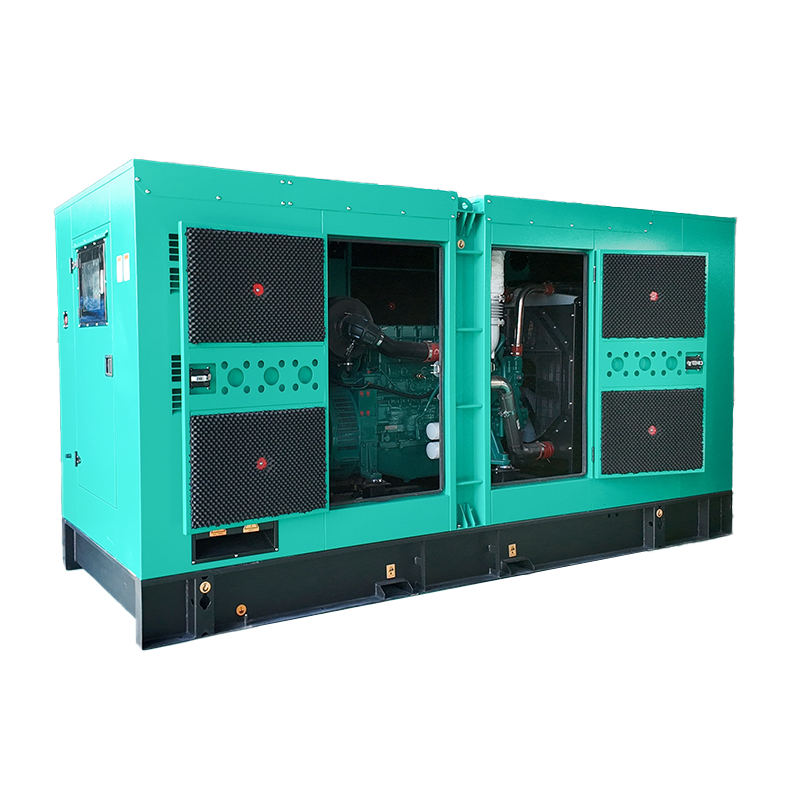
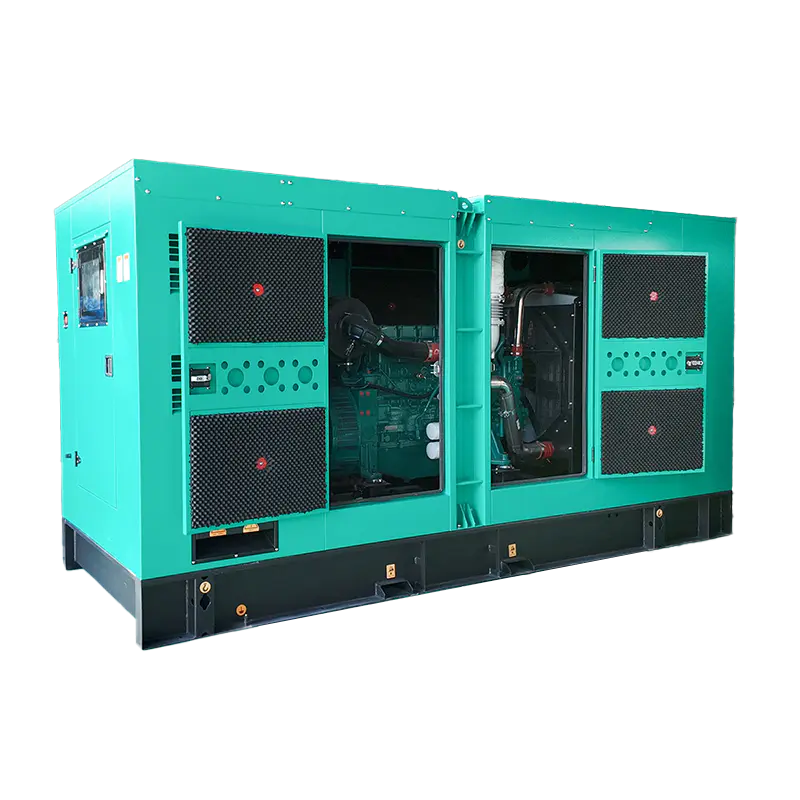
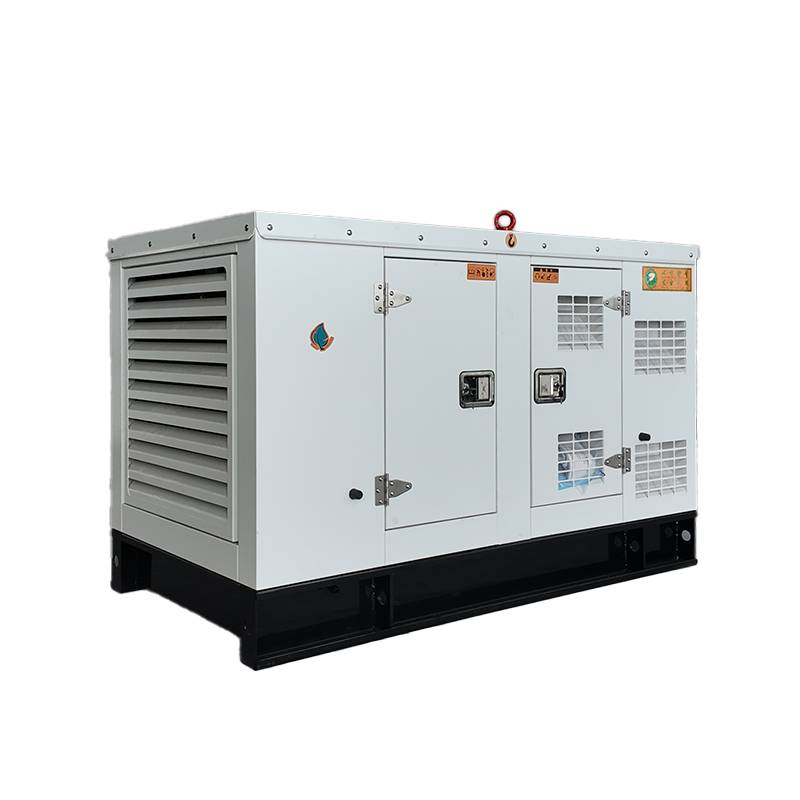
The physical design of the unit plays a massive role in sound containment. A true silent generator is never "open-frame." Instead, it is housed in a fully enclosed acoustic cabinet.
Manufacturers of high-end silent generators use several layers of protection:
- Insulated Panels: The interior of the casing is often lined with sound-absorbing foam or mineral wool that traps noise before it leaves the unit.
- Anti-Vibration Mounts: Engines naturally vibrate. If that vibration reaches the outer shell or the ground, it creates a low-frequency hum. Quality units use rubber mounts to isolate the engine from the frame.
- Advanced Mufflers: Just like a car, a generator needs an exhaust system. Silent models utilize "supercritical" silencers that use internal baffles to break up sound waves without restricting airflow.
Power Output and Load Matching
One of the most common mistakes is buying a generator that is too small for your needs. While smaller generators are naturally quieter, running a small generator at 100% capacity is much louder than running a larger, more powerful silent generator at 25% capacity.
When an engine is pushed to its absolute limit, it creates more heat and mechanical stress, leading to a much harsher sound. To maintain a peaceful environment, calculate your total wattage needs and choose a silent generator that can handle that load at roughly 50-70% of its rated output. This provides a "buffer" that keeps the engine running in its quietest, most efficient zone.
Cooling and Airflow Management
It may seem counterintuitive, but the way a generator breathes affects how much noise it makes. An engine needs a constant stream of cool air to prevent overheating, especially when enclosed in a soundproof box.
The challenge for engineers is to create an airflow path that lets air in and out but keeps sound trapped inside. This is usually achieved through "S-curve" air ducts or labyrinth-style vents. These designs force sound waves to bounce off multiple sound-absorbing surfaces before exiting the unit. When researching a silent generator, look for models that emphasize "Optimized Airflow Management"—this indicates the brand has invested in keeping the unit both cool and quiet.
Comparison of Popular Silent Generator Types
| Feature | Inverter Silent Generator | Silent Diesel Generator | Solar "Silent" Generator |
| Noise Level | 50–60 dB (Excellent) | 65–75 dB (Moderate) | 0–10 dB (Perfect) |
| Best For | Camping, RVs, Home Electronics | Industrial, Whole-Home Backup | Indoor use, Small Gadgets |
| Fuel Efficiency | High (Variable Speed) | High (Constant Load) | N/A (Solar/Battery) |
| Portability | Very High | Low (Heavy) | High |
Final Tips for Maximizing Silence
Even the best silent generator can be made quieter with a few simple operational adjustments:
- Placement Matters: Place the unit on a soft surface like grass or a rubber mat rather than a concrete driveway, which reflects sound.
- Distance is Your Friend: Doubling the distance between you and the generator can reduce the perceived noise by up to 6dB.
- Exhaust Orientation: Always point the exhaust pipe away from your living area or your neighbors' windows.
Related Products
Related News

-
Xiaoji Town, Jiangdu District, Yangzhou City, Jiangsu Province, China
-
8618944498005
-
+86-18652407919
-
+86-0514-86593686
Copyright © Jiangsu Ford Generator Co., Ltd.
