




 English
 Español
 عربى
How to Choose a Mobile Generator for Fast Deployment: Key Factors to Know
Nov 02, 2026
Content
When a construction site, an event venue, or a remote worksite loses power, time is the most expensive resource on the job. A mobile generator is often the fastest way to restore electricity because it can be transported, positioned, and connected without permanent installation. The real challenge is choosing the right unit before the emergency or project deadline arrives.
This article explains the key factors we consider whenever a customer asks us to recommend a mobile generator for fast deployment: load sizing, mobility format, noise limits, fuel logistics, control features, site durability, and after-sales support.
Start with a Realistic Load Assessment
Speed of deployment does not mean guessing the size. An undersized generator will trip under load, and an oversized one wastes fuel and is harder to transport. List every device that will need power, including lights, power tools, pumps, compressors, communication equipment, and heating or cooling units. Pay attention to motor starting currents, which can be three to five times the running value for a few seconds.
A practical target is to run the generator at 60–80 percent of its rated output. This leaves headroom for startup surges and future additions while keeping the engine in its most efficient operating range. If the load list changes from site to site, choose a generator with a slightly higher rating and adjust the connection plan accordingly.
Choose the Right Mobility Format
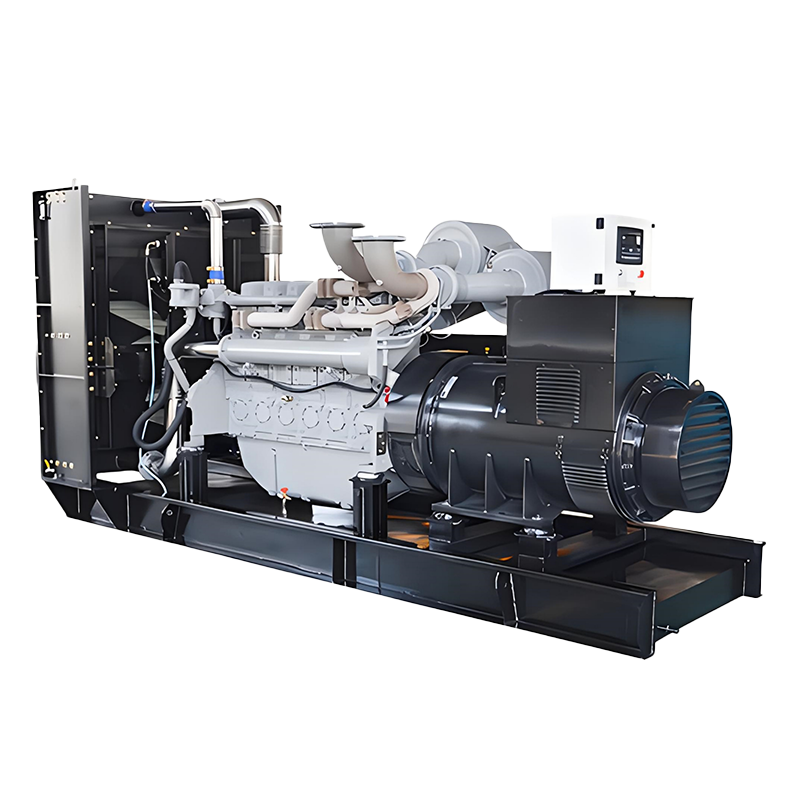
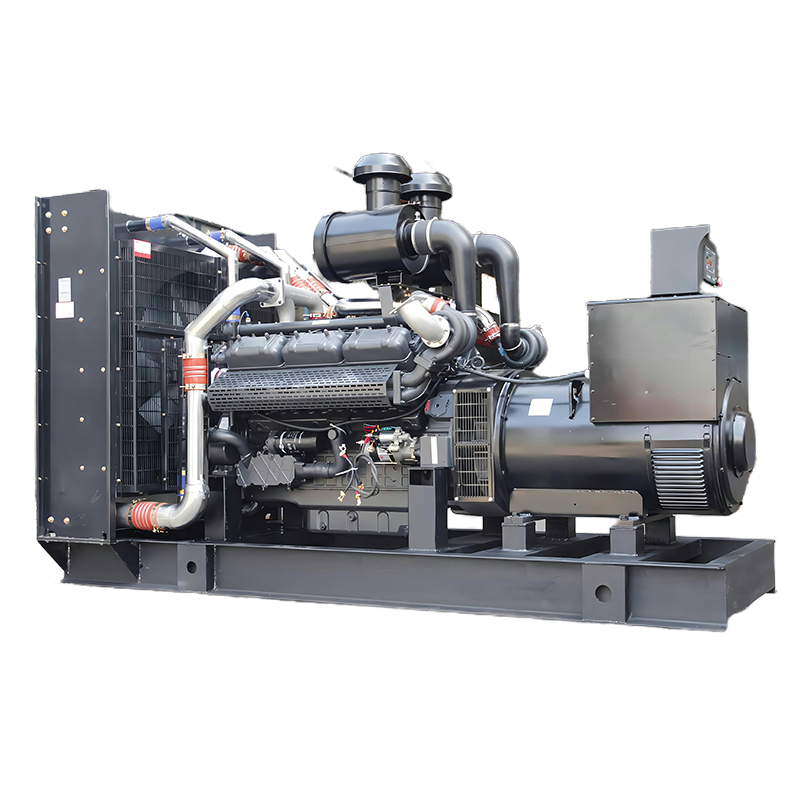
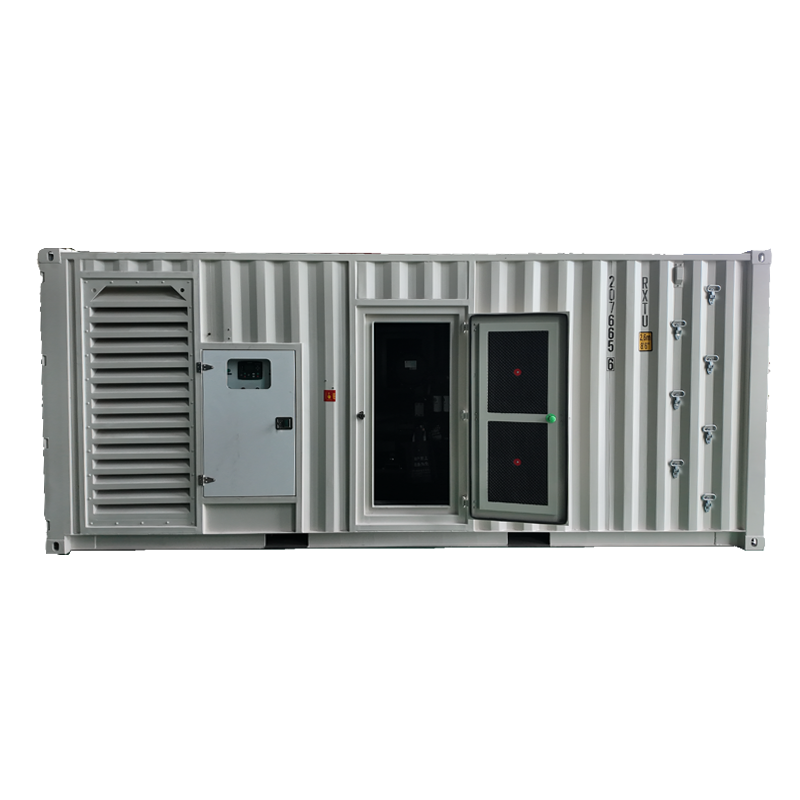
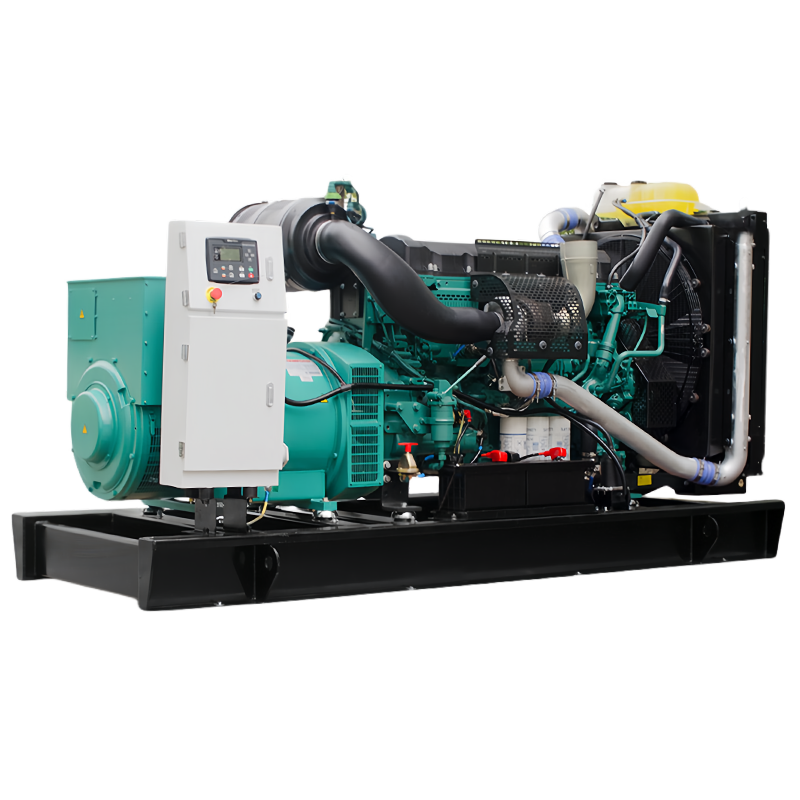
Mobile generator sets come in several configurations, and the fastest deployment often depends on how the unit will travel. Trailer-mounted units can be towed directly behind a service vehicle and put into service within minutes of arrival. Skid-mounted units are compact enough for truck beds or shipping containers and can be lifted into position by forklift or crane. Containerized units provide more protection and can be transported by flatbed.
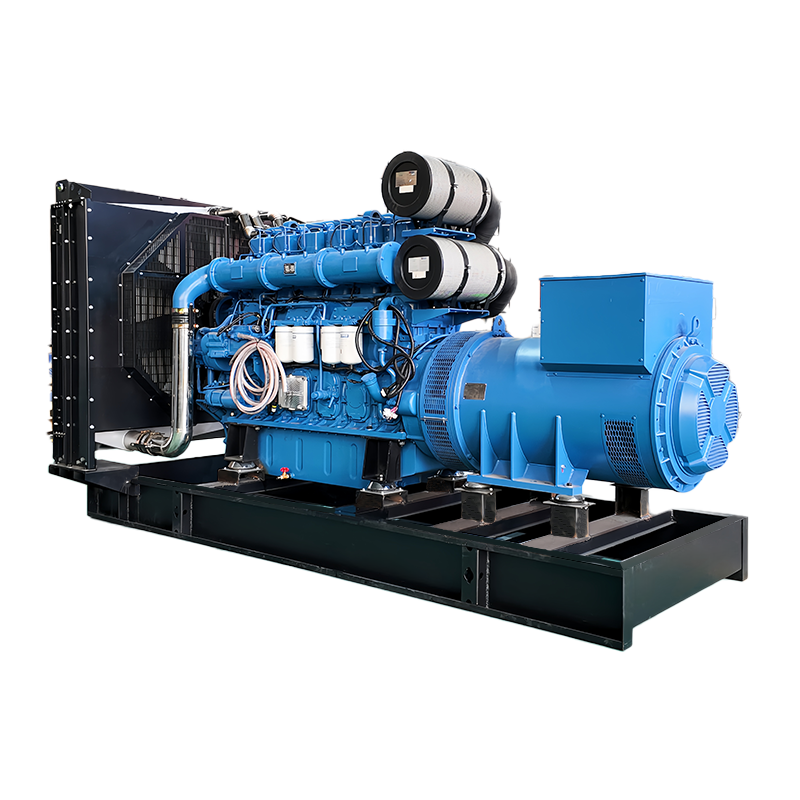
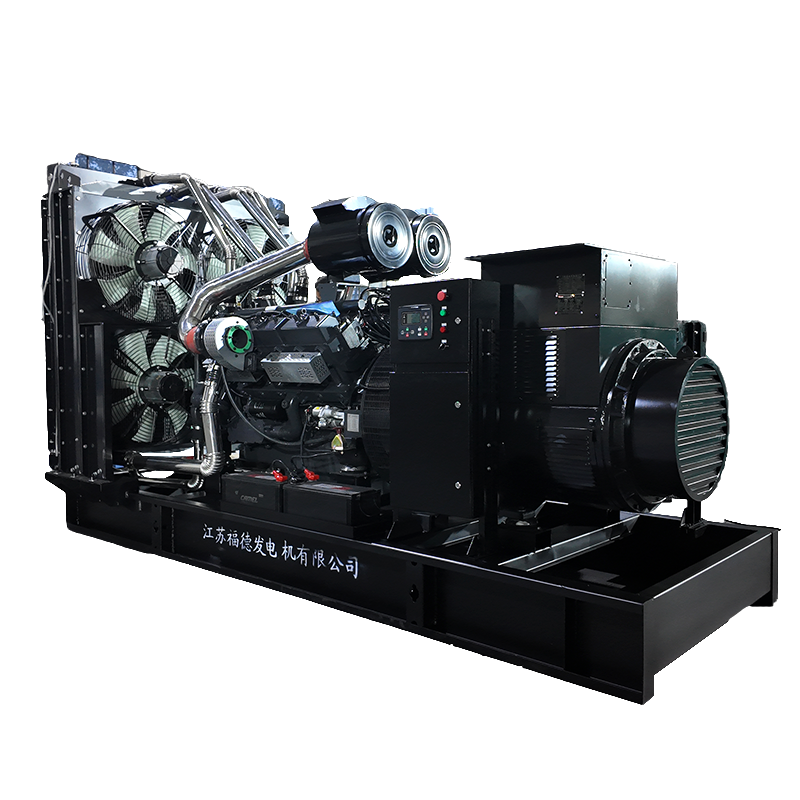
At Jiangsu Ford Generator, we manufacture movable-type diesel generator sets designed for repeated relocation without complicating the setup. Frames include lifting points and towing options, and integrated fuel tanks reduce the number of connections required on site.
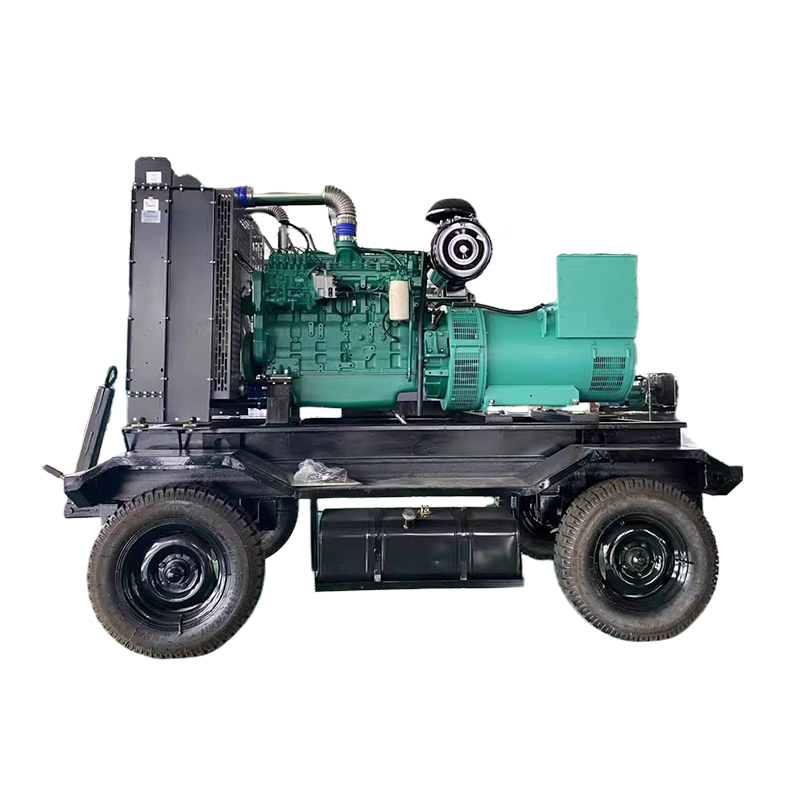 Movable Diesel Generator Sets for Frequent RelocationThese mobile generator units offer multiple configurations and power ranges up to 1500 kVA, engineered for quick deployment and reduced on-site connections, making them ideal for construction and temporary power.View Product →
Balance Noise Against Site Restrictions
A mobile generator is only useful if the site allows it to run. Urban construction, night work, hospitals, broadcasting, and residential areas often have strict noise limits. An open-frame unit may be acceptable in an open field, but in a built-up environment it can cause complaints, fines, or even shutdown orders.
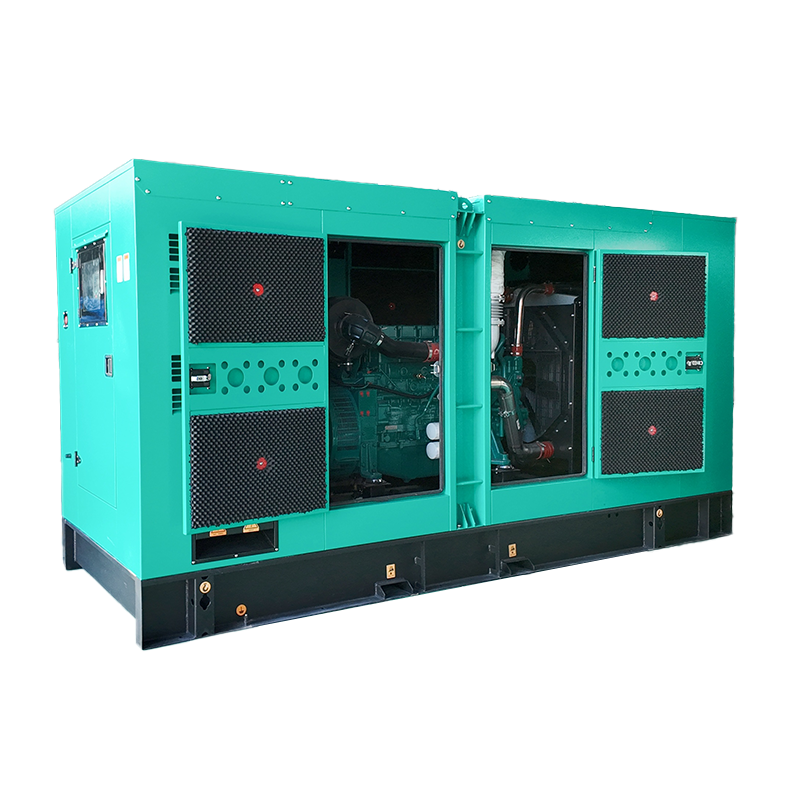
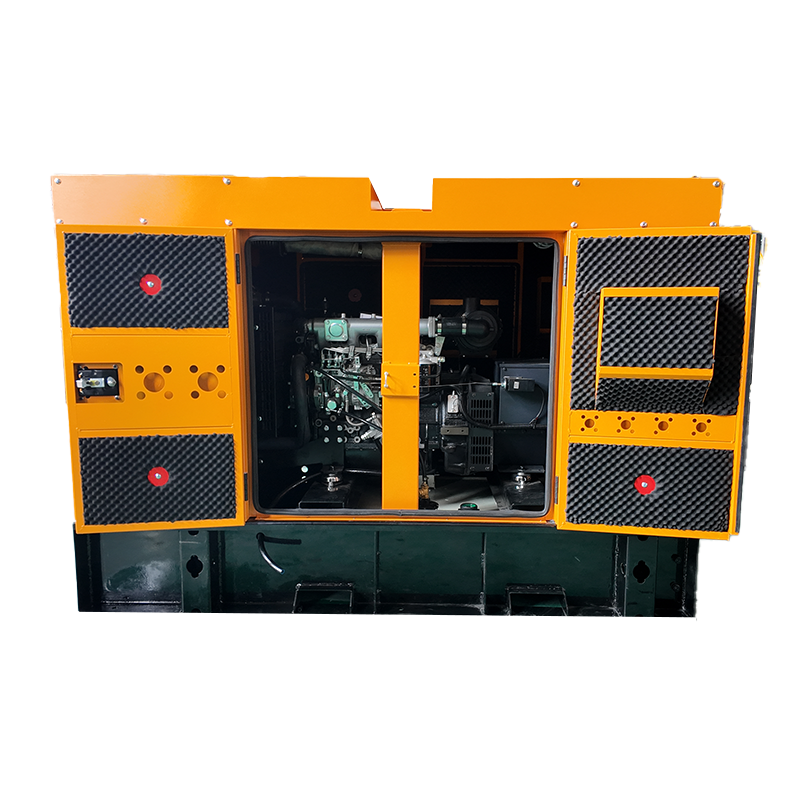
If noise is a concern, choose a silent-type or mobile-silent generator. These units enclose the engine in a sound-attenuated canopy that reduces radiated noise while still allowing easy access for maintenance. We always ask about the noise limit at the intended site before recommending a specific model.
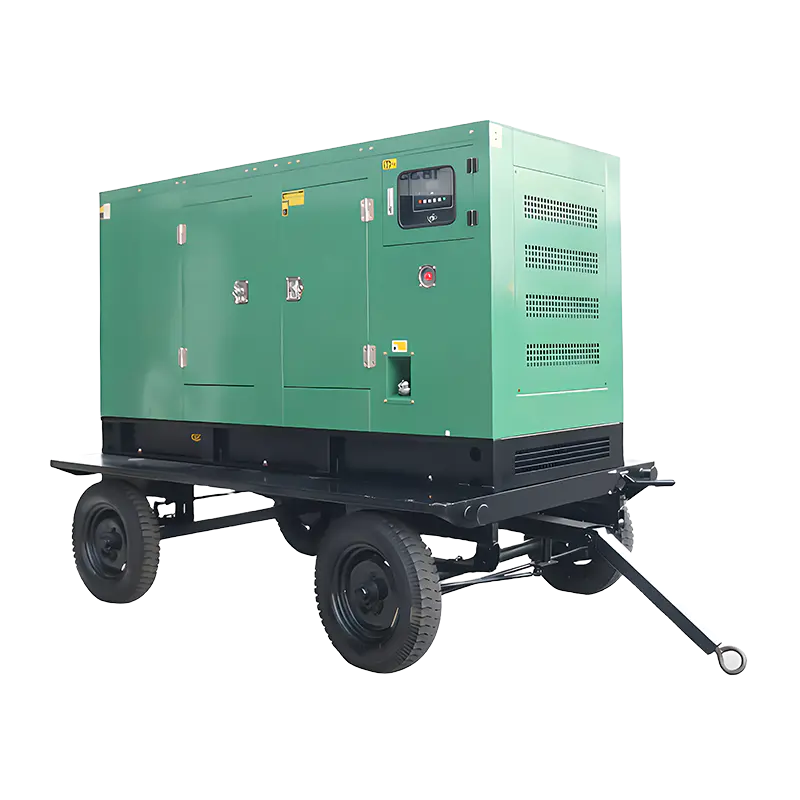 Mobile Silent Diesel Generators with SoundproofingCombining mobility with a sound-attenuated canopy, this generator range reduces noise for noise-sensitive sites while maintaining portability, suitable for events, construction, and emergency response.View Product →
Plan Fuel Supply and Runtime
Fast deployment does not end with starting the engine. The generator will only be useful if it can run for the required duration without refueling issues. Calculate the expected runtime based on the site's duty cycle, and confirm that the fuel tank capacity matches the shift pattern.
The table below summarizes how typical load levels affect fuel consumption and runtime decisions.
| Load Level | Typical Consideration | Recommended Action |
|---|---|---|
| 60–80% rated load | Best balance between efficiency and responsiveness | Size near this range for steady operation |
| Below 40% rated load | Engine may run inefficiently and cause wet stacking | Increase connected load or select a smaller unit |
| Above 90% rated load | Little headroom for motor surge and frequency dips | Choose a higher-rated mobile generator |
Prioritize Fast-Start and Monitoring Controls
For planned deployment, a simple manual start is often enough. For emergency response, however, automatic controls make a big difference. A generator with auto-start and an automatic transfer switch can begin supplying power within seconds of a mains failure, without waiting for an operator to arrive on site.
Remote monitoring is another useful feature for fast deployment. With a basic control panel you can check oil pressure, coolant temperature, fuel level, and output voltage at a glance. Some configurations allow remote status, which helps the support team diagnose a fault before driving to the site.
Match the Unit to the Site Environment
Environmental conditions determine whether a generator will still be running at the end of the deployment. Rain, salt spray, dust, high humidity, and extreme temperatures all affect reliability. At minimum, protect the unit from direct rain and provide adequate airflow. In tropical or coastal areas, a rainproof canopy with screened openings is a sensible choice.
If the site has no shelter at all, we recommend a rainproof-type unit when the deployment is outdoors. For longer deployments in harsh environments, a container-type enclosure adds space for switchgear and reduces exposure to windborne debris.
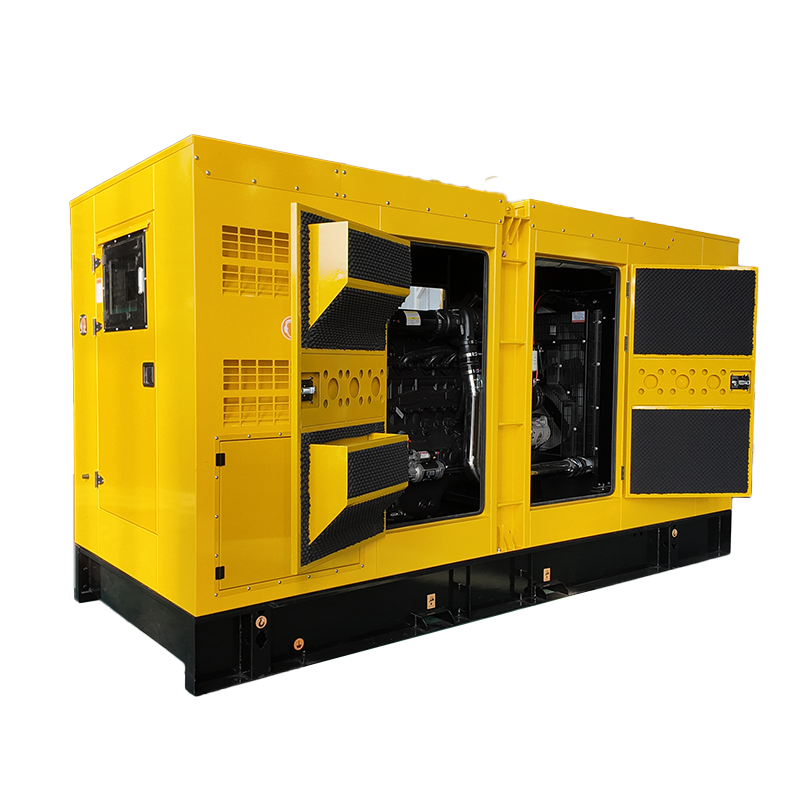 Rainproof Diesel Generators for Outdoor UseDesigned to operate and be serviced in rainy conditions, these units feature rainproof covers, bases, and doors, with power options from 10 to 1500 kVA for exposed deployment sites.View Product →
Confirm Support Before You Need It
A deployment plan is incomplete without a maintenance and support arrangement. Confirm that the supplier can provide the spare parts most likely to be needed, such as filters, belts, injectors, and sensors. Check the service response time for the region where the generator will operate, and ask for a clear maintenance schedule before the unit is shipped.
For readers who want more detail on the selection process, we recommend our detailed guide on how to choose the right mobile diesel generator. It covers ratings, fuel systems, and controller options in depth. If you already know your load and site conditions, our team can help translate that into a specific configuration.
Deployment Checklist
Use this checklist when you compare mobile generators for fast deployment.
| Checkpoint | What to Verify |
|---|---|
| Load assessment | All loads listed; sizing at 60–80% rated output |
| Mobility format | Towing, lifting, and transport path confirmed |
| Noise level | Unit meets site decibel limits |
| Fuel and runtime | Tank capacity covers duty cycle; refueling plan ready |
| Controls | Manual, auto-start, or remote monitoring as needed |
| Site protection | Rainproof canopy, filtration, and proper airflow |
| Support | Spare parts, service response, and maintenance schedule confirmed |
Choosing a mobile generator for fast deployment comes down to preparation. When you know the load, the travel route, the noise limit, and the site environment, the right machine becomes obvious. A little planning at the selection stage saves more time later than any last-minute rental or emergency purchase.
Related Products
Related News

-
Xiaoji Town, Jiangdu District, Yangzhou City, Jiangsu Province, China
-
8618944498005
-
+86-18652407919
-
+86-0514-86593686
Copyright © Jiangsu Ford Generator Co., Ltd.
