




 English
 Español
 عربى
how much power is 20kw: Applications, Selection Criteria, and Practical Guidance
Oct 29, 2026
Content
What Does 20kW Actually Mean?
One of the most common questions we hear from customers is, "How much power is 20kW?" It sounds like a simple specification, but the answer depends on whether you are talking about power, energy, or practical generator capacity.
A kilowatt (kW) is 1,000 watts. So 20kW equals 20,000 watts. A watt is a unit of power, meaning the rate at which electricity is used. If a device needs 20kW to run, it is consuming energy 20 times faster than a 1kW electric heater.
The important distinction is that kW is not "per hour." A 20kW generator does not produce "20kW per hour." It can supply 20kW continuously, and the total energy it delivers is measured in kilowatt-hours (kWh).
kW vs. kWh: Capacity and Energy
kW tells you how much power a device needs at a given moment. kWh tells you how much energy is consumed over time. Running a 2kW heater for three hours uses 6kWh. Running a 20kW load for one hour uses 20kWh.
| Equipment | Typical Power (kW) | Notes |
|---|---|---|
| Refrigerator | 0.15–0.30 | Compressor cycles |
| 20 LED bulbs | 0.20–0.30 | Varies by bulb |
| Window air conditioner | 1.0–1.5 | Starting surge higher |
| Central air conditioner | 3.0–5.0 | Large starting surge |
| Electric water heater | 4.5–5.5 | Heating element cycles |
| Clothes dryer | 5.0–6.0 | Motor and heating element |
| Small welder | 6.0–8.0 | Duty cycle dependent |
| 10 HP three-phase motor | 7.5–9.0 | High starting current |
These numbers are approximate. They show that 20kW can mean "all of the above at once" in a home, but only a few items at a time in an industrial setting.
What Can a 20kW Generator Power?
At 240 volts single-phase, 20kW gives about 83 amps. That is far more than an average home needs at one instant, but it is not unlimited. For an electrical service, 100 amps at 240V is 24kW, so a 20kW generator is close to a residential 100-amp service.
For a large home, a 20kW generator can usually run central air conditioning, a refrigerator, a well pump, lighting, electronics, and even a clothes dryer or water heater – if you manage starting surges carefully.
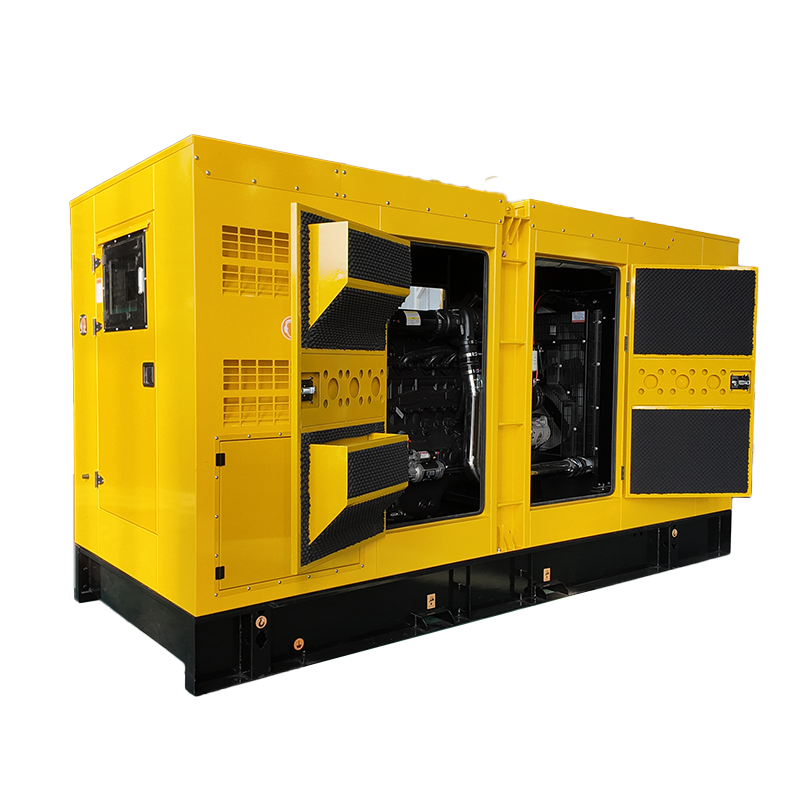
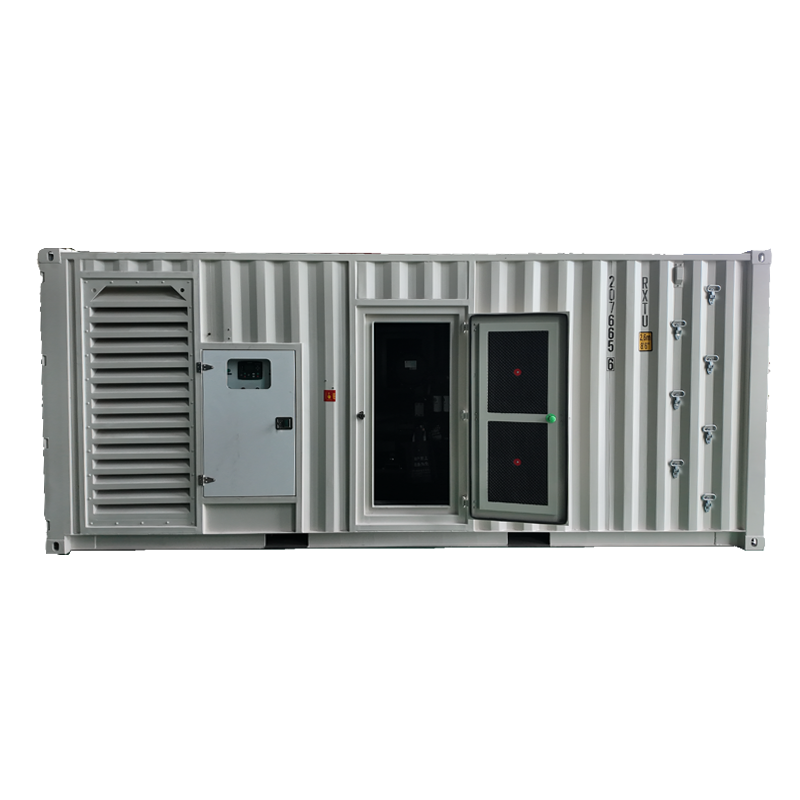
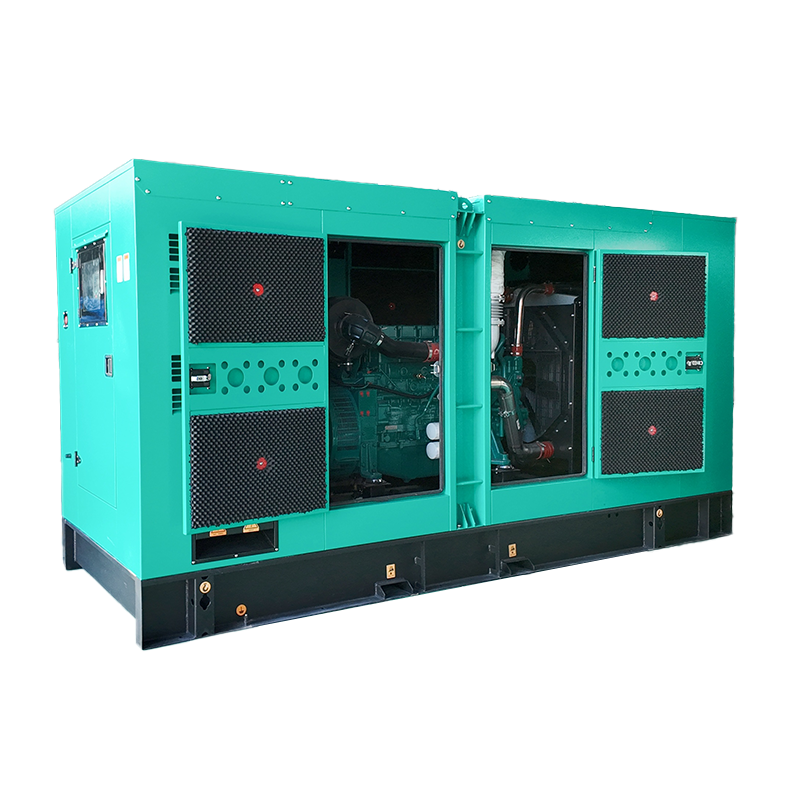 Silent Diesel Generator Sets for Noise-Sensitive LocationsThis category covers soundproof, rainproof generator sets from 10 to 1500 kVA, ideal for hospitals, hotels, and events where quiet backup power is needed.View Product →
For a small workshop or farm, 20kW can keep lights, refrigeration, pumps, compressors, and one larger tool running at the same time. For an outdoor event, it can power catering equipment, sound systems, and temporary lighting.
| Setting | What can run at the same time |
|---|---|
| Large home | Central AC, refrigerator, well pump, lighting, home office |
| Small workshop | Lights, bench tools, compressor, one welder |
| Retail store | Refrigeration, freezers, POS, security and lighting |
| Outdoor event | Sound, catering equipment, lights, small tools |
Starting surge is the real limit. A motor rated at 5kW can briefly draw three times that amount when it starts, which is why we always ask customers to list motor loads as well as wattages.
How Much Energy Does a 20kW Load Use?
Energy is what you pay for, and it is easy to calculate: kWh = kW × hours. A 20kW load running for one hour consumes 20kWh. Running it eight hours a day for 30 days gives 20 × 8 × 30 = 4,800kWh per month.
If a generator runs at full 20kW around the clock, that becomes 20 × 24 × 30 = 14,400kWh per month. That is a substantial amount of electricity.
To put it in perspective, an average U.S. household uses about 30kWh per day. A continuous 20kW draw for 24 hours – 480kWh – is roughly the daily electricity use of 16 homes.
For a diesel generator, fuel consumption follows the same curve. A typical liquid-cooled 20kW set burns between 4 and 6 liters per hour at full load and less when the load drops, so hourly cost depends heavily on your actual load profile.
Choosing a 20kW Generator: Don't Forget the Ratings
A generator's standby rating is the maximum it can supply for a short period. For continuous use, most manufacturers recommend staying at roughly 80% of that rating. That means a 20kW set is best for a continuous load of about 16 to 18kW.
Starting surge is just as important. Electric motors can draw three to five times their running wattage for a second or two. A 20kW generator may run a 7kW motor easily, but the nameplate alone doesn't tell you whether the set can handle the start.
You also need to match voltage and phase. Homes generally use 240V single-phase, while workshops and many industrial tools use three-phase. A 20kW three-phase set can be the right choice for equipment that doesn't run well on single-phase power.
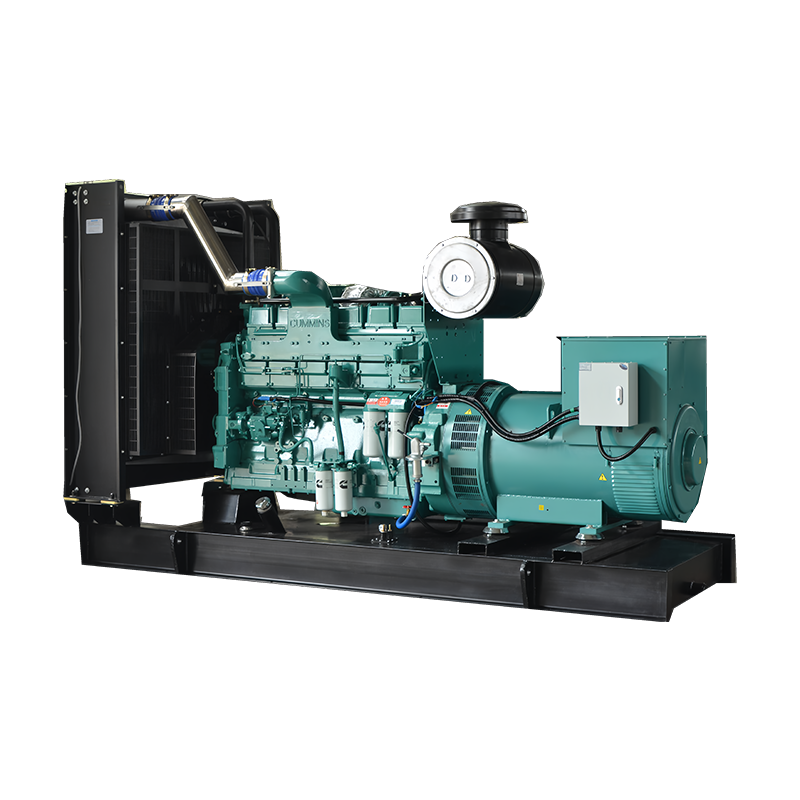
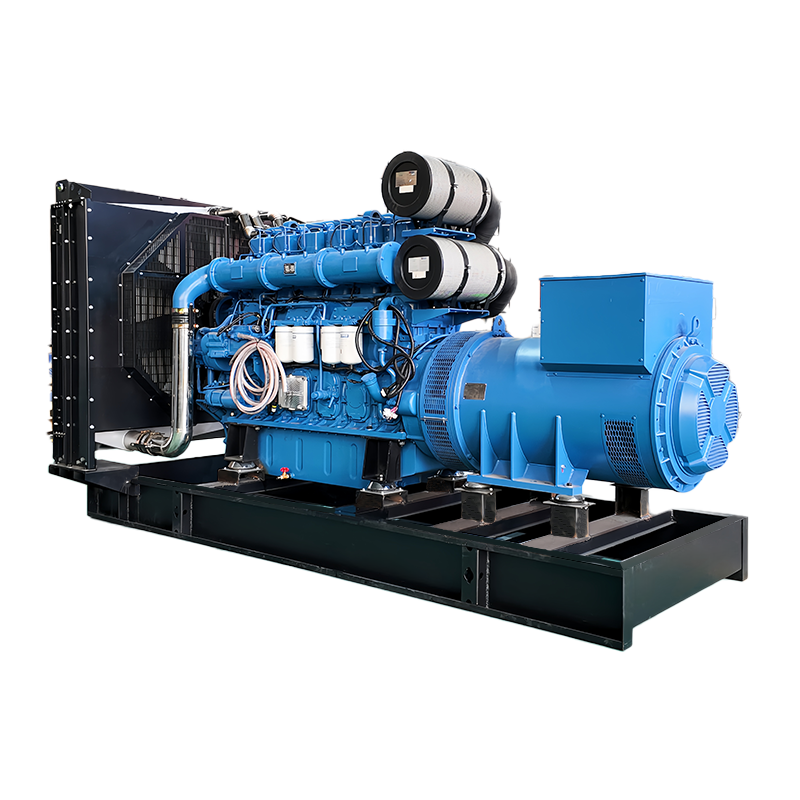
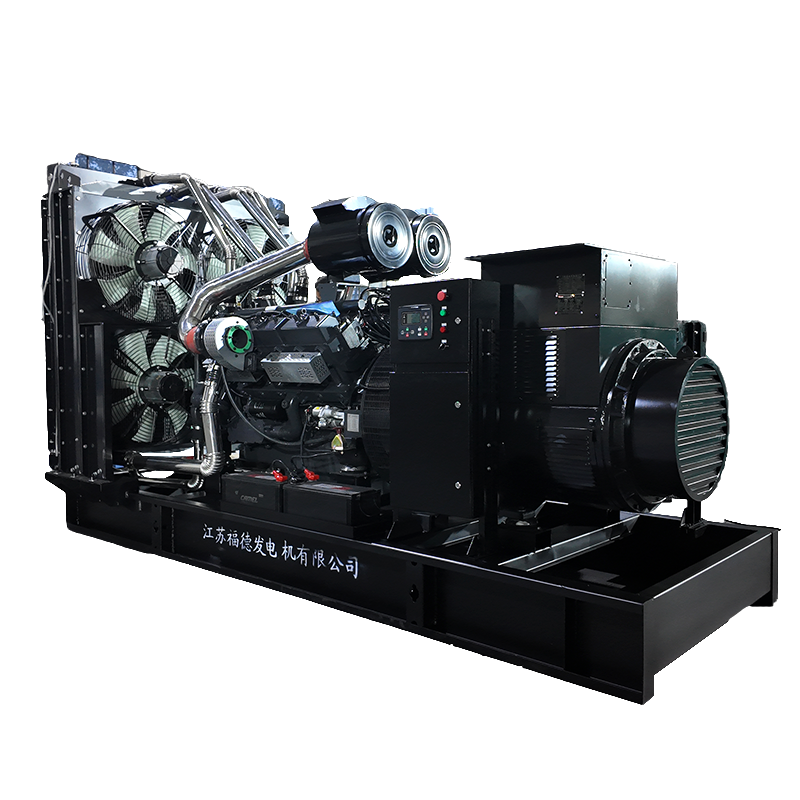
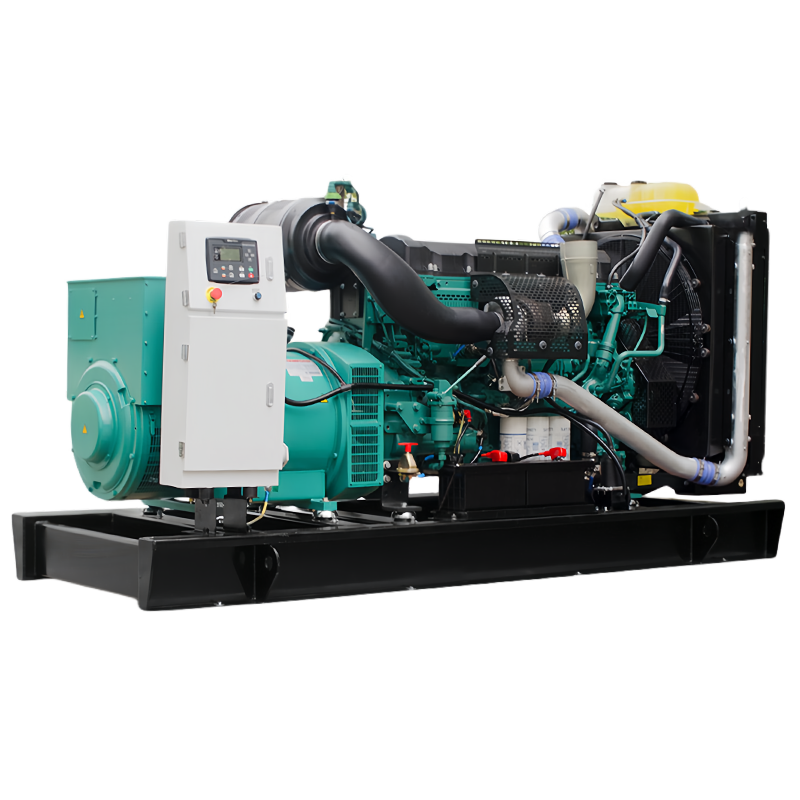
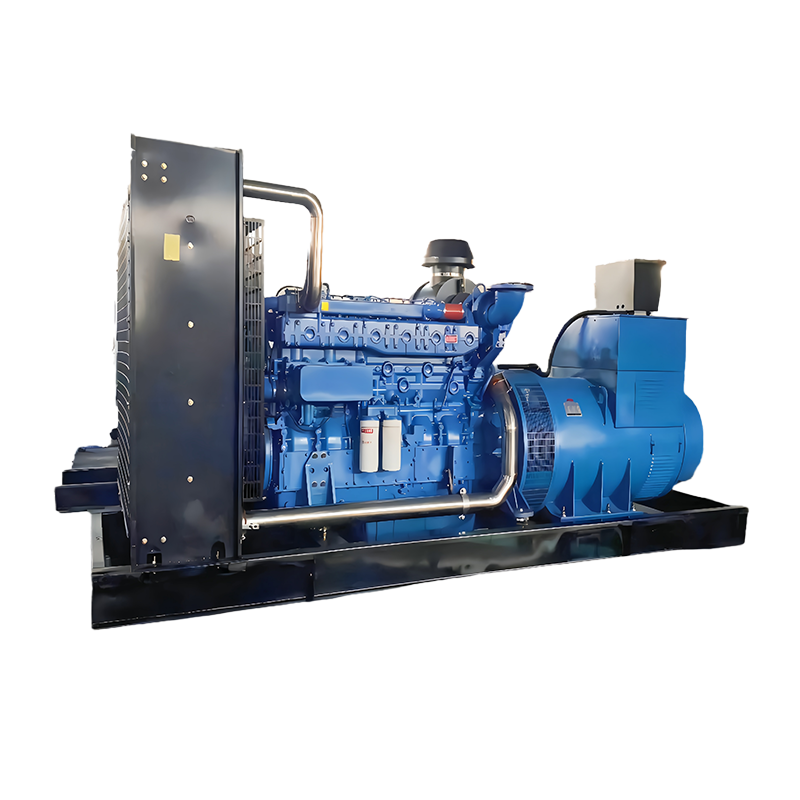 Open Frame Diesel Generator Sets with Broad Power RangeExplore a wide selection of open-frame generators from 10 to over 3000 kVA, suitable for construction, camping, and industrial applications, with customization options.View Product →
To avoid guesswork, our step-by-step generator sizing guide explains how to total running watts, add starting watts, and pick a safe capacity.
Is 20kW the Right Size for You?
20kW is a versatile size. It can back up a large home, power a small business, support a construction site, or serve as a mobile power station for events. The question is not whether 20kW is "a lot," but whether it fits your peak demand.
We often see customers decide on 20kW because they want margin. They may need 12kW now, but they know an air conditioner or a water heater can add 5kW in an instant. Others start smaller and upgrade after realizing their motors surge beyond their first generator's capacity.
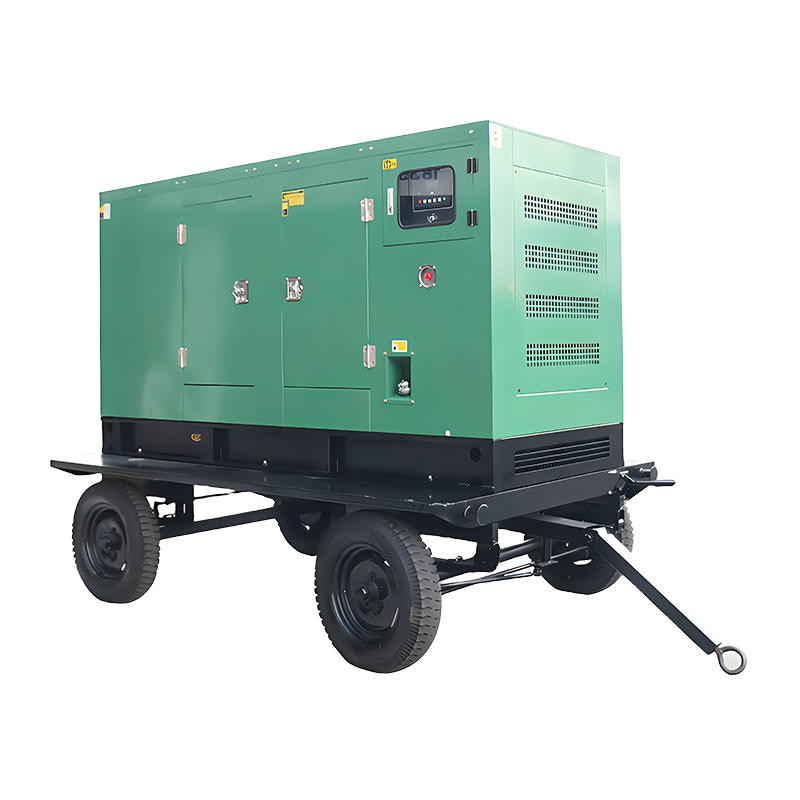
For rental fleets and outdoor work, the housing matters as much as the kilowatt rating. A mobile-silent diesel generator set combines a soundproof canopy with a road-towable frame, which keeps noise down on site and makes it easy to reposition. That is why these sets are popular for events, film crews, and temporary industrial work.
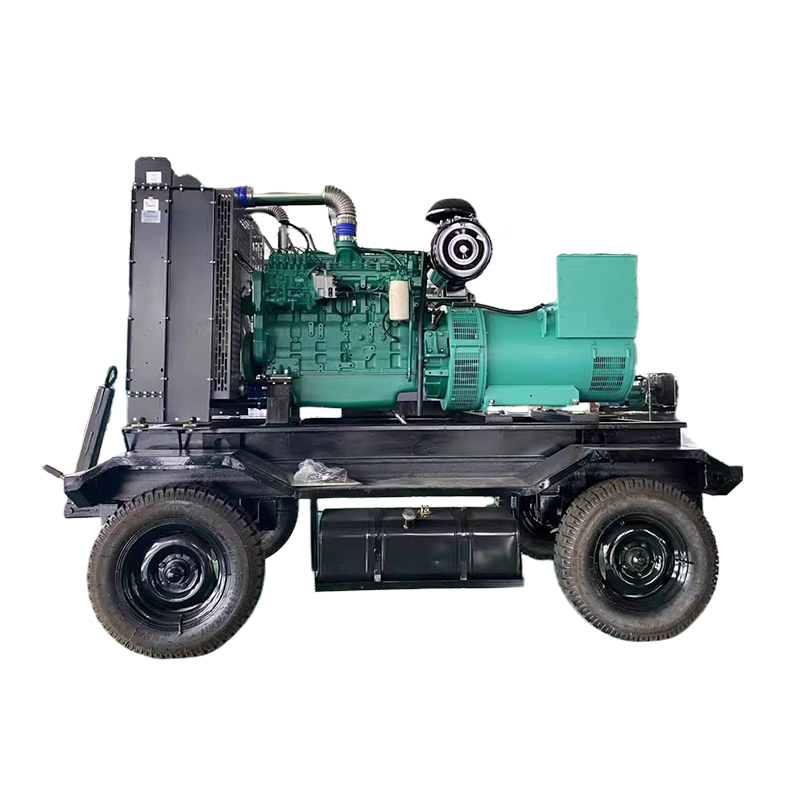
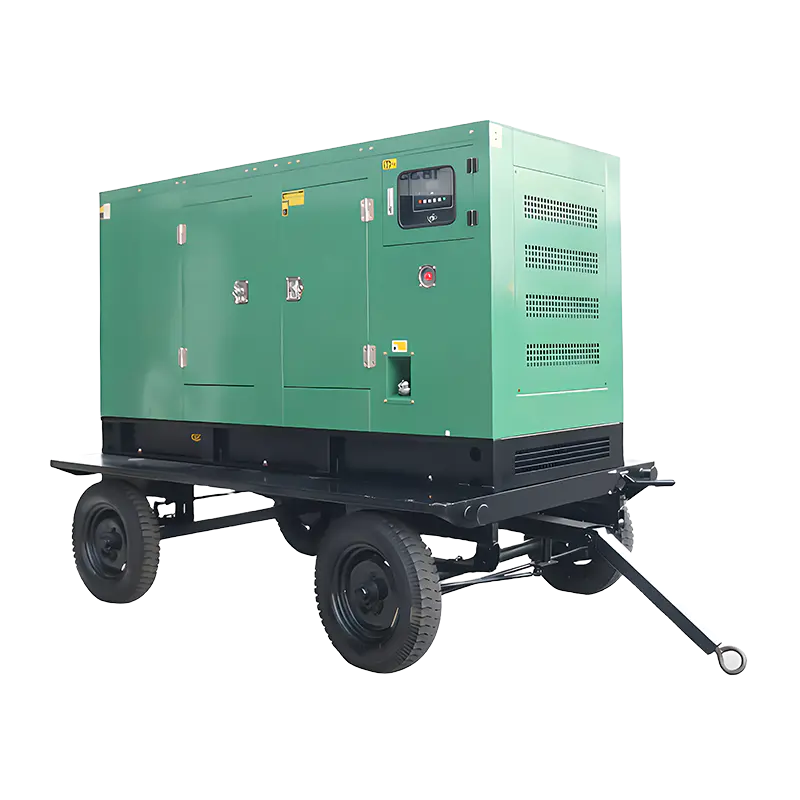 Mobile Silent Diesel Generators for Portable, Quiet PowerThese trailer-mounted, soundproofed generators offer low noise and easy transport, perfect for events, film crews, and temporary industrial sites across multiple power ratings.View Product →
Talk With Someone Who Builds Generators
A spec sheet can tell you that 20kW equals 20,000 watts, but it cannot tell you how your specific loads will behave on a generator. As a manufacturer, we have seen the difference between a theoretical load list and a real starting surge on site.
If you are still asking how much power 20kW can cover for your own project, the most useful next step is to make a list of what you want to run and discuss it with a supplier who can match the set to the application. That is exactly the kind of conversation we enjoy having with customers.
Related Products

-
Xiaoji Town, Jiangdu District, Yangzhou City, Jiangsu Province, China
-
8618944498005
-
+86-18652407919
-
+86-0514-86593686
Copyright © Jiangsu Ford Generator Co., Ltd.
