




 English
 Español
 عربى
How Much Load Can a Generator Handle? Sizing, Safety and Practical Tips
Oct 27, 2026
Content
One of the most common questions we hear from customers is: how much load can a generator handle? The short answer is that it depends on the generator’s rated output, the type of load, and how long you need to run. In this guide, we will explain the key concepts in plain language, so you can confidently choose and operate a diesel generator for your site.
What Does Load Mean for a Generator?
Load is the total electrical power consumed by every connected device at any moment. For a diesel generator, this load is measured in watts or kilowatts. You will often see generator ratings in both kVA and kW because the alternator is rated in apparent power, while the engine output is expressed in real power. For practical load planning, kW is the number you will use most often when asking how much load a generator can handle.
Every generator has a rated capacity that assumes certain operating conditions. At our factory in Jiangsu, we rate each set according to standard industry practice, which means the unit can carry its full nameplate load only for limited periods. For continuous duty, experienced operators keep the load at or below 80% of the rated capacity. That margin protects the engine, extends service life, and leaves room for temporary surges.
Running Watts vs. Starting Watts
The most common mistake in load planning is ignoring starting watts. Running watts are the steady power a device needs to keep working after it has started. Starting watts are the extra surge required to start motors, compressors, and pumps. A refrigerator may run on 250W, but its compressor can draw 700W or more for a few seconds. If you size a generator based only on running watts, you may overtax it every time a motor kicks in.
Add the running watts of everything you intend to switch on simultaneously. Then add the largest single starting-watt surge. If several motors start at the same time, add those surges together as well. The result is the minimum amount of load your generator must be able to handle.
How to Calculate the Safe Load for Your Generator
Here is a straightforward method that works for homes, businesses, and job sites.
- List every appliance or device you need to power.
- Find the running watts on the nameplate or in the product manual.
- Estimate the starting watts for motor-driven equipment.
- Add the total running watts plus the largest starting surge.
- Multiply by 1.25 to arrive at a generator size that leaves the recommended 20-25% margin.
| Equipment | Running Watts | Starting Watts |
|---|---|---|
| LED lighting, 10 bulbs | 200 | 200 |
| Refrigerator-freezer | 250 | 700 |
| Microwave oven | 1,000 | 1,000 |
| Sump pump, 1/2 HP | 800 | 1,500 |
| 1.5 HP air compressor | 1,500 | 4,500 |
| Electric water heater | 4,000 | 4,000 |
| Central AC, 2.5 tons | 3,500 | 8,000 |
From the table, a home backup load consisting of lighting, refrigerator, microwave, and a sump pump would total about 2,250 running watts. Adding the largest surge of 1,500W gives 3,750W. Multiplying by 1.25 gives 4,687W, so a 5kW to 6kW generator would be a reasonable choice. If central AC is added, the 8,000W starting surge changes the picture completely. This is why we encourage customers to use real appliance nameplate values instead of guessing.
For a deeper walkthrough of the process, our detailed step-by-step sizing guide covers the same calculation with more examples and helps you avoid common sizing mistakes.
Real-World Factors That Change the Answer
Even after you calculate the load, a generator’s practical capacity can be lower than its nameplate rating. The main factors we tell customers to watch include:
- Altitude: Thinner air reduces combustion efficiency, so the higher the installation site, the more derating is needed.
- Temperature: High ambient heat reduces the cooling system’s ability to dissipate heat. Always install the unit where airflow is adequate.
- Power factor: If the connected load has a poor power factor, the alternator may limit the usable kW before the engine reaches its full output.
- Fuel quality and maintenance: Dirty filters, stale fuel, and worn injectors reduce available power more gradually than most people expect.
- Continuous running: A set that is already warm and loaded for hours should never be pushed to 100% for extended periods.
On a hot day at a mountain site, a new open-frame unit may handle 15% less than its nameplate. Planning around these real-world conditions will save you from brownouts, nuisance trips, and premature engine wear.
Matching Generator Load to Your Application
Choosing the right generator is not just about watts; it is also about how the machine will be placed, serviced, and heard. Here is how we guide customers through that decision.
Industrial Sites and Heavy Motor Loads
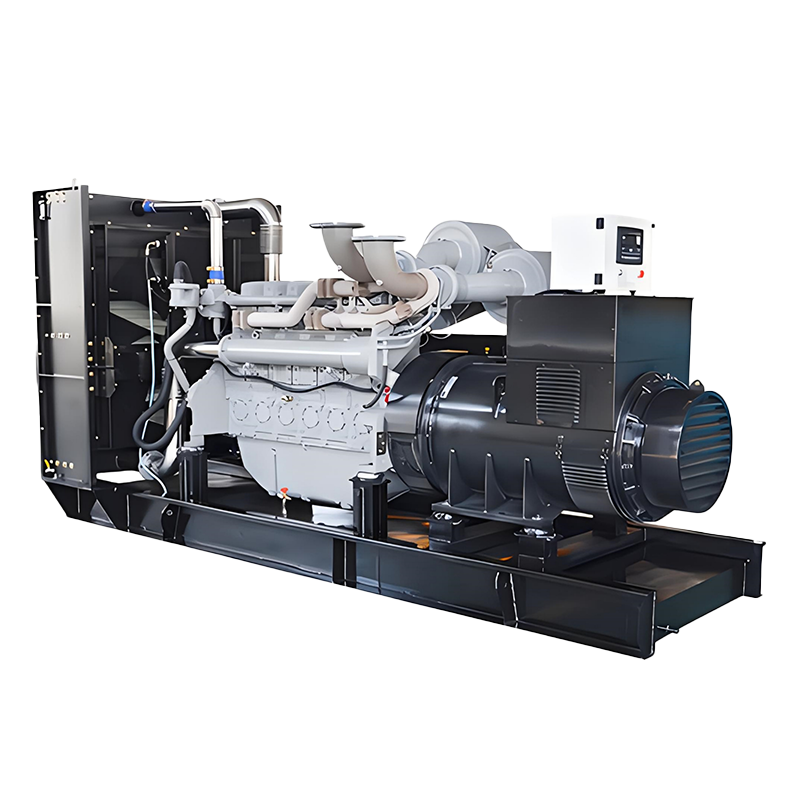
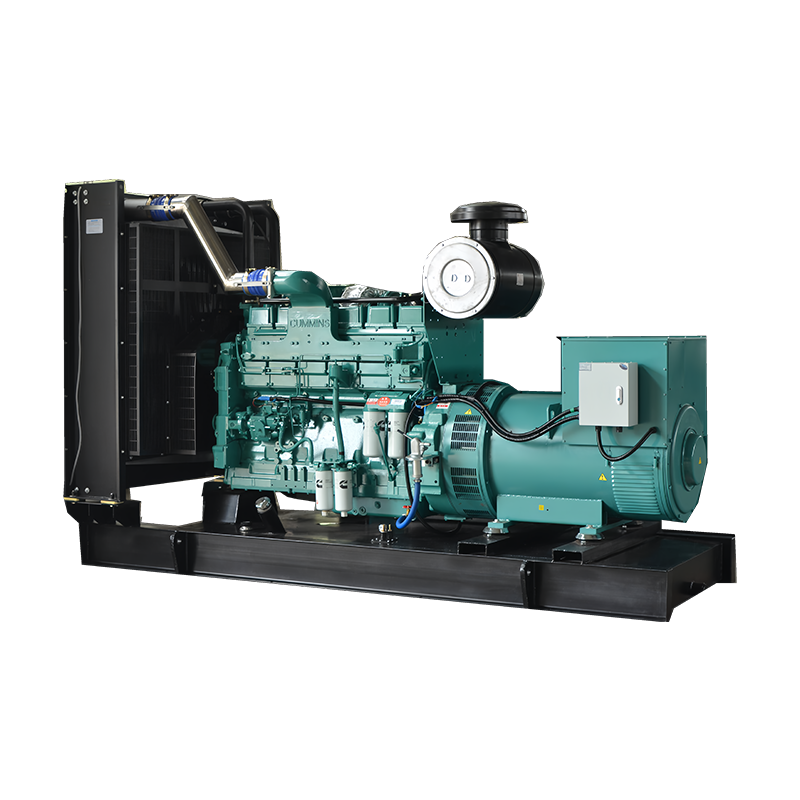
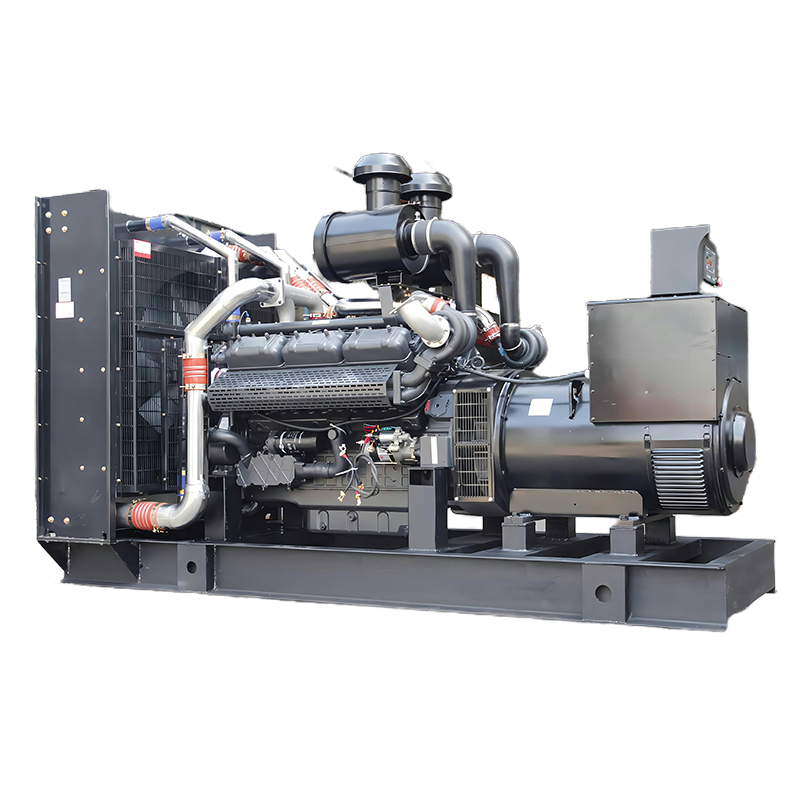
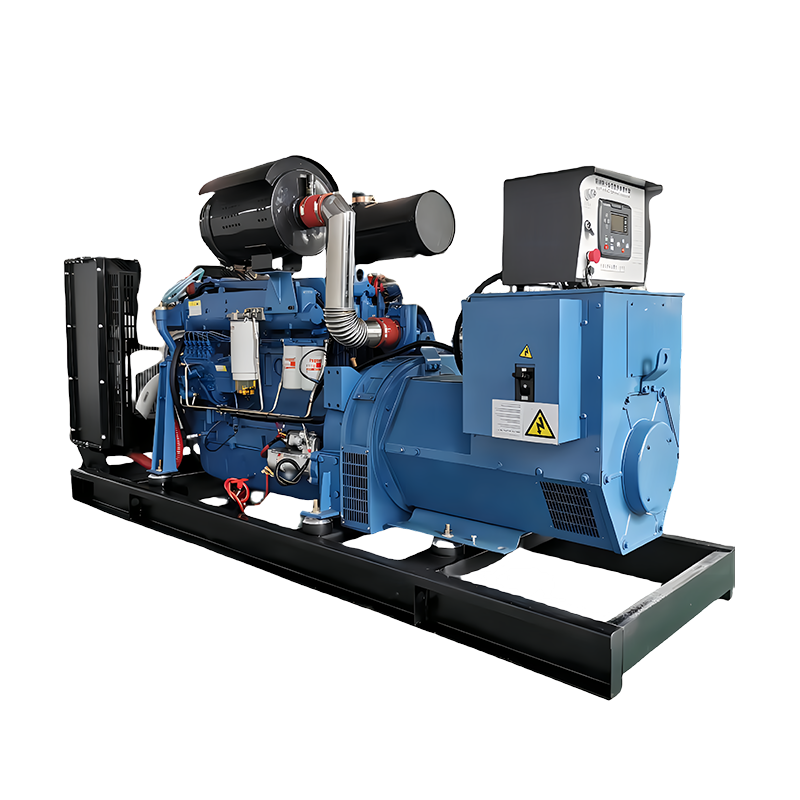
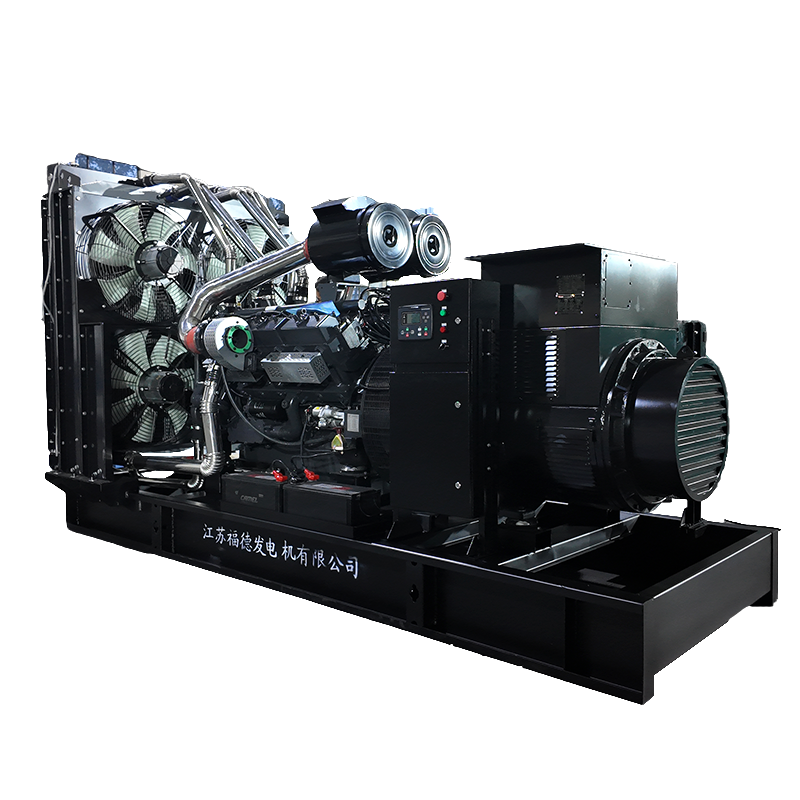
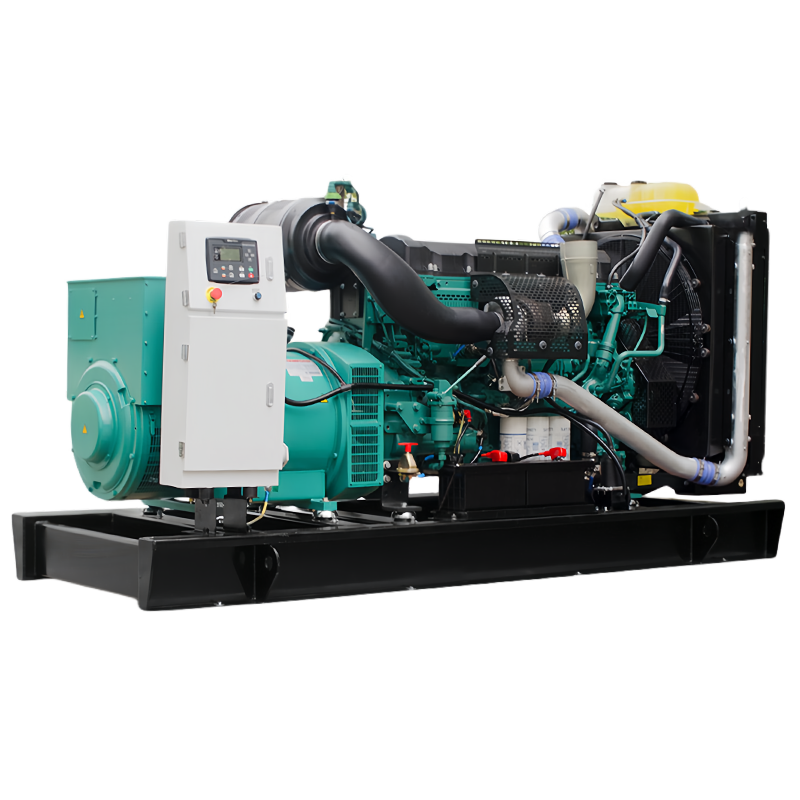
Factory floors, mines, and construction sites often have large motors, welders, and heating equipment. These loads have high starting surges, and the units are usually kept in an open or dedicated area. Open-frame diesel generators deliver maximum power density, are easier to inspect, and can be connected directly to heavy switchgear.
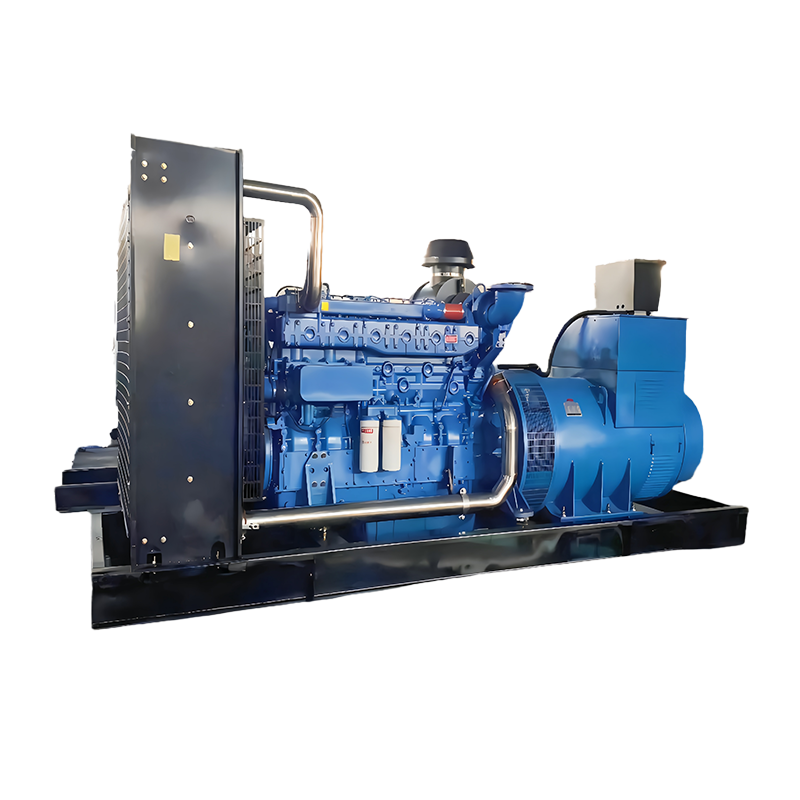 Open-Frame Diesel Generator Sets for Heavy-Duty Industrial ApplicationsDesigned for high starting surge loads, open-frame units deliver maximum power density and easy maintenance, ideal for factories, mines, and construction sites.View Product →
Commercial Buildings and Quiet Neighbourhoods
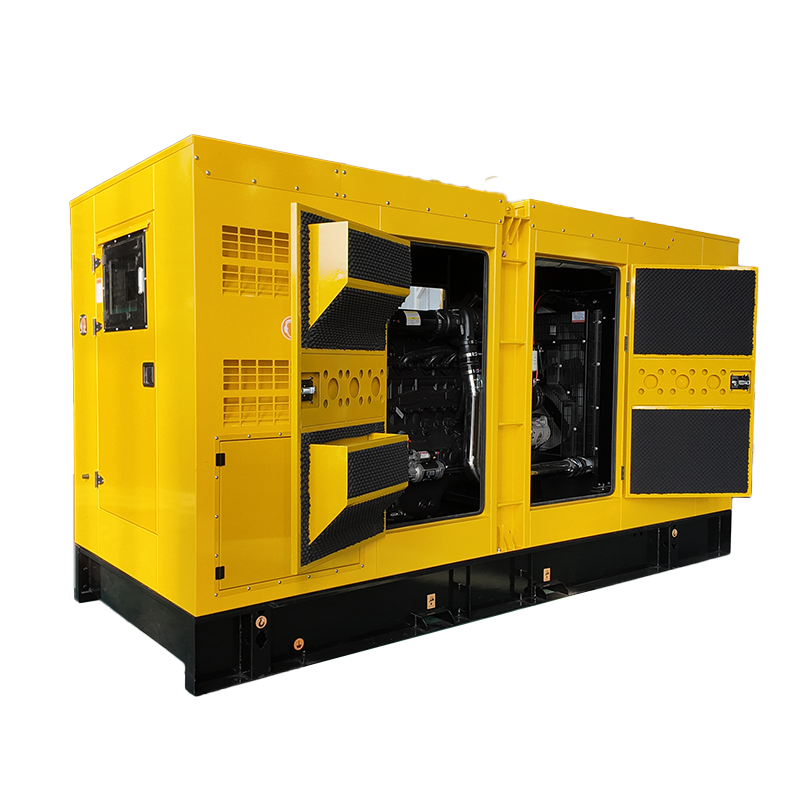
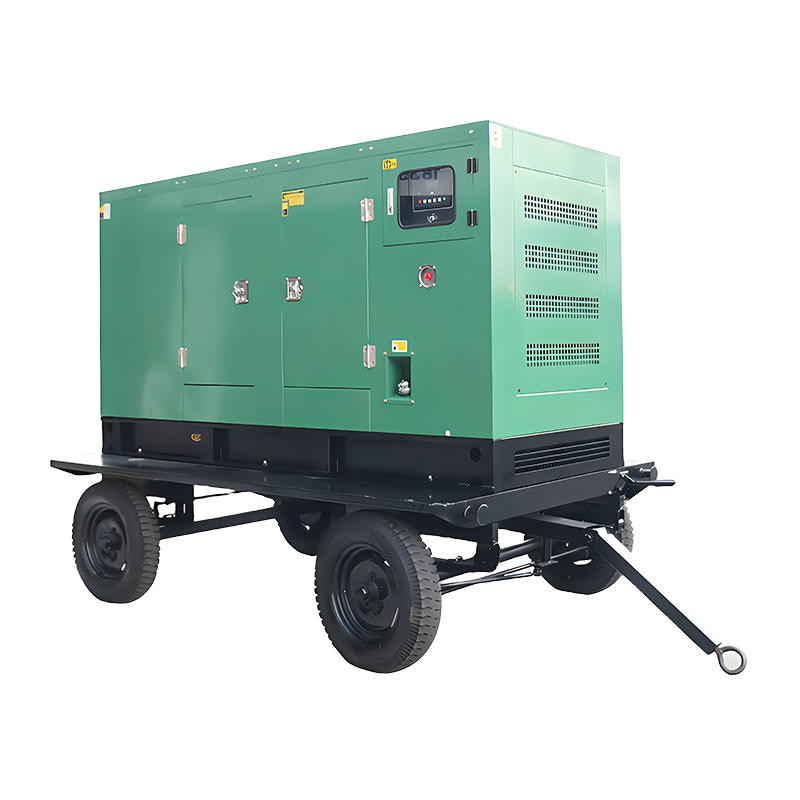
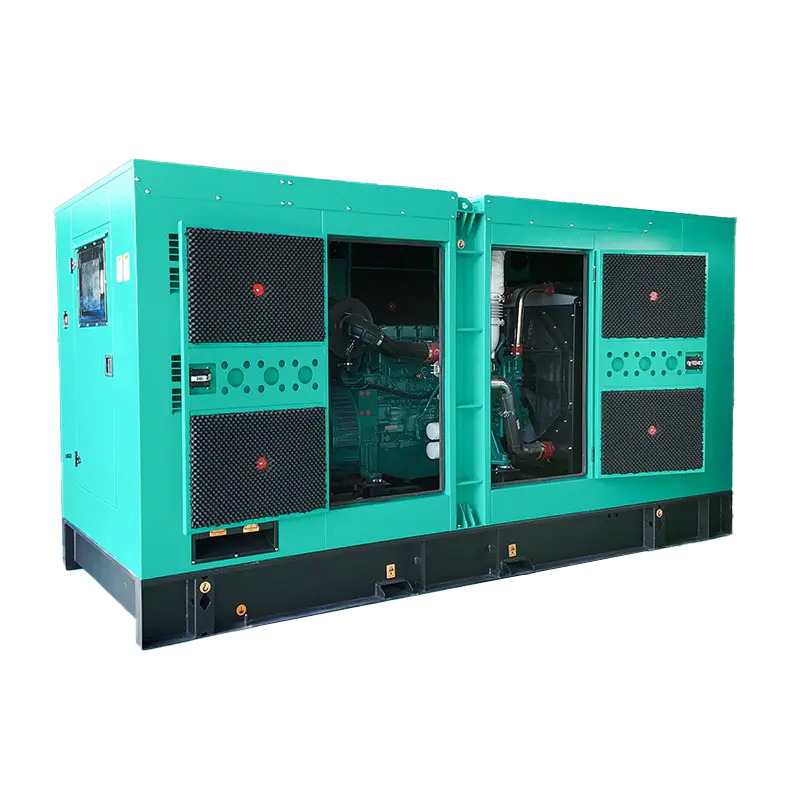
Hotels, clinics, and residential customers need reliable backup without excessive noise. Silent-type diesel generator sets enclose the engine in a sound-attenuated canopy. This reduces noise and protects the unit from weather, while still providing enough load capacity to handle critical systems.
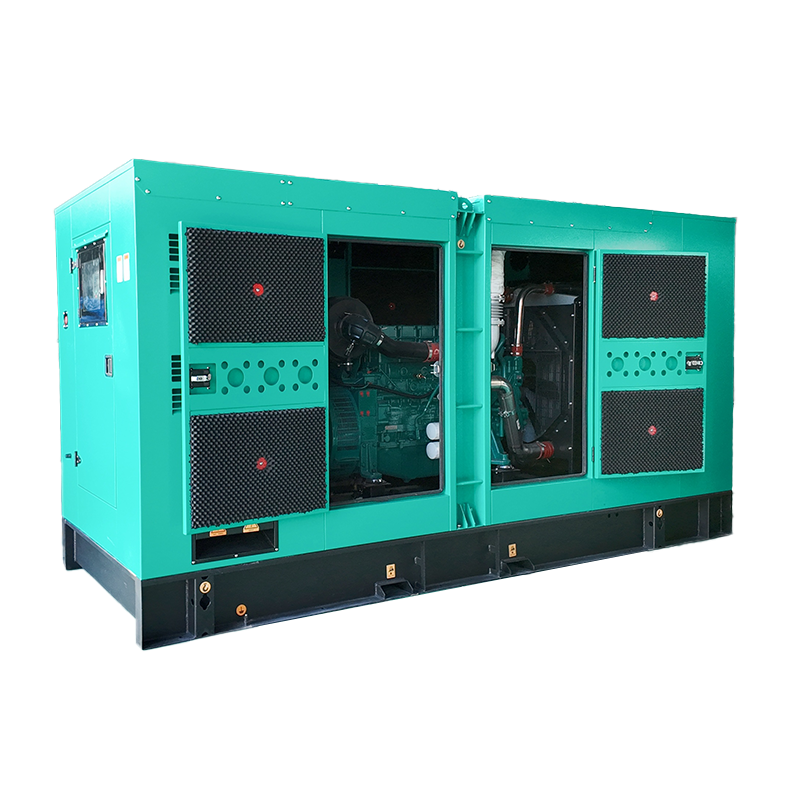 Silent Diesel Generator Sets for Noise-Sensitive EnvironmentsSound-attenuated canopies reduce noise and weather exposure, making these units reliable backup for hotels, clinics, and residential buildings without extra room construction.View Product →
High-Capacity and Remote Site Power
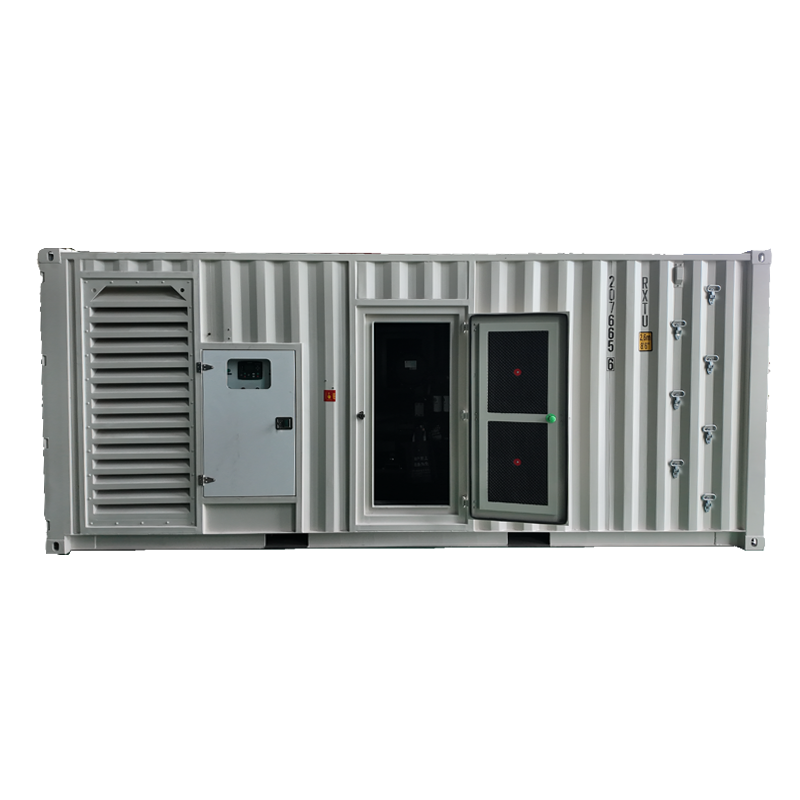
For main power at a quarry, construction camp, or electrical substation, a container-type diesel generator set offers a built-in weatherproof housing that can be transported as a single module. Units like this are often used for prime power, where applying the 80% continuous load rule is essential to avoid unplanned downtime.
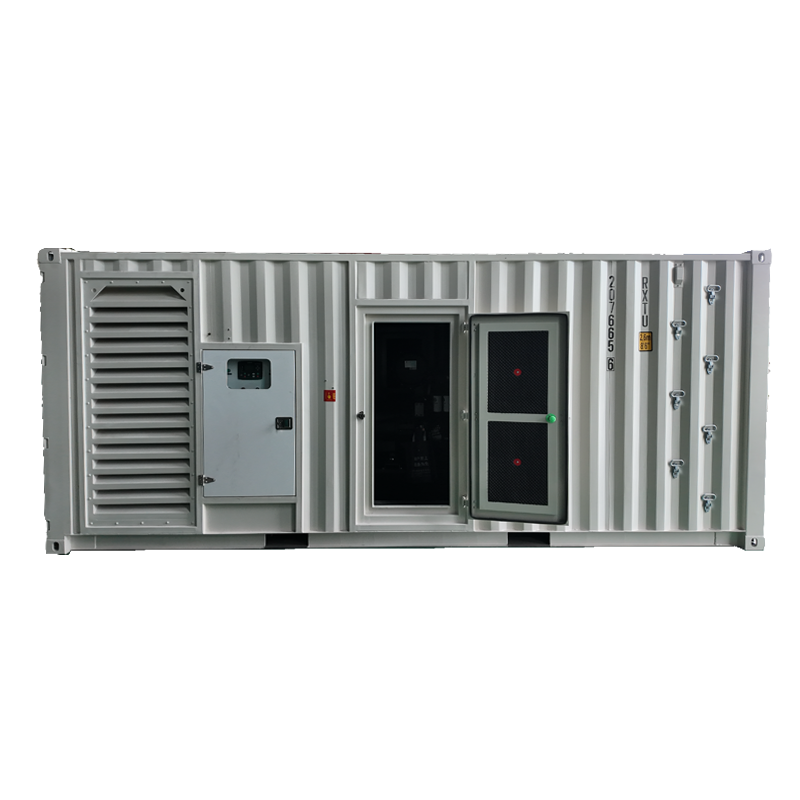 Containerized Diesel Generator Sets for Modular Prime PowerBuilt-in weatherproof housing and modular design enable easy transport and installation, supporting prime power applications with the 80% continuous load rule.View Product →
Run Generators Within Their Comfort Zone
At Jiangsu Ford Generator, we have spent more than 26 years matching diesel generators to real-world loads. The best rule we can offer is simple: treat rated capacity as a ceiling, not a normal operating point. Plan for 80% of rating on continuous loads, account for starting surges, and derate for altitude, temperature, and duty cycle.
If you want a second opinion on your load list, our engineers are happy to review it. You can also browse our generator sets to see how properly sized machines are built for dependable, long-term service.
Related Products

-
Xiaoji Town, Jiangdu District, Yangzhou City, Jiangsu Province, China
-
8618944498005
-
+86-18652407919
-
+86-0514-86593686
Copyright © Jiangsu Ford Generator Co., Ltd.
