




 English
 Español
 عربى
how much to install generator transfer switch: Practical Applications, Selection
Oct 22, 2026
Content
- 1 What Is a Transfer Switch and Why Does It Matter?
- 2 Transfer Switch Cost by Type
- 3 What Affects Installation Labor Costs
- 4 Manual vs. Automatic: Which One Is Worth the Price?
- 5 Permits, Inspections, and Other Real Costs
- 6 DIY vs. Hiring a Professional
- 7 How to Budget for the Whole Backup System
- 8 Final Thoughts
When the power goes out, a backup generator changes from a purchase on paper to the most important machine on your property. But a generator only becomes useful when its power can reach your circuits safely, and without putting anyone at risk. That is where the transfer switch comes in. For many homeowners and facility managers, the question quickly becomes how much to install a generator transfer switch will really cost.
The honest answer is that it depends on several variables: the type of switch, the capacity of your electrical system, local labor rates, and whether you choose a simple manual unit or a fully automatic setup. In this guide, we break down each cost component so you can plan with confidence. Along the way, we have kept the advice practical, drawing on years of experience around diesel generator installations in homes, businesses, and industrial sites.
What Is a Transfer Switch and Why Does It Matter?
Before looking at price tags, it helps to understand what this device does. A transfer switch is a safety component that controls how electricity flows between your main utility supply and your generator. When the grid fails, the switch disconnects your property from the utility lines and connects it to the generator. When utility power returns, it switches back automatically or manually, depending on the design.
Without a transfer switch, a generator connected directly to household wiring can backfeed power through the utility line. That creates a live-wire risk for utility workers and can also damage the generator. Once the safety purpose is clear, the cost of the switch starts to look like a very reasonable investment.
Transfer Switch Cost by Type
The biggest variable in your total is the type of switch you choose. Manual transfer switches require you to walk over and flip a handle when the power goes out. Automatic transfer switches detect the outage and start the switching process on their own.
| Transfer Switch Type | Equipment Cost (USD) | Typical Role |
|---|---|---|
| Manual transfer switch | $200 – $500 | Residential, smaller loads, budget-friendly |
| Automatic transfer switch | $400 – $2,000+ | Whole-home backup, business continuity |
| Sub-panel transfer switch | $150 – $400 | Selected circuits only |
These figures cover the switch itself, not the labor or the minor materials needed to wire it in. Capacity rating also matters: a 100-amp switch costs noticeably less than a 200-amp model, and that difference is worth keeping in mind when you compare quotes.
What Affects Installation Labor Costs
Equipment is only half the story. Labor is often the bigger line item, and it varies from one market to the next. When an electrician prepares a quote, a few factors tend to dominate the calculation:
- Panel capacity: Older panels or panels without spare breaker space may require a sub-panel or a service upgrade, adding $200 to $800 or more.
- Circuit selection: If you only want dedicated circuits like the refrigerator, furnace, or well pump to run on generator power, the setup is simpler than a whole-home transfer.
- Accessibility: A panel in a tight basement or a generator located far from the main panel means longer wire runs, which increases both materials and labor.
- Local rates: Electrician labor typically runs from $75 to $150 per hour, and a standard installation can take four to eight hours.
When you combine the switch, labor, and minor materials like conduit, wire, and connectors, the total for most residential installations lands between $500 and $2,500. Larger commercial systems naturally climb higher, especially when automatic transfer switches are involved.
Manual vs. Automatic: Which One Is Worth the Price?
A manual switch costs significantly less, and for many homeowners the savings are worthwhile. You simply connect the generator, start it, and flip the switch. The main disadvantage is that someone has to be present to do it. If an outage happens while the premises are empty, the generator will not come on by itself.
An automatic transfer switch adds sensors, a control panel, and often a startup signal to the generator. It monitors utility power constantly and decides when to switch. That is why automatic switches are the standard choice for businesses, medical facilities, and homes where an extended outage is a serious concern. The convenience and reliability are usually worth the extra cost.
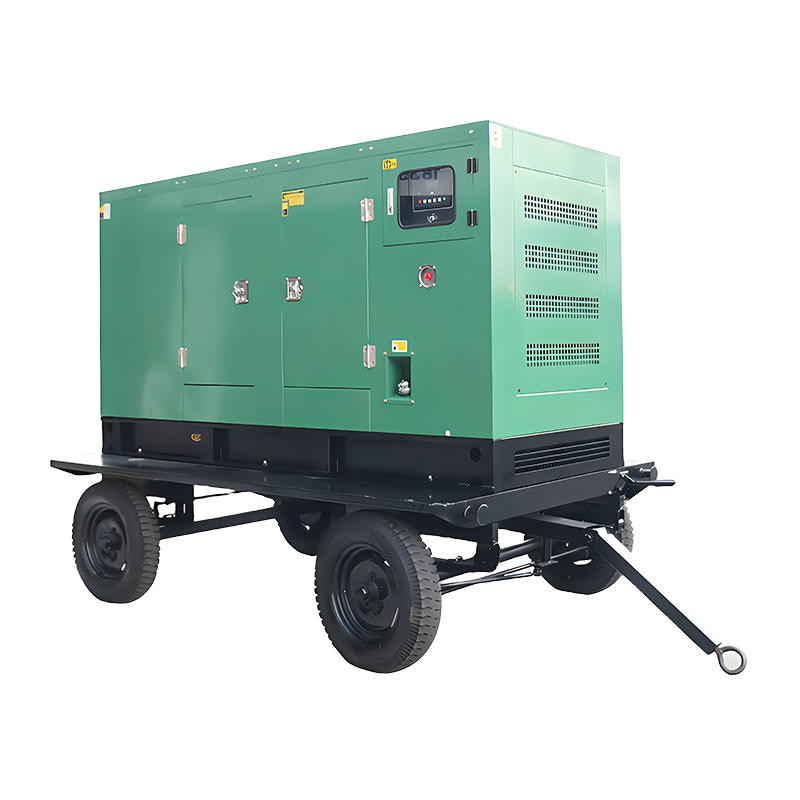
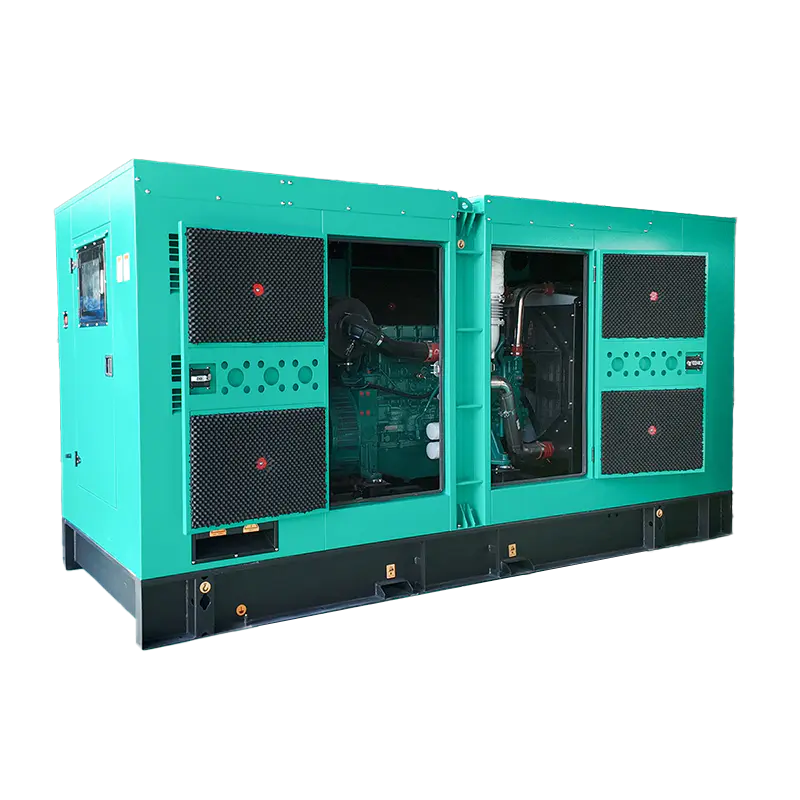
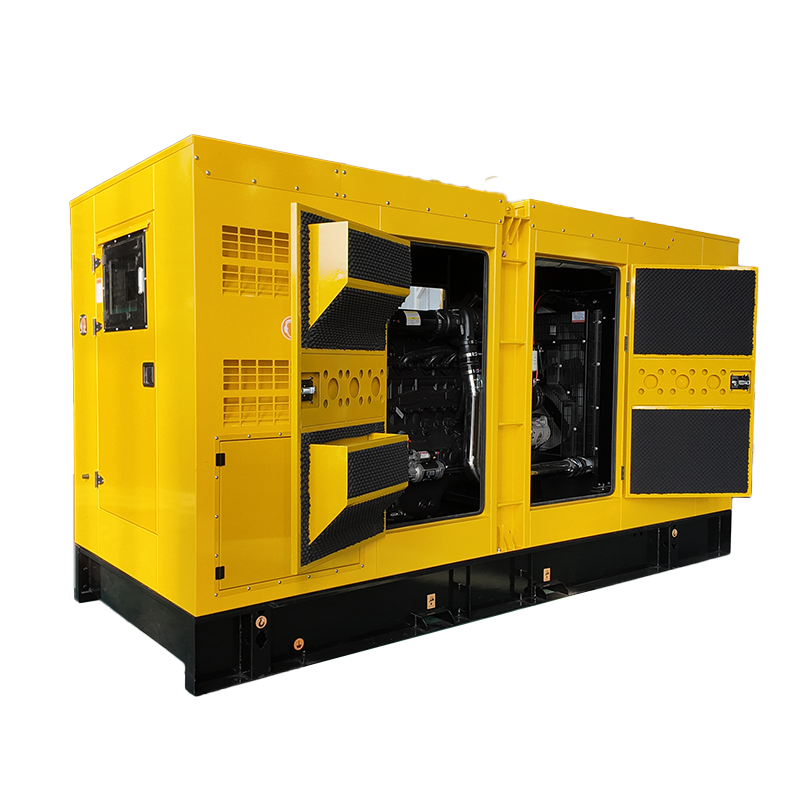
If you are still deciding, list which loads must keep running during an outage. A manual switch on a few key circuits keeps the budget low while still covering the essentials. And if you are building a hands-off automatic setup, pairing it with a quiet-running silent-type diesel generator set makes the whole system far more comfortable, especially in residential areas.
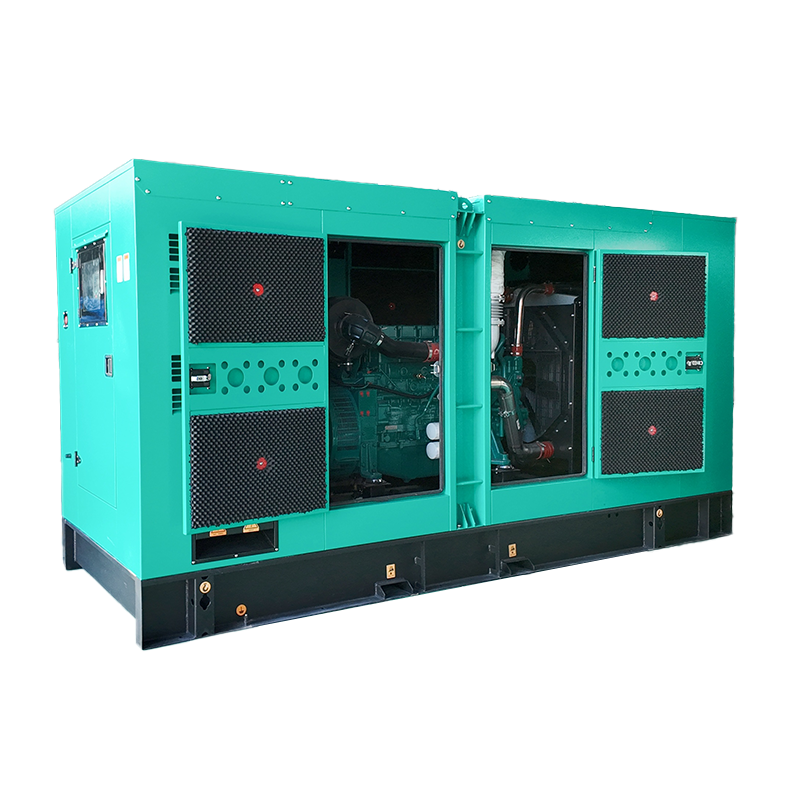 Silent-Type Diesel Generator Sets for Low-Noise Backup PowerEnclosed and soundproofed for noise-sensitive areas like hospitals and homes, these sets pair well with automatic transfer switches for hands-off outage coverage.View Product →
Permits, Inspections, and Other Real Costs
Local building codes generally require a permit for transfer switch installation because the job involves modifying your electrical service. Permit fees typically range from $50 to $300 depending on your municipality, and you may also need an inspection before the work is approved.
That can feel like an unnecessary expense, but it protects you in two ways: it ensures the work meets code, and it keeps your insurance valid in the event of a fire or electrical fault. In our experience, the inspection is quick and gives real peace of mind. This is also the right moment to confirm that the transfer switch rating matches your generator's output. If you are still choosing the generator itself, our step-by-step guide to sizing a diesel generator can help you avoid expensive mistakes.
DIY vs. Hiring a Professional
We should be direct: a transfer switch is not a beginner-level DIY project. It involves working directly on your main breaker panel, grounding, neutrals, and potentially high-current paths. Mistakes can be expensive and dangerous.
That said, some homeowners with strong electrical experience purchase the switch themselves and hire an electrician for the final connection. Transfer switches are relatively affordable as components, so buying your own unit and paying only for labor can save a little money. Just confirm that your electrician accepts customer-supplied equipment and that the switch model meets local code.
How to Budget for the Whole Backup System
The transfer switch does not exist in isolation. Your budget will be easier to manage if you look at the entire backup power picture together. A few suggestions come from our years in the industry:
- Size the generator first: A transfer switch must match or exceed the generator's rated current. An oversized or undersized switch causes unnecessary problems later.
- Bundle your purchase: If you are buying a new generator, ask whether the package includes or discounts a compatible transfer switch.
- Choose a generator brand you can rely on: Maintenance and support matter over the long run, not just on day one.
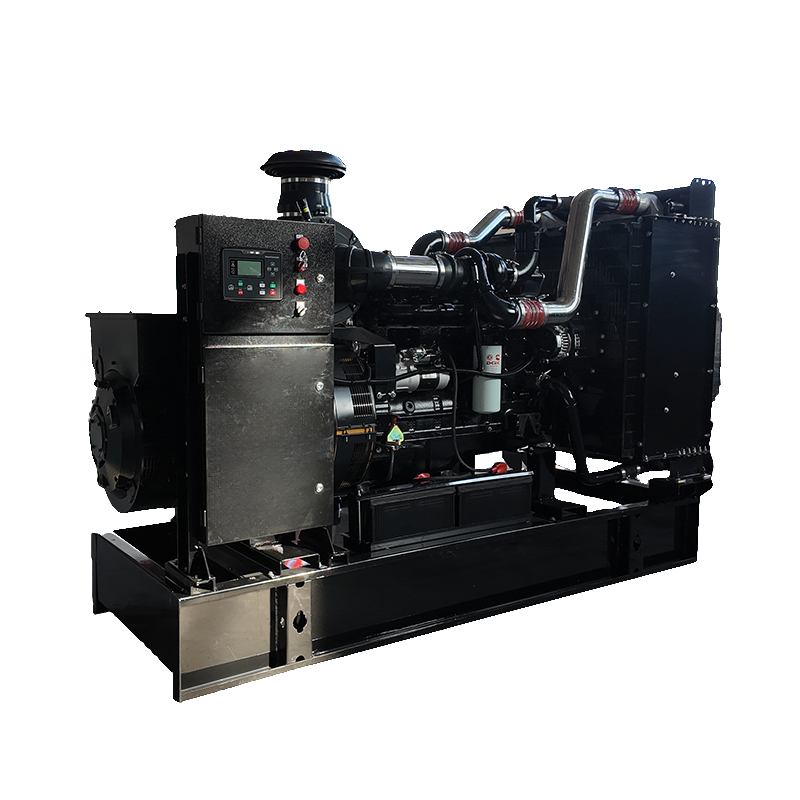
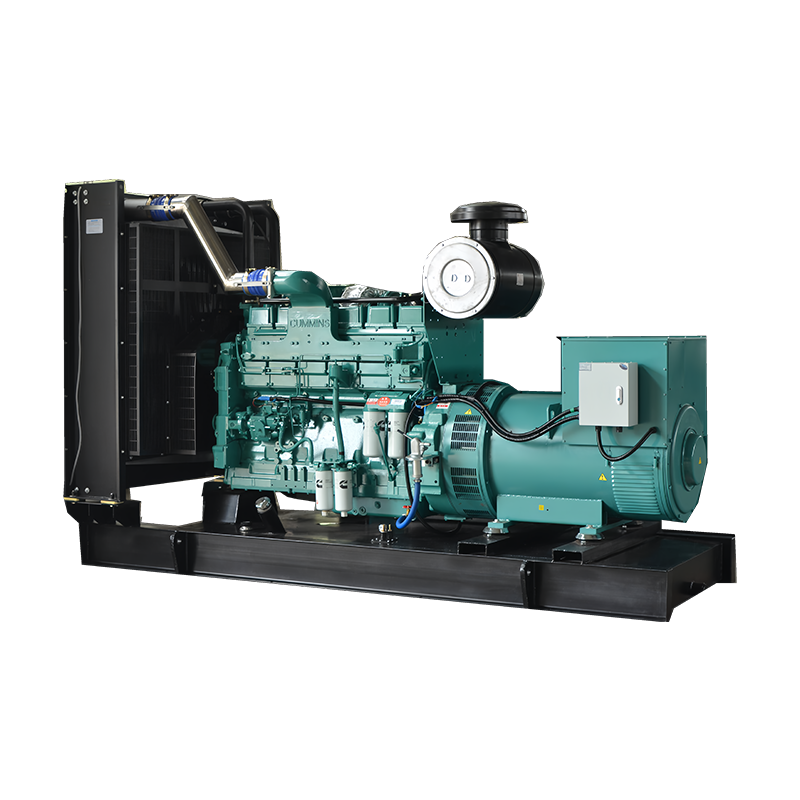
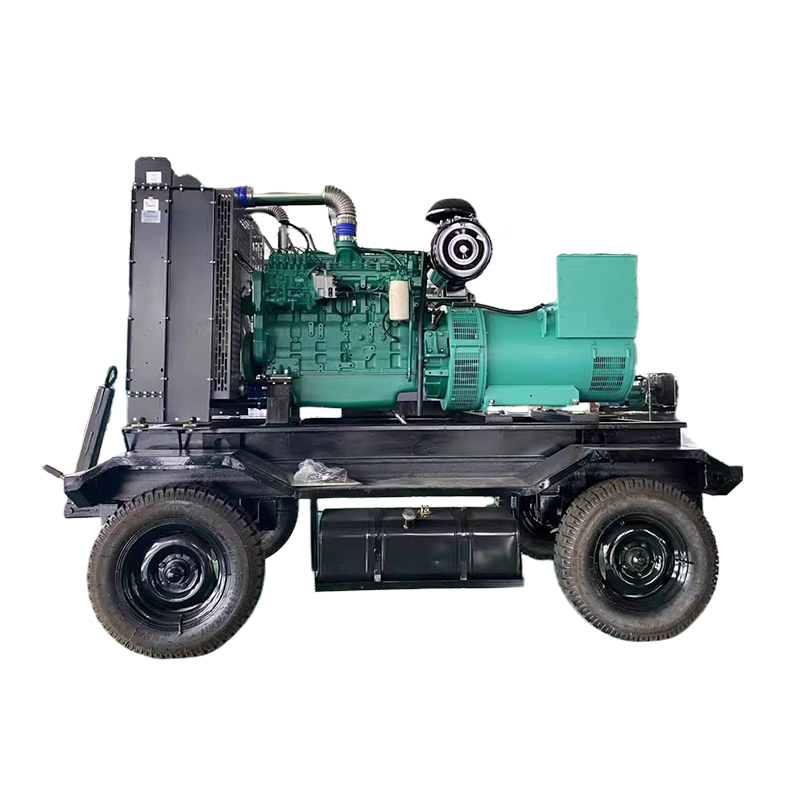
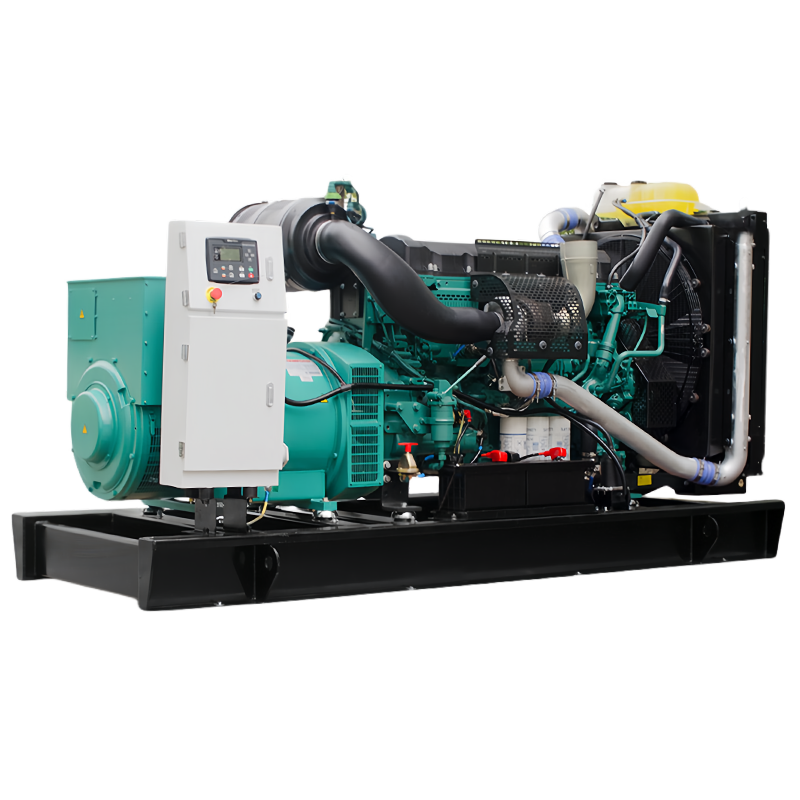
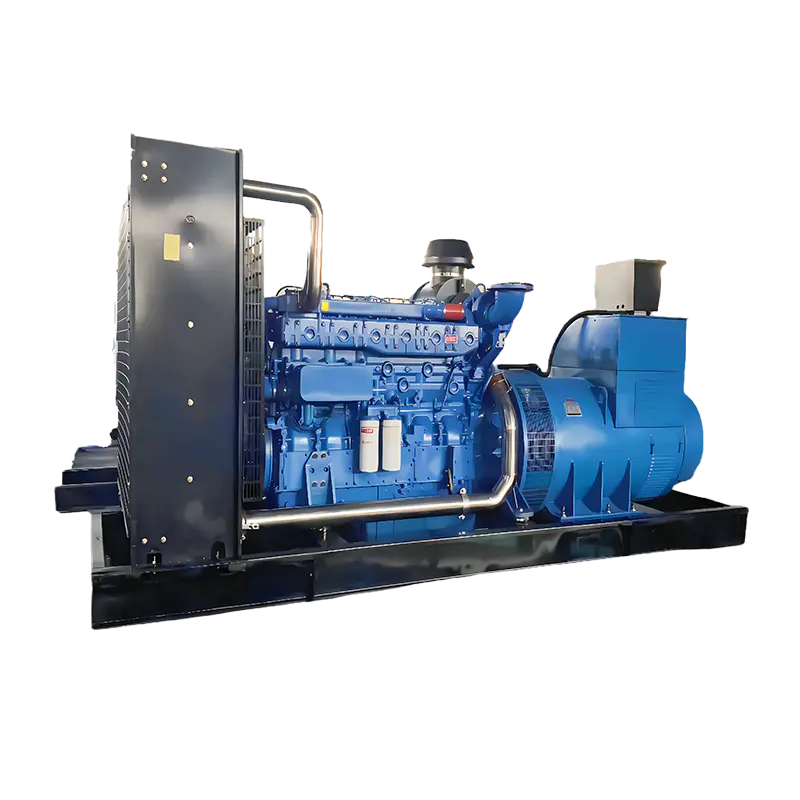
For whole-building backup, our open-frame diesel generator sets offer a straightforward and flexible solution that pairs easily with a matching transfer switch and gives you serious power when the grid drops.
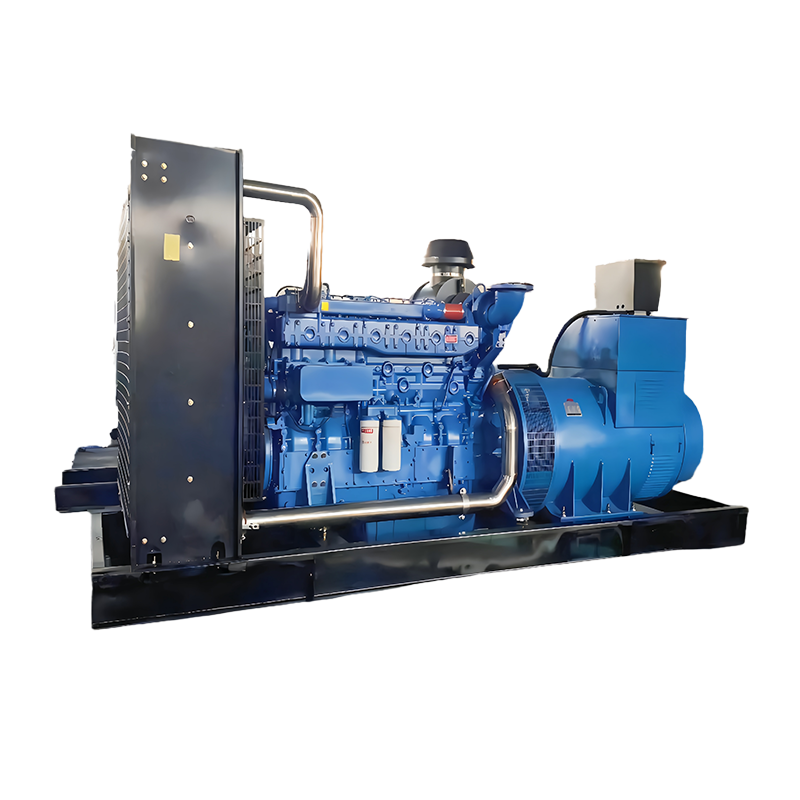 Open-Frame Diesel Generator Sets for Flexible Whole-Building PowerThese versatile open-frame units are easy to transport and maintain, and they integrate with any transfer switch for dependable emergency backup.View Product →
Final Thoughts
The cost to install a generator transfer switch is a small fraction of the total investment in a backup power system, and it is precisely the part that makes the whole system safe and legal. Whether you choose a modest manual switch for a few circuits or a full automatic system that protects your business overnight, this expense protects everything else in the setup.
If you are planning a new generator installation or upgrading an existing one, take the time to price both components together. A correctly matched transfer switch protects your equipment, your property, and the people who depend on you for uninterrupted power. If you want to explore generator options that work well with transfer switches, start on our homepage and browse the product range, or reach out to our team for guidance.
Related Products
Related News

-
Xiaoji Town, Jiangdu District, Yangzhou City, Jiangsu Province, China
-
8618944498005
-
+86-18652407919
-
+86-0514-86593686
Copyright © Jiangsu Ford Generator Co., Ltd.
