




 English
 Español
 عربى
How to Calculate Diesel Generator Efficiency: Formula, Steps, and Tips
Oct 20, 2026
Content
- 1 What Does Efficiency Mean for a Diesel Generator?
- 2 The Basic Formula for Diesel Generator Efficiency
- 3 How to Measure the Inputs
- 4 Worked Example: Calculating Efficiency from Real Readings
- 5 Factors That Affect Real Efficiency
- 6 Generator Set Types and Efficiency Considerations
- 7 Practical Tips to Improve Efficiency
Every generator owner wants to know one thing: is my set running efficiently? Efficiency determines not only operating cost, but also the environmental footprint and long-term reliability. In this guide, we walk through how to calculate diesel generator efficiency, explain the variables that matter, and show how to turn the results into better decisions.
What Does Efficiency Mean for a Diesel Generator?
Efficiency is the ratio between the electricity your generator produces and the energy contained in the fuel it consumes. In simple terms, it tells you how much of the fuel’s energy is converted into usable electrical power instead of heat, noise, and exhaust. A typical diesel generator set converts only 30 to 45 percent of the fuel’s energy into electricity. The rest leaves the engine as heat in the cooling system, exhaust gases, and mechanical losses. That may sound low, but it is normal for internal combustion engines. Knowing where that energy goes is the first step toward reducing waste and lowering fuel costs.
The Basic Formula for Diesel Generator Efficiency
Before you start measuring, you need a consistent formula. Use the expression below once all inputs are in matching units.
Efficiency (%) = (Output Power (kW) × 100) / (Fuel Consumption (kg/h) × Diesel LHV (kWh/kg))
The output power is the real electrical power measured at the generator terminals, in kilowatts. The fuel consumption is the mass of diesel burned per hour, in kilograms per hour. The lower heating value (LHV) is the amount of heat released when one kilogram of diesel burns completely. For standard diesel, LHV is usually between 11.8 and 12.0 kWh/kg. If your supplier provides a fuel analysis certificate, use the exact figure instead of the default. If you only know the apparent power in kVA, multiply it by the generator’s power factor to get active power in kW. Most three-phase generators operate with a power factor between 0.8 and 1.0. Using apparent power instead of active power will overstate efficiency, so always use real power.
| Variable | Symbol | Unit | Typical Value or Note |
|---|---|---|---|
| Output Power | P_out | kW | Measured at the generator terminals |
| Fuel Consumption | m_f | kg/h | Mass flow of diesel into the engine |
| Lower Heating Value | LHV | kWh/kg | about 11.8 to 12.0 for standard diesel |
When engine data sheets list specific fuel consumption in g/kWh, you can estimate efficiency with this shortcut: Efficiency = 1000 / (BSFC × LHV), where BSFC is in grams per kilowatt-hour. For example, a modern diesel engine with a brake specific fuel consumption of 210 g/kWh gives: Efficiency = 1000 / (210 × 11.83) = 40.2%. This is useful for comparing engines before you buy.
How to Measure the Inputs
Now let’s look at how to obtain the values in practice. The quality of your inputs directly affects the reliability of your efficiency number.
- Measure output power: Use a calibrated power meter on the generator control panel or a portable power analyser. For three-phase sets, make sure the reading is real power in kW, not apparent power in kVA. If you are testing with a load bank, record the kW load applied to the set.
- Measure fuel consumption: The cleanest method is a fuel flow meter installed in the supply line. If that is not available, fill the tank completely, run the engine at a steady load for one hour, then refill with a graduated container to measure the volume. Multiply litres by fuel density, approximately 0.845 kg/L at 15°C, to convert volume to mass.
- Confirm the heating value: Use 11.83 kWh/kg as a practical default for diesel. For high-precision tests, request the supplier’s certificate of analysis. Note that winter-grade diesel may have a slightly lower density and heating value.
Repeat the test under a stable load and at normal operating temperature. Short warm-up runs give misleadingly low efficiency.
Worked Example: Calculating Efficiency from Real Readings
Let’s apply the formula to a common situation. A 400 kVA generator set operates at 75% load with a power factor of 0.8. Its real electrical output is 400 × 0.8 × 0.75 = 240 kW. During a one-hour test at a steady load, the set consumes 68 litres of diesel.
With a density of 0.845 kg/L, the fuel consumption is 68 × 0.845 = 57.5 kg/h. Using an LHV of 11.83 kWh/kg, the energy input per hour is 57.5 × 11.83 = 680.2 kWh. The generator produces 240 kWh of electrical energy in that hour. Therefore, efficiency = 240 / 680.2 × 100 = 35.3%.
At full rated load of 320 kW, if the set burns 85 litres per hour, fuel consumption is 71.8 kg/h and energy input is 849.4 kWh. Efficiency rises to 320 / 849.4 × 100 = 37.7%. This small gain reinforces the rule that most diesel generators work best between 70% and 85% load.
| Parameter | Value |
|---|---|
| Rated power (kVA) | 400 |
| Power factor | 0.8 |
| Load level | 75% |
| Output power (kW) | 240 |
| Fuel consumed in test (L) | 68 |
| Fuel density (kg/L) | 0.845 |
| Fuel consumption (kg/h) | 57.5 |
| LHV (kWh/kg) | 11.83 |
| Efficiency | 35.3% |
Factors That Affect Real Efficiency
Even with a correct formula, efficiency changes with operating conditions. These are the factors we monitor in our factory tests and customer sites:
- Load level: combustion is most efficient when the engine is moderately loaded. Running too light increases the proportion of fuel lost to friction and incomplete combustion.
- Maintenance condition: dirty air filters, worn injectors, old oil, and loose valve settings raise fuel consumption.
- Alternator losses: the generator head has copper, iron, windage, and friction losses, usually 3 to 5% of rated power.
- Ambient temperature and altitude: hot, thin air reduces the engine’s ability to breathe, which can increase fuel consumption per kWh.
- Fuel quality: water, sediment, or off-spec biodiesel blends reduce the usable energy in each litre.
We recommend logging load and fuel data regularly. A gradual rise in fuel consumption at the same load is often the first sign of a developing fault.
Generator Set Types and Efficiency Considerations
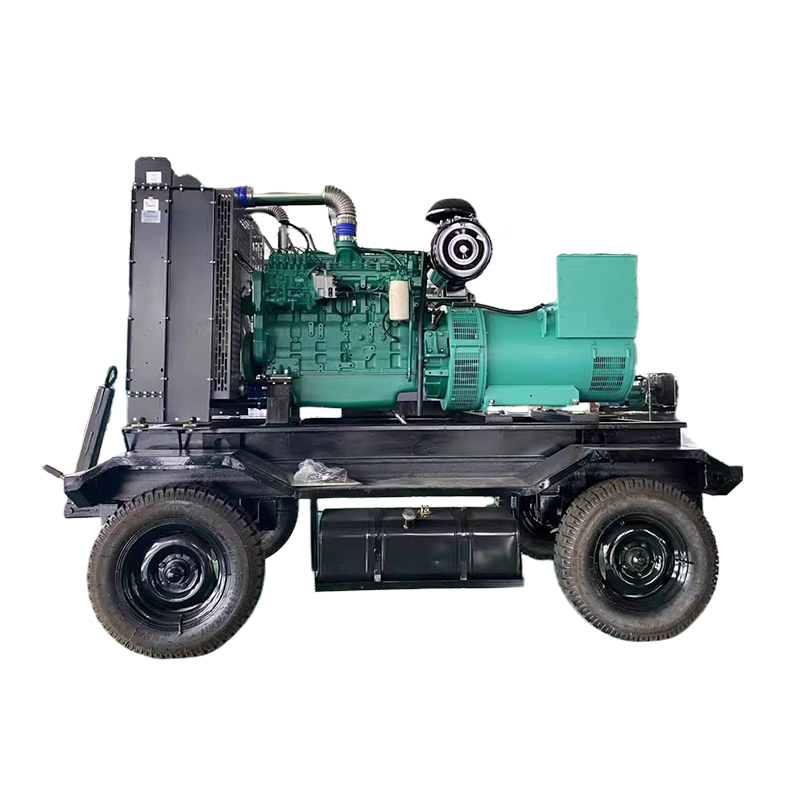
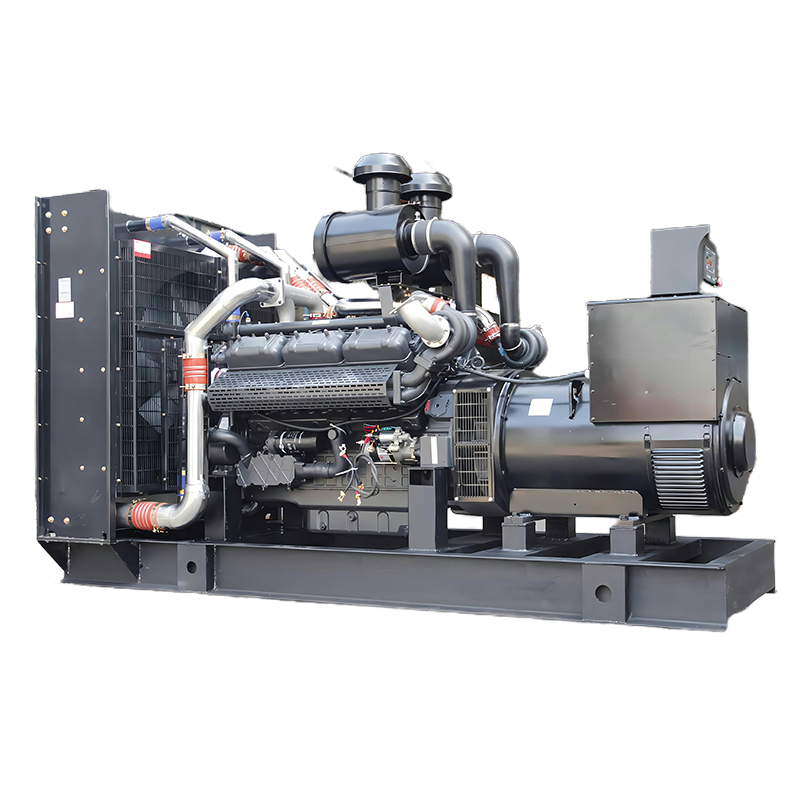
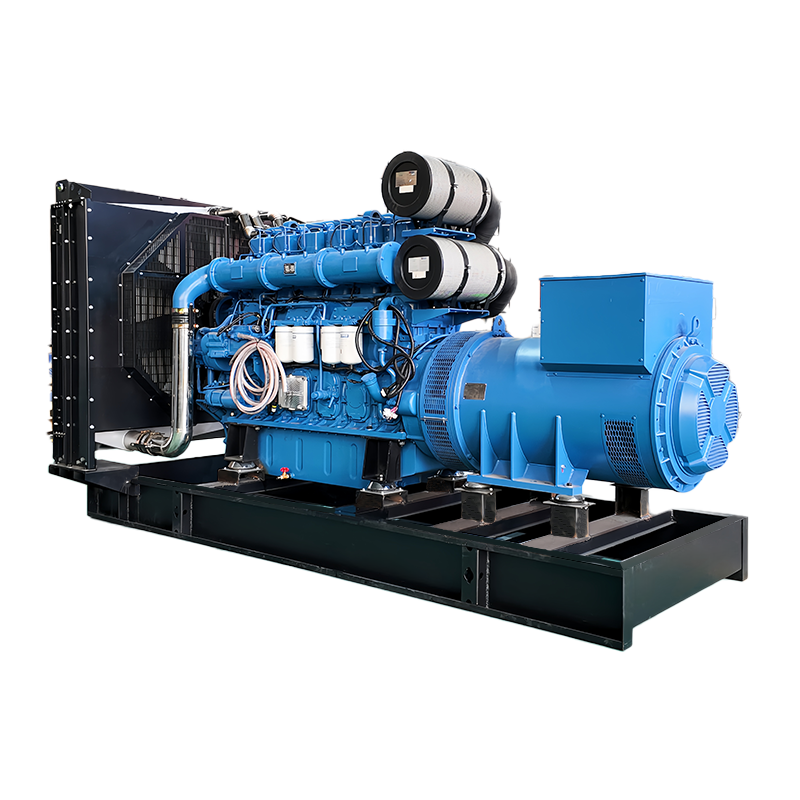
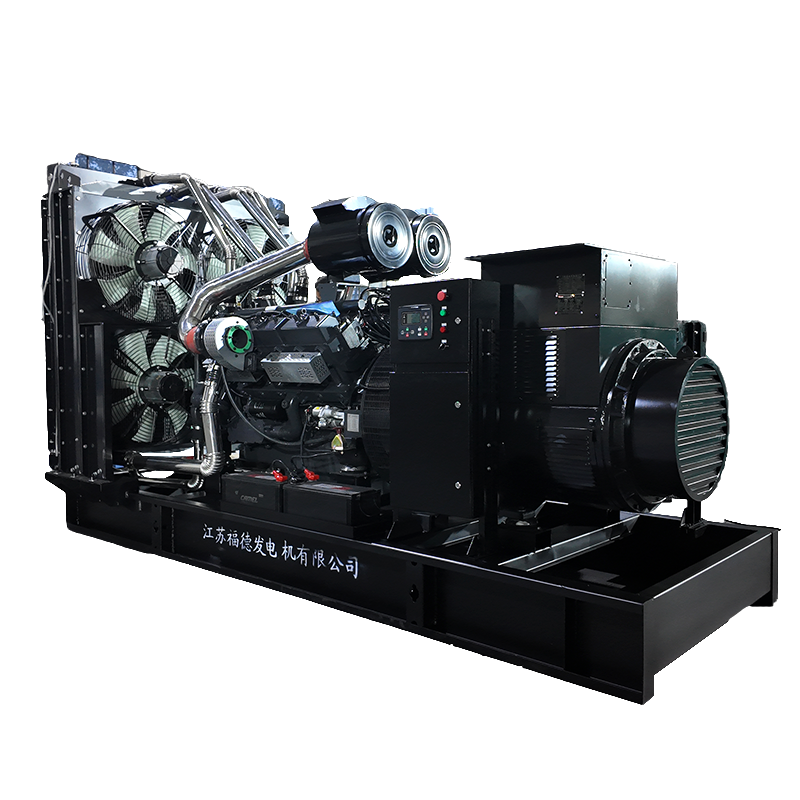
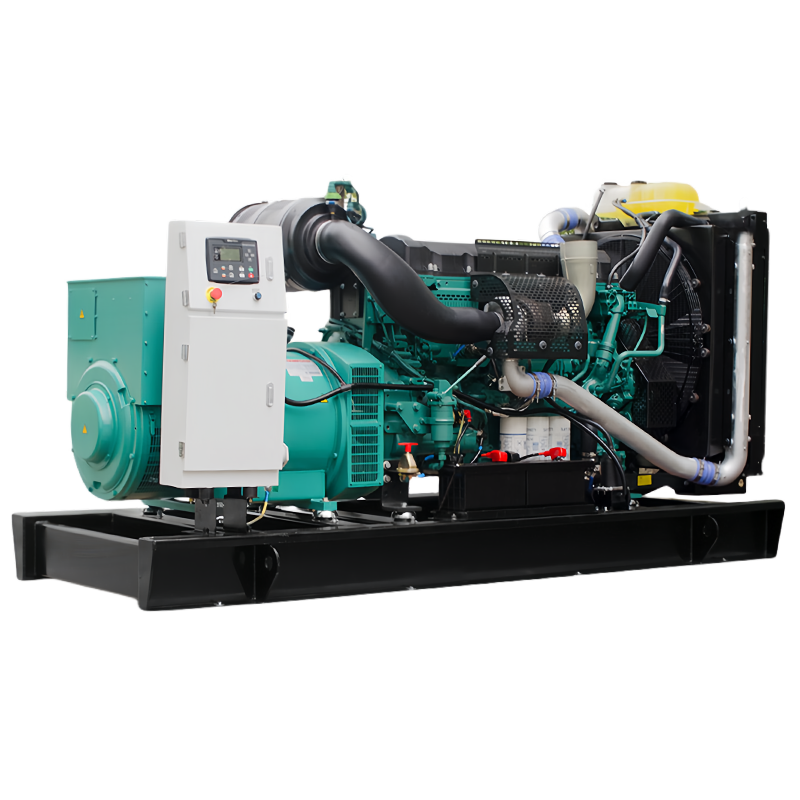
Open-Frame Diesel Generator Sets
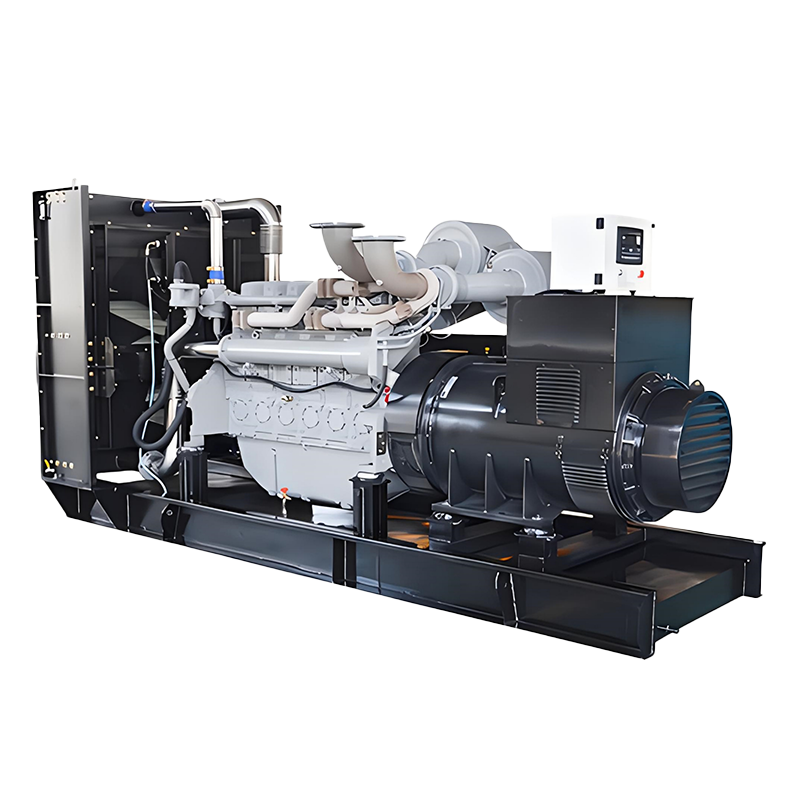
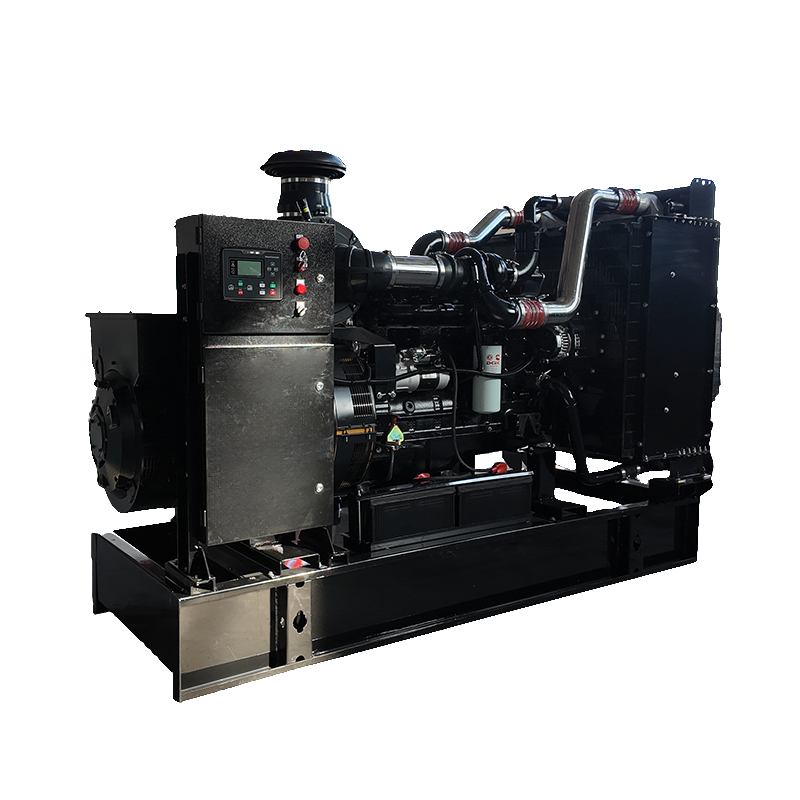
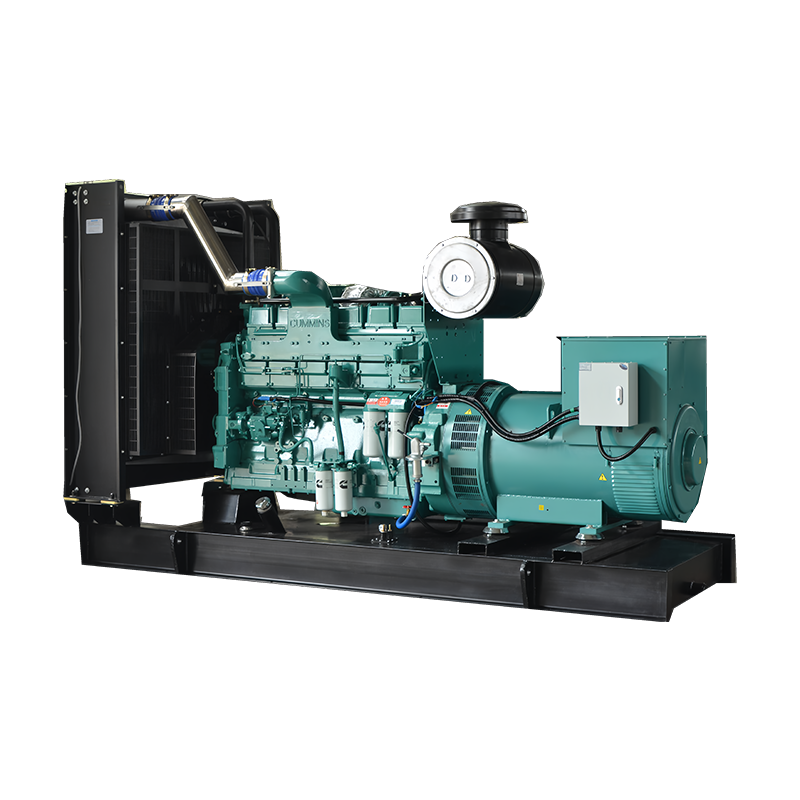
Open-frame units are the simplest and usually the easiest to inspect. Because no enclosure restricts airflow around the engine and alternator, heat rejection is straightforward. For efficiency testing, open-frame sets let you place measurement equipment directly on the engine and generator, making them ideal for commissioning tests.
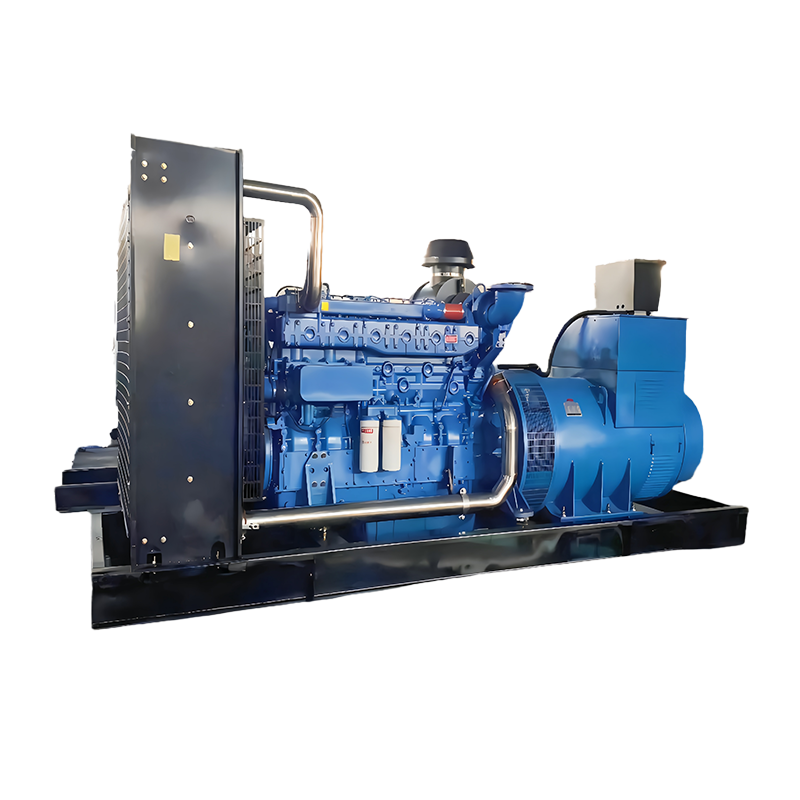 Open-Frame Diesel Generator Sets for Easy Testing and MaintenanceOpen-frame units simplify heat rejection and allow direct access for efficiency measurements, making them ideal for commissioning tests and straightforward on-site inspections.View Product →
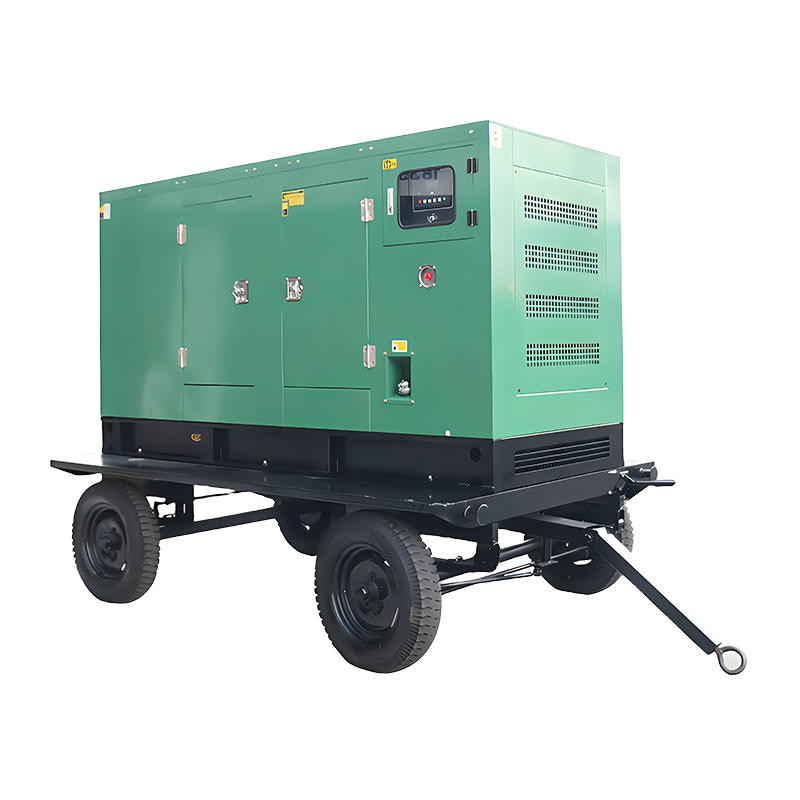
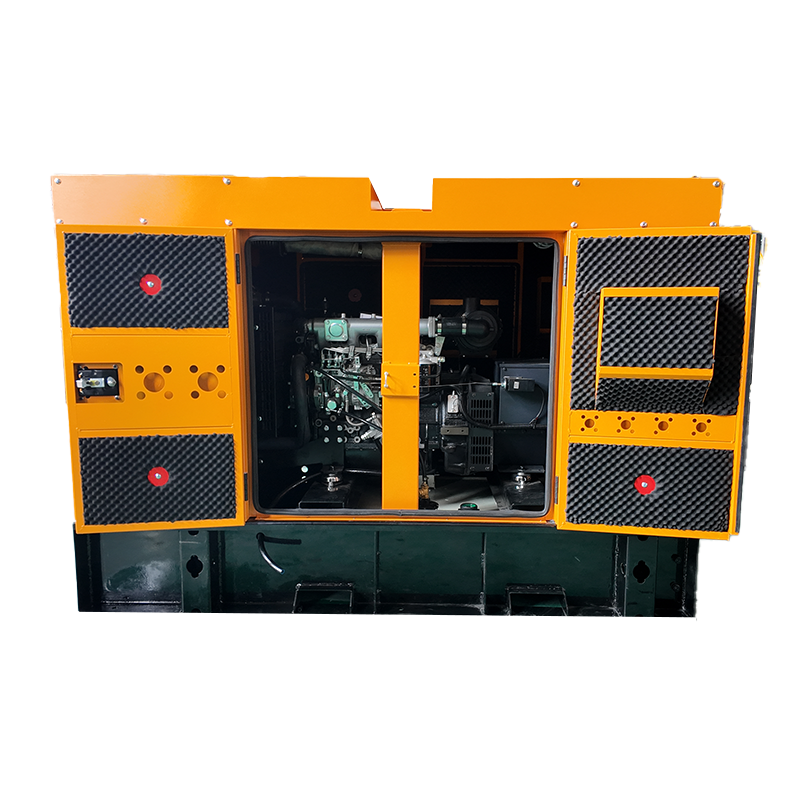
Silent-Type Diesel Generator Sets
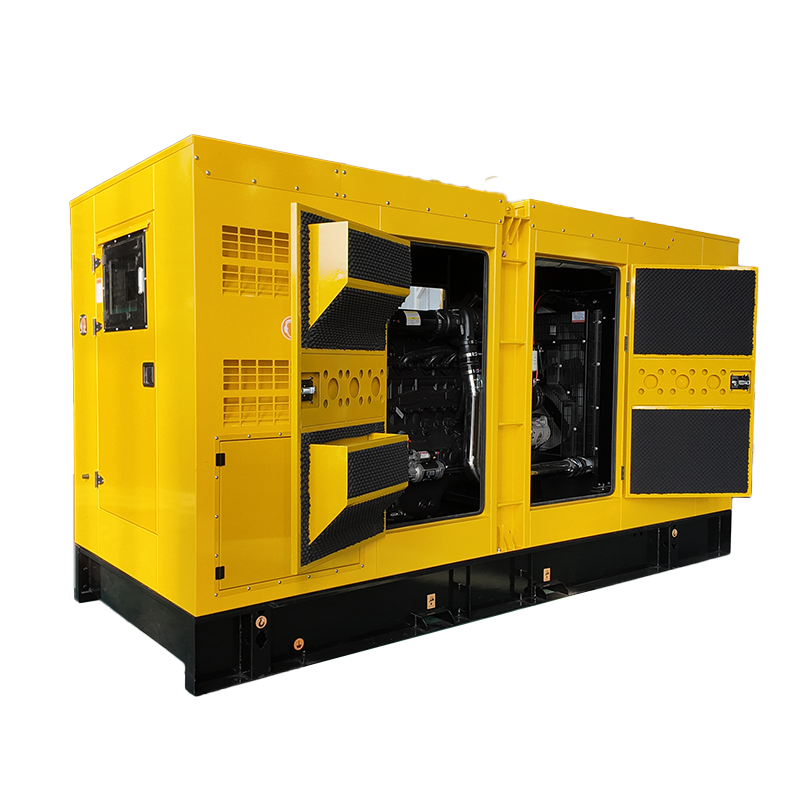
Silent sets add soundproofing, often with a treated steel canopy and cooling fans. The fans and baffles create a slight auxiliary load, but high-quality designs keep the thermal envelope controlled so the engine stays within its rated operating range. If you operate in residential or commercial areas, silent units preserve efficiency while reducing noise.
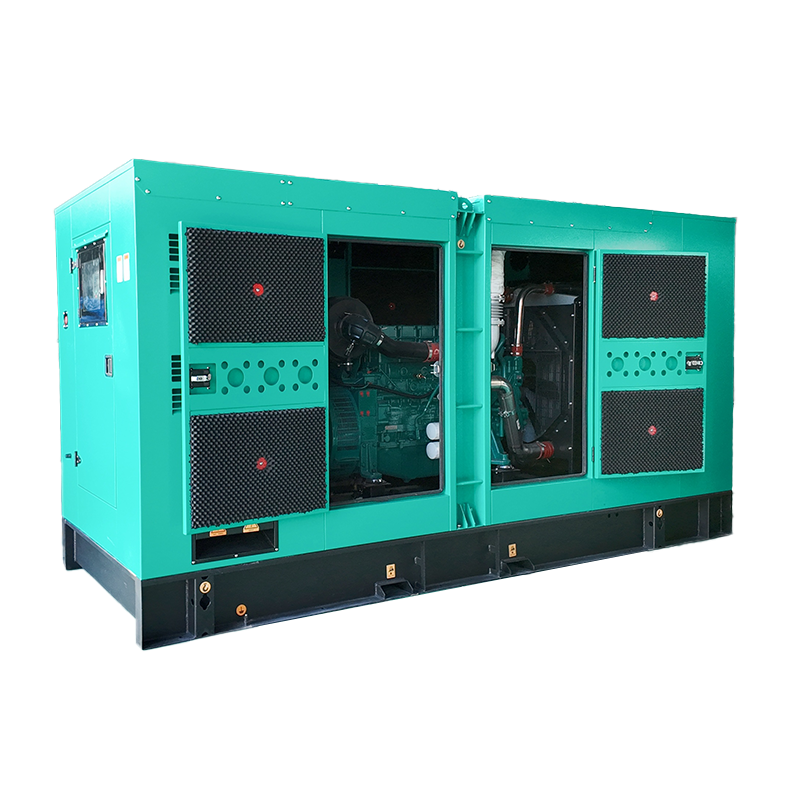 Silent Diesel Generator Sets for Noise-Sensitive LocationsEnclosed soundproof and rainproof sets reduce noise for residential and commercial areas, with controlled airflow preserving engine performance while minimizing auxiliary load.View Product →
Container-Type Diesel Generator Sets
For high-capacity installations or remote sites, container generators package fuel tanks, switchgear, and control room into a single structure. Efficiency calculation for a container set is identical, but remember to subtract any auxiliary power drawn by internal lighting, heaters, and battery chargers before calculating output power.
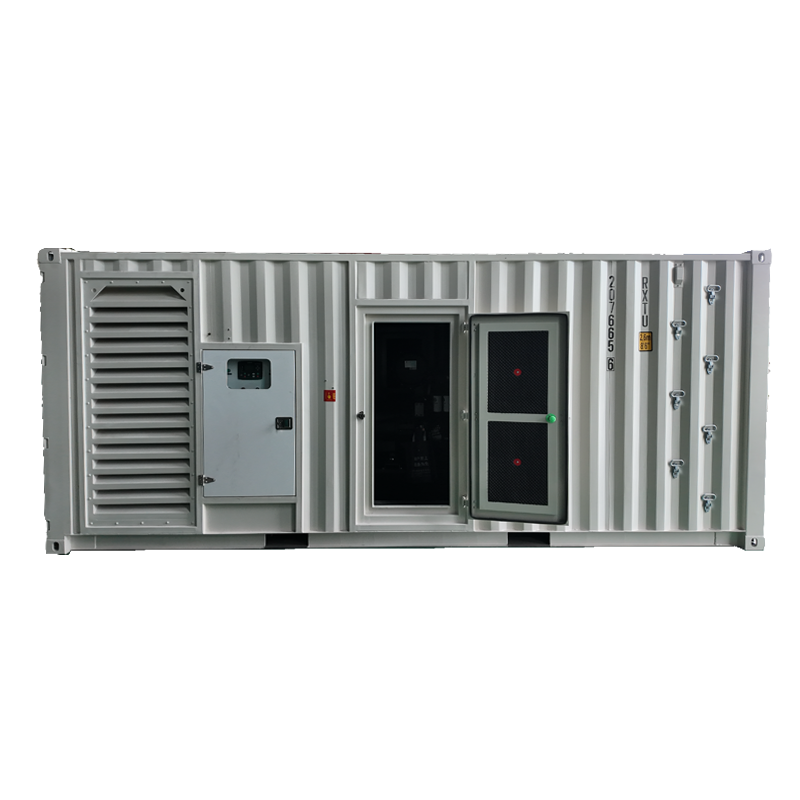 Containerized Diesel Generator Sets for High-Capacity and Remote InstallationsFully integrated container units bundle fuel supply, switchgear, and controls, cutting installation work and maintenance costs while suiting harsh environments and demanding power needs.View Product →
Practical Tips to Improve Efficiency
Once you know how to calculate efficiency, you can act on it. Here are the practical steps we recommend to every customer.
- Size the generator to the real load, not the maximum possible load. An oversized set that runs at 20% load will burn more fuel per useful kilowatt-hour. Our guide to sizing a diesel generator walks through the process of matching power to demand.
- Keep the load in the efficient band. If your site has a small base load and occasional large loads, consider two smaller sets running in parallel instead of one large set running lightly.
- Stick to a preventive maintenance schedule. Replace air and fuel filters on time, use the recommended oil, and check valve clearances and injector condition.
- Monitor fuel and output data. Trending efficiency over weeks helps you catch wear before it leads to failure.
- Review auxiliary loads. In silent and container sets, lighting, battery chargers, and fans consume a small portion of output. Include them in your calculation if you need net efficiency.
Calculating efficiency is not an academic exercise. It is a practical tool for controlling fuel cost, planning maintenance, and getting the most service life from your diesel generator set. If you would like help interpreting your measurements or selecting a set that matches your load profile, talk to our engineering team. You can also browse our full range of generator sets to compare configurations. Every model can be built with different engine brands, power ratings, and control options to suit the needs of your site.
Related Products

-
Xiaoji Town, Jiangdu District, Yangzhou City, Jiangsu Province, China
-
8618944498005
-
+86-18652407919
-
+86-0514-86593686
Copyright © Jiangsu Ford Generator Co., Ltd.
