




 English
 Español
 عربى
عربىHow to Choose the Right Mobile Diesel Generator: A Comprehensive Buyer’s Guide
Feb 25, 2026
Content
In today’s fast-paced industrial and commercial landscape, power is the heartbeat of every operation. Whether you are managing a remote construction site, organizing a large-scale outdoor event, or ensuring that a hospital has a reliable backup system, having access to electricity is non-negotiable. This is where the Mobile Diesel Generator steps in as a versatile, powerful, and essential asset.
As we move through 2026, the technology behind these machines has evolved significantly. It is no longer just about "buying a motor that runs on fuel." Today, buyers must consider efficiency, environmental impact, noise regulations, and smart technology. This guide will walk you through everything you need to know to choose the right Mobile Silent Diesel Generator Sets and standard mobile units for your specific needs.
Understanding the Core Benefit: Why Choose Mobile?
Before diving into the technical specifications, it is important to understand why "mobile" units are becoming the preferred choice over stationary ones for many businesses.
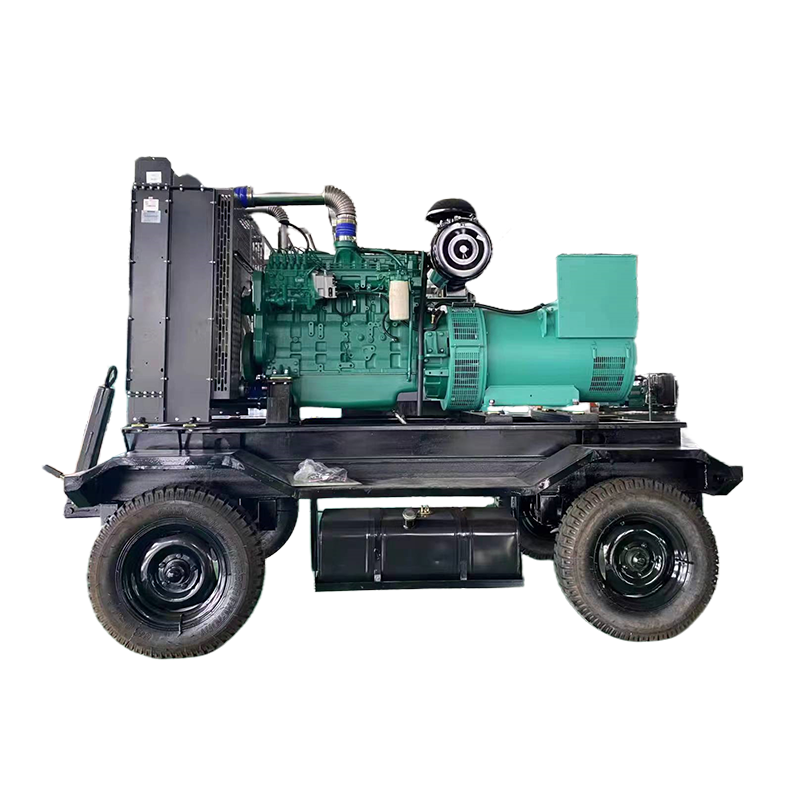
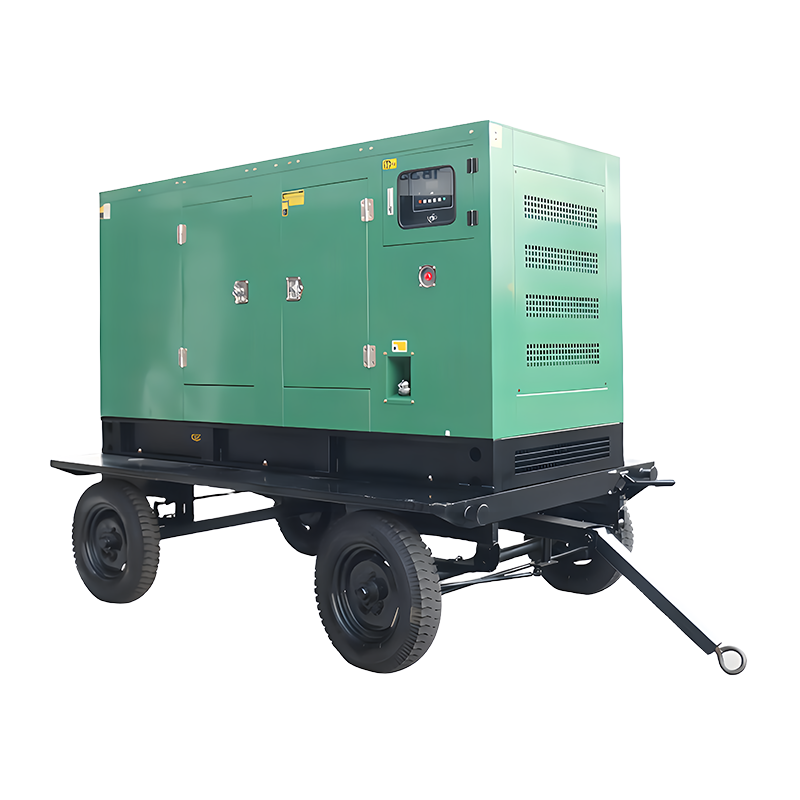
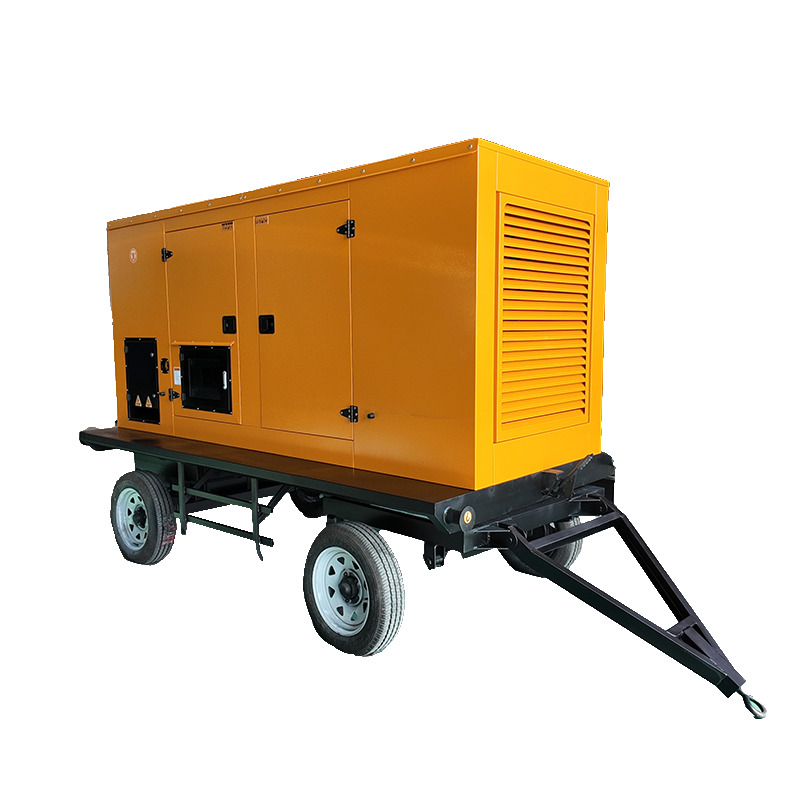
The primary advantage is flexibility. A mobile diesel generator is typically mounted on a trailer or a heavy-duty skid with wheels, allowing it to be transported across different job sites or moved within a large facility. For rental businesses, construction firms, and emergency response teams, this portability is the difference between a project staying on schedule or facing costly downtime.
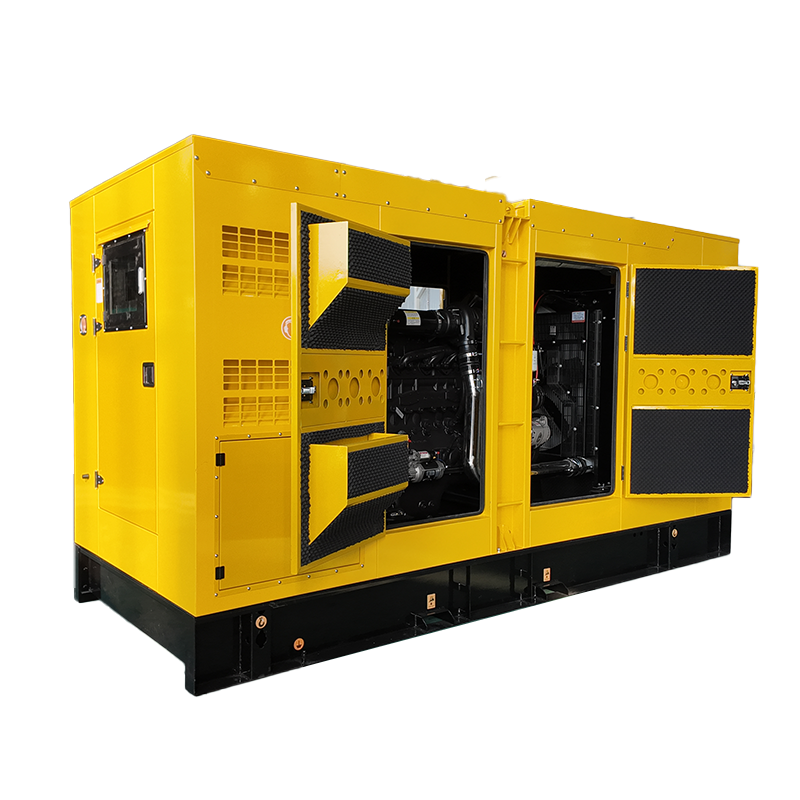
Furthermore, modern Mobile Silent Diesel Generator Sets are designed with integrated fuel tanks and weather-protective enclosures, making them a "plug-and-play" solution that can handle harsh outdoor environments without needing a dedicated indoor engine room.
Assessing Your Power Requirements
The most common mistake buyers make is choosing a generator that is either too small or unnecessarily large.
- Determine Your Load: Make a list of every tool, machine, or appliance you plan to power simultaneously.
- Running Watts vs. Starting Watts: This is crucial. Many devices, especially those with electric motors like air compressors or pumps, require a "surge" of power to start—often 3 to 4 times their running wattage. Your Mobile Diesel Generator must be able to handle this initial spike.
- The 20% Rule: It is a best practice to choose a generator that provides about 20% more power than your maximum calculated load. This "buffer" prevents the engine from running at 100% capacity constantly, which reduces wear and improves fuel efficiency.
The Rise of Mobile Silent Diesel Generator Sets
In 2026, noise pollution is more than just a nuisance; it is often a matter of legal compliance. Many urban construction projects and public events now have strict decibel (dB) limits.
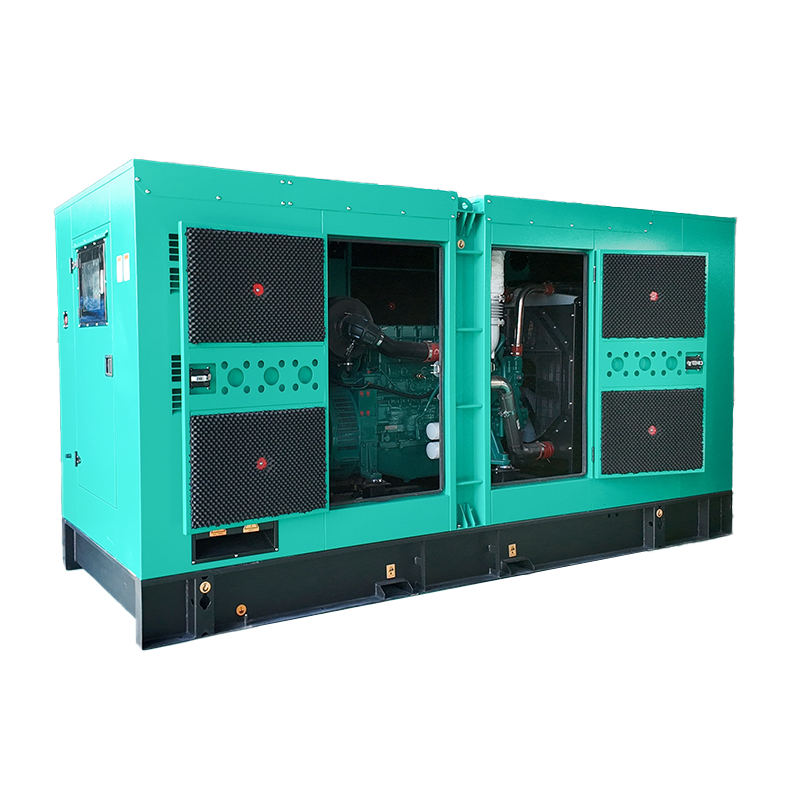
This is where Mobile Silent Diesel Generator Sets excel. These units are encased in specialized sound-attenuating canopies. These enclosures use high-density acoustic foam and optimized air-flow designs to muffle the engine's roar. A high-quality silent generator can operate at noise levels as low as 65-70 dB(A) at a 7-meter distance—equivalent to a normal conversation.
Why choose a silent model?
- Urban Compliance: Work in residential areas without receiving noise complaints.
- Worker Safety: Lower noise levels on-site reduce the risk of hearing damage and improve communication among team members.
- Versatility: A silent unit can be used for both a noisy industrial site and a quiet wedding venue.
Key Technical Features to Look For
When comparing different models, pay close attention to the "hidden" features that determine the long-term value of your investment.
Engine Reliability and Brand
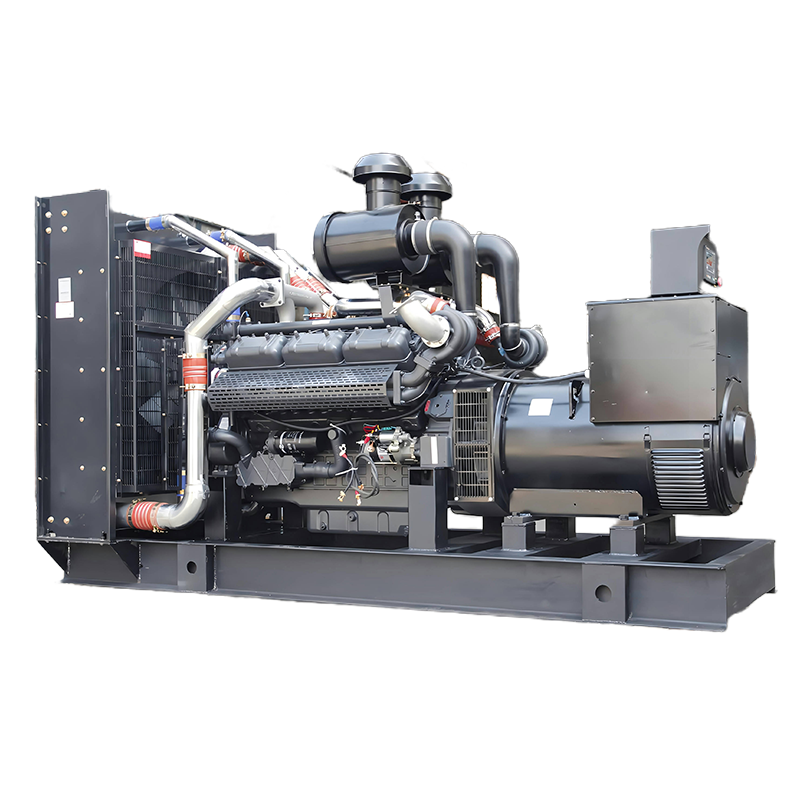
The engine is the heart of your Mobile Diesel Generator. Opting for well-known engine brands ensures that you can find spare parts and qualified technicians anywhere in the world. Modern engines in 2026 are also much more fuel-efficient, utilizing electronic fuel injection to squeeze every bit of energy out of every drop of diesel.
Fuel Tank Capacity and Autonomy
For mobile applications, you don't want to be refilling the tank every few hours. Look for units with "extended-run" fuel tanks. Many high-quality mobile sets are designed to run for 8 to 24 hours at 75% load on a single tank.
Smart Control Panels
Digital controllers are now standard. A good control panel should provide real-time data on:
- Fuel levels and consumption rates.
- Engine temperature and oil pressure.
- Voltage, frequency, and amperage.
- Remote Monitoring: In 2026, many mobile units come with GPS and Wi-Fi/4G connectivity, allowing you to monitor the generator's health from your smartphone or office computer.
Mobility and Build Quality
A "mobile" generator is only as good as the trailer it sits on. Ensure the trailer is:
- DOT/EU Compliant: If you plan to tow it on public roads, the trailer must meet lighting, braking, and axle standards.
- Durable Chassis: It should be made of galvanized steel or high-strength alloys to prevent rust, especially if used in coastal or rainy areas.
- Lifting Points: For sites where towing isn't possible, ensure the unit has a central lifting eye or forklift pockets.
Environmental Compliance (Emission Standards)
As global regulations tighten, choosing a generator that meets local emission standards is vital. In North America, this usually means Tier 4 Final engines; in Europe, Stage V is the standard. These engines use advanced filtration and Selective Catalytic Reduction (SCR) to significantly reduce nitrogen oxides and particulate matter. Investing in a compliant Mobile Diesel Generator today protects you from future fines and allows you to bid on government and green-certified projects.
Maintenance: The Secret to Longevity
To get the most out of your Mobile Silent Diesel Generator Sets, a proactive maintenance schedule is essential. Because these units are often moved around, they are subject to more vibration and dust than stationary models.
- Daily Checks: Check oil and coolant levels before every start.
- Filter Changes: Regularly replace fuel and air filters, especially on dusty construction sites.
- Load Banking: If your generator usually runs at very low loads, it can suffer from "wet stacking" (unburnt fuel buildup). Periodically running it at high load (load banking) helps clean the engine.
Related Products

-
Xiaoji Town, Jiangdu District, Yangzhou City, Jiangsu Province, China
-
8618944498005
-
+86-18652407919
-
+86-0514-86593686
Copyright © Jiangsu Ford Generator Co., Ltd.
