




 English
 Español
 عربى
عربىHow Many kVA Generator Is Required for a 7.5 hp Motor? A Complete Sizing Guide
Oct 14, 2026
Content
- 1 The Short Answer: Around 20 to 25 kVA for Direct-On-Line Starting
- 2 Working Through the Numbers Step by Step
- 3 Recommended Generator Size by Starting Method
- 4 Why the Starting Method Matters More Than the Motor Rating
- 5 What Else Changes the Answer
- 6 Choosing the Right Kind of Generator Set
- 7 When the Motor Moves Around
- 8 Common Sizing Mistakes We See
- 9 Getting the Number Right for Your Installation
If you are trying to work out how many kVA a generator needs to be in order to run a 7.5 hp motor, you have probably already noticed that the internet hands out half a dozen different answers. One forum thread says 20 kVA. A pump supplier's chart says 3 kVA per horsepower, which points to 22.5 kVA. Someone else swears their 10 kVA set starts a similar motor without a hiccup. All of those answers can be true at the same time, because the motor's horsepower is only one of the inputs. What really decides the answer is how the motor starts and what else is drawing power from the set.
For a standard three-phase 7.5 hp (5.5 kW) motor started directly on line, the practical range is about 20 to 25 kVA. Add a soft starter or a variable frequency drive and 10 to 15 kVA can be enough. The rest of this article explains where those numbers come from, so you can check them against your own motor nameplate instead of trusting a rule of thumb that was written for somebody else's machine.
The Short Answer: Around 20 to 25 kVA for Direct-On-Line Starting
Most sizing charts, including the ones our own engineers reach for when quoting, come back to three simple relationships:
- Running load: a three-phase induction motor draws roughly 1 kVA per horsepower once it is up to speed, so a 7.5 hp motor needs about 7.5 to 8 kVA simply to keep turning.
- Starting surge: a motor started directly on line pulls six to eight times its full load current for a second or two, which is why the widely used planning figure is about 3 kVA per horsepower, or 22.5 kVA in this case.
- Headroom: a diesel generator is happiest running between 60% and 80% of its rating, so a 20 to 25 kVA set carries an 8 kVA running load comfortably and still has somewhere to go when the motor restarts.
That is the whole answer in miniature. The next section shows the arithmetic behind it, and the sections after that cover the situations where 20 kVA is too small or comfortably oversized.
Working Through the Numbers Step by Step
Step 1: Horsepower to Kilowatts
One mechanical horsepower equals 0.746 kW, so a 7.5 hp motor delivers 5.6 kW of mechanical power at the shaft. That is the power coming out of the motor, not the electrical power the generator has to put in.
Step 2: Shaft Power to Electrical kVA
A standard three-phase induction motor converts electricity into shaft power at roughly 85% to 90% efficiency. Dividing 5.6 kW by 0.87 gives about 6.4 kW of electrical input at full load. The power factor at full load is typically close to 0.8, so:
6.4 kW divided by 0.8 equals approximately 8 kVA
That is the steady running demand, and it is worth remembering because it is the figure that keeps the set alive through a long working shift. Both efficiency and power factor drop when a motor is lightly loaded, so a motor idling at half load draws proportionally more current than a straight-line calculation would suggest.
Step 3: Adding the Starting Surge
Starting is where the real sizing decision happens. A 7.5 hp motor started directly on line demands six to eight times its full load current for a fraction of a second while the rotor accelerates. A diesel generating set can supply roughly two and a half to three times its rated current for a few seconds before the voltage collapses, limited by the alternator's reactance and by how quickly the engine accepts a sudden load. Working backwards from an 8 kVA running demand, the recommended set lands at around 24 kVA, which is exactly where the 3 kVA per horsepower rule of thumb arrives as well.
Recommended Generator Size by Starting Method
| Starting method | Typical starting current | Suggested generator size |
|---|---|---|
| Direct on line (DOL) | 6 to 8 times full load current | 20 to 25 kVA |
| Star-delta | 2 to 3 times full load current | 15 to 18 kVA |
| Soft starter | 2.5 to 3.5 times full load current | 12 to 15 kVA |
| Variable frequency drive | About 1 times full load current, ramped | 10 to 12 kVA, VFD rated |
Why the Starting Method Matters More Than the Motor Rating
The table above illustrates a point that surprises plenty of first-time buyers: the same 7.5 hp motor can need a 25 kVA set or a 10 kVA set, depending entirely on the starter bolted to it. Star-delta and soft starters ramp the current up gradually, so the generator never sees the full inrush. A variable frequency drive goes further still and limits current to little more than the running value, although it introduces harmonics, which is why a VFD installation is best matched with an alternator wound for that duty.
If you have no nameplate data to hand, there is a useful shortcut. Ask for the motor's locked rotor current, multiply it by the line voltage and by the square root of three for a three-phase motor, and you have the starting kVA the generator has to supply for a second or two.
What Else Changes the Answer
Altitude and Ambient Temperature
Generator ratings are quoted at reference conditions, typically 40 degrees Celsius ambient and up to 1000 metres above sea level. A set installed in a hot plant room or at 2000 metres loses capacity. As a rough guide, expect around 1% loss per 100 metres of altitude and a few percent for every 5 degrees above the reference, so a 20 kVA set working in those conditions may only behave like a 17 or 18 kVA set.
Other Equipment on the Same Generator
The motor is rarely alone. Lights, a small compressor, a welding set, a conveyor or a transfer pump all add to the running load, and each of them may bring its own starting surge. Add up the running kVA of everything likely to operate at once, then check that the largest single motor start does not push the set past its short-duration capacity. If two motors may start together, size for both surges happening at the same time.
Single-Phase Motors Behave Differently
A single-phase 7.5 hp motor running on 230 V draws roughly 30 to 35 A, and its power factor is lower, often between 0.6 and 0.7, with lower efficiency as well. The practical effect is that a single-phase motor can need 1.3 to 1.5 times the generator capacity of an equivalent three-phase machine, which pushes the recommendation towards 30 kVA or more. Where the choice is still open, a three-phase motor is almost always the easier load to feed.
Choosing the Right Kind of Generator Set
Open Frame Sets
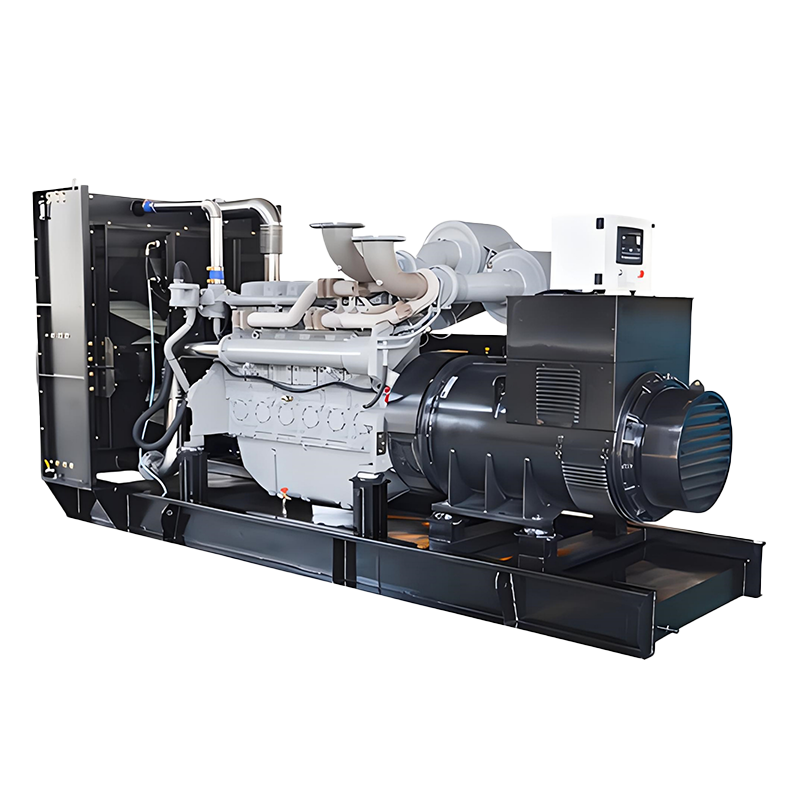
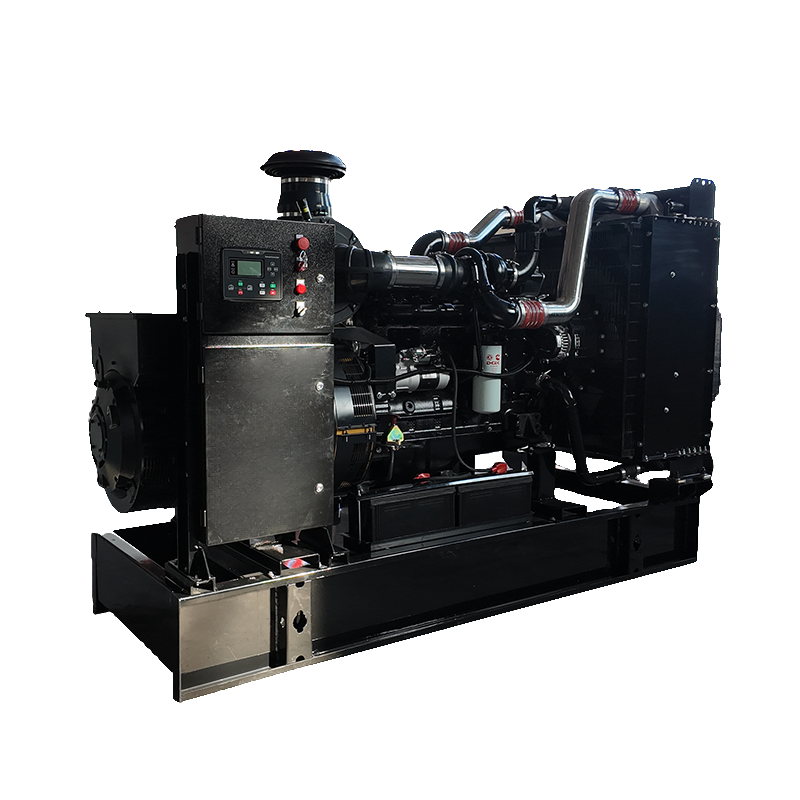
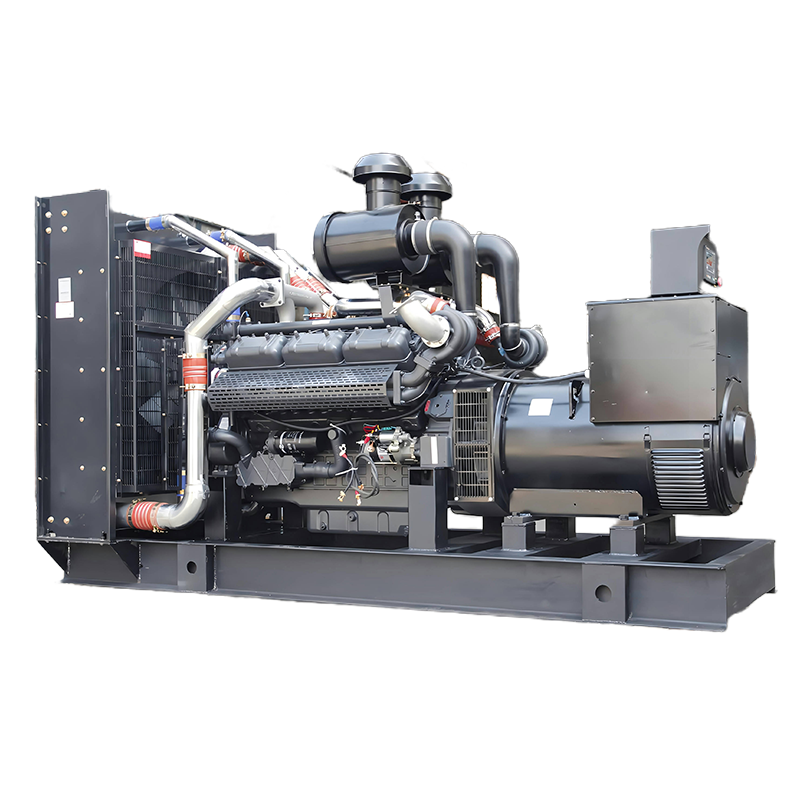
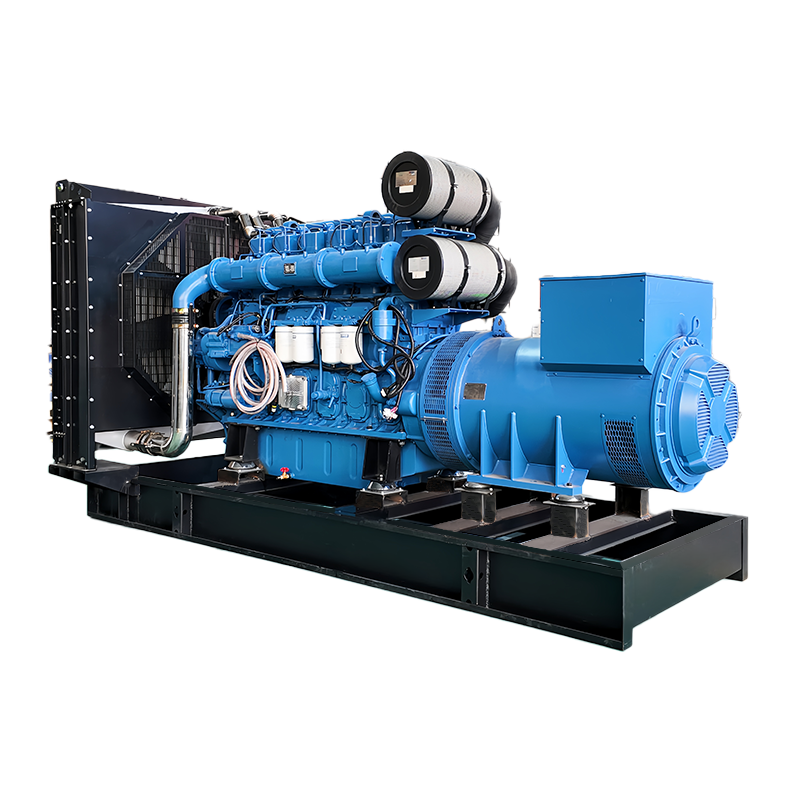
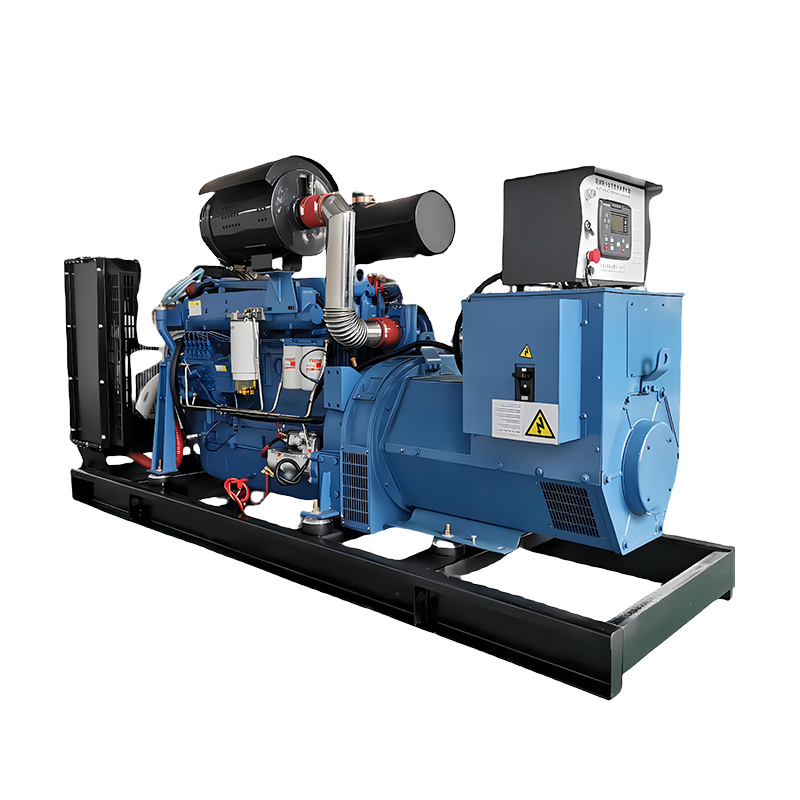
For a fixed installation in a workshop or plant room, where the motor belongs to a permanent machine and noise is not a deciding factor, an open frame set gives you the most generator for your money and the easiest access for routine servicing.
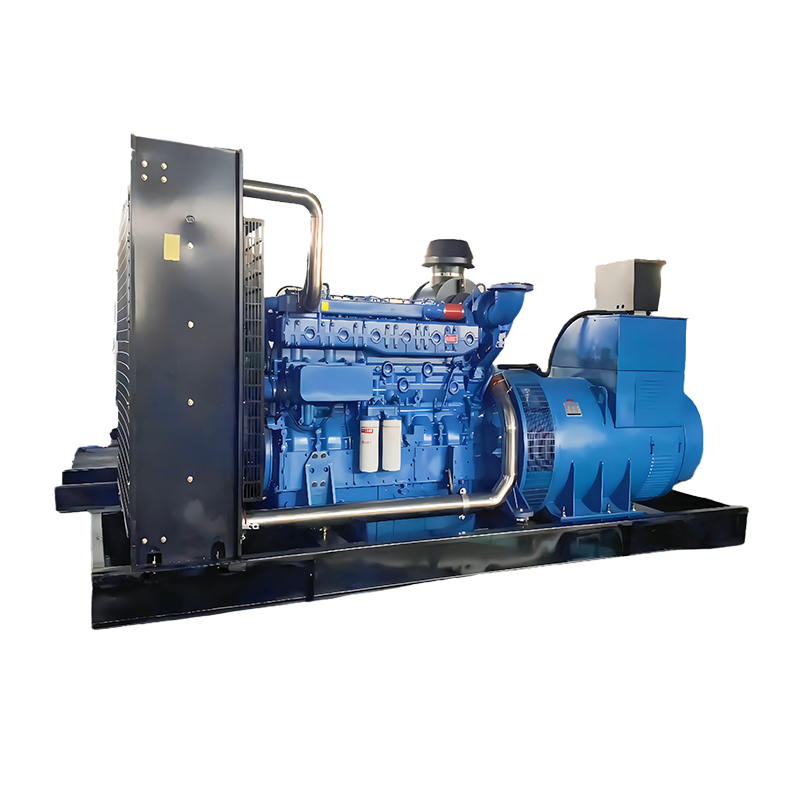 Open-Frame Diesel Generator Sets for Fixed InstallationsOpen-frame sets suit fixed workshop or plant-room power where noise is not decisive, offering easy access and value; clinics and hotels need silent enclosures.View Product →
Silent Type Sets
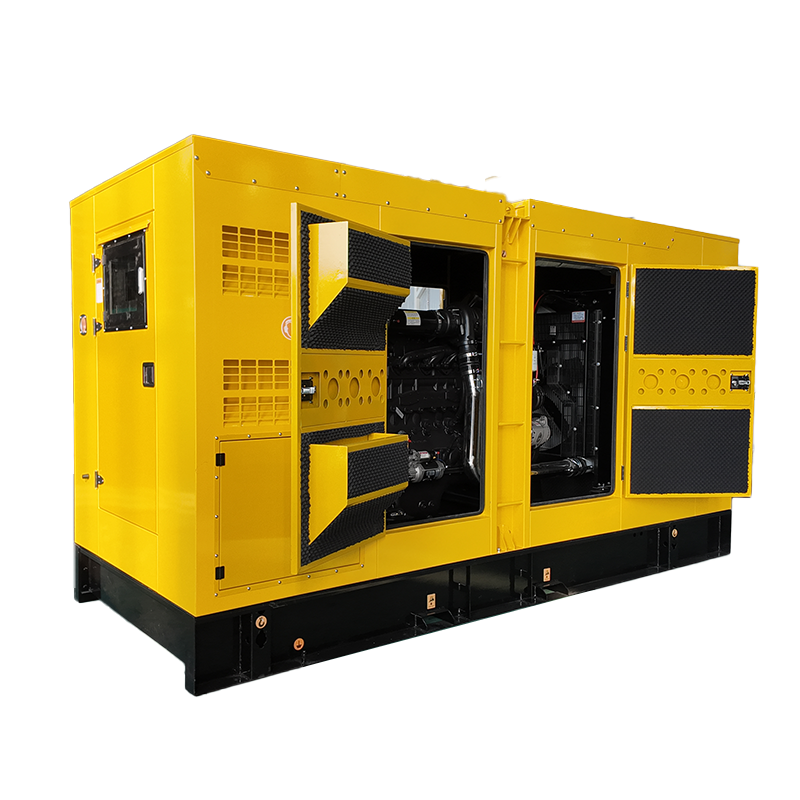
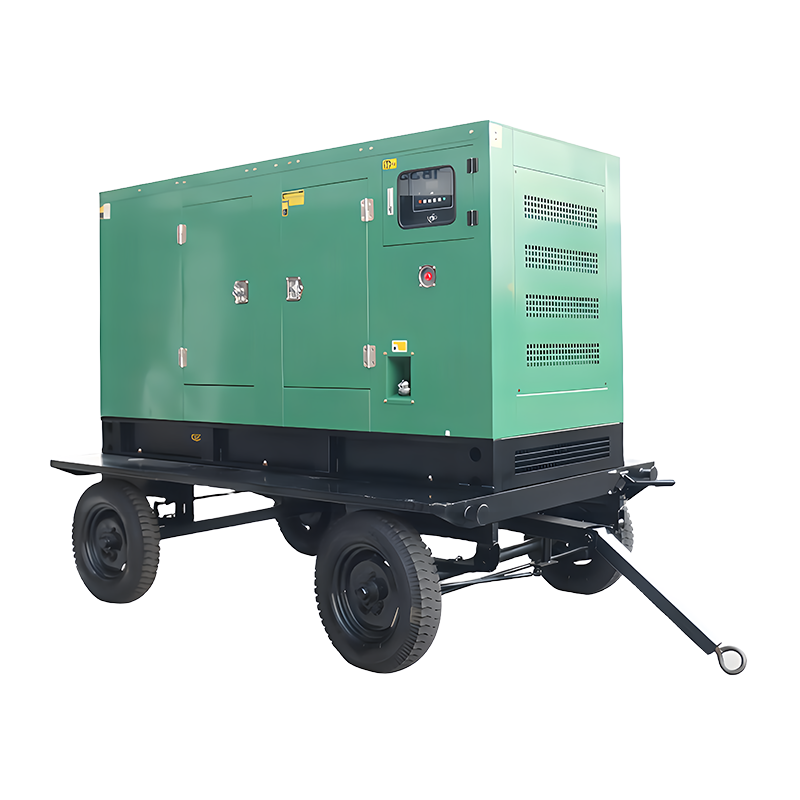
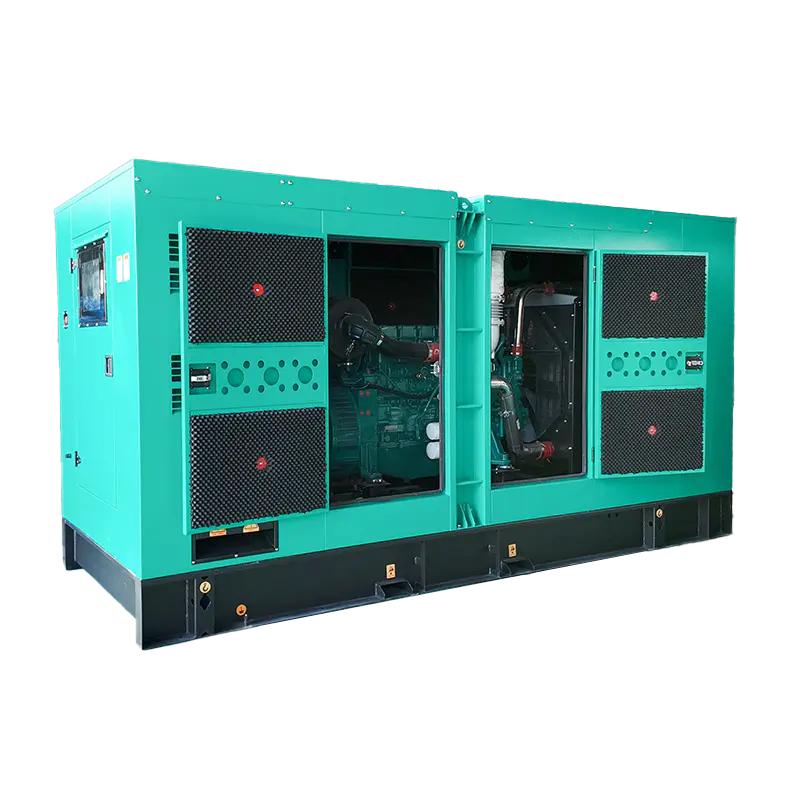
When the motor runs near homes, offices, a hotel or a clinic, the enclosure is what keeps the installation acceptable. A silent canopy also shields the set from dust and rain, which stretches service intervals on outdoor sites.
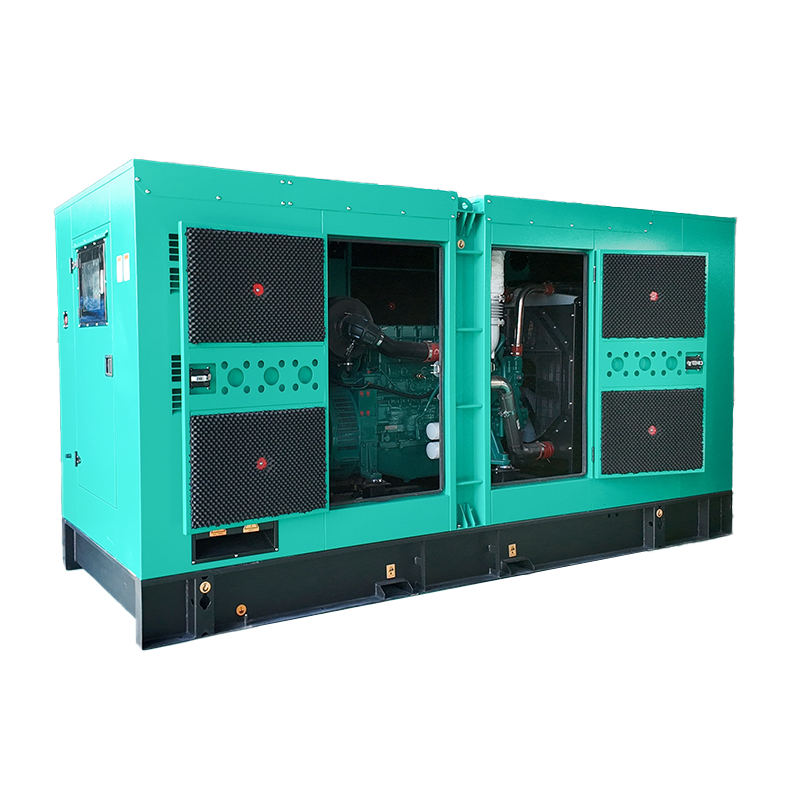 Silent Type Diesel Generator Sets for Noise-Sensitive SitesSoundproof, rainproof enclosure suits noise-sensitive backup in hospitals, hotels, malls, and residential areas, reducing generator-room costs.View Product →
When the Motor Moves Around
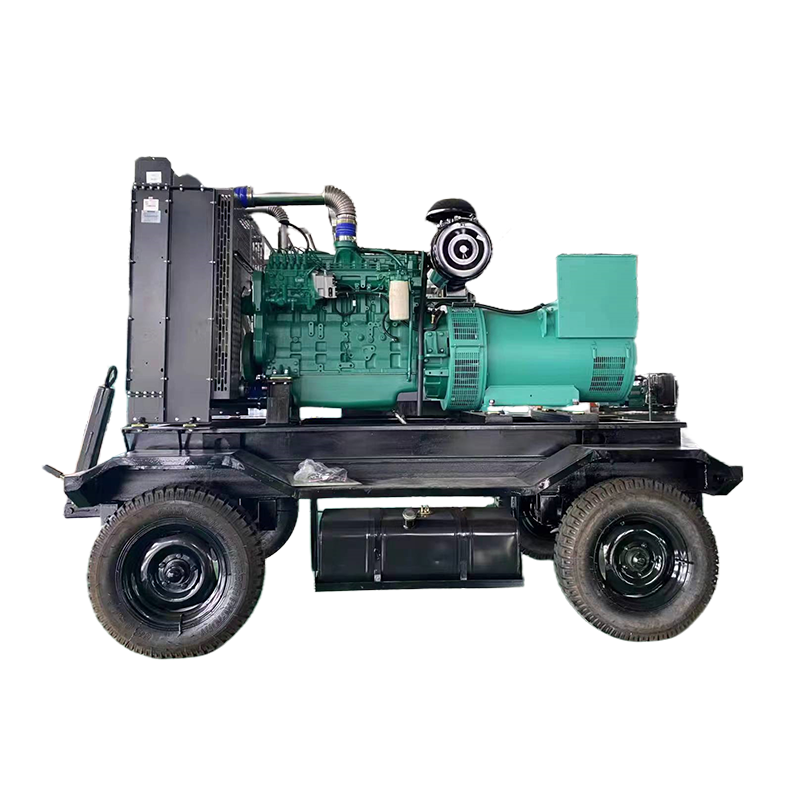
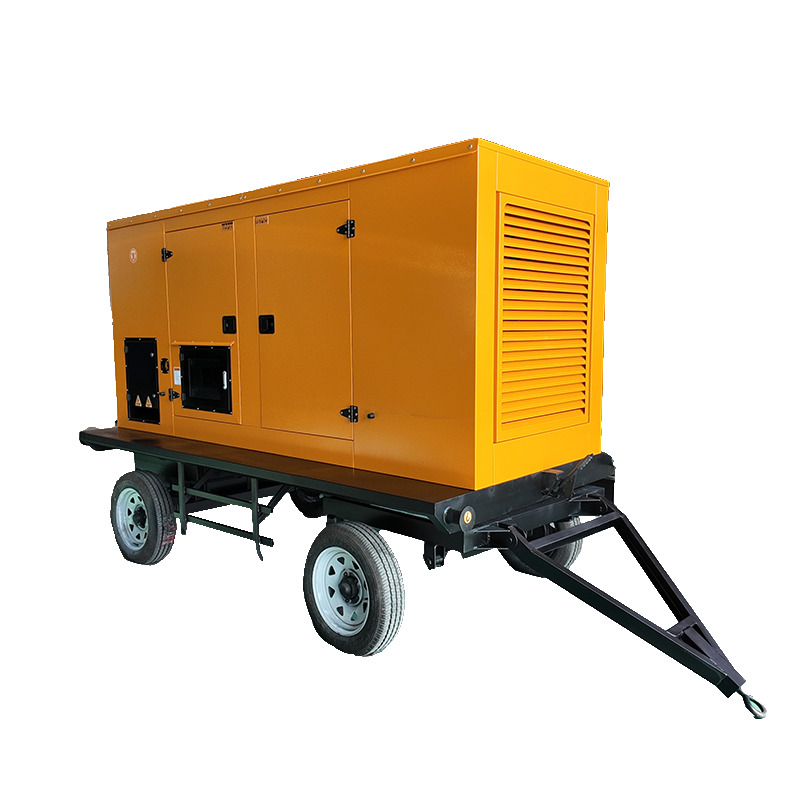
Some 7.5 hp motors travel: a site pump, a temporary conveyor, a piece of equipment that moves between yards. In that situation a mobile silent set on a trailer is easier to justify than a fixed installation, and it can be repositioned as the work moves rather than rewired each time.
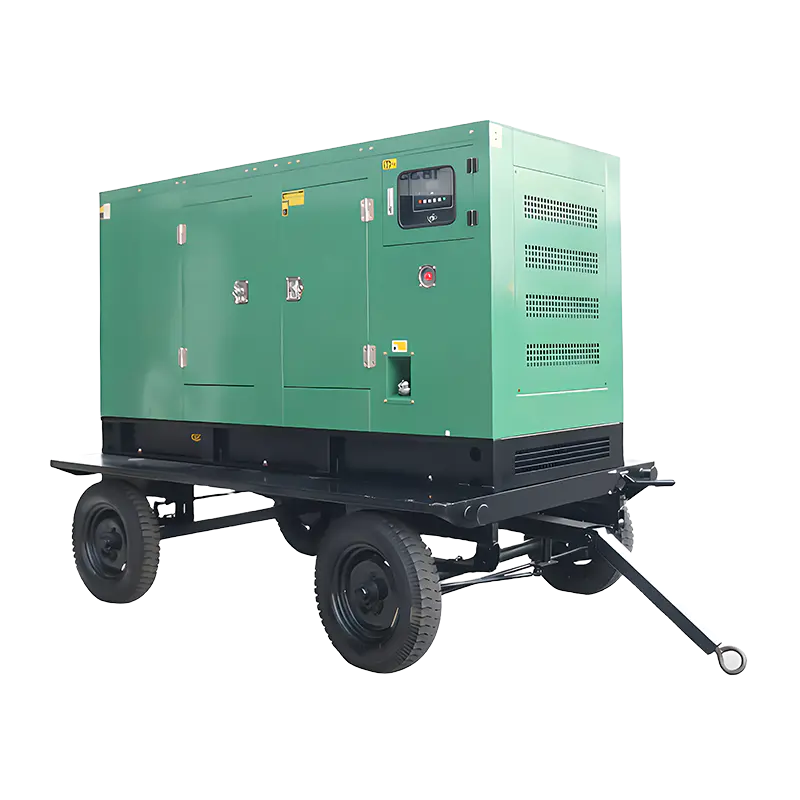 Custom Mobile Silent Diesel Generator SetsTrailer-mounted, soundproof sets for pumps or conveyors that move between yards; customizable power and fuel capacity support temporary or remote power.View Product →
Common Sizing Mistakes We See
- Sizing on running load alone. The set starts the motor only once per shift, but it has to survive that moment every single time the motor is switched on.
- Ignoring the starter. A quotation that never mentions the starting method is an incomplete quotation.
- Forgetting derating for heat and altitude, which quietly removes capacity from a set that looks correctly sized on paper.
- Oversizing out of caution. A 100 kVA set carrying an 8 kVA load burns fuel inefficiently and can suffer from wet stacking, where unburnt fuel builds up in the exhaust.
- Overlooking automatic restart. Many machines restart themselves after a power failure, so the generator has to take that surge repeatedly, not just once.
Getting the Number Right for Your Installation
If you can give a supplier four pieces of information, the motor's nameplate rating, its full load current, the starting method and what else will run from the same generator, they can size the set properly rather than guessing. Those are almost always the first four questions our engineers ask, and after 26 years of building and configuring diesel generator sets they have become a reliable filter for getting the answer right the first time. If you would like to work through the arithmetic yourself, our step-by-step guide to sizing a diesel generator covers the full method, including how to turn nameplate data into starting kVA.
For most 7.5 hp motors started directly on line, a 20 to 25 kVA diesel generator is the honest answer: large enough to absorb the starting surge, small enough to run efficiently once the motor is up to speed. If your motor uses a soft starter or a drive, you can safely look lower. If it is single phase, installed at altitude, or shares the set with other equipment, plan higher and let the final decision follow the actual starting current rather than the horsepower figure on the plate.
Related Products
Related News

-
Xiaoji Town, Jiangdu District, Yangzhou City, Jiangsu Province, China
-
8618944498005
-
+86-18652407919
-
+86-0514-86593686
Copyright © Jiangsu Ford Generator Co., Ltd.
