




 English
 Español
 عربى
عربىUnderstanding How a Diesel Generator Produces Electricity: A Full Guide
Oct 07, 2026
Content
When the grid fails, or when a project needs reliable power far from utility lines, a diesel generator is often the quiet workhorse that keeps everything running. For anyone responsible for buying, operating, or maintaining one of these machines, understanding how a diesel generator produces electricity is more than just technical background; it is the foundation of smart decisions about sizing, maintenance, and investment.
At Jiangsu Ford Generator, we have spent more than 26 years building diesel generator sets for factories, telecom stations, hospitals, hotels, and remote worksites. Over that time, we have learned that a plain, honest explanation of the technology goes a long way. So let us trace the journey of electricity, from a tank of diesel to the terminals of your switchboard.
The Working Principle of a Diesel Generator
A diesel generator is, at its simplest, two machines coupled together: a diesel engine and an alternating-current (AC) alternator. The engine converts the chemical energy stored in diesel fuel into rotational mechanical energy. The alternator then converts that rotational energy into electrical power. This two-stage conversion is often called electromechanical energy conversion.
Unlike petrol engines, which use spark plugs to ignite a fuel-air mixture, diesel engines rely on compression ignition. The piston compresses air inside the cylinder so forcefully that the air temperature rises to roughly 500°C, well above the auto-ignition temperature of diesel fuel. When fuel is injected at precisely the right moment, it burns spontaneously and cleanly, with no spark needed.
The engine operates on a four-stroke cycle:
- Intake: The piston moves downward, drawing fresh air into the cylinder.
- Compression: The piston moves upward, compressing the air and raising its temperature dramatically.
- Power: Diesel fuel is injected, ignites instantly, and the rapidly expanding gases force the piston downward with great force, producing mechanical power.
- Exhaust: The piston rises again, pushing the burned gases out through the exhaust valve.
This cycle repeats hundreds or thousands of times per minute, spinning the crankshaft at a steady speed, typically 1500 rpm for 50 Hz power systems and 1800 rpm for 60 Hz systems. The rotating crankshaft delivers torque directly to the alternator. If you would like to explore the engine side of the process in greater detail, our complete guide to how diesel generators produce electricity covers each stage thoroughly.
How the Alternator Creates Electricity
The alternator, also called the generator head, is where electrical energy is actually produced. It works on the principle of electromagnetic induction: when a conductor moves through a magnetic field, an electric current is induced in the conductor. This fundamental law of physics has been the basis of electrical power generation for more than a century.
Inside the alternator, the rotor, which is connected to the engine crankshaft, carries a magnetic field. Around it sits the stator, a stationary assembly of copper wire coils. As the rotor spins, the magnetic field sweeps past the stator coils, causing electrons to flow through the copper wires. This flow of electrons is electricity. Because the magnetic field passes each coil first in one direction and then in the other, the output is alternating current (AC), which is precisely what most industrial and commercial equipment is designed to use.
A voltage regulator monitors the generator's output and automatically adjusts the strength of the rotor's magnetic field. In practical terms, this means the set can handle load changes without voltage spikes or dips, whether it is powering a single pump or an entire production line.
Key Components of a Diesel Generator Set
A complete generator set is more than just an engine bolted to an alternator. Several supporting systems work together to keep the unit running reliably under load. Here is what each major component does:
| Component | Function |
|---|---|
| Diesel engine | Converts fuel into mechanical rotation |
| Alternator | Converts mechanical rotation into AC electricity |
| Fuel system | Stores, filters, and delivers diesel to the engine |
| Voltage regulator | Maintains stable output voltage under varying loads |
| Cooling system | Removes engine heat to prevent overheating |
| Lubrication system | Reduces friction and protects moving parts |
| Control panel | Monitors output, starts and stops the set, and triggers alarms |
| Battery and charger | Provides starting power and keeps the battery charged |
Each component plays a specific role, and the quality of their integration is what separates a dependable generator set from one that causes problems in the field. That is why every unit we build is assembled around proven engines and quality copper-wound alternators, and why each set is load-tested before it leaves our factory.
Different Configurations, the Same Proven Principle
The conversion of diesel into electricity works the same way in every set, but the housing and packaging vary considerably. Choosing the right configuration is just as important as choosing the right power rating, because installation environment and noise constraints often decide the outcome.
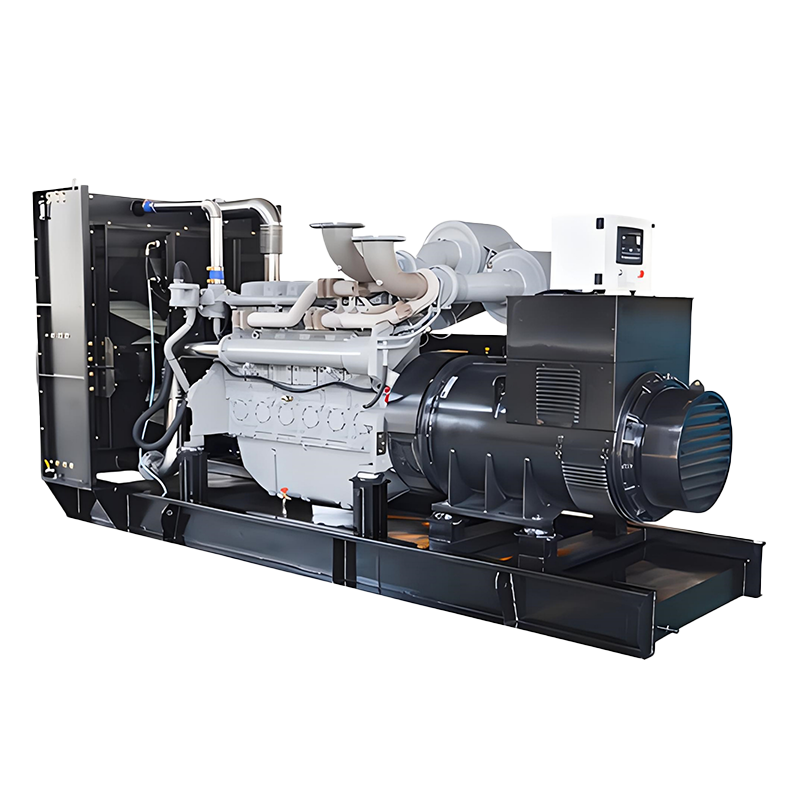
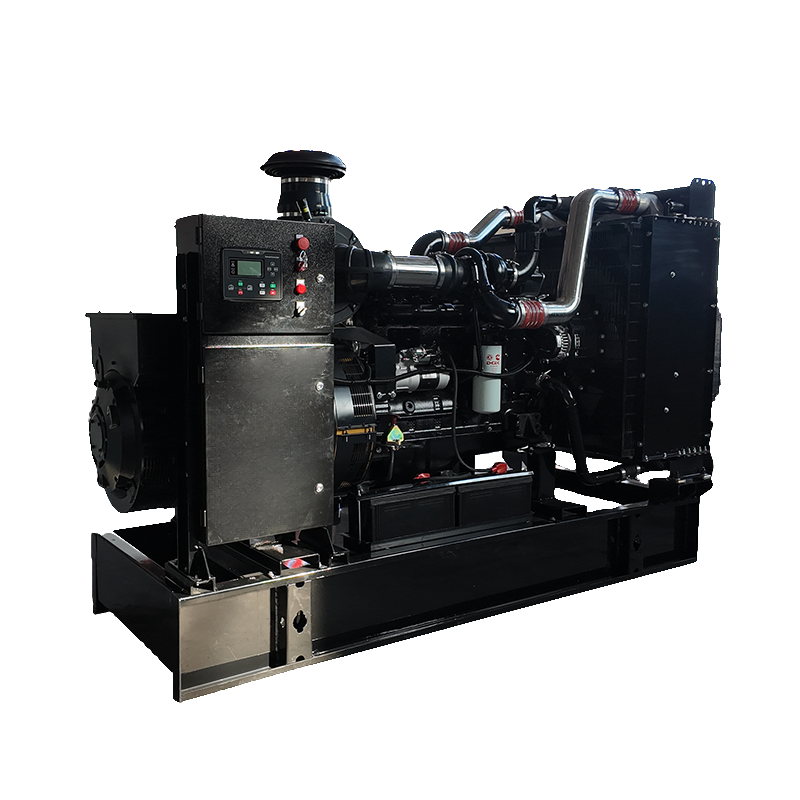
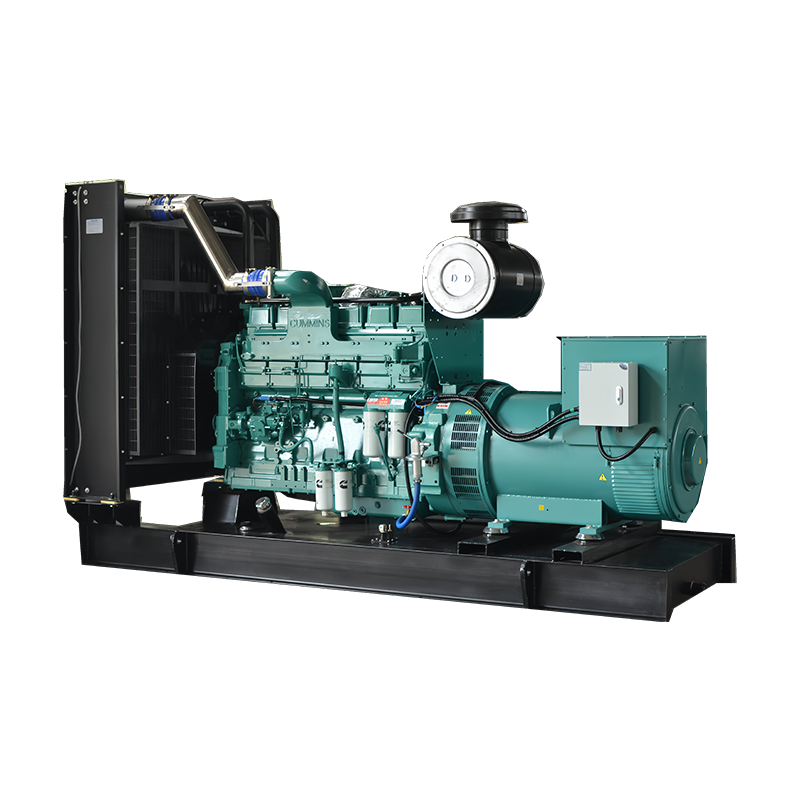
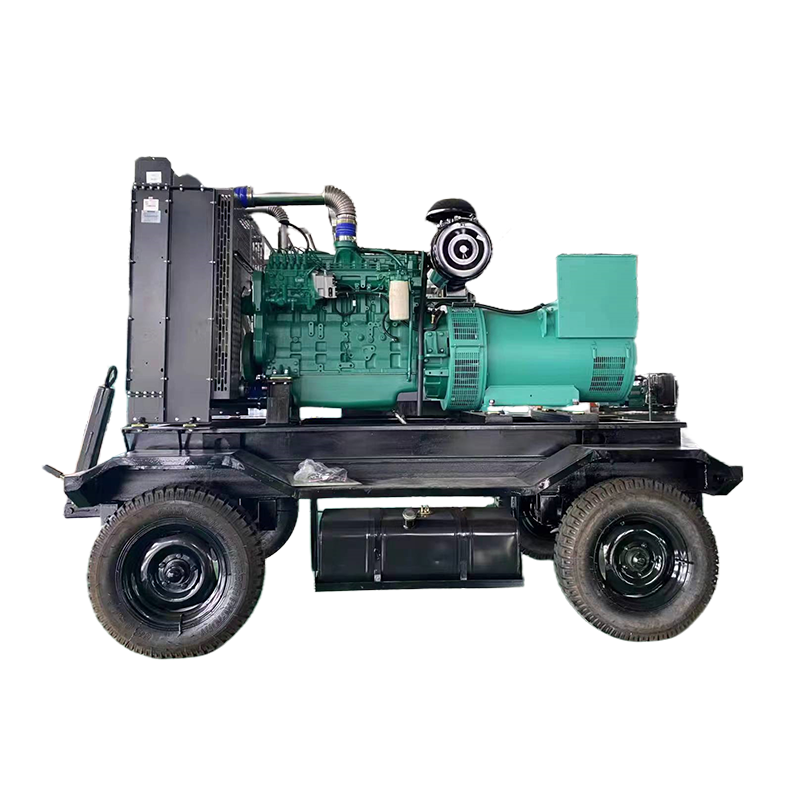
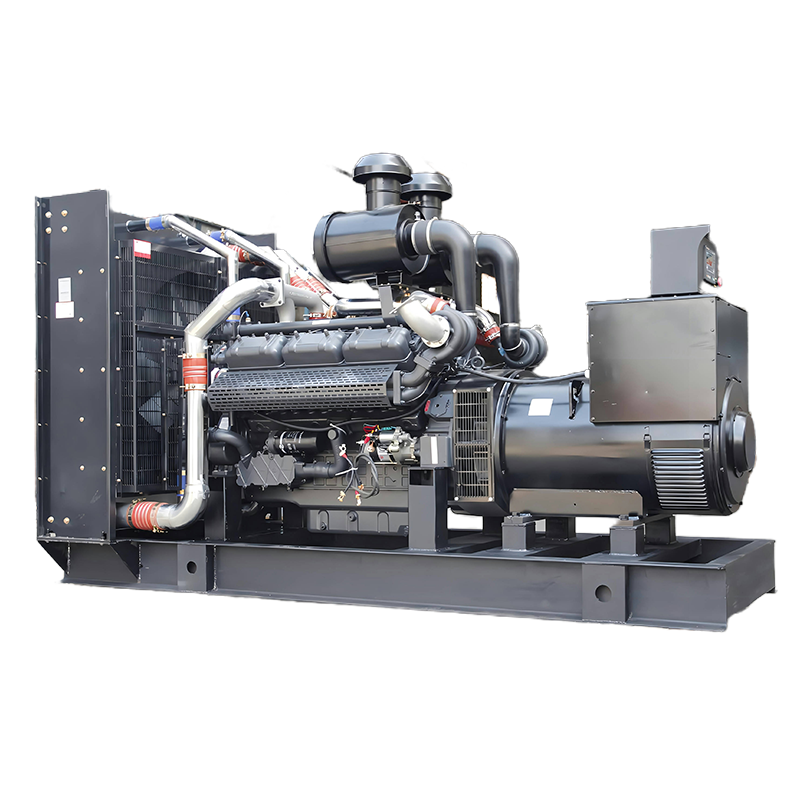
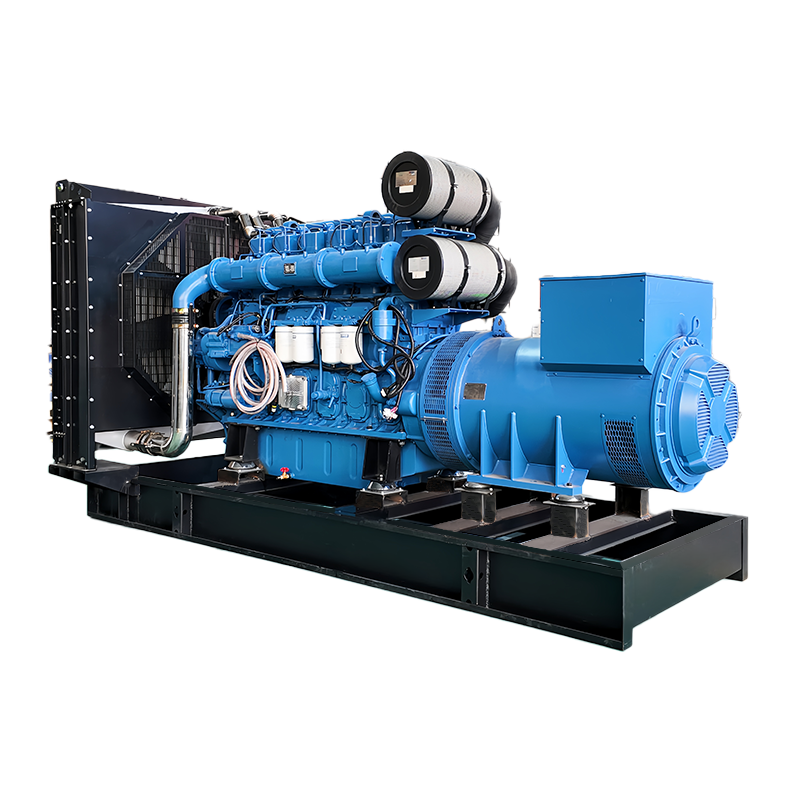
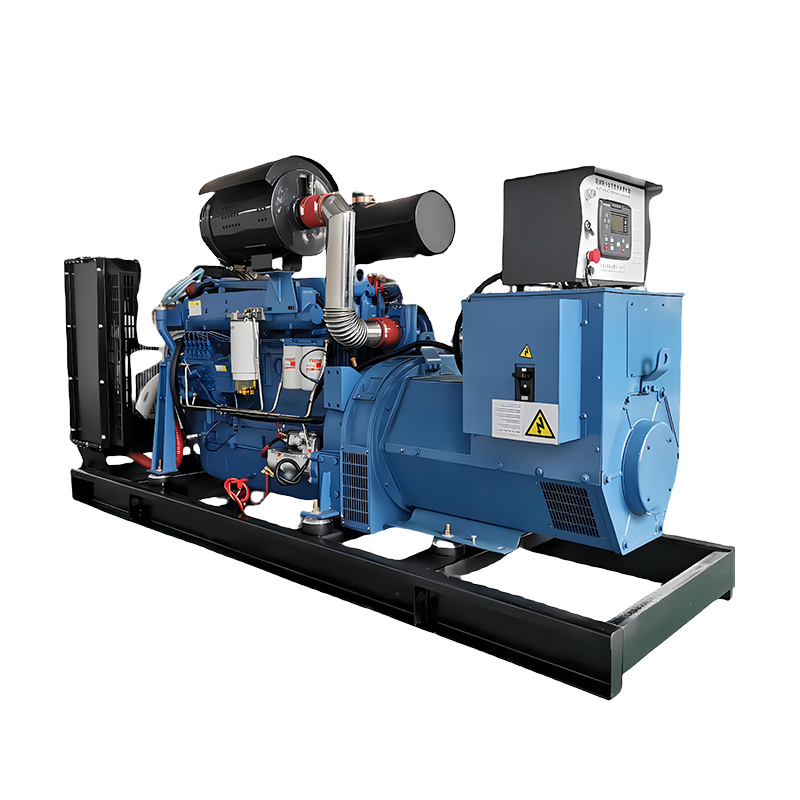
An open-frame diesel generator set is the industry standard. Without an enclosure, it offers the lowest cost, straightforward maintenance access, and simple installation. These sets are typically placed in dedicated generator rooms, plant areas, or industrial sites where noise is not a major concern, and they remain the most common choice for factories and construction projects.
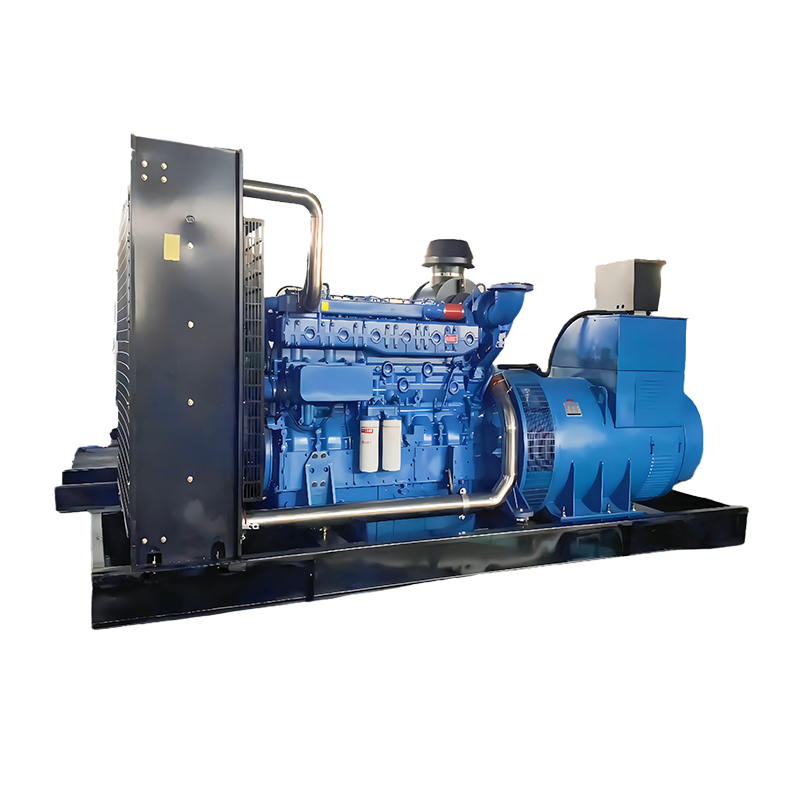 Open Frame Diesel Generator Sets for Industrial SitesThis open-frame generator offers straightforward maintenance and low cost, making it ideal for factories and construction projects where noise is not a major concern. Its simple design ensures easy installation and heat dissipation.View Product →
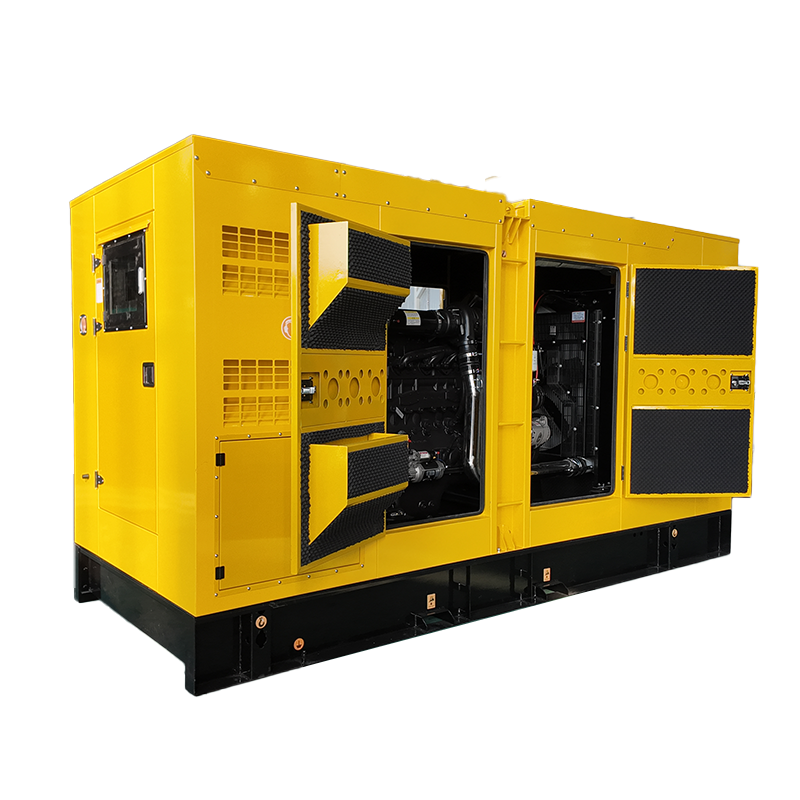
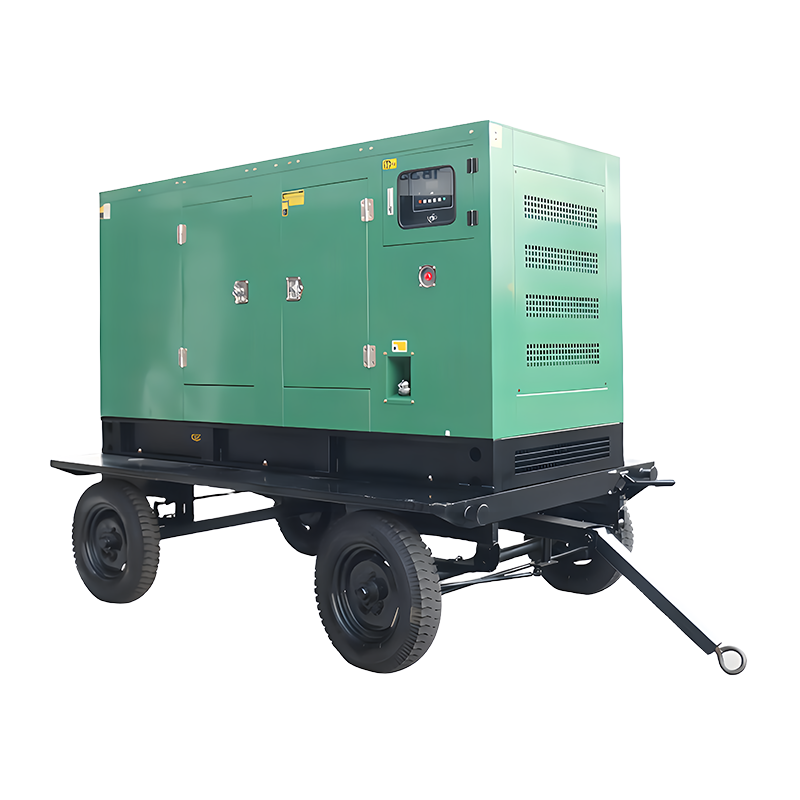
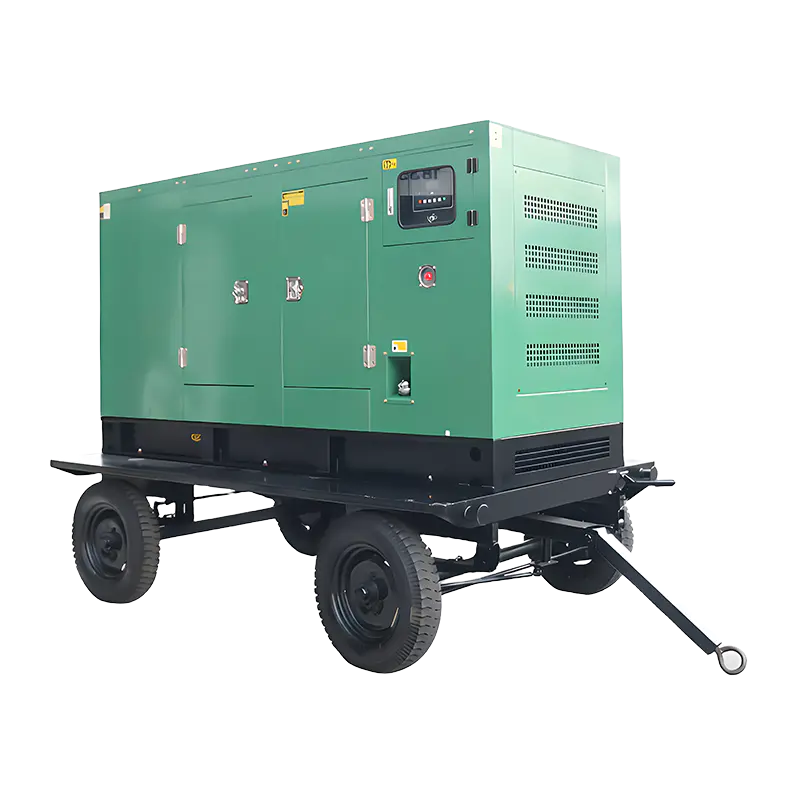
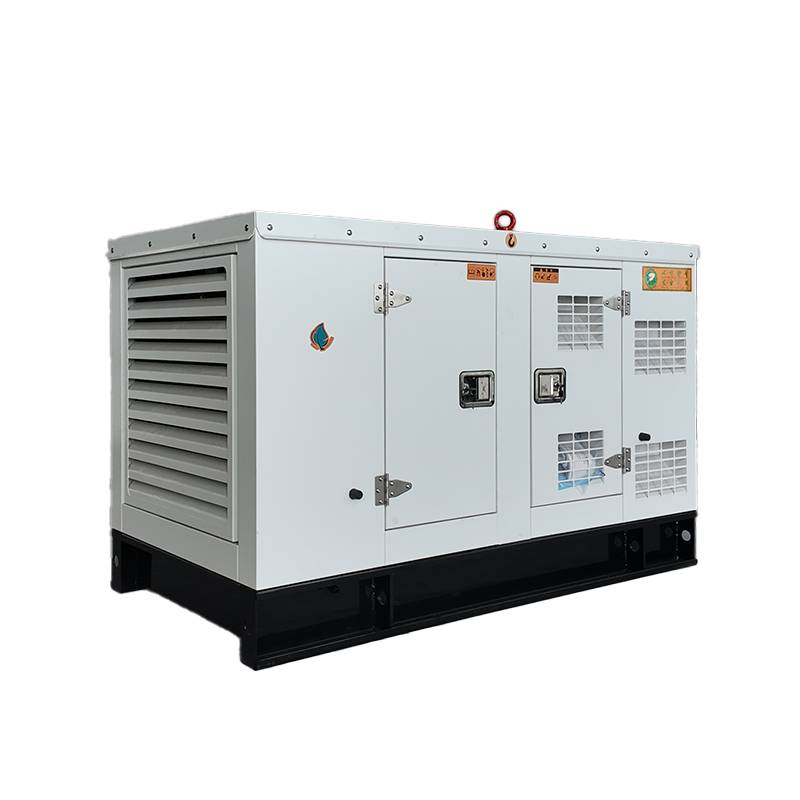
Where people live, work, or sleep nearby, a silent type diesel generator set wraps the same reliable engine and alternator in a sound-attenuated canopy. This can reduce operating noise to levels acceptable for hotels, hospitals, office buildings, and residential neighborhoods, making it one of the most popular choices for commercial backup power.
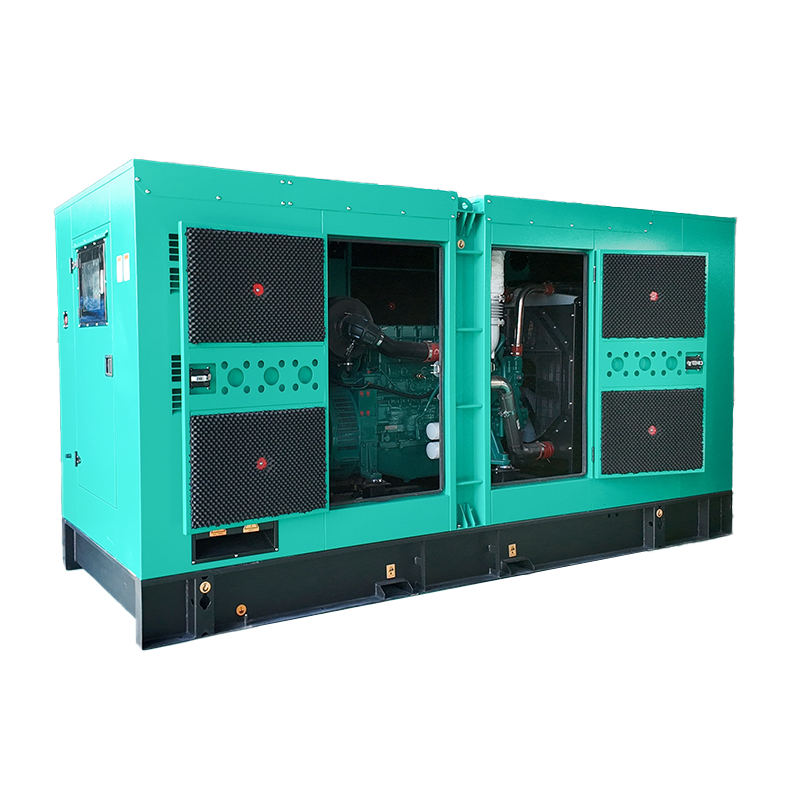 Silent Type Diesel Generator Sets for Noise-Sensitive AreasThis silent generator set combines a sound-attenuated canopy with reliable engine and alternator, reducing noise for hotels, hospitals, and residential zones. It also saves the expense of building a separate generator room.View Product →
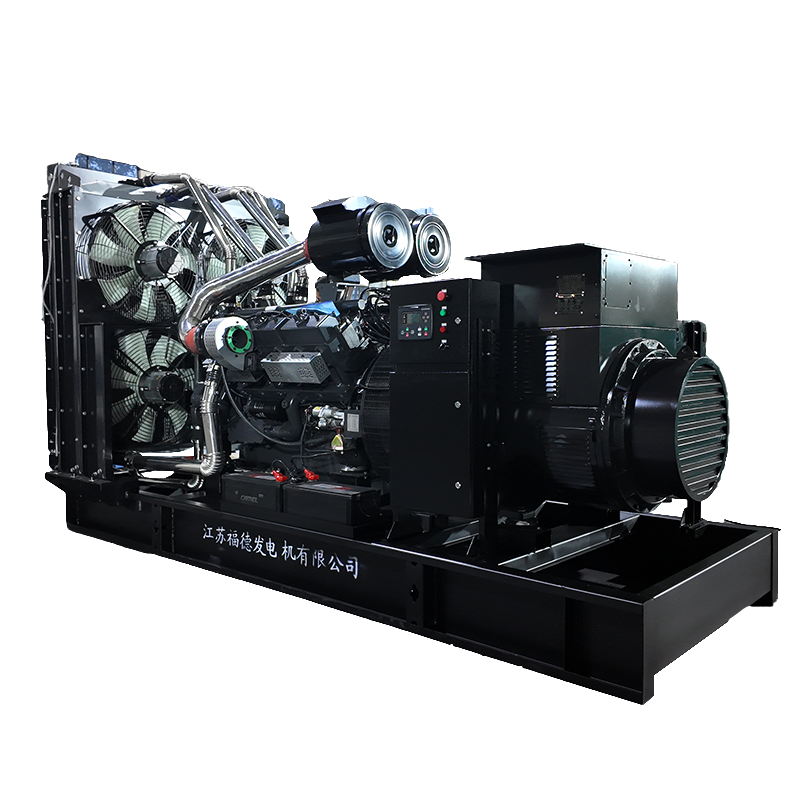
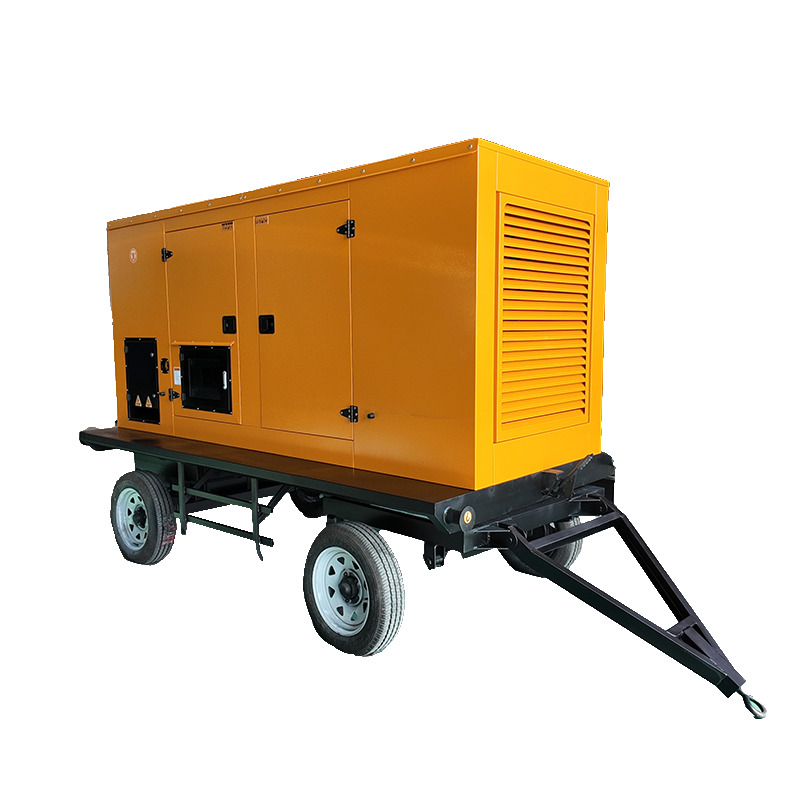
For high-capacity applications in harsh outdoor environments, such as mines, large construction camps, and temporary power plants, a container type diesel generator set houses a powerful unit in a weatherproof, transportable container. It can be delivered to site, connected, and producing electricity in a fraction of the time needed for a permanent installation.
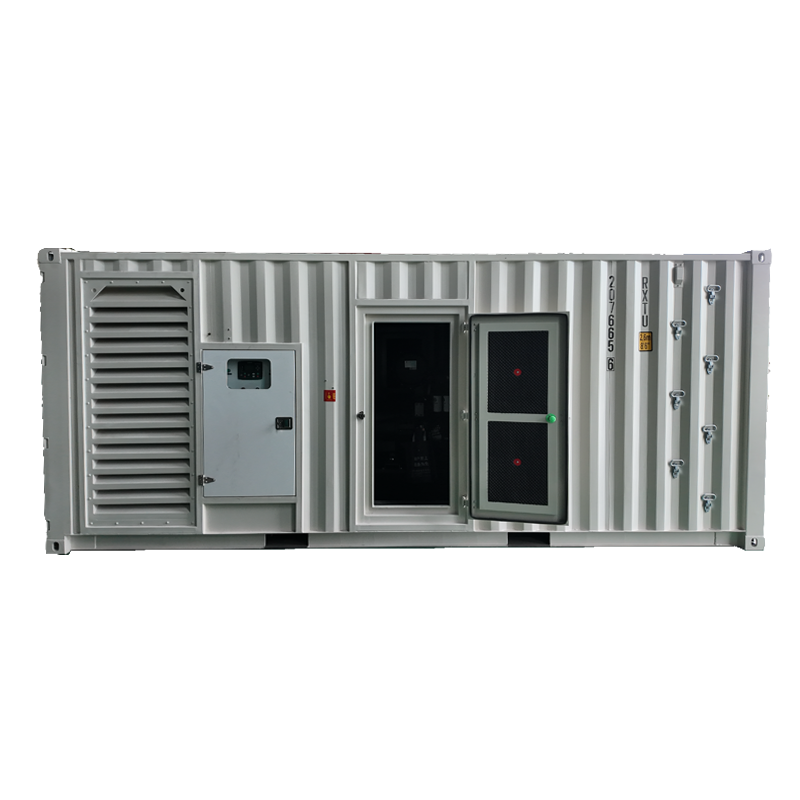 Container Type Diesel Generator Sets for Outdoor Power NeedsFeaturing a weatherproof, transportable container, this generator set suits harsh environments like mines and construction camps. It integrates fuel and control systems, enabling rapid deployment and lower installation costs.View Product →
Where Diesel Generators Deliver Reliable Power
Diesel generators are built for two basic roles: prime power and standby power. As prime power, they run continuously in locations with no grid connection, such as mining camps, telecom towers, remote villages, and construction sites. As standby power, they sit ready to start within seconds of a utility failure, protecting hospitals, data centers, factories, airports, and large commercial buildings from costly downtime.
Understanding how the set produces electricity also tells you why it needs clean fuel, unrestricted air flow, and regular maintenance. Dirt and water in the fuel reduce combustion efficiency, blocked air filters raise exhaust temperatures, and worn bearings increase mechanical losses. In short, a generator rewards operators who respect the process behind every kilowatt.
When you are ready to select or size a unit, a good starting point is to review your actual load profile and installation conditions. You can also browse our range of diesel generator products to see the configurations available, or simply contact our team with your requirements. We will help you match the right engine, alternator, and enclosure to the job.
So, how does a diesel generator produce electricity? In its simplest form: diesel fuel is burned in a compression-ignition engine to spin a shaft, and that spinning shaft rotates a magnetic field inside a stationary coil, inducing a steady flow of alternating current. Around those two core actions, fuel delivery, voltage regulation, cooling, lubrication, and control systems make the process safe, efficient, and repeatable.
With decades of experience building open-frame, silent-type, and container-type generator sets, we have seen how much confidence a little technical knowledge gives a buyer. Whether you need prime power for a remote site or standby power for a commercial building, the same principle applies: match the machine to the mission, and maintain it with respect for the engineering inside.
Related Products


-
Xiaoji Town, Jiangdu District, Yangzhou City, Jiangsu Province, China
-
8618944498005
-
+86-18652407919
-
+86-0514-86593686
Copyright © Jiangsu Ford Generator Co., Ltd.
