




 English
 Español
 عربى
عربىHow Efficient Is a Diesel Generator? Key Efficiency Facts & Figures for Buyers
Sep 30, 2026
Content
- 1 How Diesel Generator Efficiency Changes with Load
- 2 What Factors Affect Diesel Generator Efficiency?
- 3 How to Calculate Diesel Generator Efficiency
- 4 How Does Diesel Compare with Gasoline and Natural Gas?
- 5 Practical Steps to Improve Diesel Generator Efficiency
- 6 The Bottom Line on Diesel Generator Efficiency
If you have priced a diesel generator, you already know the purchase cost is only the beginning. Fuel burns through the operating budget month after month, so asking how efficient is a diesel generator is one of the smartest questions a buyer can ask. In our 26 years of building diesel generator sets at Jiangsu Ford Generator, we have watched customers save thousands of dollars simply by understanding how efficiency behaves in the real world.
A diesel generator converts chemical energy in fuel into mechanical energy by combustion, then into electrical energy through the alternator. No conversion is perfect. The efficiency figure tells you how much of the fuel energy actually arrives at your equipment as electricity. For modern industrial diesel generators, the answer typically falls between 35 and 45 percent, depending on load, engine condition, ambient temperature, and maintenance history. The remaining energy leaves as exhaust heat, coolant heat, friction, and electrical losses.
How Diesel Generator Efficiency Changes with Load
The key point that many buyers miss is that efficiency is not a fixed number. It is a curve that depends on how heavily the generator is loaded. Run the set too lightly and you burn more fuel per kWh than necessary. Run it at 100 percent continuously and wear accelerates, forcing downtime and repair costs that offset any fuel savings.
A typical modern industrial diesel generator set behaves something like this:
| Load Percentage | Typical Efficiency | Fuel Consumption per kWh |
|---|---|---|
| 25% | 20–30% | 0.35–0.45 L |
| 50% | 30–35% | 0.28–0.35 L |
| 75% | 35–42% | 0.21–0.28 L |
| 100% | 33–40% | 0.23–0.30 L |
The sweet spot is usually between 70 and 80 percent of rated load. At that point combustion is clean, bearing and piston temperatures are stable, and specific fuel consumption is at its lowest. Operating below 40 percent load for long periods is particularly wasteful: the engine runs cool, fuel burns incompletely, and "wet stacking" causes soot deposits on valves and exhaust systems. Every kWh you generate in that zone costs more than it should.
What Factors Affect Diesel Generator Efficiency?
Several variables push efficiency up or down. Understanding them helps you identify problems before they become expensive.
- Load factor. As described above, a moderately loaded generator is far more efficient than one that is oversized or undersized for the job.
- Correctly sized equipment. Matching the generator to actual demand is the single biggest efficiency lever. Oversized units run light; undersized units run overloaded.
- Maintenance condition. Clogged air filters, worn injectors, old oil, and loose belts all add friction and incomplete combustion, lowering efficiency over time.
- Fuel quality. Water, sediment, or degraded fuel reduce combustion quality. Diesel fuel should be stored clean and rotated regularly.
- Ambient temperature and altitude. Hot, thin air carries less oxygen, so efficiency may fall slightly at high altitude and high ambient temperature.
- Alternator efficiency. A quality copper-wound alternator contributes significantly to overall electrical efficiency, which is why we use high-grade copper brushless alternators in every set we build.
How to Calculate Diesel Generator Efficiency
If you want a precise number for your own installation, the calculation is straightforward. Efficiency is electrical power output divided by fuel energy input, expressed as a percentage.
Efficiency (%) = (kW output × 1000) ÷ (fuel consumption in kg per second × lower heating value of diesel in kJ per kg)
For everyday work, a simpler approximation is enough: one litre of diesel fuel contains roughly 10 kWh of energy. If a generator produces 3.7 kWh of electricity from that litre, its efficiency is about 37 percent. Another useful benchmark is specific fuel consumption. Most modern diesel generator sets consume approximately 0.2 to 0.4 litres per kWh produced, with the best figure at 70 to 80 percent load.
You do not need to perform these calculations often, but it helps to know the formula when comparing quotes from different suppliers. A generator that looks cheaper on paper may burn far more fuel over ten years of service.
How Does Diesel Compare with Gasoline and Natural Gas?
Diesel engines are fundamentally more efficient than spark-ignited gasoline engines. A typical gasoline generator converts only 20 to 30 percent of fuel energy into electricity, while a diesel generator commonly reaches 35 to 45 percent. Diesel fuel also carries more energy per litre, and diesel engines produce strong torque at low speed, which suits generator applications well.
Natural gas generators have made progress in recent years, and where cheap gas is available they can offer lower running costs. However, for high and spiking loads, mission-critical facilities, and sites where fuel storage and availability are priorities, diesel still wins on efficiency per kWh and load response. If you run a generator only for occasional emergencies and the facility has natural gas, gas may be attractive. If you need dependable, fuel-efficient power under heavy and varied loads, diesel remains the practical choice.
Practical Steps to Improve Diesel Generator Efficiency
Now that you know what drives efficiency, here are the habits that deliver measurable results:
- Right-size the generator. Calculate the real load profile, including starting currents, before purchase. Do not buy oversized unless you plan for load growth. Our step-by-step sizing guide walks you through the process.
- Keep the load in the sweet spot. Run the set at 70 to 80 percent load where possible. If your actual demand is far lower, consider a smaller unit or split loads.
- Follow a maintenance schedule. Change oil and filters on time, replace air filters, check injectors, and perform regular load bank testing. Scheduled servicing is the cheapest fuel-saving investment you can make.
- Use clean, quality fuel. Buy fuel from a reputable supplier and store it in clean, sealed tanks.
- Choose the right machine for the environment. An enclosure that ventilates properly keeps the engine cool without starving it of air, preserving combustion efficiency.
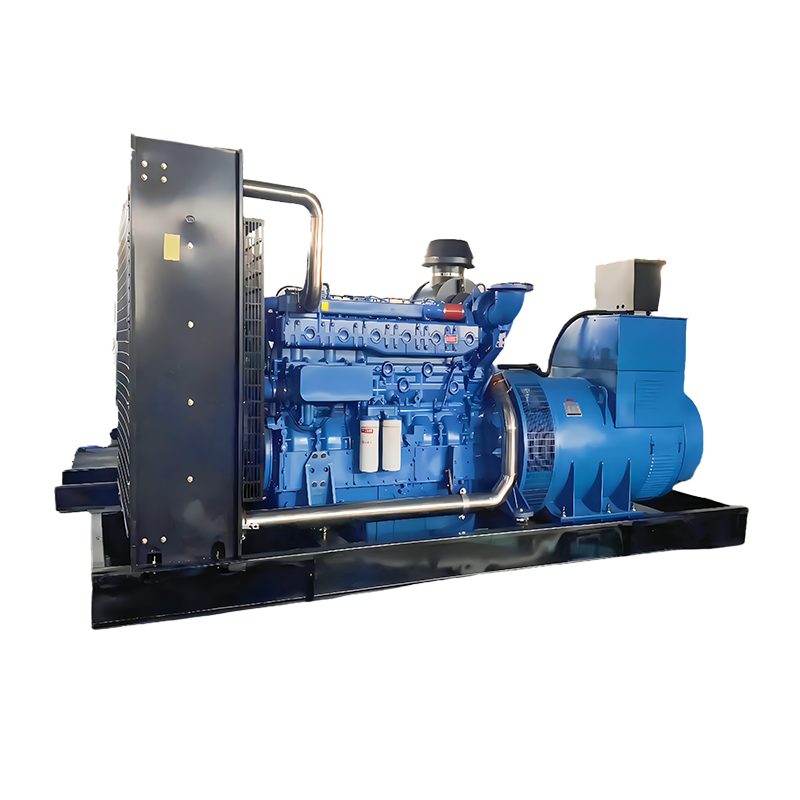
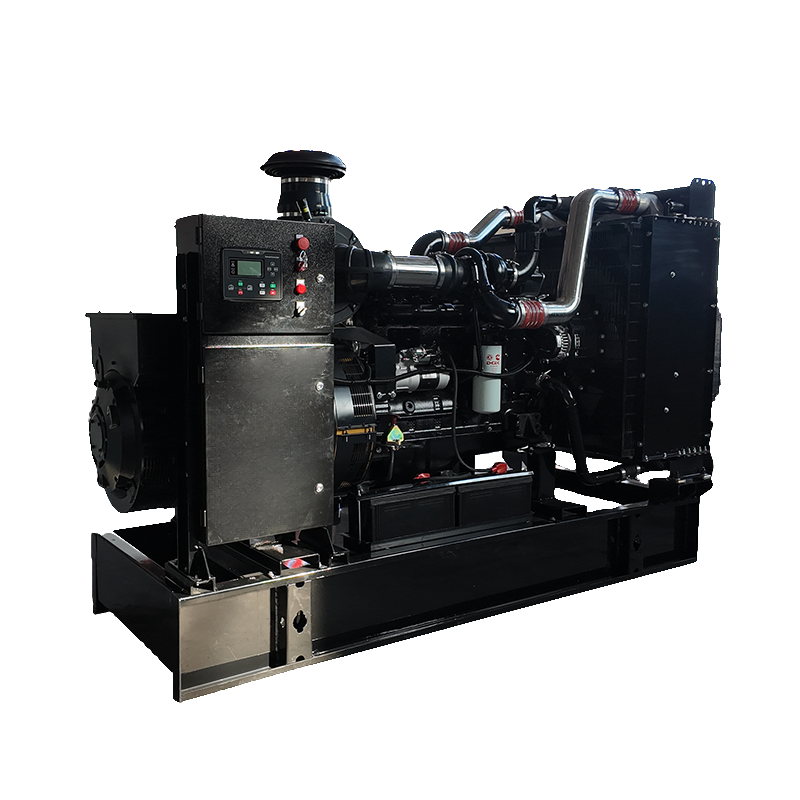
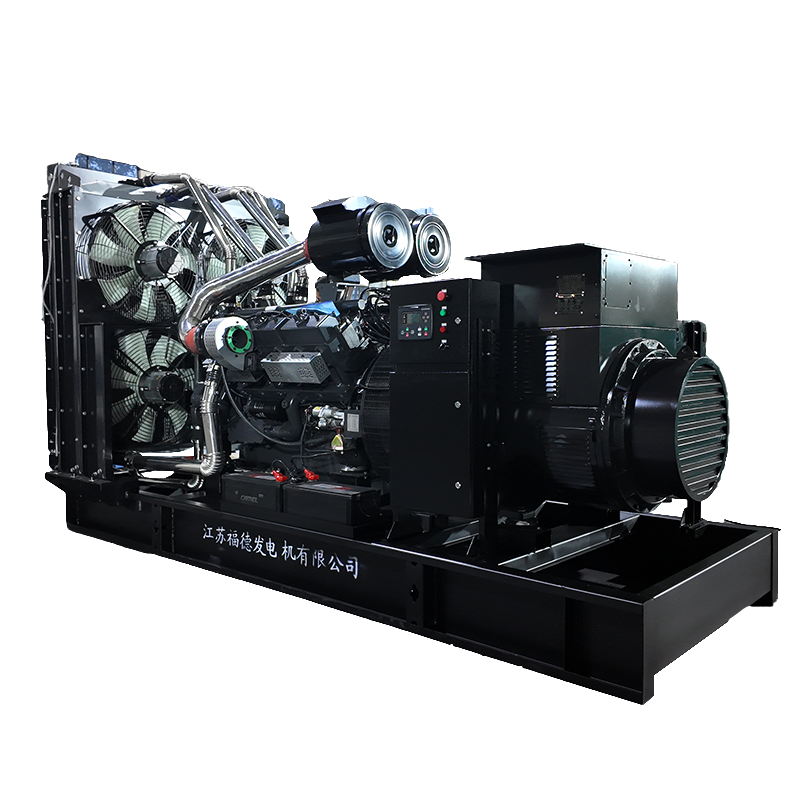
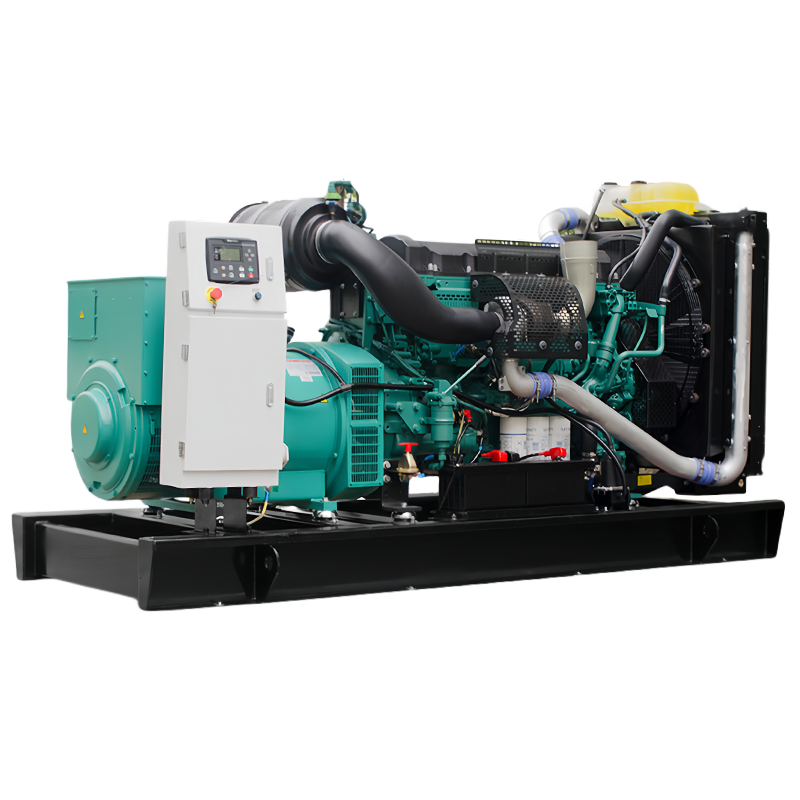
This is where a professional manufacturer adds value beyond a standard catalog. At our factory we guide customers through configuration options rather than simply shipping a generic box. For open installations where noise is not a concern, an open-frame diesel generator set offers the most straightforward solution.
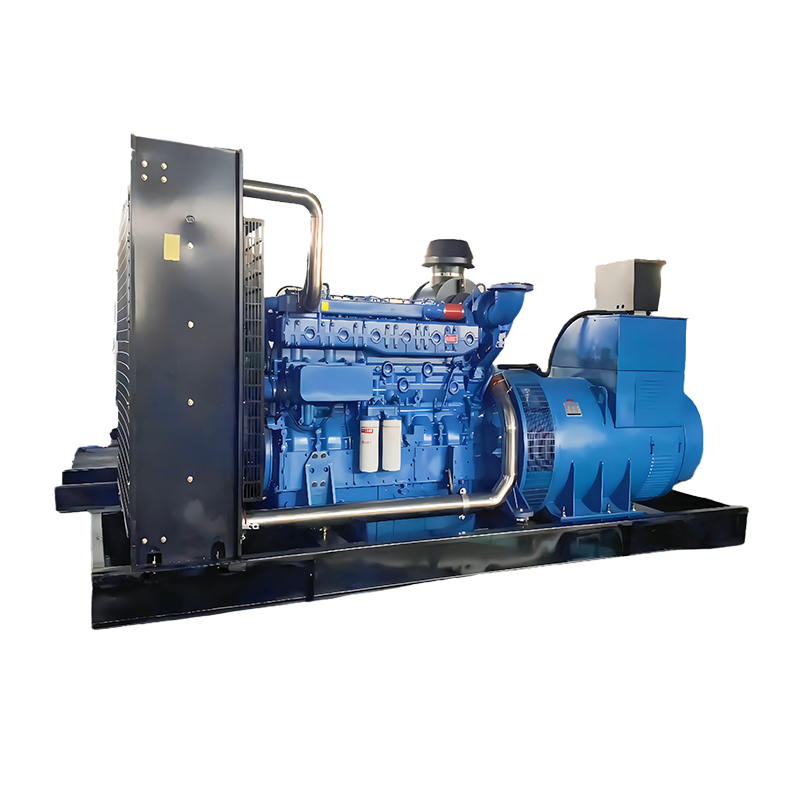 Open Frame Diesel Generator Set for Straightforward InstallationsThis open-frame diesel generator set offers simple structure and easy maintenance, making it a practical choice for sites where noise control is not a primary concern.View Product →
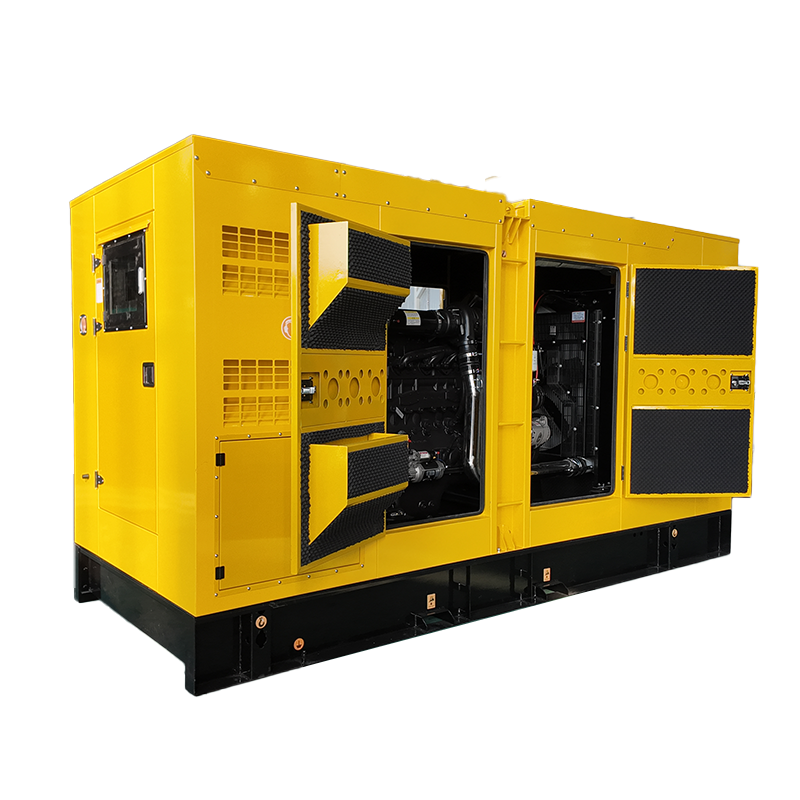
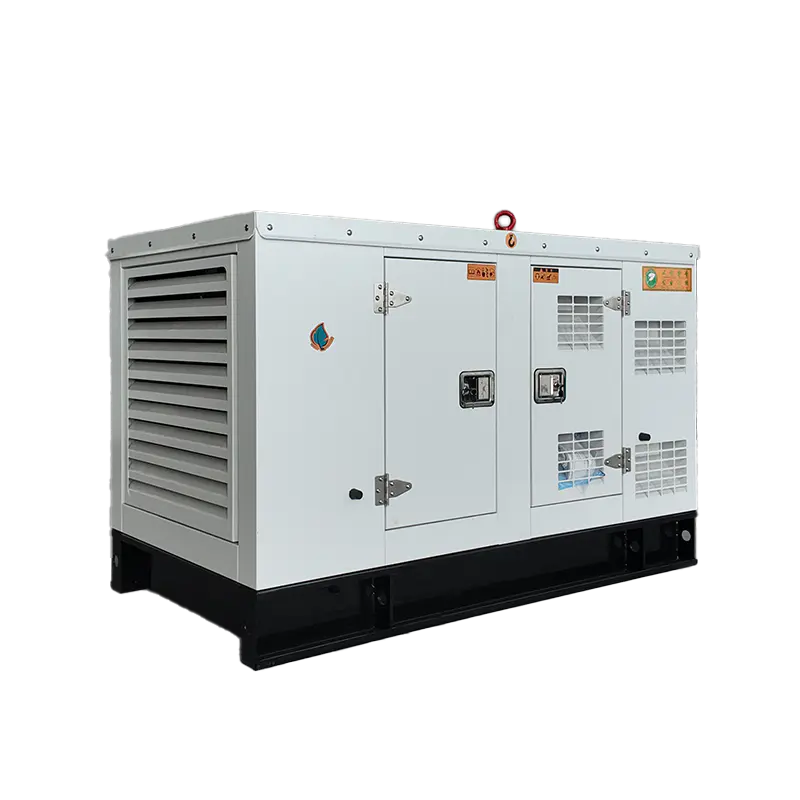
In residential complexes, hospitals, and events, a silent-type diesel generator set reduces noise dramatically while maintaining the same efficiency.
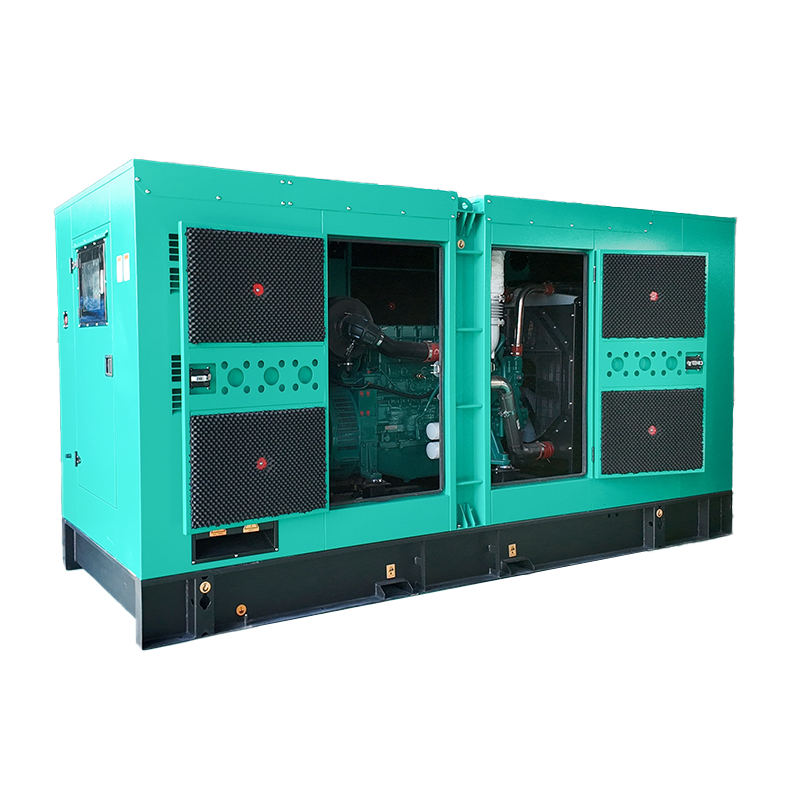 Silent Type Diesel Generator Set for Noise-Sensitive EnvironmentsWith soundproof and rainproof housing, this silent generator set suits hospitals and residential areas, cutting environmental noise while maintaining reliable backup power.View Product →
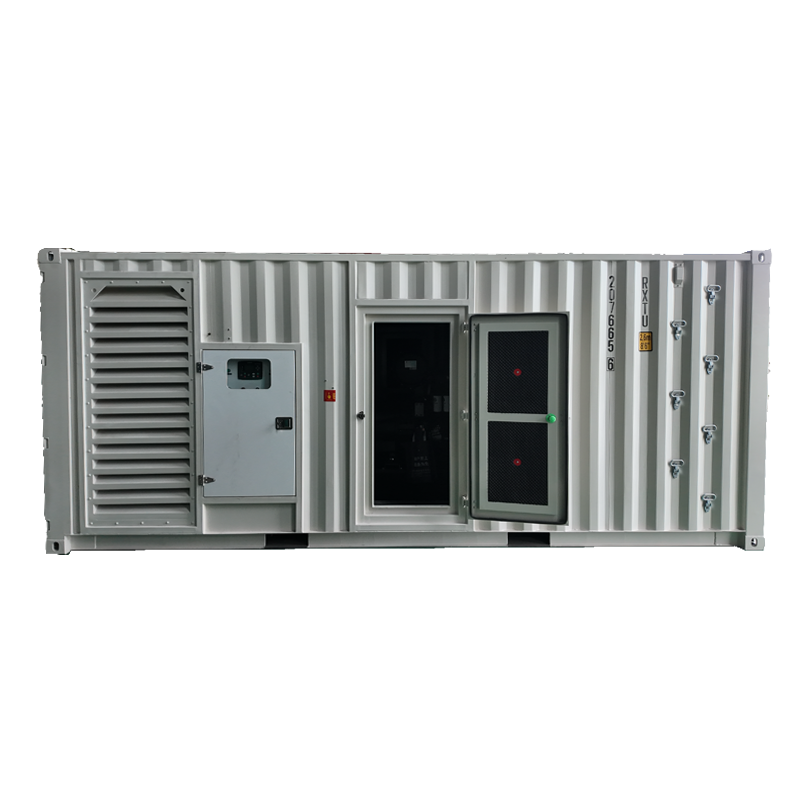
And for outdoor sites exposed to rain, dust, or harsh environments, a container-type diesel generator set keeps the engine protected without compromising airflow.
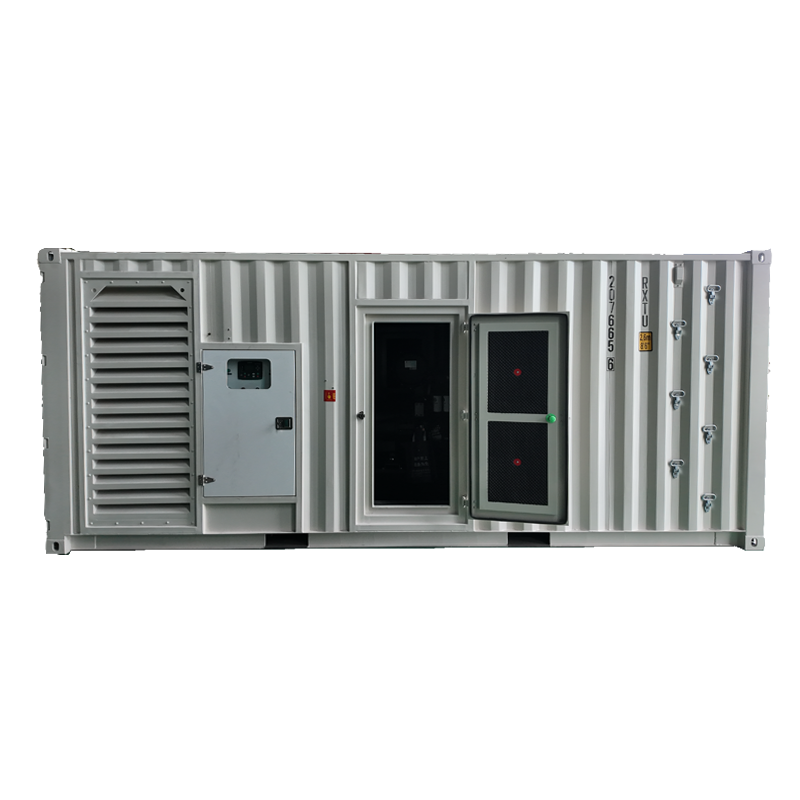 Container Type Diesel Generator Set for Harsh Outdoor ConditionsThis containerized generator integrates the unit, controls, and fuel system in a durable enclosure, reducing on-site setup and protecting the engine from rain and dust.View Product →
The common thread is that efficiency is not just a spec-sheet number. It is the result of choosing the right size, running it in the right load range, servicing it on schedule, and fitting it with an enclosure that supports rather than suffocates the engine.
The Bottom Line on Diesel Generator Efficiency
At this point, you can answer the original question with confidence. A diesel generator is typically 35 to 45 percent efficient under well-managed conditions, with the best performance coming at 70 to 80 percent load. That efficiency depends on correct sizing, disciplined maintenance, fuel quality, and sensible operating choices. With those factors under control, diesel generators remain one of the most reliable and fuel-efficient sources of backup and primary power available. If you are sizing a new installation or wondering whether your current generator is burning too much fuel, start by measuring actual load, then compare the numbers we discussed, and you will quickly see where savings are hiding.
Related Products

Related News

-
Xiaoji Town, Jiangdu District, Yangzhou City, Jiangsu Province, China
-
8618944498005
-
+86-18652407919
-
+86-0514-86593686
Copyright © Jiangsu Ford Generator Co., Ltd.
