




 English
 Español
 عربى
عربىHow Long Do Portable Generators Run? Full Guide
Apr 08, 2026
Content
- 1 Portable Generator Runtime by Fuel Type and Size
- 2 The Single Biggest Factor Affecting Runtime: Load Level
- 3 How Long Do Movable Type Diesel Generators Run
- 4 How Long Do Mobile Silent Diesel Generators Run
- 5 Key Factors That Reduce Portable Generator Runtime
- 6 Diesel vs. Gasoline Portable Generators: Runtime Comparison
- 7 How to Calculate Your Generator's Runtime Before You Need It
- 8 Proven Ways to Extend Your Portable Generator's Runtime
- 9 How Long Can You Continuously Run a Portable Diesel Generator
Most portable generators run between 8 and 24 hours on a single tank of fuel, depending on tank capacity, load level, and engine type. Gasoline portable generators typically deliver 8–12 hours per tank, while movable type diesel generators and mobile silent diesel generators consistently achieve 12–24 hours or more per fill under the same load conditions, thanks to diesel's higher energy density and more efficient combustion.
However, runtime is not a fixed number — it changes significantly based on how hard the generator is working, the size of the fuel tank, altitude, temperature, and maintenance condition. This guide breaks down exactly how long you can expect portable generators to run, what factors cut that time short, and how diesel mobile generators outperform gasoline equivalents in extended-use applications.
Portable Generator Runtime by Fuel Type and Size
The table below shows typical runtime ranges for portable generators across common fuel types and power output classes, measured at 50% rated load — the standard benchmark used by most manufacturers.
| Generator Type | Power Output | Tank Capacity | Runtime at 50% Load |
|---|---|---|---|
| Gasoline portable | 2,000–3,500W | 3.5–5 L | 8–10 hours |
| Gasoline portable | 5,000–7,500W | 6–10 L | 8–12 hours |
| Propane / LPG portable | 3,000–6,000W | 20 lb tank | 10–18 hours |
| Portable diesel generator | 5,000–10,000W | 12–20 L | 14–22 hours |
| Movable type diesel generator | 10–50 kW | 50–200 L | 18–48 hours |
| Mobile silent diesel generator | 20–200 kW | 100–500 L | 24–72+ hours |
These figures assume standard operating temperature, sea-level altitude, and a well-maintained engine. Real-world runtimes will vary — typically 10–20% shorter in hot climates or at high altitudes where air density decreases combustion efficiency.
The Single Biggest Factor Affecting Runtime: Load Level
Load — how much of the generator's rated capacity you are actually using — is the most powerful variable affecting runtime. A generator running at 25% load can last nearly twice as long as the same unit running at 100% load on an identical tank of fuel.
To illustrate: a mobile silent diesel generator rated at 30 kW with a 120-liter tank consuming 6.5 liters/hour at 75% load will run approximately 18.5 hours. The same generator at 25% load consumes roughly 2.8 liters/hour, extending runtime to over 42 hours without refueling.
Why Running at 50–75% Load Is the Optimal Range
- Below 25% load: Diesel engines run "wet" — incomplete combustion deposits carbon (wet stacking) in cylinders and exhaust, reducing engine life and efficiency.
- 50–75% load: The ideal operating zone. Combustion is complete, fuel efficiency peaks, and engine temperatures remain in the optimal range for longevity.
- Above 90% load: Fuel consumption increases sharply, engine temperatures rise, and runtime per tank shortens significantly. Sustained overloading accelerates wear.
How Long Do Movable Type Diesel Generators Run
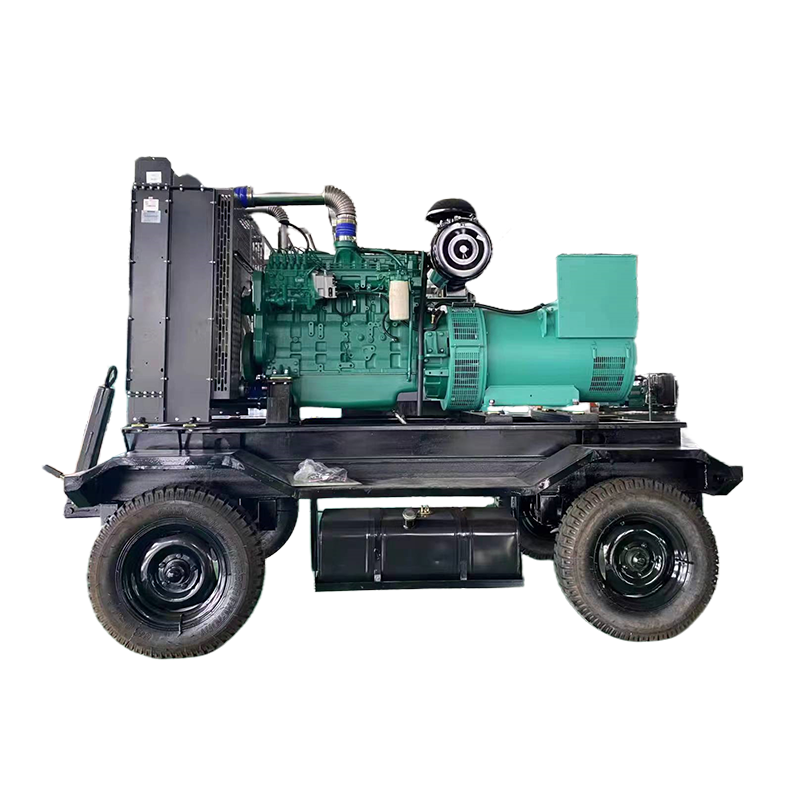
Movable type diesel generators — wheeled or skid-mounted diesel units designed to be transported between job sites — are engineered for extended continuous operation beyond what consumer-grade gasoline units can deliver. Their larger displacement engines and bigger fuel tanks make them the standard choice for construction sites, remote infrastructure projects, and industrial temporary power.
Typical Runtime Performance
A typical movable type diesel generator in the 20–50 kW range carries a fuel tank of 80–200 liters. At 75% load, fuel consumption runs approximately 5–12 liters per hour depending on output. This translates to:
- 20 kW unit with 80L tank: approximately 18–22 hours at 75% load
- 30 kW unit with 120L tank: approximately 20–28 hours at 75% load
- 50 kW unit with 200L tank: approximately 24–36 hours at 75% load
Continuous Operation Limits
While the fuel tank sets the per-fill runtime, the engine itself has a continuous operation recommendation. Most movable type diesel generators are rated for continuous duty (COP) operation — meaning they can run 24 hours a day indefinitely provided oil is changed at the manufacturer's recommended interval, typically every 250–500 hours of operation. This is in sharp contrast to gasoline portable generators, which typically carry a recommendation to rest the engine for at least 30 minutes per 8 hours of operation due to less robust cooling systems.
How Long Do Mobile Silent Diesel Generators Run
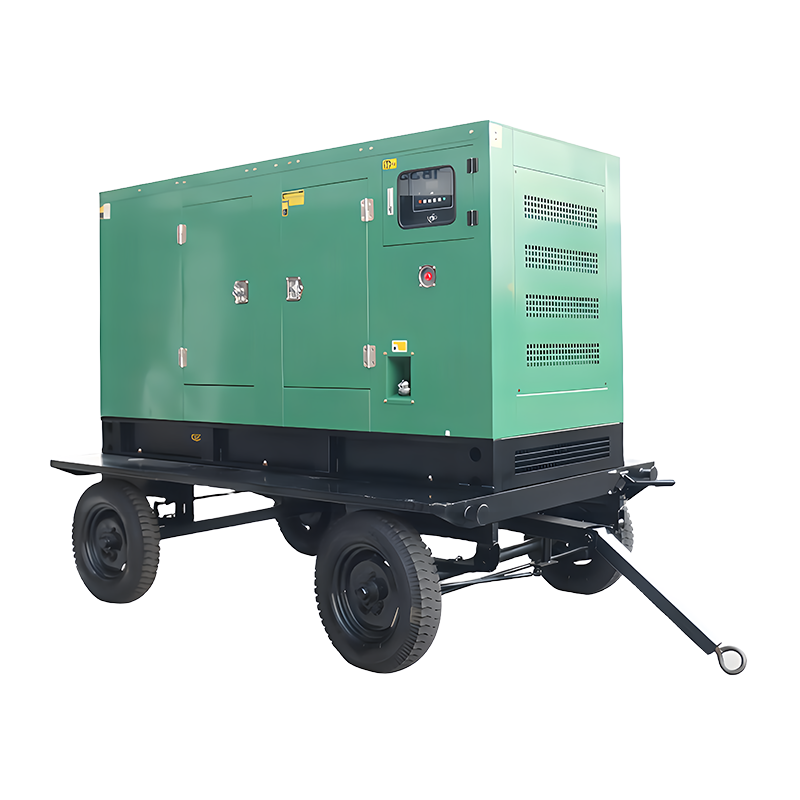
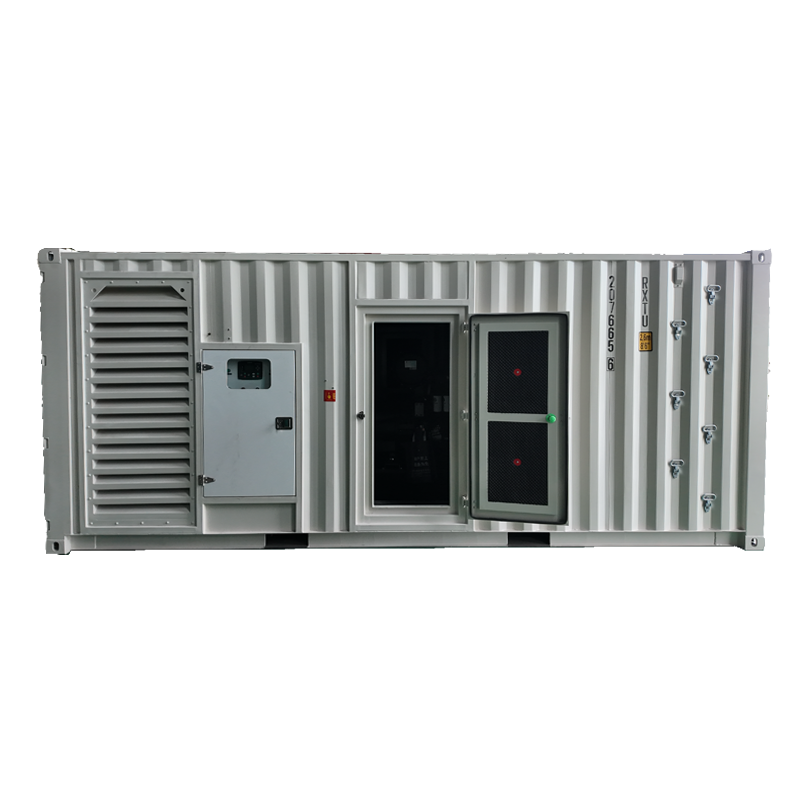
Mobile silent diesel generators — enclosed in acoustic canopies and mounted on road-towable trailers — represent the highest-endurance category of portable power. Their combination of large-capacity sub-base fuel tanks, industrial diesel engines, and heavy-duty cooling systems enables runtimes that far exceed any other portable generator format.
Sub-Base Tank Capacities and Expected Runtimes
Mobile silent diesel generators are standardly equipped with sub-base fuel tanks integrated into the trailer frame, with capacities ranging from 200 liters to over 1,000 liters in large trailer-mounted units. Real-world runtime examples:
| Output (kW) | Fuel Consumption (L/hr at 75%) | Tank Capacity (L) | Estimated Runtime |
|---|---|---|---|
| 20 kW | ~4.5 L/hr | 200 L | ~44 hours |
| 50 kW | ~11 L/hr | 300 L | ~27 hours |
| 100 kW | ~22 L/hr | 500 L | ~22 hours |
| 200 kW | ~45 L/hr | 1,000 L | ~22 hours |
Extending Runtime with External Fuel Connections
Most commercial mobile silent diesel generators include an external fuel inlet port that allows connection to a secondary bulk fuel tank or a gravity-fed supply drum. With a properly sized external tank, runtime becomes theoretically unlimited — the generator runs continuously as long as fuel is supplied and maintenance intervals are observed. This is the standard setup for disaster relief operations, outdoor events lasting multiple days, and remote mining or drilling camps where grid power is unavailable.
Key Factors That Reduce Portable Generator Runtime
Understanding what shortens runtime helps you plan fuel requirements accurately and avoid being caught short during critical operations.
High Ambient Temperature
At ambient temperatures above 35°C (95°F), generator engines must work harder to maintain operating temperature, increasing fuel consumption by 5–10%. Cooling systems on air-cooled portable generators are most affected; liquid-cooled engines in larger movable type and mobile silent diesel generators handle heat better but still see efficiency reductions in extreme heat.
High Altitude Operation
For every 1,000 meters (3,300 feet) of elevation above sea level, naturally aspirated diesel engines lose approximately 3–4% of rated power output due to reduced air density. To maintain the same electrical output, the engine compensates by consuming proportionally more fuel. At 2,000m altitude, a generator may use 6–8% more fuel per hour than the same unit operating at sea level.
Poor Maintenance and Dirty Filters
A clogged air filter forces the engine to work harder for the same combustion output, directly increasing fuel consumption. Studies on diesel engine maintenance show that a severely clogged air filter can increase fuel consumption by 10–15%. Similarly, degraded engine oil with poor lubrication properties increases internal friction and reduces efficiency. Regular maintenance — oil changes every 250 hours, air filter inspection every 100 hours — directly preserves rated runtime.
Reactive (Inductive) Loads
Motor-driven appliances such as air conditioners, pumps, and compressors draw a startup surge of 3–6× their rated running current when first activated. While this surge lasts only a fraction of a second, repeatedly starting large inductive loads keeps the generator engine working in a higher output range and can reduce effective runtime by 5–15% compared to purely resistive loads of equivalent wattage.
Diesel vs. Gasoline Portable Generators: Runtime Comparison
Diesel consistently outperforms gasoline in runtime for equivalent tank sizes. This difference stems from two fundamental advantages: diesel's higher energy content per liter and the greater thermal efficiency of diesel compression-ignition engines compared to spark-ignition gasoline engines.
- Energy density: Diesel contains approximately 35.8 MJ/liter of energy versus 32.0 MJ/liter for gasoline — about 12% more energy per liter.
- Thermal efficiency: Diesel engines convert approximately 40–45% of fuel energy into useful work, compared to 25–30% for typical gasoline portable generator engines.
- Combined advantage: A diesel portable generator of equal tank size and output rating will typically run 30–50% longer per fill than a comparable gasoline unit.
For example: a 7.5 kW gasoline generator with a 10-liter tank running at 50% load (consuming approximately 1.2 L/hr) runs about 8 hours. A comparable 7.5 kW diesel portable generator with a 10-liter tank running at 50% load (consuming approximately 0.8 L/hr) runs approximately 12–13 hours — the same tank, 50% more runtime.
How to Calculate Your Generator's Runtime Before You Need It
You do not have to rely on manufacturer estimates. You can calculate expected runtime precisely using three pieces of information found on the generator's specification sheet.
- Find the fuel consumption rate at your operating load: Generator spec sheets list fuel consumption at 25%, 50%, and 75% load. Select the figure that matches your anticipated load level. If you are running a mix of loads totaling approximately 60% of rated capacity, use the 50% figure as a conservative estimate.
- Confirm your usable fuel tank capacity: Most generators specify a "usable" capacity slightly below the total tank volume — typically 90–95% of total capacity — since running a fuel tank completely dry risks drawing air and sediment into the fuel system.
- Apply the formula: Runtime (hours) = Usable Tank Capacity (liters) ÷ Fuel Consumption Rate (liters/hour). Example: a mobile silent diesel generator with a 300-liter usable tank consuming 11 L/hr at 75% load: 300 ÷ 11 = approximately 27 hours.
- Apply a real-world derating factor: Subtract 10–15% from the calculated figure to account for altitude, temperature, and load variation. For the example above: 27 hours × 0.88 = approximately 24 hours of reliable runtime under real conditions.
Proven Ways to Extend Your Portable Generator's Runtime
These practical measures consistently extend runtime across all portable generator types — from small gasoline units to large mobile silent diesel generators.
Reduce and Stagger Your Loads
Identify which connected loads are essential and which are convenience items. Turning off non-essential loads — particularly high-draw items like electric water heaters, air conditioners running at maximum, or space heaters — can reduce fuel consumption by 20–40% and extend runtime proportionally. If multiple large appliances need to run, stagger their startup times to prevent compounding inrush currents that keep the engine at peak output.
Keep the Generator in the Optimal Operating Temperature Range
Position the generator in a shaded, well-ventilated location away from direct sun exposure. For mobile silent diesel generators, ensure the acoustic enclosure ventilation inlets and outlets are not blocked. Maintaining the engine coolant temperature in the 80–95°C (176–203°F) range — as indicated on the temperature gauge — ensures combustion efficiency remains at its design optimum.
Service the Generator Before Extended Deployments
- Replace the air filter if it has seen more than 100 hours of use since the last change
- Change the engine oil and oil filter at or before the 250-hour mark
- Check fuel filters and replace if there is any sign of contamination or restricted flow
- Verify injector condition on diesel units — worn injectors cause incomplete combustion and increase fuel consumption by up to 8–12%
Use a Transfer Switch and Load Management System
For movable type diesel generators and mobile silent diesel generators used in facilities or construction site applications, an automatic load management controller continuously optimizes which loads are active based on generator capacity. This prevents accidental overloading, eliminates unnecessary fuel burn from idle loads, and can extend total runtime per tank by 15–25% in complex multi-load environments compared to unmanaged operation.
How Long Can You Continuously Run a Portable Diesel Generator
Fuel tank capacity sets the per-fill runtime limit, but the engine itself has separate continuous operation guidelines. Understanding both is essential for planning multi-day deployments.
Gasoline Portable Generators
Most consumer gasoline portable generators are not designed for continuous multi-day operation. Manufacturers typically recommend a rest period of at least 30–60 minutes for every 8–12 hours of continuous operation to allow cooling. Engine oil should be checked every 8 hours and changed every 100–150 hours of runtime. Running a gasoline generator continuously for more than 24 hours without servicing risks overheating and accelerated internal wear.
Movable Type and Mobile Silent Diesel Generators
Industrial-grade movable type and mobile silent diesel generators are specifically designed for extended continuous operation. These units carry a Continuous Power (COP) rating — indicating they can run 24 hours a day, 365 days a year with no operational time limit, provided:
- Oil is changed at the manufacturer's specified interval — typically every 250–500 hours
- Coolant level is checked and topped up as needed
- Air and fuel filters are serviced per the maintenance schedule
- Load is maintained within the 50–75% of rated capacity range for optimal longevity
In practice, mobile silent diesel generators deployed for emergency response, mining operations, and telecom tower backup regularly accumulate thousands of continuous operating hours between major services — a performance standard that no gasoline portable generator can match.
Related Products
Related News

-
Xiaoji Town, Jiangdu District, Yangzhou City, Jiangsu Province, China
-
8618944498005
-
+86-18652407919
-
+86-0514-86593686
Copyright © Jiangsu Ford Generator Co., Ltd.
