




 English
 Español
 عربى
عربىHow Long Can a Generator Run? Diesel Runtime Guide
Apr 01, 2026
Content
- 1 Continuous vs Standby vs Prime Power Ratings Explained
- 2 How Long Can Different Generator Types Run?
- 3 What Is a Silent Type Diesel Generator and Why Does It Run Longer?
- 4 Fuel Consumption and Runtime Calculation
- 5 Factors That Reduce Generator Runtime
- 6 How to Extend Generator Runtime Safely
- 7 Recommended Maintenance Intervals That Define Maximum Runtime
- 8 Warning Signs That a Generator Should Not Continue Running
- 9 Choosing the Right Silent Diesel Generator for Long Runtime Applications
Most portable generators can run for 8 to 24 hours on a single tank of fuel, while industrial and standby diesel generators — including silent type diesel generators — are designed for continuous operation of 24 to 500+ hours before requiring a scheduled maintenance stop. The actual runtime depends on four key variables: fuel tank capacity, engine load, ambient temperature, and the generator's duty cycle rating. Silent type diesel generators specifically are engineered for extended continuous duty, making them the preferred choice for hospitals, data centres, and critical infrastructure where uninterrupted power is essential.
Continuous vs Standby vs Prime Power Ratings Explained
Before calculating how long a generator can run, it is essential to understand the three power ratings that manufacturers assign to every generator set. These ratings directly define the maximum allowable runtime and load level:
Standby Power Rating (ESP)
A generator rated for standby use is designed to run for a maximum of 200 hours per year, typically in intervals of no more than 500 consecutive hours before a major service. It should only be used when the main utility grid is unavailable. Running a standby-rated generator continuously as a prime power source will cause premature engine wear and void the manufacturer's warranty.
Prime Power Rating (PRP)
Prime-rated generators are designed for unlimited hours of operation per year as the primary power source, provided a 10% overload capability is available and a 24-hour rest period is observed every 250 hours of continuous running. This is the standard rating for construction sites, remote facilities, and grid-independent applications.
Continuous Power Rating (COP)
The continuous rating is the most demanding — generators with this rating can operate at 100% load indefinitely with no planned interruptions. Silent type diesel generators used in data centres, hospitals, and telecoms infrastructure are typically specified to continuous power ratings. These engines are built with heavier-duty internal components, larger cooling systems, and enhanced lubrication circuits to sustain non-stop operation.
How Long Can Different Generator Types Run?
Runtime varies enormously between generator types. The following figures represent typical operational runtimes under standard conditions at approximately 75% load:
| Generator Type | Fuel | Typical Runtime Per Tank / Cycle | Max Continuous Runtime |
|---|---|---|---|
| Portable petrol/gasoline | Petrol | 8–12 hours | 12–24 hours (then cool down) |
| Portable inverter generator | Petrol | 7–18 hours | Up to 24 hours |
| Portable diesel generator | Diesel | 10–24 hours | Up to 72 hours (standby duty) |
| Silent type diesel generator (prime) | Diesel | 24–250 hours between services | 250 hours (then 24-hr rest) |
| Silent type diesel generator (continuous) | Diesel | Unlimited with fuel supply | 500–1,000+ hours between major services |
| Natural gas standby generator | Natural gas | Unlimited (piped supply) | Up to 500 hours per service interval |
What Is a Silent Type Diesel Generator and Why Does It Run Longer?
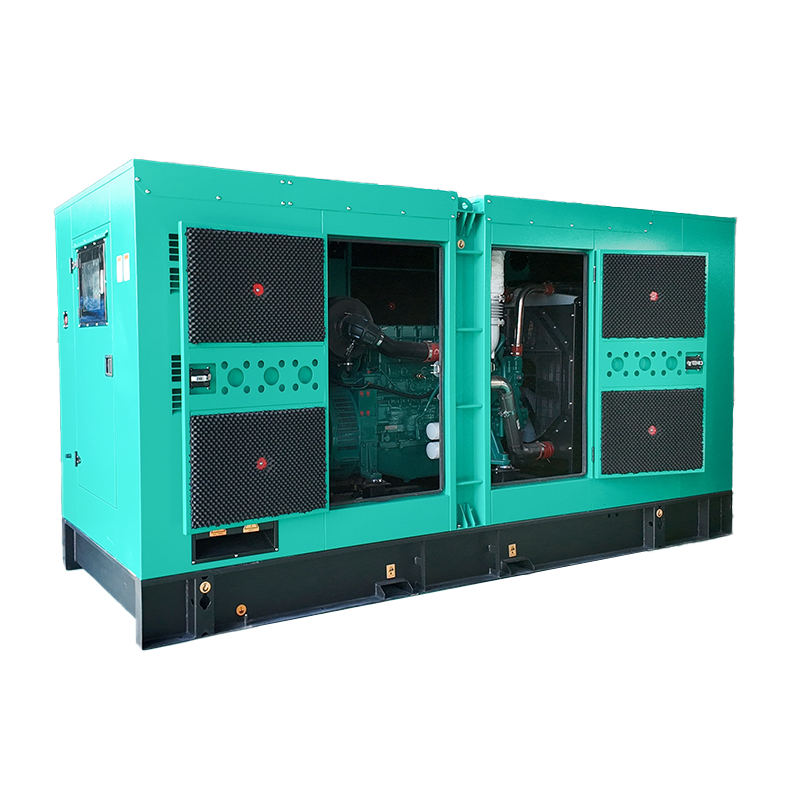
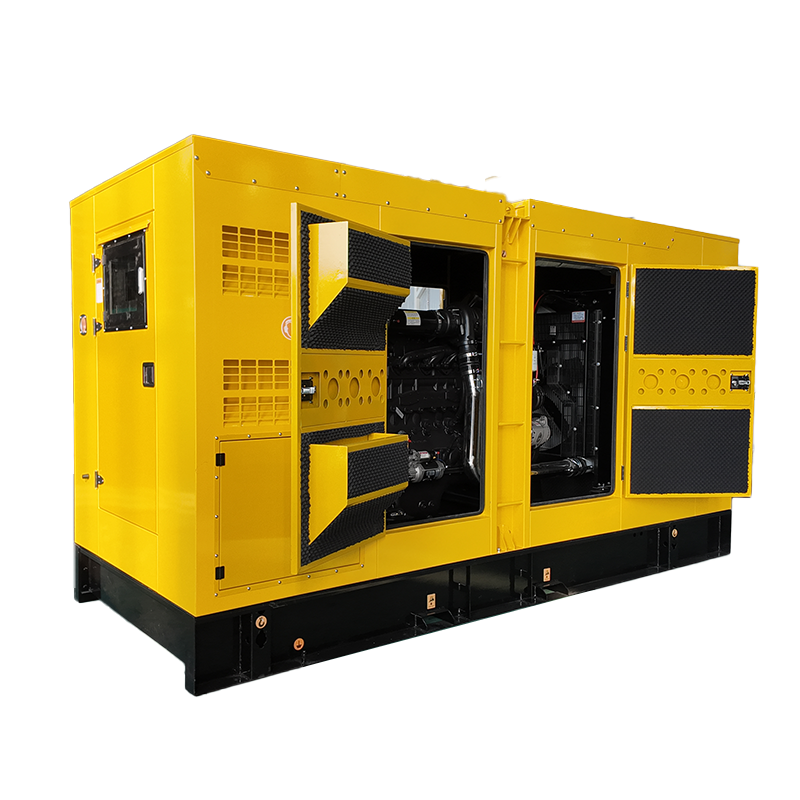
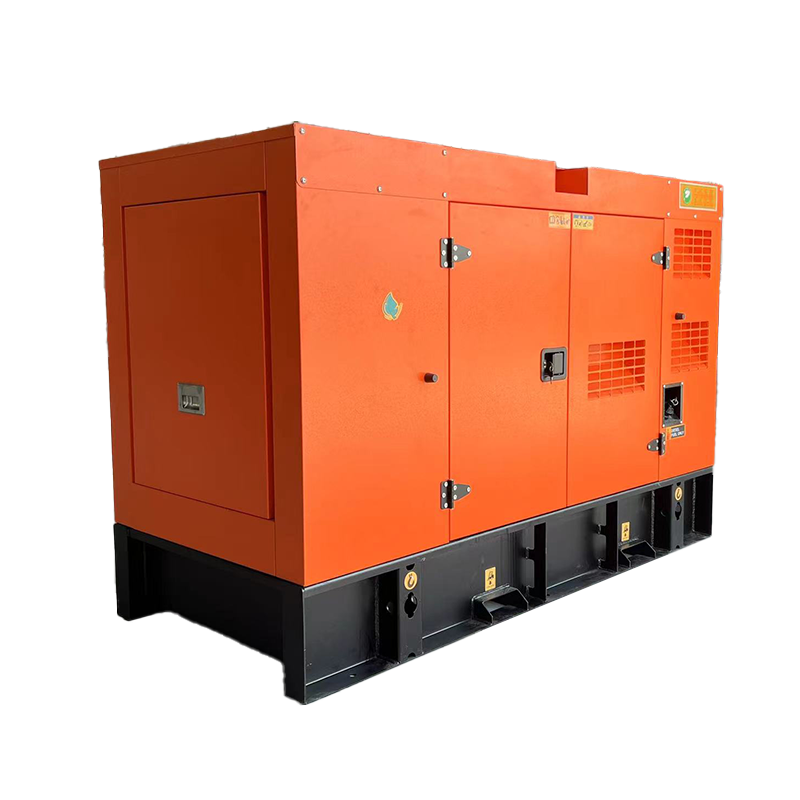
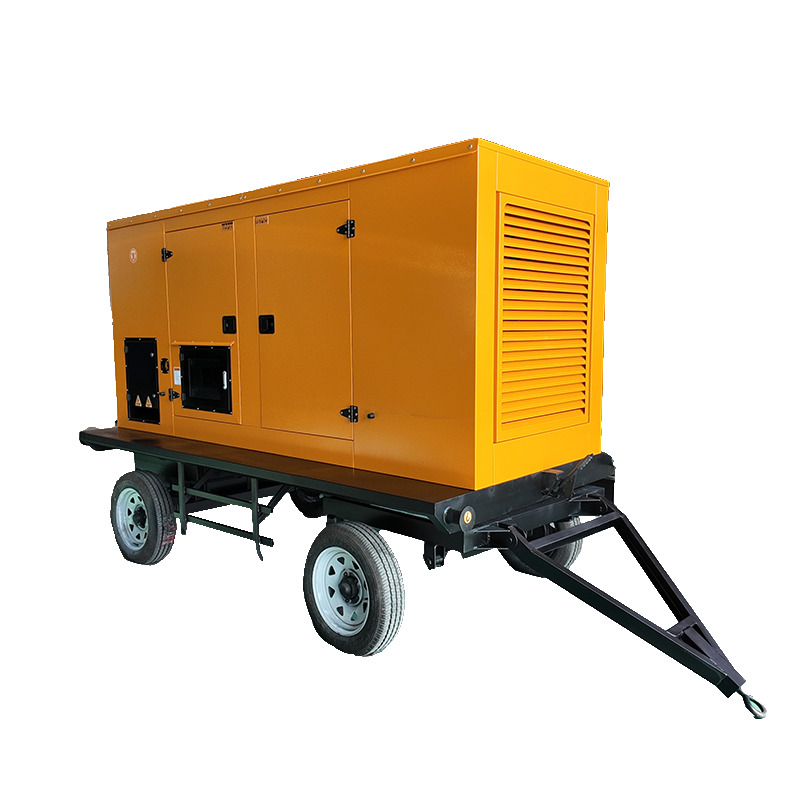
A silent type diesel generator — also called a soundproofed, canopied, or enclosed diesel genset — is a diesel generator set mounted inside an acoustic enclosure that reduces operating noise to typically 65–75 dB(A) at 7 metres, compared to 95–105 dB(A) for an open-frame equivalent. The enclosure is not merely a noise-reduction measure; it also integrates several features that directly extend runtime capability:
- Larger base fuel tank: Most silent canopy generators include a sub-base fuel tank holding 200 to 2,000+ litres, compared to the small day tanks on open-frame units. A 400-litre base tank on a 20 kVA silent generator at 75% load provides approximately 50–60 hours of runtime without refuelling.
- Enhanced cooling system: The enclosed design incorporates a ducted radiator and forced-air cooling that maintains optimal engine temperature during sustained operation, preventing thermal shutdown.
- Integrated automatic transfer switch (ATS) compatibility: Silent generators are typically designed for unattended operation with ATS panels that automatically start, transfer load, and monitor engine parameters — enabling truly continuous operation in standby roles.
- Heavy-duty engine specification: Silent type generators for continuous or prime duty use commercial-grade diesel engines from manufacturers such as Perkins, Cummins, Volvo Penta, or Mitsubishi, rated for 10,000–20,000 hours total engine life under continuous operating conditions.
Fuel Consumption and Runtime Calculation
To calculate how long a silent diesel generator can run on its available fuel, you need two pieces of information: the fuel tank capacity and the fuel consumption rate at your operating load. Diesel generator fuel consumption is typically expressed in litres per hour (L/hr) and increases proportionally with load.
Typical Diesel Fuel Consumption by Generator Size
| Generator Size (kVA) | 25% Load (L/hr) | 50% Load (L/hr) | 75% Load (L/hr) | 100% Load (L/hr) |
|---|---|---|---|---|
| 20 kVA | 1.6 | 2.9 | 4.1 | 5.5 |
| 50 kVA | 3.2 | 6.1 | 8.7 | 11.5 |
| 100 kVA | 6.1 | 11.2 | 16.4 | 21.8 |
| 200 kVA | 11.5 | 21.0 | 30.5 | 40.5 |
| 500 kVA | 26.0 | 48.5 | 70.0 | 93.0 |
Runtime Calculation Formula
Use this simple formula to estimate runtime for any silent diesel generator:
Runtime (hours) = Usable Fuel Capacity (litres) ÷ Fuel Consumption Rate (L/hr)
For example: A 100 kVA silent diesel generator with a 400-litre base tank running at 75% load consumes approximately 16.4 L/hr. Usable fuel is typically 90% of tank capacity (360 litres) to avoid running dry. Runtime = 360 ÷ 16.4 = approximately 22 hours per fill.
Factors That Reduce Generator Runtime
Several real-world operating conditions reduce runtime below the manufacturer's stated figures. Understanding these factors allows for more accurate planning and prevents unexpected shutdowns:
- High ambient temperature: Diesel engines derate their power output in hot conditions to prevent overheating. Most manufacturers specify a 1% power derating per 5°C above 25°C. At 40°C ambient, a 100 kVA generator may only deliver 97 kVA, and the engine runs harder to maintain load — consuming more fuel per hour.
- High altitude: Air density decreases with altitude, reducing combustion efficiency. Above 1,000 metres, significant derating applies — approximately 3–4% per 500 metres above sea level for naturally aspirated engines.
- Overloading: Running a generator above its rated load increases fuel consumption non-linearly and accelerates engine wear. A generator running at 110% load may consume 15–20% more fuel than at 100% load while generating excessive heat.
- Poor fuel quality: Diesel with high water content, microbial contamination, or incorrect cetane rating causes incomplete combustion, increasing fuel consumption by up to 8–12% and fouling injectors.
- Dirty air filter: A clogged air filter restricts airflow, forcing the engine to work harder and consume more fuel. In dusty environments, air filters on continuous-duty generators may need replacement every 250–500 hours rather than the standard 500–1,000 hours.
- Low load operation (wet stacking): Running a diesel generator at below 30% load for extended periods causes unburned fuel to accumulate in the exhaust system — a condition called wet stacking. This reduces efficiency, increases fuel consumption, and can permanently damage the engine if not corrected.
How to Extend Generator Runtime Safely
For applications requiring runtime beyond a single tank, several proven strategies extend operational duration without compromising engine health:
External Fuel Tank Connection
Most commercial silent diesel generators include a day tank inlet and gravity or pump-fed fuel transfer connection that allows an external bulk fuel tank to feed the generator continuously. Connecting a 5,000-litre or 10,000-litre IBC or steel bulk tank to a 100 kVA silent generator running at 75% load theoretically provides 300–600 hours of uninterrupted runtime limited only by the maintenance schedule rather than fuel supply.
Automatic Refuelling Systems
Level sensors and automatic fuel pump controllers can refill the generator's day tank from a remote bulk storage tank without manual intervention. These systems are standard in critical facilities and allow the generator to run indefinitely as long as bulk fuel deliveries are maintained on schedule.
Parallel Generator Operation
For facilities requiring continuous power without any interruption for maintenance, two or more generators are operated in parallel. While one generator runs under load, the second can be taken offline for servicing, fuelling, or inspection — then brought back online before the first is shut down. This N+1 redundancy configuration is the standard for Tier III and Tier IV data centres and ensures zero downtime regardless of individual generator maintenance requirements.
Recommended Maintenance Intervals That Define Maximum Runtime
The practical maximum continuous runtime of a silent diesel generator is ultimately determined by its manufacturer-specified maintenance intervals. Exceeding these intervals risks engine failure — a far more costly outcome than a planned service stop.
- Every 8–10 hours (or daily): Check engine oil level, coolant level, fuel level, and air filter condition. Inspect for leaks, loose connections, and unusual noise or vibration. This check does not require shutdown in most modern silent generators — sensors provide real-time monitoring.
- Every 250 hours: Change engine oil and oil filter, inspect fuel filters, check battery condition and electrolyte levels, inspect alternator brushes and connections, and test automatic protection shutdown systems.
- Every 500 hours: Replace fuel filters and air filters, inspect and adjust valve clearances, check turbocharger condition, inspect cooling system hoses and belts, and test load bank performance.
- Every 1,000 hours: Full engine inspection including injector testing and calibration, coolant change, comprehensive electrical system inspection, and alternator insulation resistance testing.
- Every 2,000–3,000 hours: Major overhaul including piston rings, bearings, and head gasket inspection, dependent on engine type and manufacturer's recommendation.
For a prime-rated silent diesel generator, the 250-hour service interval is the practical single-run limit before a planned shutdown for oil change and inspection. With a bulk fuel supply and automatic monitoring, a well-maintained unit can achieve 250 hours of continuous operation — approximately 10.4 days — before requiring its first service stop.
Warning Signs That a Generator Should Not Continue Running
Even within the scheduled service interval, certain conditions require an immediate controlled shutdown to prevent serious engine damage. Modern silent type diesel generators include automatic protection systems that shut the engine down when these thresholds are reached, but operators should also recognise these warning signs manually:
- High coolant temperature alarm: Engine coolant temperature exceeding 95–100°C indicates a cooling system fault. Continuing to run risks warped cylinder heads and blown head gaskets.
- Low oil pressure alarm: Oil pressure dropping below the specified minimum (typically 1.5–2.0 bar at operating temperature) indicates imminent bearing failure. This is the most common cause of catastrophic engine damage in over-run generators.
- Excessive exhaust smoke: Black smoke indicates over-fuelling or air restriction; blue smoke indicates oil burning; white smoke indicates coolant ingestion or incomplete combustion. All three warrant immediate investigation.
- Abnormal vibration or knocking: Sudden onset of mechanical noise or vibration indicates an internal fault such as a loose component, bearing failure, or injector malfunction. Operating through this condition will cause escalating damage.
- Fuel contamination indicator: Water-in-fuel sensors on the primary fuel filter should be checked. Water contamination above 0.05% by volume causes injector damage and combustion failure.
Choosing the Right Silent Diesel Generator for Long Runtime Applications
If your application requires extended continuous runtime, selecting the correct generator specification from the outset is more cost-effective than attempting to run an undersized or incorrectly rated unit harder than intended.
- Specify continuous or prime power rating, not standby: Only prime or COP-rated generators are designed for extended runtime. Standby-rated units cost less upfront but carry significant lifecycle cost penalties if used for prolonged operation.
- Size the generator to run at 70–80% of rated load: Operating at this load range achieves the best balance of fuel efficiency, engine longevity, and runtime. Generators running at below 40% load for extended periods suffer wet stacking; those above 90% accumulate wear rapidly.
- Specify a large base fuel tank: Request a sub-base tank of at least 8–24 hours runtime capacity at 75% load to minimise refuelling frequency. For critical applications, size for 72 hours minimum autonomy.
- Select a proven commercial engine platform: Engines such as the Perkins 1100 series, Cummins QSB/QSL series, and Volvo TAD series are specifically designed for generator duty cycles and have documented service lives exceeding 20,000 hours when properly maintained.
- Include a remote monitoring system: AMF (Automatic Mains Failure) panels with GSM or Ethernet remote monitoring allow real-time tracking of fuel level, engine temperature, oil pressure, and run hours — essential for unattended long-duration operation.
Related Products

-
Xiaoji Town, Jiangdu District, Yangzhou City, Jiangsu Province, China
-
8618944498005
-
+86-18652407919
-
+86-0514-86593686
Copyright © Jiangsu Ford Generator Co., Ltd.
