




 English
 Español
 عربى
عربىOpen Frame Diesel Generator Sets: Complete Buyer's Guide
Mar 25, 2026
Content
- 1 What Makes an Open Frame Diesel Generator Set Different
- 2 Core Components of an Open Frame Diesel Generator Set
- 3 Open Frame Diesel Generator Set Power Ratings Explained
- 4 Typical Power Range and What Each Tier Covers
- 5 Primary Applications for Open Frame Diesel Generator Sets
- 6 How to Select the Right Open Frame Diesel Generator Set
- 7 Installation Requirements for Open Frame Generator Sets
- 8 Routine Maintenance Schedule for Open Frame Diesel Gensets
- 9 Open Frame vs. Canopied (Silent) Diesel Generator Sets
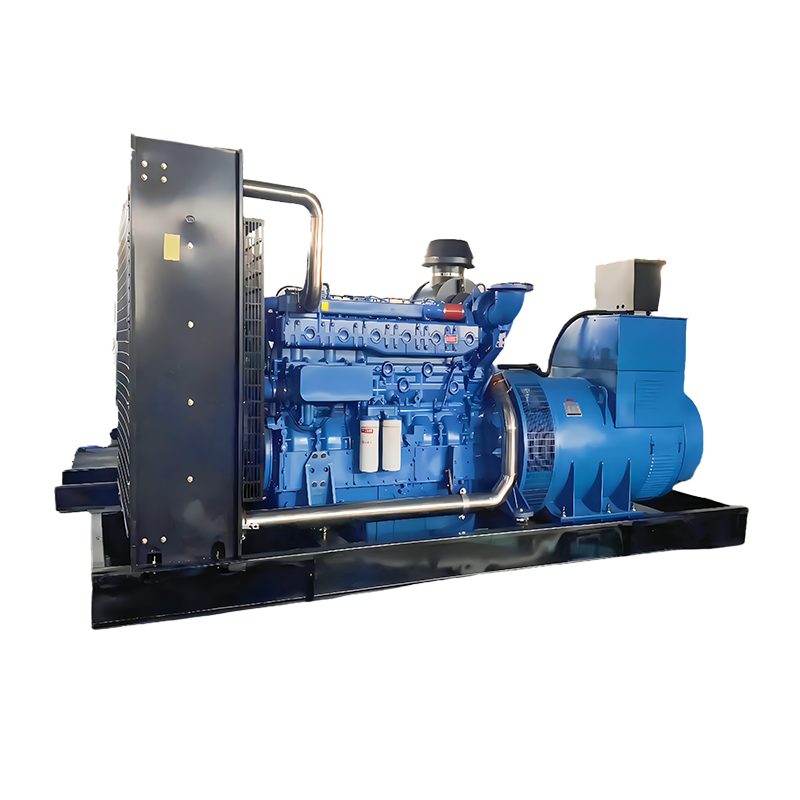
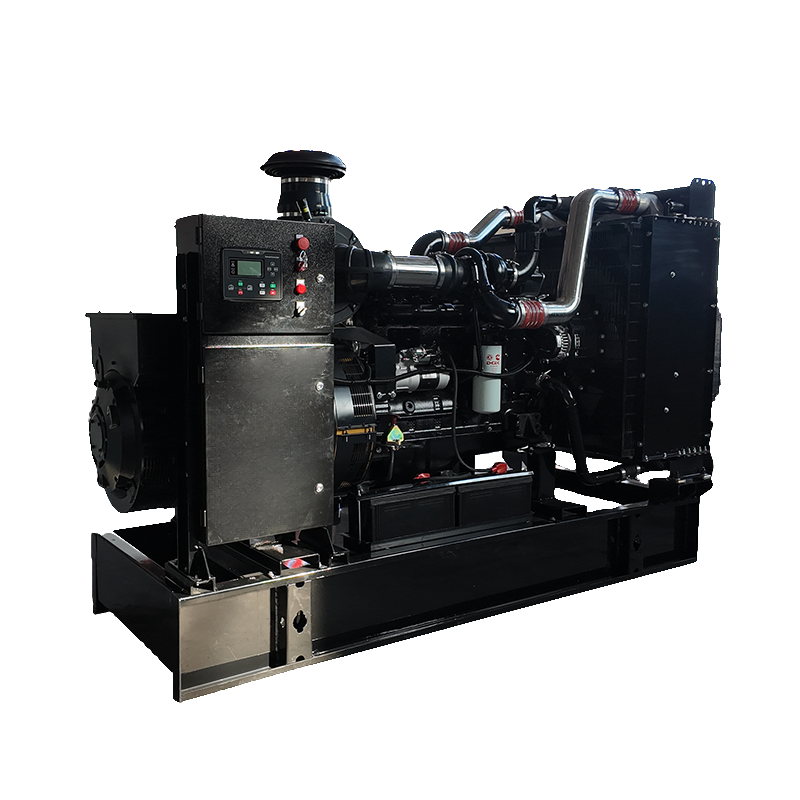
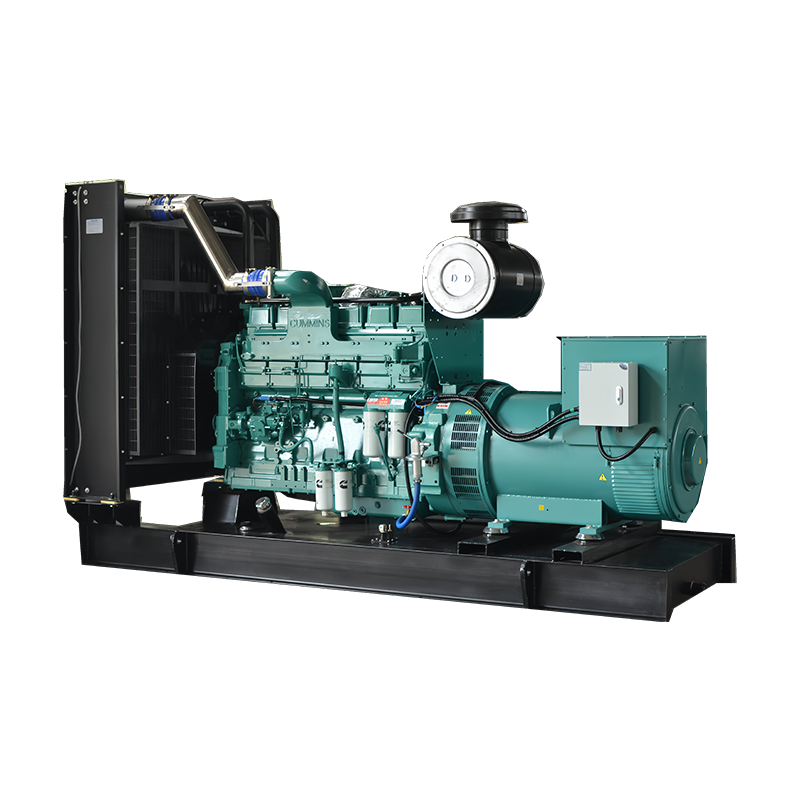
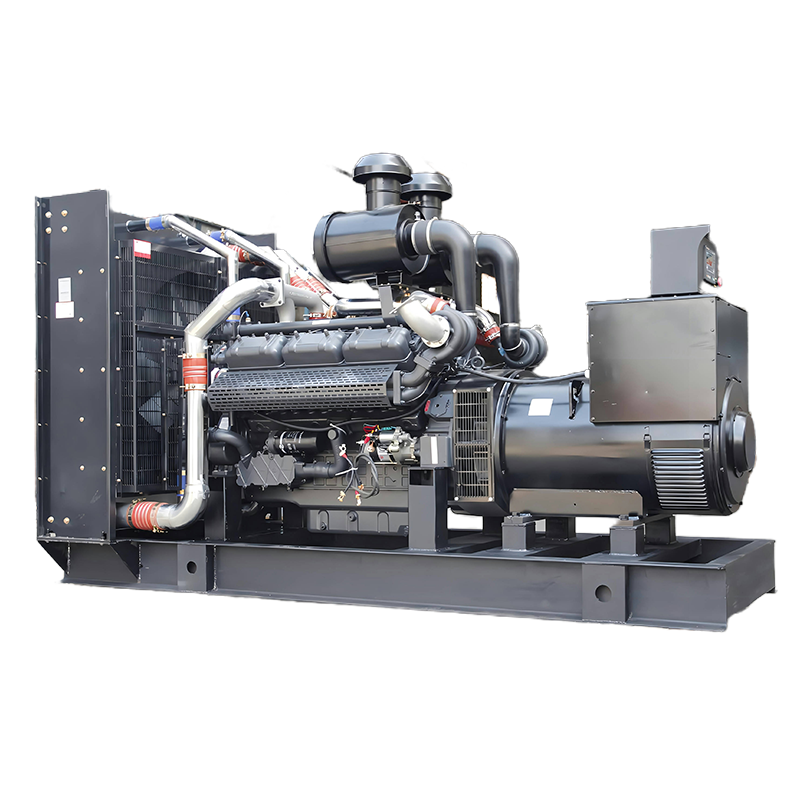
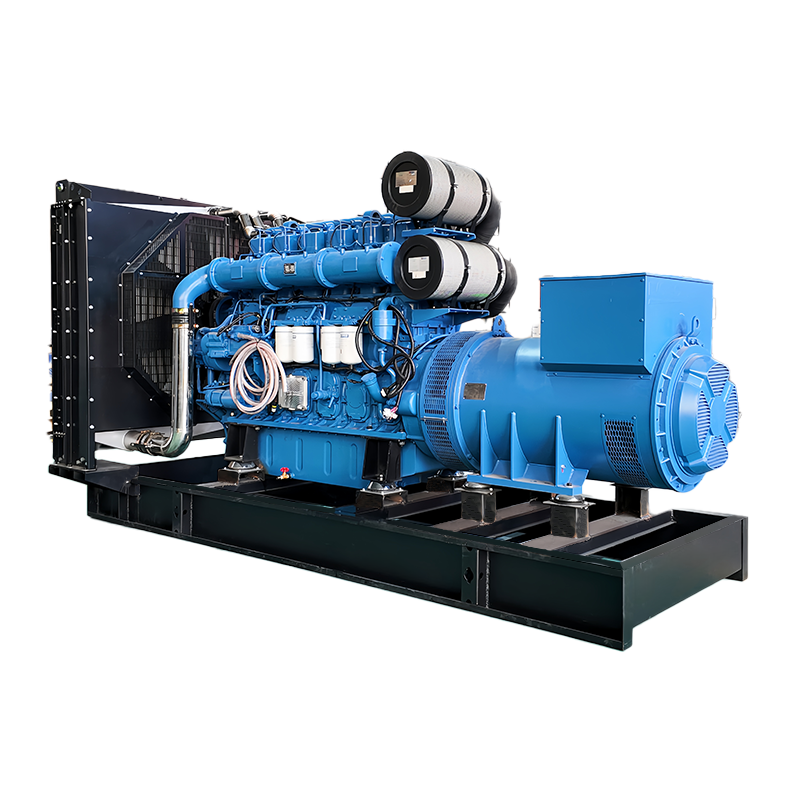
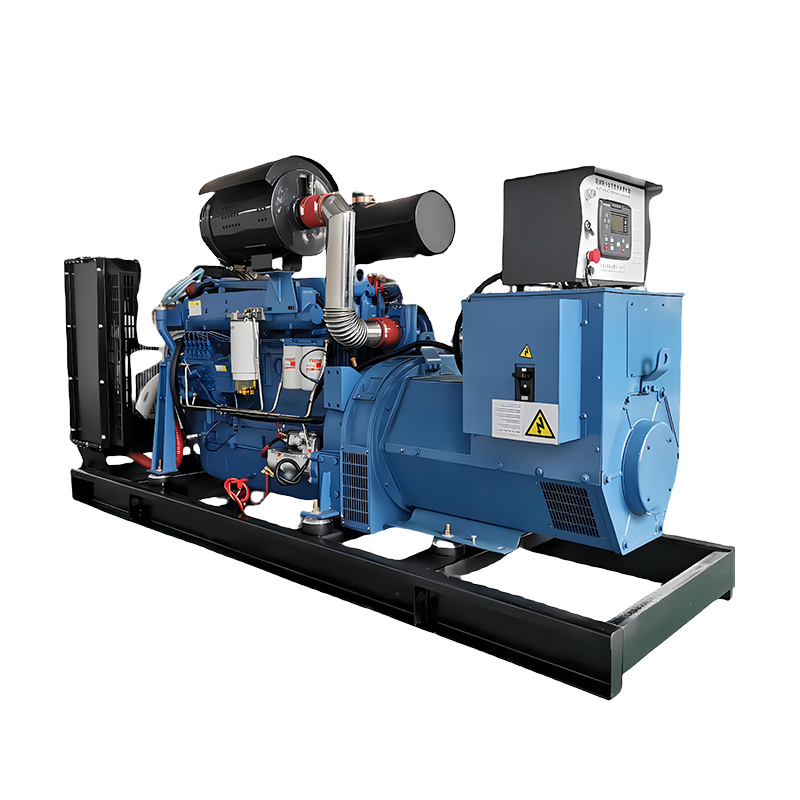
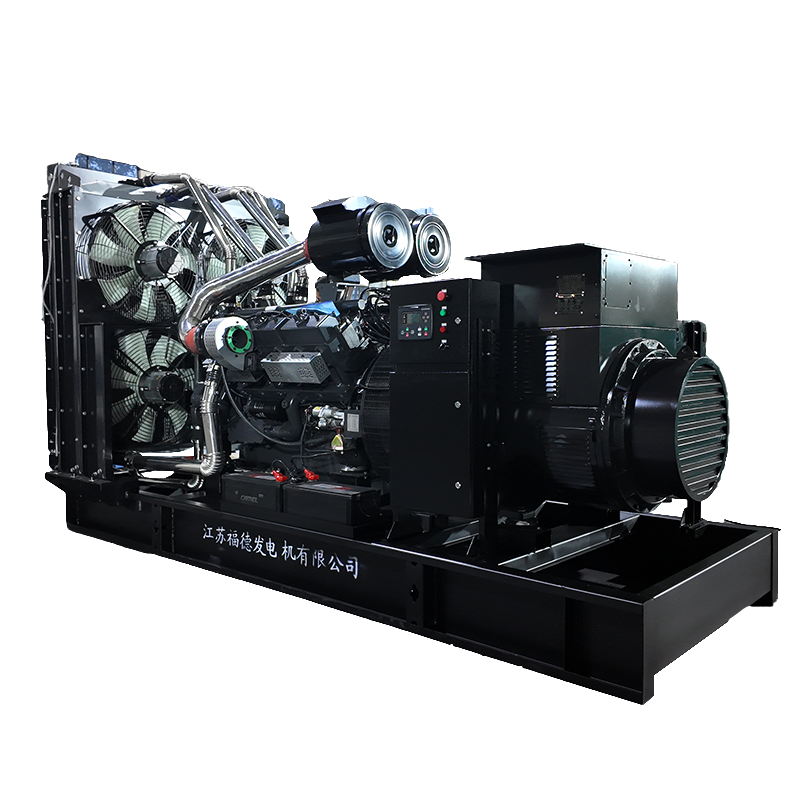
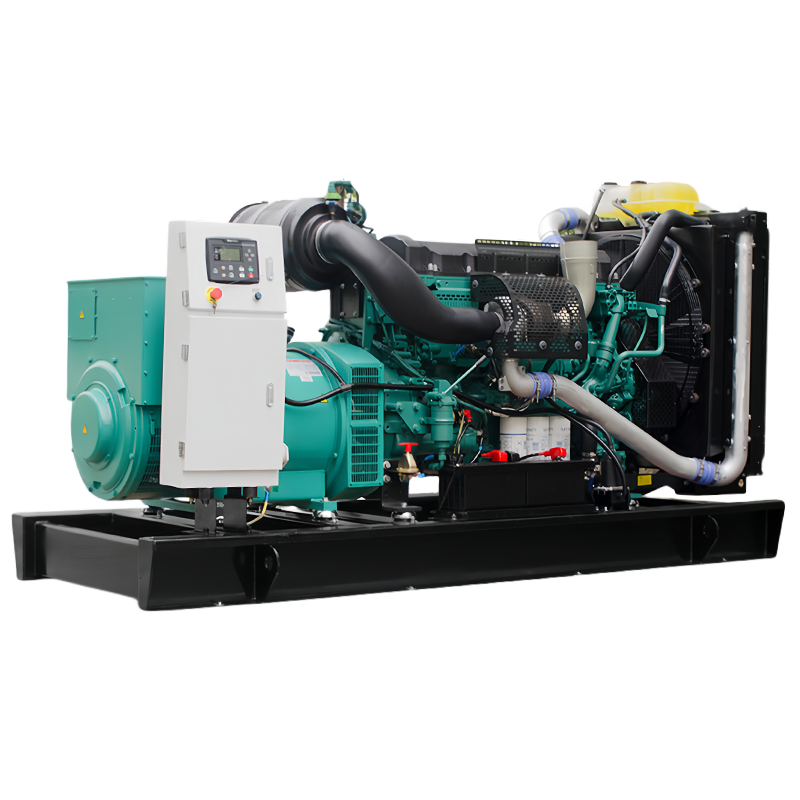
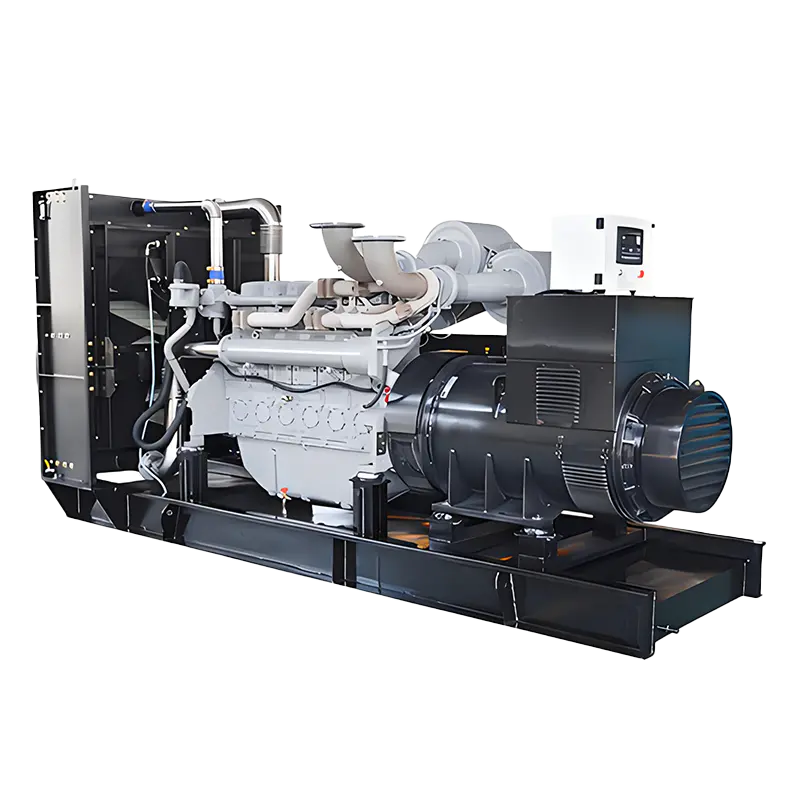
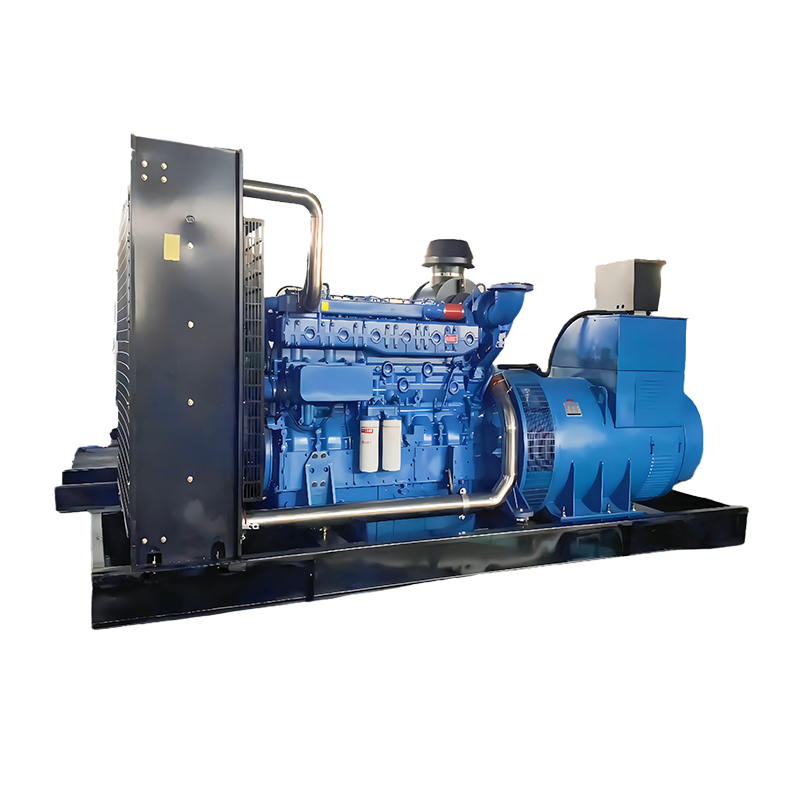
An open frame diesel generator set is a diesel engine coupled to an alternator mounted on a rigid steel base frame — with no acoustic enclosure or weather canopy. This configuration delivers maximum power output per dollar, straightforward servicing access, and unrestricted airflow for cooling, making it the dominant choice for construction sites, industrial facilities, agricultural operations, and any application where noise level is not a primary constraint. For buyers prioritizing cost, power density, and maintainability over quiet operation, an open frame diesel genset is almost always the most practical solution.
What Makes an Open Frame Diesel Generator Set Different
The defining characteristic is structural simplicity. Where a canopied (silent) generator encloses the engine and alternator inside an acoustic steel cabinet, an open frame set leaves all components exposed. This single design difference drives a cascade of practical consequences:
- Lower purchase price: Eliminating the canopy, acoustic lining, and internal ducting typically reduces unit cost by 20–40% compared to an equivalent-rated silent genset.
- Better cooling efficiency: Unrestricted ambient airflow allows the engine and alternator to run cooler, which extends component life and supports higher continuous duty ratings in hot climates.
- Faster, simpler servicing: Technicians can access oil filters, fuel filters, belts, injectors, and terminals without removing panels or working inside a confined enclosure.
- Higher noise output: Open frame sets typically produce 95–110 dB(A) at 1 meter, compared to 65–75 dB(A) for an equivalent canopied unit. This limits their use in noise-sensitive environments.
- No weather protection: The set must be installed under a roof, inside a building, or within a purpose-built generator room. Exposure to rain or dust requires separate shelter.
Core Components of an Open Frame Diesel Generator Set
Every open frame diesel genset — regardless of brand or power rating — is built around the same fundamental architecture. Understanding each component helps buyers evaluate quality differences and anticipate maintenance requirements.
Diesel Engine
The engine is the heart of the genset, and its brand is the single most important quality indicator. Leading OEM engine manufacturers used in open frame sets include Cummins, Perkins, Yanmar, Deutz, John Deere, and Mitsubishi at the premium tier, and Weichai, Yangdong, and Ricardo-licensed engines at the value tier. Engine displacement, cylinder count, and aspiration method (naturally aspirated vs. turbocharged vs. turbocharged-aftercooled) determine power output and fuel efficiency.
For sets above 30 kW, turbocharged engines are standard; above 200 kW, turbocharged-aftercooled (TCAC) engines deliver better thermal efficiency and lower emissions. Most modern diesel engines on open frame sets comply with EPA Tier 4 Final or EU Stage V emissions standards, which require low-sulfur diesel fuel (≤15 ppm sulfur).
Alternator
The alternator (synchronous AC generator) converts engine shaft rotation into electrical power. Key alternator specifications include:
- Voltage regulation: Brushless, self-excited alternators with an Automatic Voltage Regulator (AVR) maintain output voltage within ±1% of nominal under varying load conditions.
- Insulation class: Class H insulation (rated to 180°C) is the standard for industrial gensets, providing thermal margin for continuous duty in high ambient temperatures.
- IP rating: Most open frame alternators carry IP21 or IP23 protection — adequate for indoor use but requiring shelter from direct water ingress.
- Power factor: Standard alternators are rated at 0.8 power factor (lagging). The kVA rating multiplied by 0.8 gives the kW output available for resistive loads.
Premium alternator brands include Stamford (Cummins Generator Technologies), Leroy-Somer, Mecc Alte, and Marathon Electric. These brands are preferred for applications requiring low harmonic distortion (THD <5%) to protect sensitive electronic equipment.
Steel Base Frame
The base frame is a welded structural steel assembly that aligns and supports the engine-alternator coupling. Quality frames incorporate anti-vibration mounts (AVM) — rubber isolators between the genset assembly and the frame feet — to reduce transmitted vibration to the mounting surface. Frame integrity matters particularly during transport; undersized frames can flex and cause coupling misalignment.
Control Panel
Open frame sets are typically supplied with one of three control panel tiers:
- Basic analog panel: Volt, amp, and frequency meters with manual start. Suitable for simple backup applications with operator attendance.
- Digital controller (DSE, ComAp, or Deepsea): Monitors engine parameters (oil pressure, coolant temperature, battery voltage), logs alarms, and supports automatic start on mains failure (AMF). The DSE7320 and ComAp InteliGen are widely used industry standards.
- Paralleling controller: Required for load-sharing between multiple gensets. Used in larger installations where two or more sets run simultaneously to share the connected load.
Open Frame Diesel Generator Set Power Ratings Explained
Generator ratings are frequently misunderstood. Every open frame diesel genset carries multiple power ratings that apply in different operating scenarios — quoting only the peak or standby rating without context is misleading.
| Rating Type | Definition | Max Load Factor | Typical Application |
|---|---|---|---|
| Standby Power (ESP) | Maximum output during a power outage; no overload capability | 100% for up to 200 hrs/year | Emergency backup, hospitals, data centers |
| Prime Power (PRP) | Continuous variable load with no grid connection | 100% average load; unlimited hours | Remote sites, construction, mining |
| Continuous Power (COP) | Constant load, unlimited hours per year | 100% constant load | Base load power generation, utilities |
| Peak Power (LTP) | Short-duration maximum overload capability | Up to 110% for max 1 hr/12 hrs | Grid peak shaving, brief demand spikes |
A common mistake is purchasing a set sized only to its standby rating for prime power use. Standby-rated sets run continuously at prime power loads will experience accelerated wear and shortened engine overhaul intervals. Always specify prime power rating (PRP) for applications where the genset is the primary power source.
Typical Power Range and What Each Tier Covers
Open frame diesel generator sets are manufactured across an exceptionally wide power range — from compact single-cylinder units to large multi-cylinder industrial sets:
| Power Range (Prime) | Typical Engine | Fuel Consumption (at 75% load) | Common Applications |
|---|---|---|---|
| 5–20 kW | 2–3 cylinder, naturally aspirated | 1.5–4.5 L/hr | Small workshops, farms, homes |
| 20–100 kW | 4 cylinder, turbocharged | 5–22 L/hr | Construction sites, small factories, telecom |
| 100–400 kW | 6 cylinder, turbocharged-aftercooled | 22–85 L/hr | Industrial plants, hospitals, large buildings |
| 400–1,000 kW | 6–12 cylinder, TCAC | 85–210 L/hr | Mining, data centers, large infrastructure |
| 1,000 kW+ | 12–16 cylinder, TCAC | 210 L/hr+ | Utilities, large industrial complexes, islands |
Primary Applications for Open Frame Diesel Generator Sets
Construction Sites
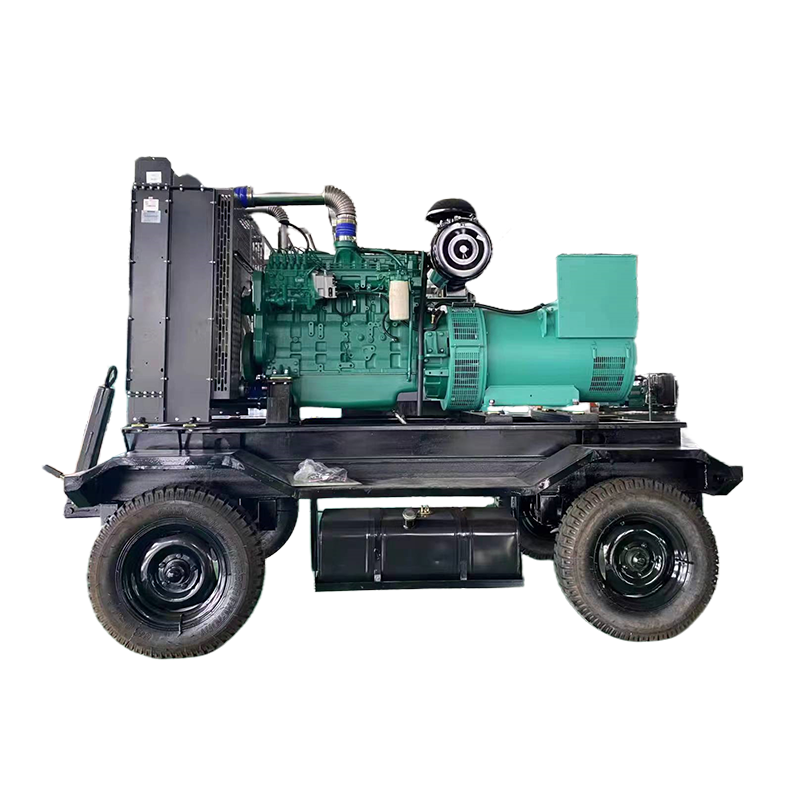
Construction is the largest single market for open frame diesel gensets. Sites require temporary power for tools, lighting, concrete mixers, welding equipment, and site offices — loads that change constantly as work progresses. Open frame sets are preferred because they are easily transported on flatbeds, forklift-moveable, and can be serviced by on-site mechanics without specialized enclosure tools. A typical mid-size construction project (commercial building, road section) runs 100–400 kW open frame sets as the primary site power source.
Agricultural and Rural Operations
Irrigation pump stations, grain drying systems, cold storage facilities, and poultry or livestock operations in areas with unreliable grid power rely heavily on open frame diesel sets. Their tolerance for dusty, high-temperature environments and the availability of diesel fuel in rural areas makes them the practical default. A 30–60 kW open frame set is a common size for a medium-scale irrigation pump station.
Industrial and Manufacturing Facilities
Factories, processing plants, and warehouses install open frame sets inside generator rooms as backup power for critical processes — conveyor systems, refrigeration compressors, process control systems, and lighting. The generator room provides the shelter an open frame set needs while keeping acoustic and weather protection costs separate from the genset capital cost.
Telecommunications Infrastructure
Mobile network base stations and microwave repeater sites in remote locations frequently use small open frame diesel sets (10–30 kW) as primary or backup power alongside solar and battery systems. Their compact footprint and straightforward maintenance make them compatible with remote site management protocols.
Events and Temporary Power
Film productions, outdoor festivals, emergency relief operations, and military deployments use open frame sets for their low cost per kilowatt-hour and ease of logistics. Sets can be staged inside sound-dampening enclosures or positioned at distance from event areas to manage noise.
How to Select the Right Open Frame Diesel Generator Set
Buying the wrong size or specification is costly — an oversized set wastes capital and runs inefficiently at low load, while an undersized set overloads and fails prematurely. Work through these selection steps in order:
- Calculate your total connected load: List every electrical load (kW) that may run simultaneously. Apply a demand factor — not all loads run at full nameplate draw at the same time. A realistic connected load calculation is typically 60–80% of the sum of all nameplate ratings.
- Identify motor starting loads: Electric motors draw 5–7× their running current at startup. If your largest motor is 15 kW running, it may demand 75–105 kW of starting capacity from the genset momentarily. The genset must handle this without excessive voltage dip (<15% is the standard requirement).
- Choose the correct power rating: If the genset is the primary power source (no grid connection), specify Prime Power (PRP). If it is a backup to mains supply, Standby (ESP) is appropriate.
- Apply a 20–25% capacity margin: Size the set so your expected load runs at 70–80% of rated output. Running a diesel genset below 30% load causes wet stacking (unburned fuel accumulation in the exhaust), carbon buildup, and accelerated engine wear.
- Verify altitude and temperature derating: Diesel engines lose approximately 3–4% of rated power per 300m of altitude above sea level and 1% per 5°C above 25°C ambient. A set rated 200 kW at sea level, 25°C may deliver only 170 kW at 1,500m altitude and 40°C ambient.
- Specify engine and alternator brands: For mission-critical applications, specify named brands (Cummins, Perkins, Stamford) rather than accepting "equivalent" substitutions.
Installation Requirements for Open Frame Generator Sets
Correct installation is as important as correct specification. The most common installation failures relate to ventilation, exhaust routing, and fuel system design.
Ventilation and Airflow
An open frame diesel set requires a minimum airflow of approximately 0.1–0.15 m³/sec per 10 kW of output for engine cooling. Generator rooms must be designed with inlet and outlet vents sized to this flow rate. Hot exhaust air must be directed outside — recirculating hot air back to the engine intake causes thermal derating and can trigger high-temperature shutdowns.
Exhaust System
Exhaust piping must be adequately sized (back pressure below the engine manufacturer's specified limit, typically <10 kPa), routed to discharge outside the building, and terminated in a rain cap or weather cowl. Flexible bellows sections at the engine exhaust connection prevent vibration transmission to the rigid exhaust pipe.
Fuel System
Open frame sets are supplied with a small base-mounted day tank (50–250 liters). For extended runtime, an external bulk fuel tank with a fuel transfer pump, day tank overflow return, and fuel level alarm is required. Fuel pipework must be sized to supply full engine demand plus a 15–20% flow margin to avoid fuel starvation at full load.
Earthing and Electrical Connection
The genset frame must be bonded to the site earth grid. The output must be connected through an automatic transfer switch (ATS) or manual changeover switch that prevents simultaneous connection of the genset and mains supply — a condition called islanding that creates serious hazards for utility workers.
Routine Maintenance Schedule for Open Frame Diesel Gensets
Open frame sets are easier to maintain than canopied units because all service points are accessible without disassembly. Adhering to the manufacturer's service intervals is the single most important factor in achieving the rated engine overhaul life of 20,000–40,000 hours for premium engines.
| Service Interval | Tasks |
|---|---|
| Weekly / Before each use | Check engine oil level, coolant level, fuel level, battery voltage, belt condition; inspect for leaks |
| Every 250 hours | Change engine oil and oil filter; inspect air filter; check hose clamps and fastener torque |
| Every 500 hours | Replace fuel filter; inspect injectors for leakage; test coolant antifreeze concentration; inspect exhaust system |
| Every 1,000 hours | Replace air filter; replace coolant; check valve clearances; test AVR output; inspect alternator bearings |
| Every 2,000 hours | Full injector service; turbocharger inspection; timing belt or chain check; vibration mount inspection |
Open Frame vs. Canopied (Silent) Diesel Generator Sets
The decision between open frame and canopied configurations comes down to four practical factors: noise tolerance, installation environment, budget, and servicing resources.
- Choose open frame when: the set will be installed in a dedicated generator room or covered enclosure; noise compliance is not required; capital budget is limited; or frequent servicing is anticipated and access speed matters.
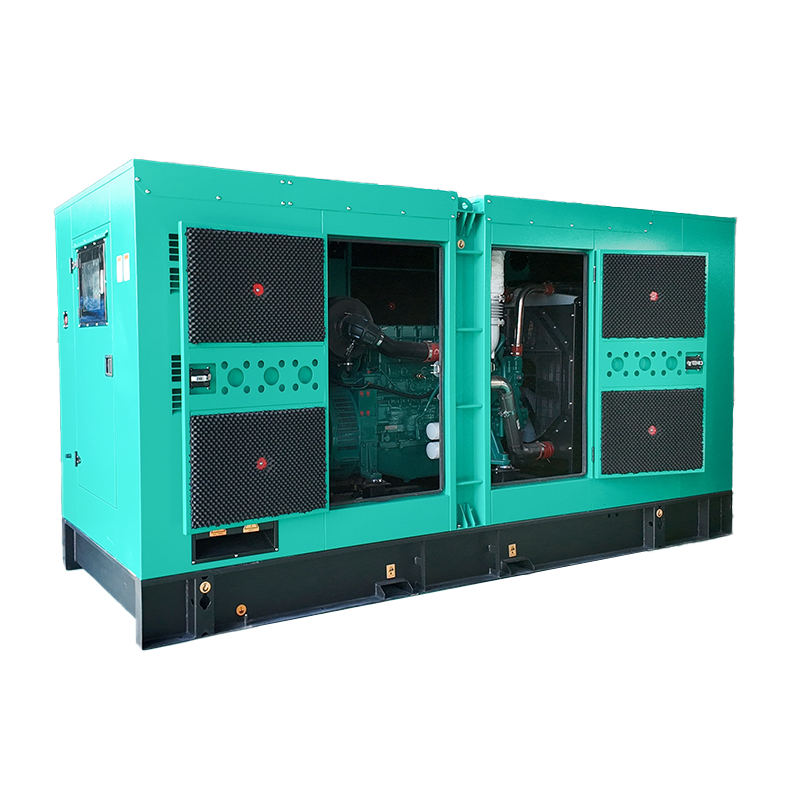
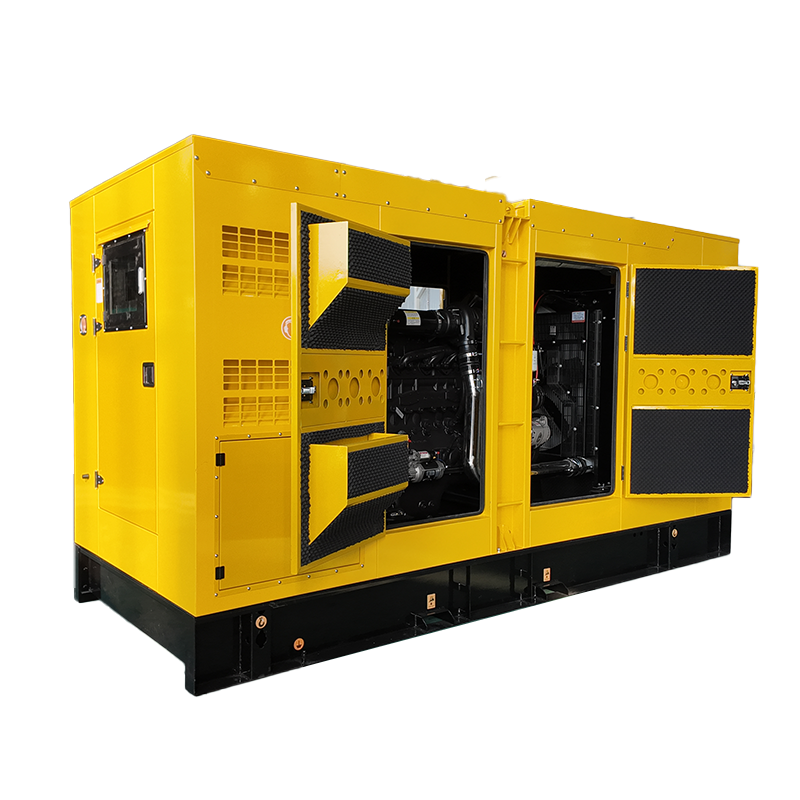
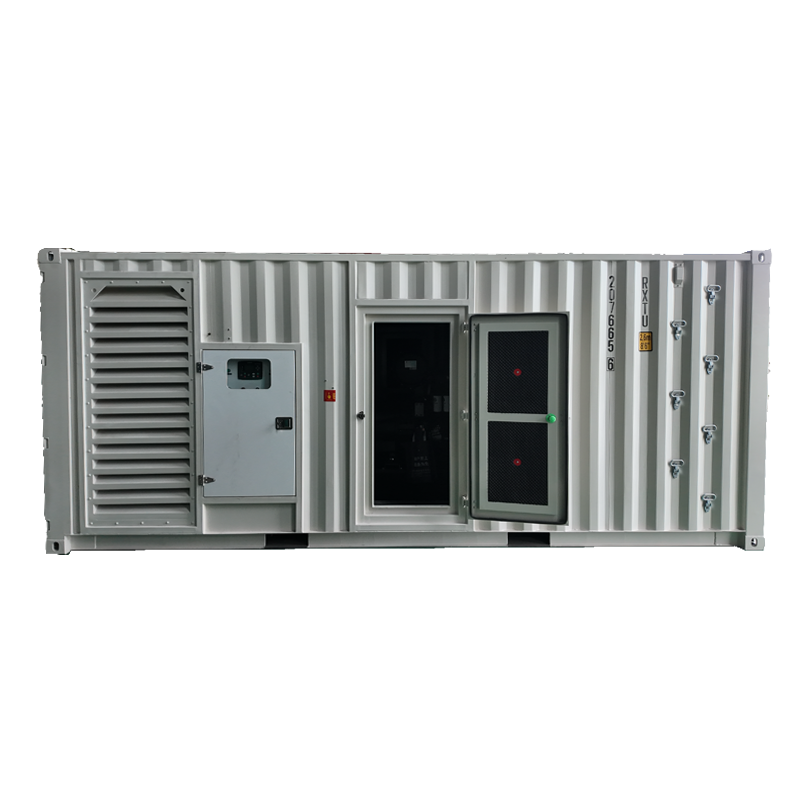
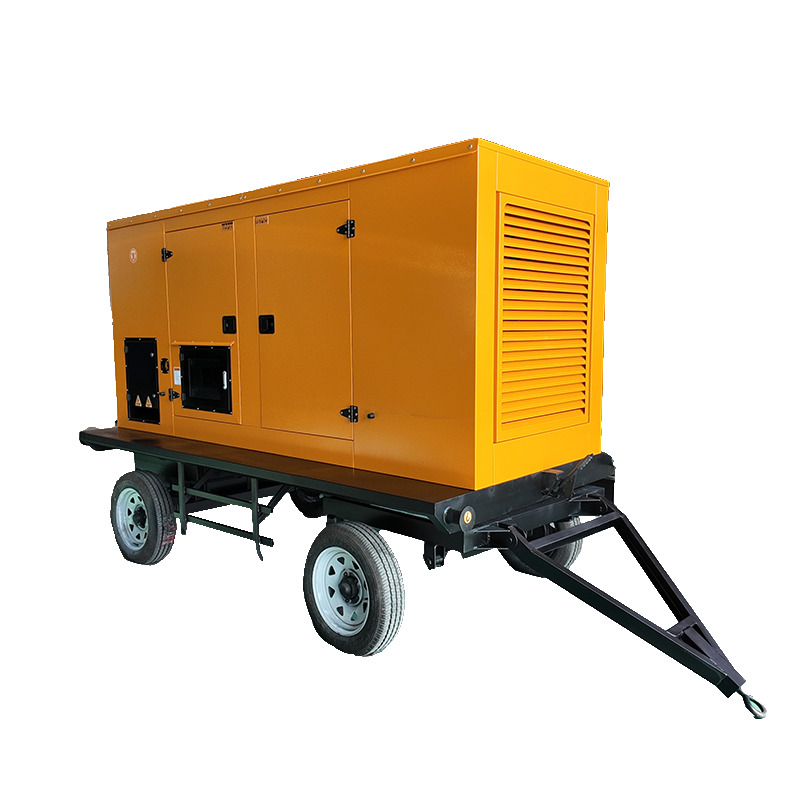
- Choose canopied (silent) when: the set must operate outdoors without a building enclosure; noise regulations apply (residential areas, hospitals, offices); or weatherproofing is required for exposed outdoor deployment.
For large industrial installations where a generator room is standard infrastructure, open frame sets consistently offer better value — the acoustic and weather protection is built into the building rather than into each genset unit, and the open frame configuration allows easier scaling when additional sets need to be paralleled.
Related Products

-
Xiaoji Town, Jiangdu District, Yangzhou City, Jiangsu Province, China
-
8618944498005
-
+86-18652407919
-
+86-0514-86593686
Copyright © Jiangsu Ford Generator Co., Ltd.
