




 English
 Español
 عربى
عربىAnalysis of the Differences and Advantages of Container-Type Diesel Generators vs. Traditional Generators
Sep 24, 2025
Content
With the global emphasis on environmental protection and efficient energy management, technological innovation in power generation equipment is advancing continuously. In particular, container-type diesel generators and traditional generators have gradually become two major power solutions for emergency power supply, remote power supply, and industrial applications. While their core function is the same—both generate electricity through diesel engines—there are significant differences between container-type diesel generators and traditional generators due to differences in design concepts, structure, and application requirements.
Design Differences Between Container-Type Diesel Generators and Traditional Generators
Structure and Design Concept
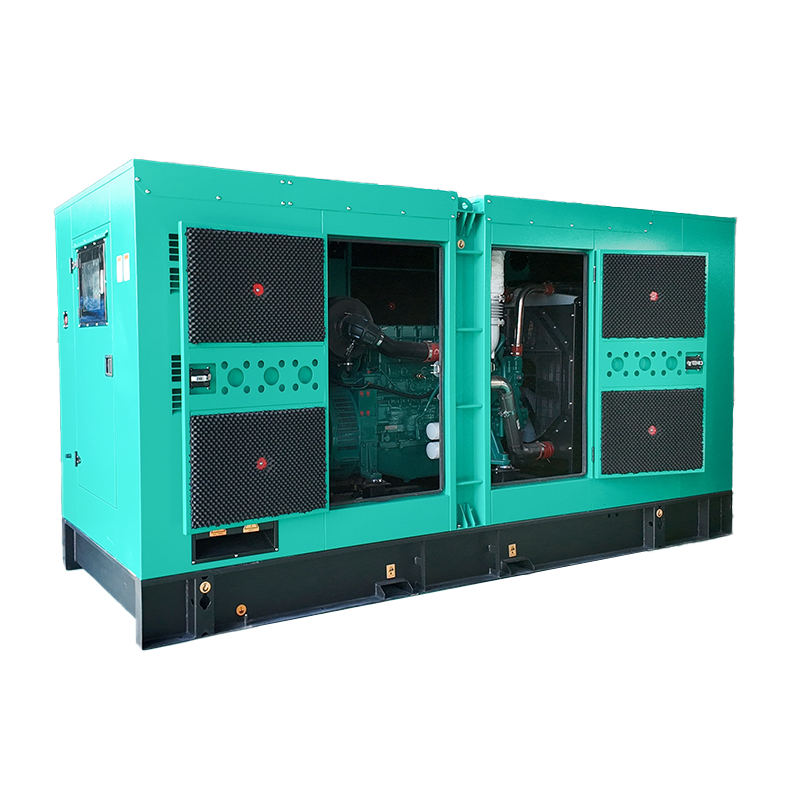
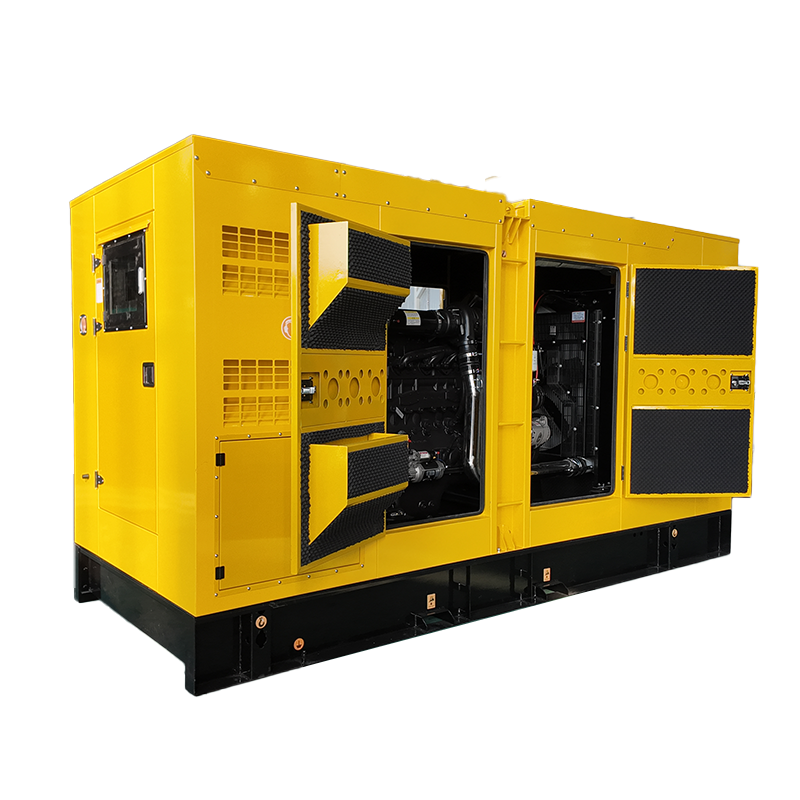
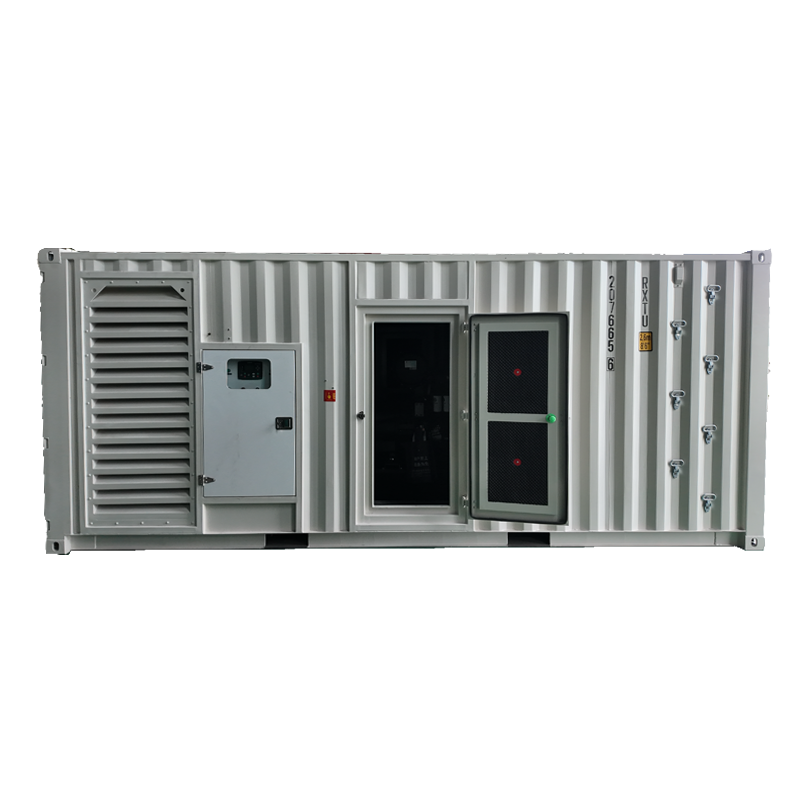
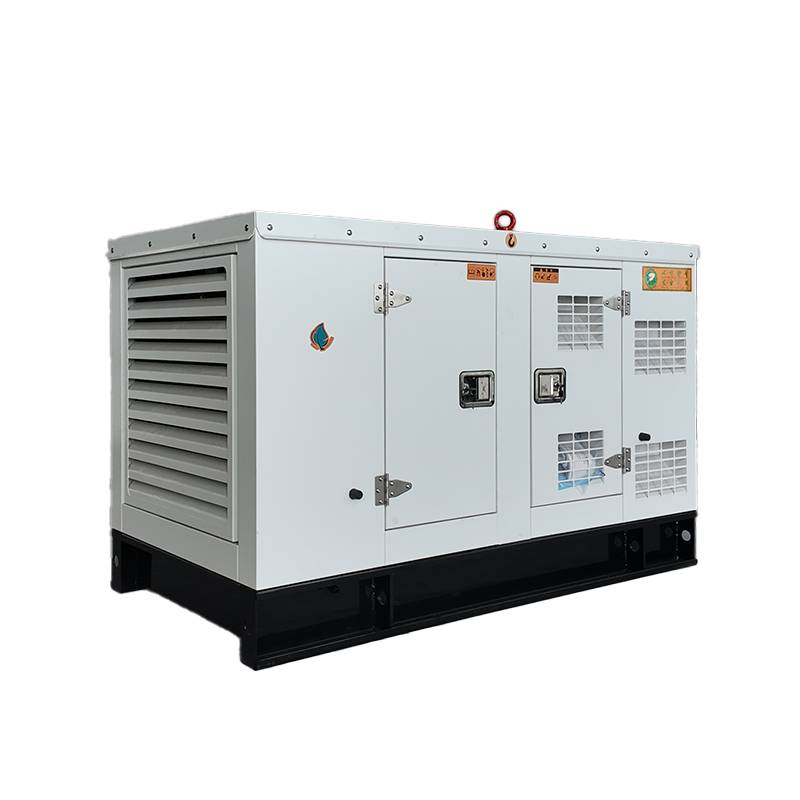
The most significant feature of a container-type diesel generator is that all generator set components, including the diesel engine, generator, cooling system, control system, and fuel system, are integrated into a standardized container. This container shell not only effectively protects the equipment from external environmental influences but also provides enhanced protection against the intrusion of dust, contaminated water, and pollutants. This integrated design makes the equipment more compact, making it easier to transport, install, and commission.
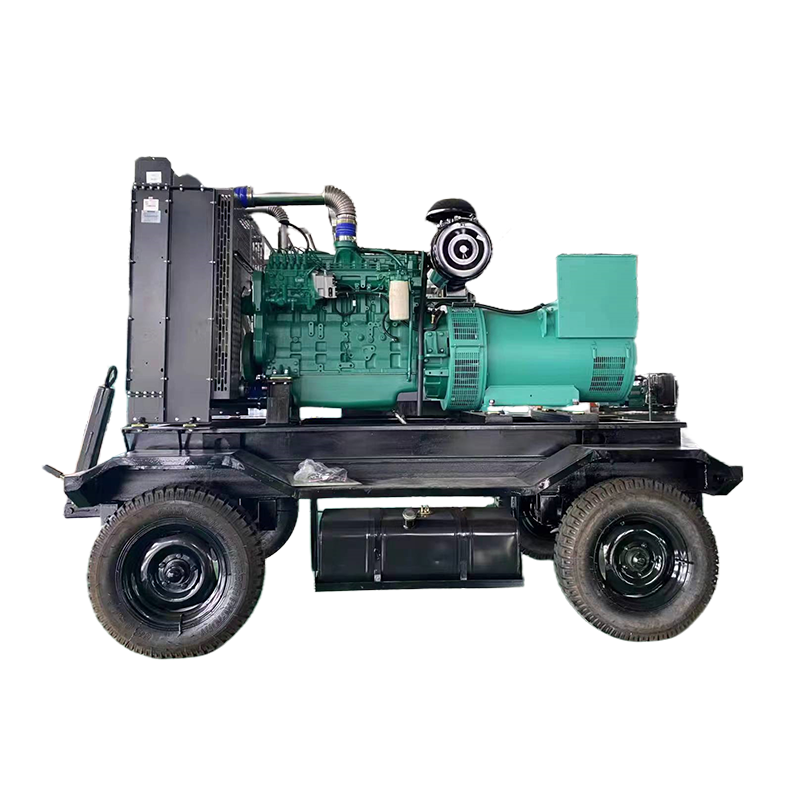
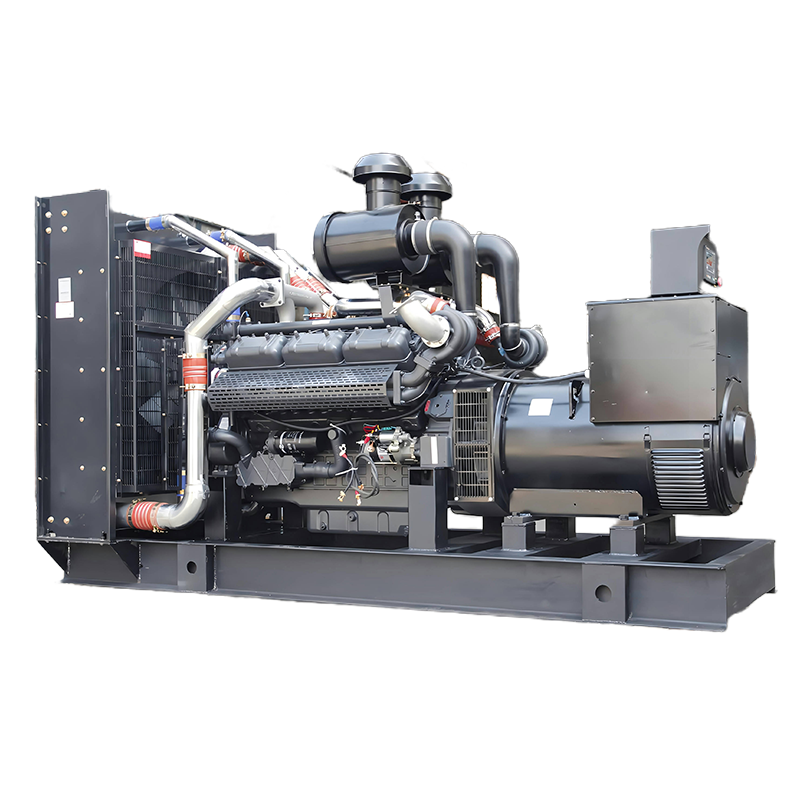
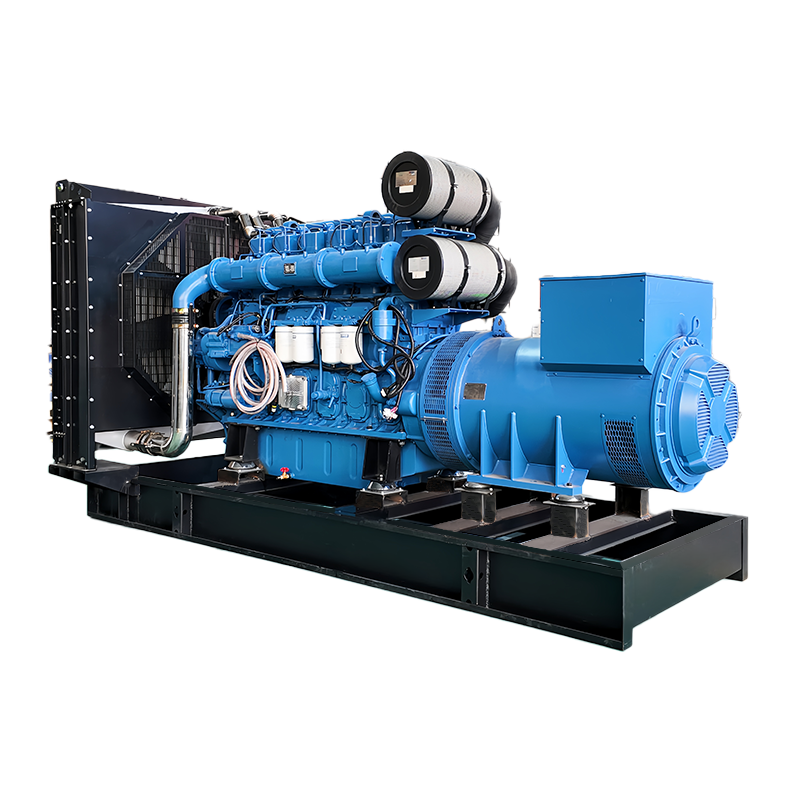
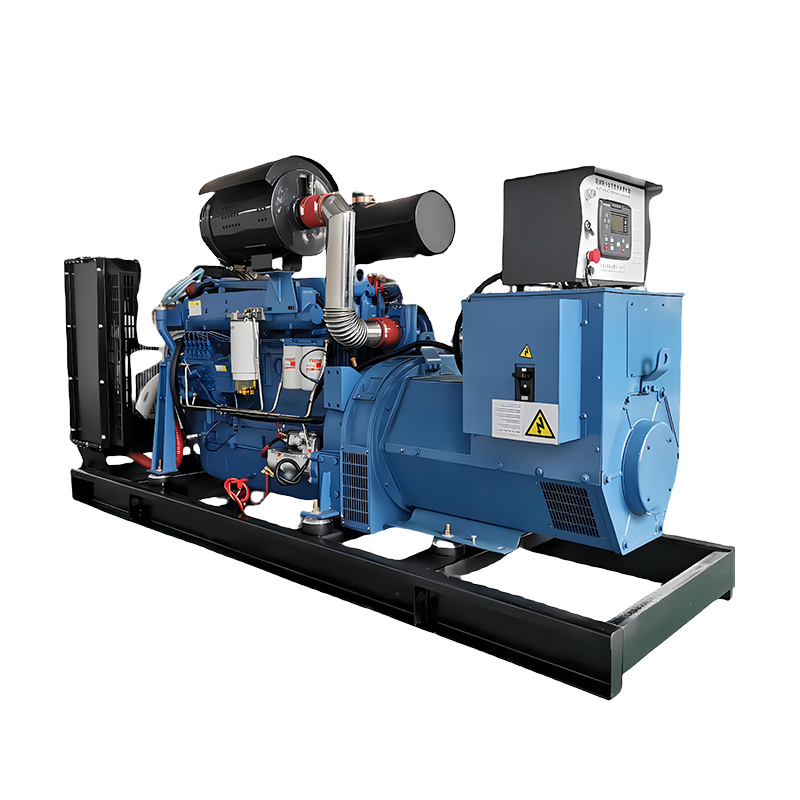
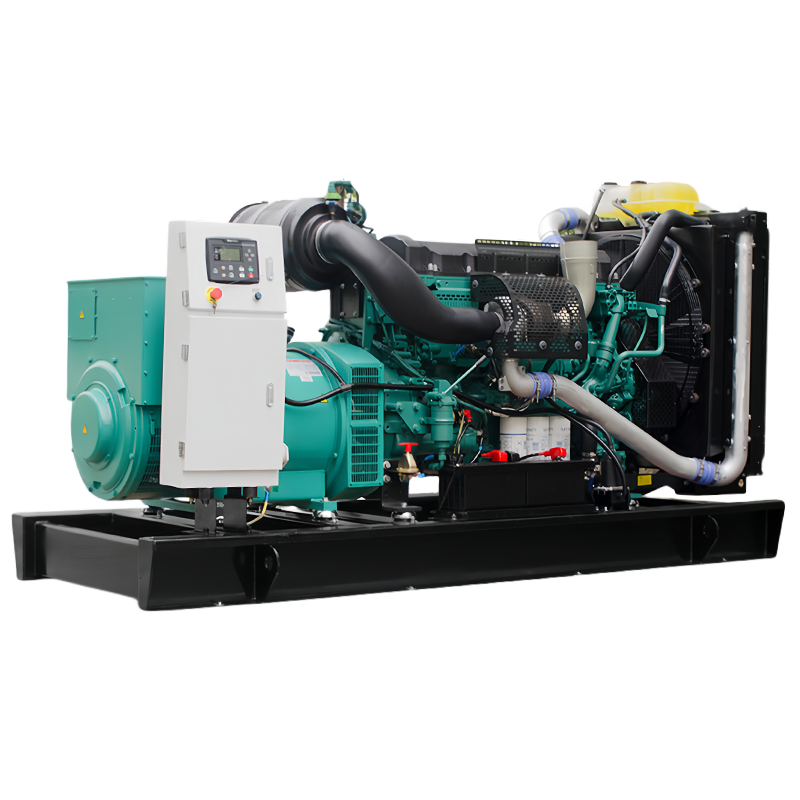
In contrast, traditional generators are typically constructed from separate components, with many parts exposed to the elements and lacking a unified protective casing. Traditional generators are relatively loose in structure and require additional protective measures during installation, such as external covers or shielding, to minimize damage from the environment. Their heat dissipation and protection are often inferior to those of container-type diesel generators, and their service life may be affected, particularly in harsh environments.
Vibration Resistance and Durability
Due to their enclosed design, container-type diesel generators are generally better able to withstand vibration, impact, and external mechanical damage. This is particularly important in industrial and construction environments, where vibration and impact are common. The container-type design not only enhances the structural stability of the equipment but also improves its durability under harsh conditions.
Traditional generators lack this robust structural protection. Under harsh operating conditions, traditional generators are susceptible to shock and vibration, leading to equipment failure, requiring increased maintenance, and potentially shortening their service life.
Convenience and Mobility
Transportation and Installation
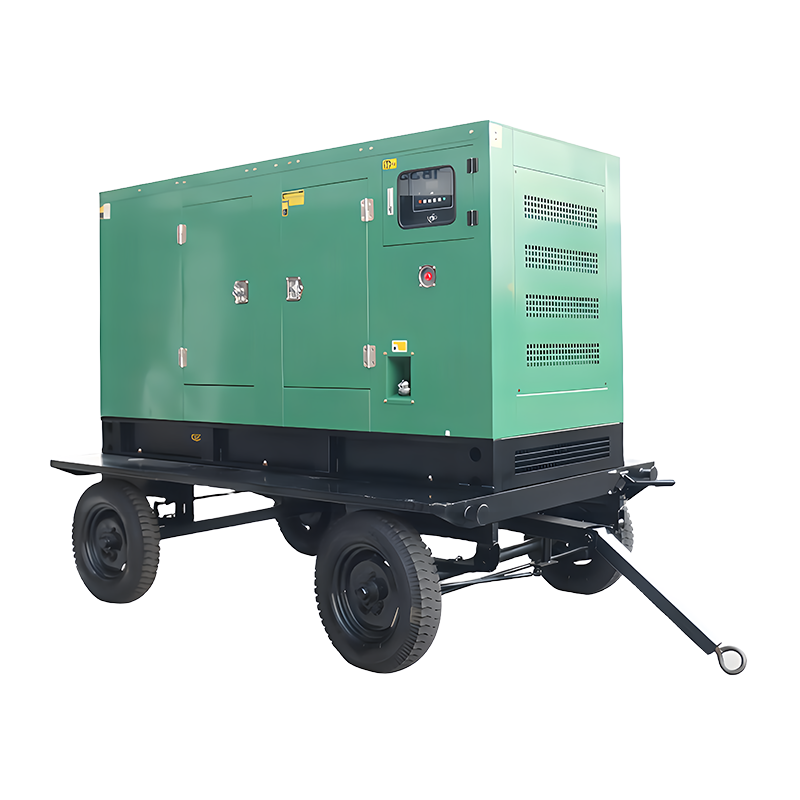
One of the greatest advantages of container-type diesel generators is their extreme portability and mobility. Because they conform to container standards, container-type generators can be easily transported by various modes of transportation, such as trucks, trains, and ships. The container design allows for rapid deployment in diverse locations without the need for complex disassembly and assembly. Installation and commissioning are typically straightforward, significantly reducing deployment time.
In contrast, traditional generators offer less flexibility in transportation and installation. While some traditional generators are equipped with mobile bases for easy mobility within a certain range, disassembly and reassembly for cross-regional transport or deployment typically require more labor and equipment. Furthermore, traditional generator components lack the standardized form factor of container-type generators, potentially requiring additional packaging and protective measures during transportation, increasing shipping costs and complexity.
Environmental Adaptability
Due to their integrated design, container-type diesel generators can operate reliably in a variety of harsh environments. Whether exposed to high temperatures, high humidity, sandstorms, or heavy rain, the container's exterior effectively protects the equipment from direct environmental damage, ensuring stable operation in extreme weather conditions.
Traditional generators lack this enclosed protection. Exposed to the elements, they are susceptible to climate change, dust, moisture, and other factors, leading to increased failure rates. In some extreme environments, traditional generators are also difficult to maintain and repair, potentially causing equipment downtime.
Energy Efficiency and Environmental Performance Differences
Energy Efficiency
Container-type diesel generators are typically equipped with more advanced energy management systems that monitor power output, fuel consumption, and engine operating status in real time. This enables the equipment to intelligently adjust operating modes based on load conditions, optimizing energy efficiency. The efficient heat dissipation system of container-type diesel generators allows them to maintain efficient operation for extended periods, avoiding efficiency reductions caused by overheating or uneven loads.
Traditional generator energy management systems are relatively simple, often providing only basic power output and unable to adjust operating conditions in real time based on load fluctuations. This means that conventional generators may not operate as efficiently as container-type diesel generators under large load fluctuations, resulting in energy waste and unnecessary fuel consumption.
Environmental Performance
Container-type diesel generators typically utilize environmentally friendly emission control technologies, such as low-emission engines and optimized combustion technology, effectively reducing exhaust emissions and meeting increasingly stringent environmental regulations. The container design also helps reduce noise pollution, especially in noise-sensitive areas such as cities and residential areas.
Traditional generators utilize relatively basic emission control technologies, resulting in limited exhaust and noise control. Especially in older models, these technologies may exceed environmental standards, leading to higher environmental pollution.
Differences in Maintenance and Operation
Ease of Maintenance
Container-type diesel generators are designed for easy maintenance. All critical components are concentrated within the container, making daily inspection, cleaning, and maintenance easily accessible to operators. The container shell also provides additional protection from external contaminants and inclement weather, reducing the need for maintenance.
Traditional generator maintenance typically requires more time and effort. Because their components are dispersed and lack a uniform protective casing, environmental damage can occur, making maintenance more difficult. Especially in harsh construction sites or extreme weather conditions, traditional generators require more frequent inspection and maintenance, increasing operating costs.
Ease of Operation
Container-type diesel generators are typically equipped with intelligent control systems that can be operated and monitored via a simple control panel or remote control device. This intelligent system makes operation simpler and more intuitive, reducing the possibility of operational errors.
Traditional generator control systems are relatively basic, requiring operators with advanced expertise to operate correctly. This can be particularly complex when adjusting output power and maintaining the engine and fuel system, which can lead to complexities.
Related Products
Related News

-
Xiaoji Town, Jiangdu District, Yangzhou City, Jiangsu Province, China
-
8618944498005
-
+86-18652407919
-
+86-0514-86593686
Copyright © Jiangsu Ford Generator Co., Ltd.
