




 English
 Español
 عربى
عربىhow does a generator transfer switch work: Practical Applications, Selection
Sep 23, 2026
Content
- 1 What Is a Generator Transfer Switch?
- 2 How a Transfer Switch Works, Step by Step
- 3 Manual vs. Automatic: Which Type Fits Your Site?
- 4 Why Connecting a Generator Without a Switch Is Never an Option
- 5 Pairing a Transfer Switch with a Diesel Generator
- 6 Where Transfer Switches Earn Their Keep
- 7 Practical Takeaways for Your Backup Power Plan
Every backup power system has one quiet hero that most people never see: the transfer switch. When the grid fails, a diesel generator cannot simply be plugged into a building and switched on. Two power sources must reach your loads one at a time, safely and cleanly, and that is precisely the job the transfer switch performs. After more than two decades of building diesel generator sets for factories, telecom stations, hotels, and infrastructure projects, our team has learned that understanding this one device is the key to dependable standby power. Here is how it actually works.
What Is a Generator Transfer Switch?
A transfer switch is an electrical device installed between two power sources — normally the utility grid and a standby generator — and a single set of loads, such as a building's distribution panel. Its governing rule is absolute: at any moment, the loads may draw from exactly one source, never both. Picture a railway junction where two tracks merge into one: only one train may occupy the shared track, and the layout itself prevents a second from entering until the first has cleared.
That one-source rule is not a design preference but a hard safety requirement. Inside the switch, a mechanical interlock physically blocks the utility contact and the generator contact from closing together. Even if the control circuitry failed outright, the hardware would still refuse to let the two sources meet. This is why electrical codes in most regions treat a transfer switch, or an approved equivalent, as mandatory whenever a generator is wired into a building.
How a Transfer Switch Works, Step by Step
The Break-Before-Make Principle
Inside every transfer switch sits a pair of heavy-duty contacts: one for the utility supply, often called the normal source, and one for the generator, the standby source. Both feed a single output that carries power to your loads. During switching, the active contact must fully open before the opposite contact closes — an action known as break-before-make. The result is a brief, deliberate dead time, usually only milliseconds, when the load receives no power. That tiny blink of darkness is the price of guaranteed isolation: the two sources can never touch, even for an instant.
The Automatic Sequence During an Outage
With an automatic transfer switch (ATS), the whole event unfolds without anyone lifting a finger:
- The ATS monitors utility voltage and frequency around the clock. When readings collapse or drift out of range, a short verification delay confirms the outage is real rather than a momentary dip.
- The switch sends a start signal to the generator set, typically over a simple two-wire control circuit.
- The genset controller cranks the engine and brings it to rated speed while the alternator builds voltage. The ATS waits until the generator sits within its acceptable voltage and frequency window.
- The switch mechanism throws its contacts to the generator side, and the building transfers over. Occupants usually notice nothing worse than a brief flicker.
- While the generator carries the load, the ATS keeps watching the utility line. When grid power returns, it holds a retransfer delay — often several minutes — to confirm the restoration is stable, not a flickering comeback.
- The load transfers back to the utility, and the generator runs unloaded for a cool-down period of a few minutes before shutting down.
- The ATS returns to monitoring mode, reset and ready for the next event.
A manual transfer switch follows the same logic with a human hand supplying the timing: start the generator, let it stabilize, move the lever from the line position to the generator position, and reverse the process once the grid is back. The interlock inside works the same way; you are simply the control circuit.
Manual vs. Automatic: Which Type Fits Your Site?
Both types enforce the same break-before-make isolation. What separates them is who — or what — performs the switching, and that shapes the whole experience of an outage.
| Aspect | Manual Transfer Switch | Automatic Transfer Switch |
|---|---|---|
| Switching action | Operator moves the lever after starting the generator | Contact mechanism transfers the load by itself |
| Response time | Minutes, depending on the operator | Seconds to about a minute, hands-free |
| Presence required | Someone must be on site | Works unattended, around the clock |
| Typical coverage | A handful of essential circuits | Whole facility or designated emergency loads |
| Best suited for | Homes, small shops, temporary work sites | Hospitals, data centers, factories, telecom stations |
Why Connecting a Generator Without a Switch Is Never an Option
Skip the transfer switch and wire a generator straight into a panel, and you create what electricians call backfeed: generator current flows backward through the service transformer and out onto utility lines that everyone believes are dead. A line crew working on those cables could face lethal voltage sourced from your generator. Backfeeding also invites damaged equipment the moment the grid returns, and it violates electrical codes almost everywhere.
For smaller portable setups, a code-approved alternative is a generator interlock kit — a mechanical plate that forces the main breaker off before the generator breaker can close, achieving the same one-source isolation through the panel itself. Our generator interlock kit installation guide walks through that hardware step by step. For fixed standby installations beyond a few kilowatts, though, a true transfer switch remains the professional standard.
Pairing a Transfer Switch with a Diesel Generator
The switch and the generator set must be specified together, because each defines the limits of the other. Keep these fundamentals in mind:
- Amperage rating — the switch must carry everything the genset can supply. A 200 kW three-phase set at 400 V, for instance, delivers roughly 360 A at a typical 0.8 power factor, so the switch needs at least that capacity.
- Poles and phase — single-phase buildings generally use a two-pole switch, while three-phase facilities need three-pole or four-pole units depending on whether the neutral is switched.
- Enclosure rating — outdoor, humid, or dusty sites demand a weatherproof cabinet, just as the generator itself does.
- Control compatibility — the ATS and the genset controller must share a common start signal, which is why the two-wire start interface has become the industry default.
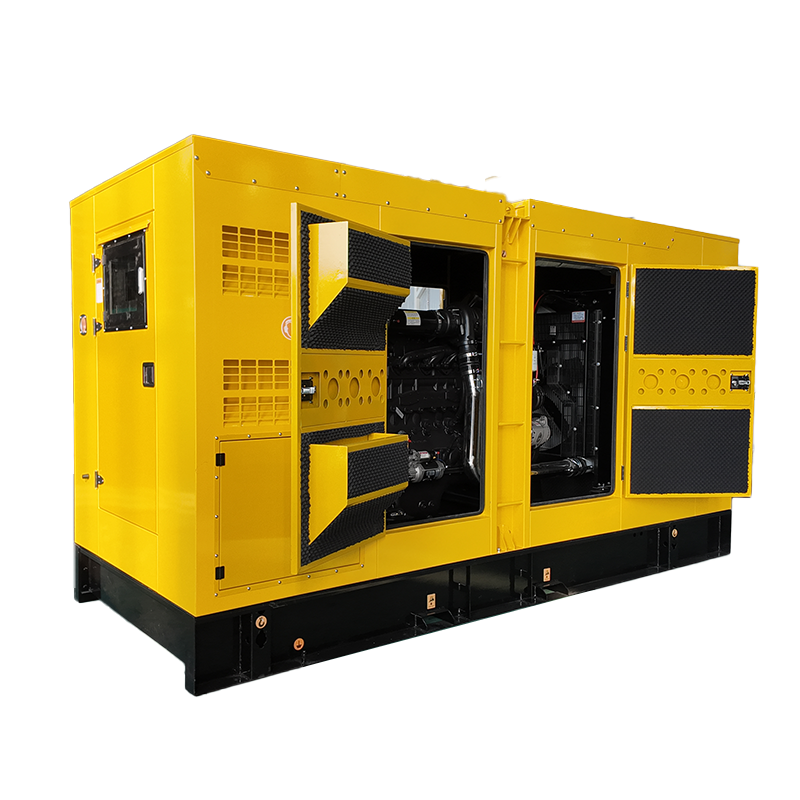
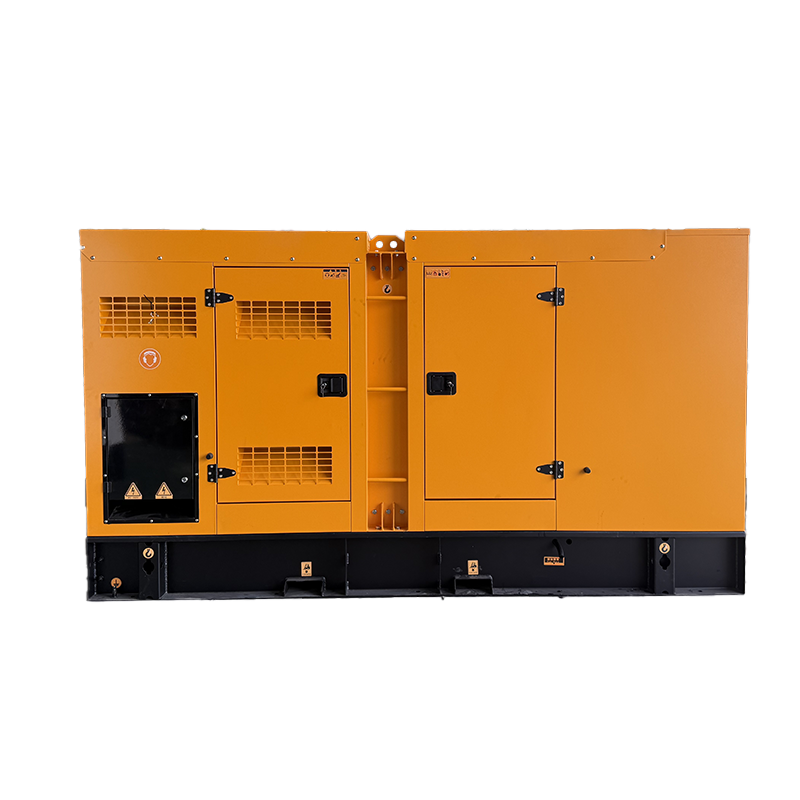
Noise matters as much as ratings when the standby system sits beside occupied spaces. For hotels, hospitals, and supermarkets, a sound-attenuated canopy keeps guests and staff comfortable while the ATS completes its transfer within seconds of a blackout. A typical pairing:
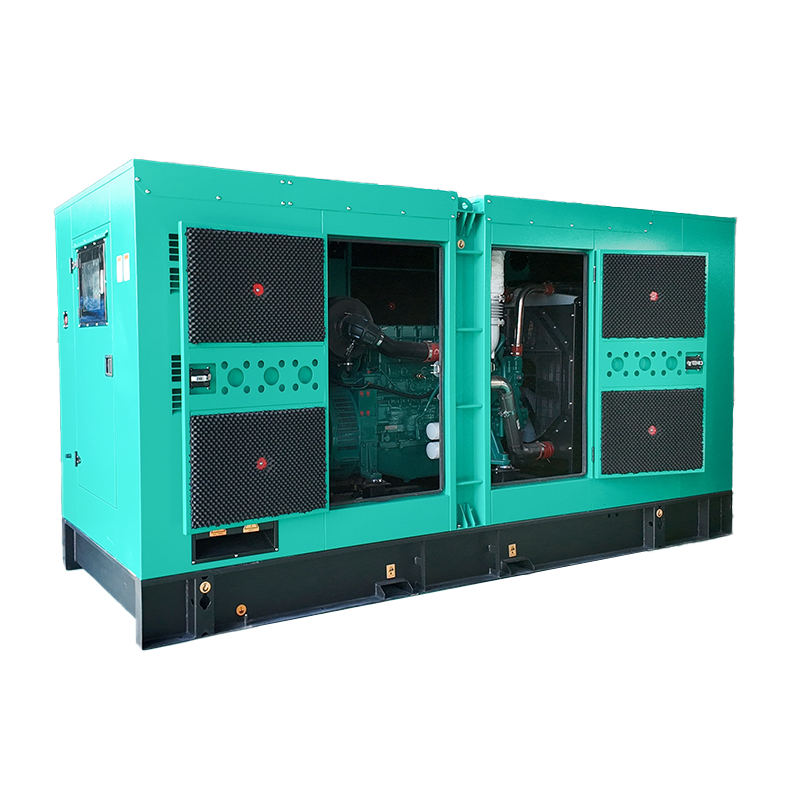 Silent Type Diesel Generator SetsCompared with the open-type generator set, the silent-type generator set has an additional device on its basis to make the generator soundproof and rainproof. The open...View Product →
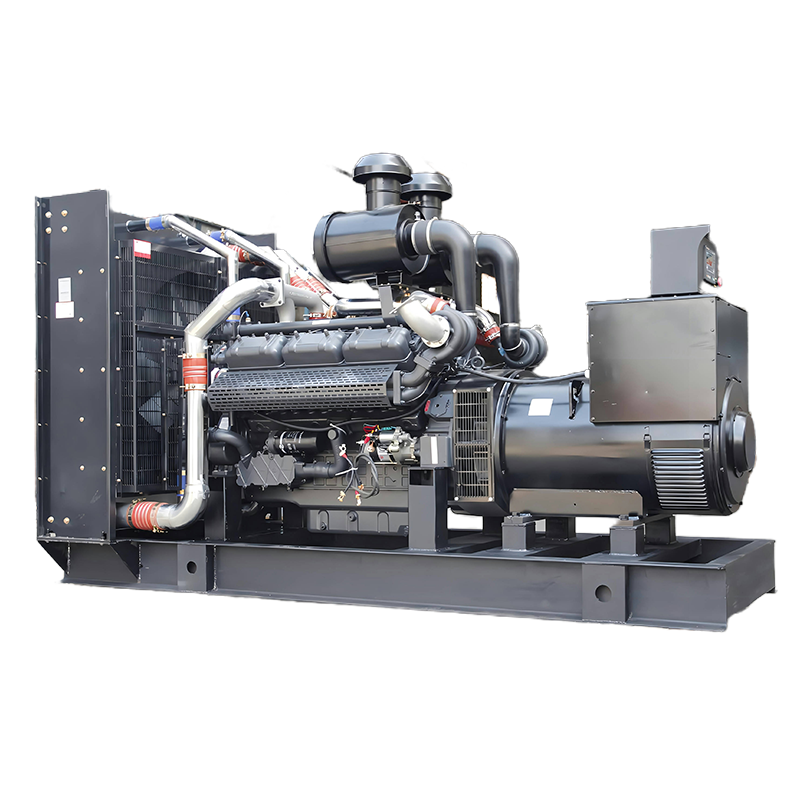
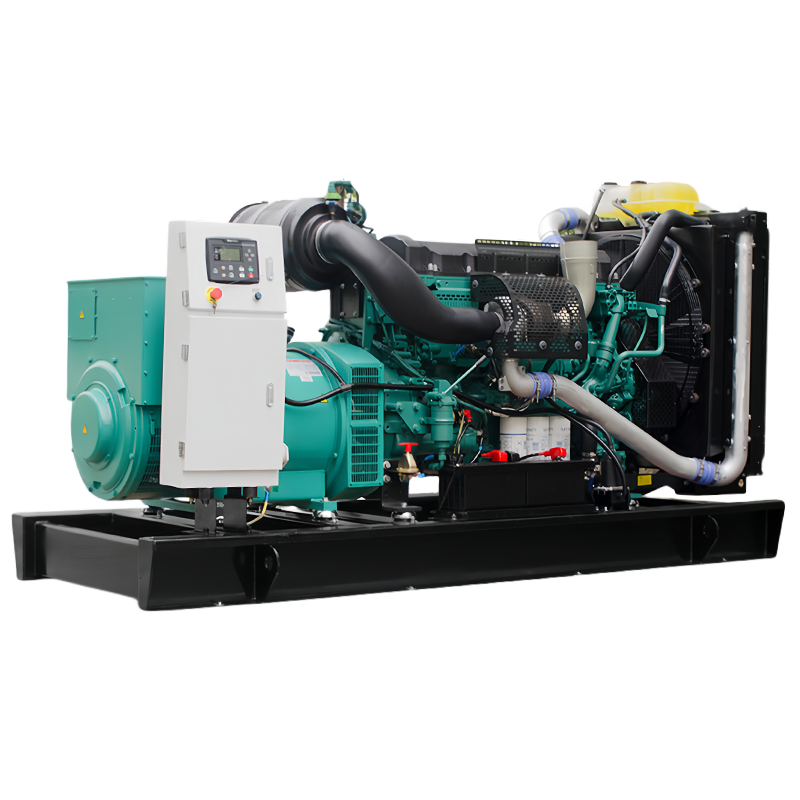
The engine itself is the other half of the equation. A transfer switch can close its contacts in seconds, but real power arrives only if the prime mover starts promptly and the alternator builds voltage under load. That is why we weigh the engine platform as heavily as the switching hardware — proven engines give an ATS the fast, decisive response it assumes. One platform we frequently build around:
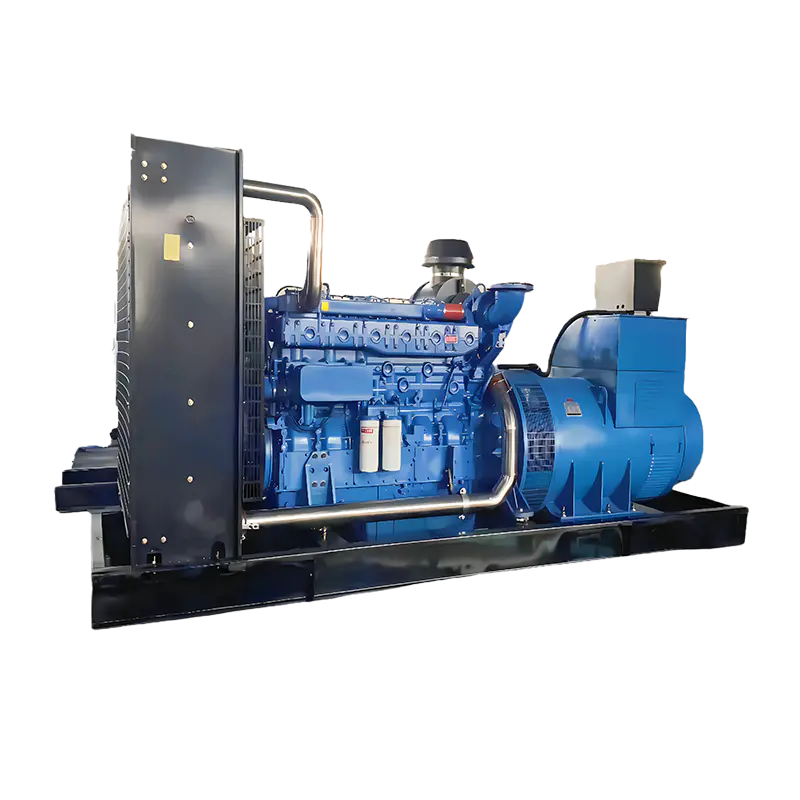
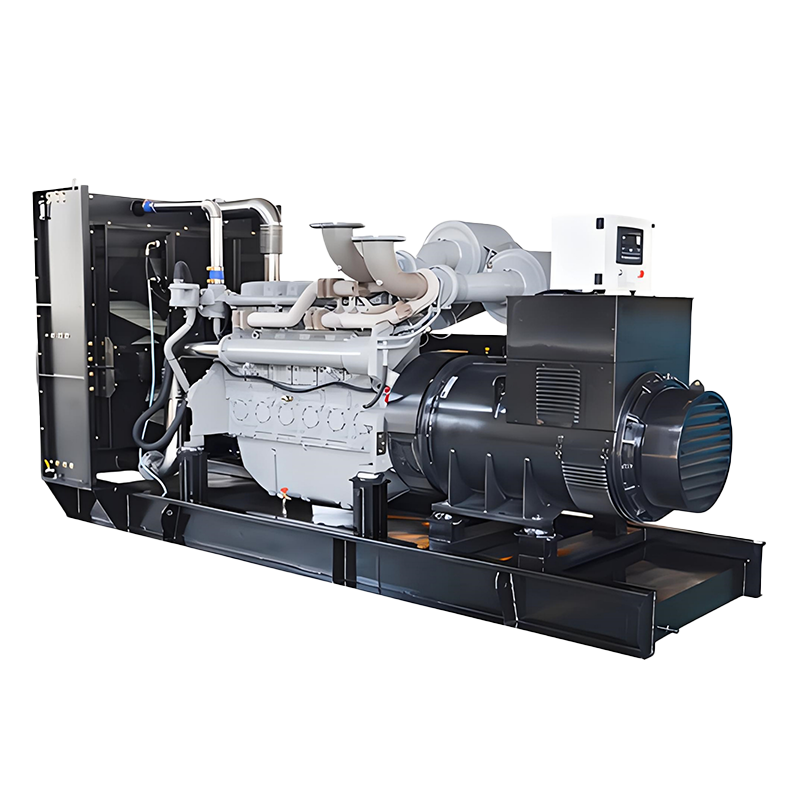 Perkins Diesel Generator SetsPerkins generator sets use imported diesel engines produced by Caterpillar in the United States and Rolls-Royce in the United Kingdom. They are compact in size, highly...View Product →
Where Transfer Switches Earn Their Keep
Once you know the sequence, you notice how many places depend on it. Telecom towers rely on unattended ATS operation because no technician can reach a remote site in time. Hospitals treat automatic transfer of life-safety loads as a code obligation. Hotels and supermarkets use fast, quiet retransfer so guests, tills, and cold chains never sense the outage. Factories, mines, ports, and airports pair larger gensets with high-amperage switches to keep heavy processes alive through extended outages.
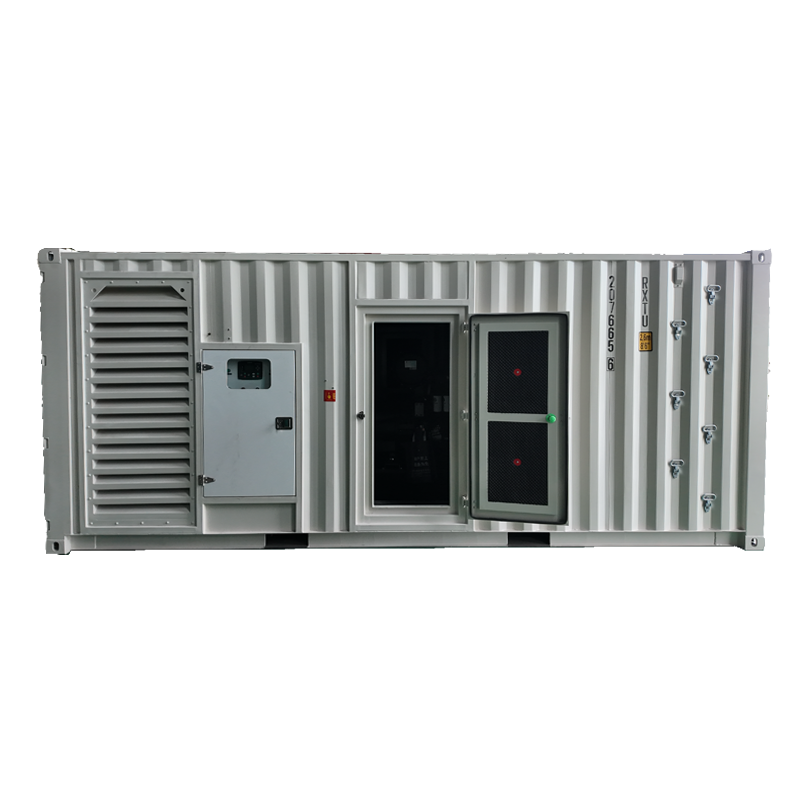
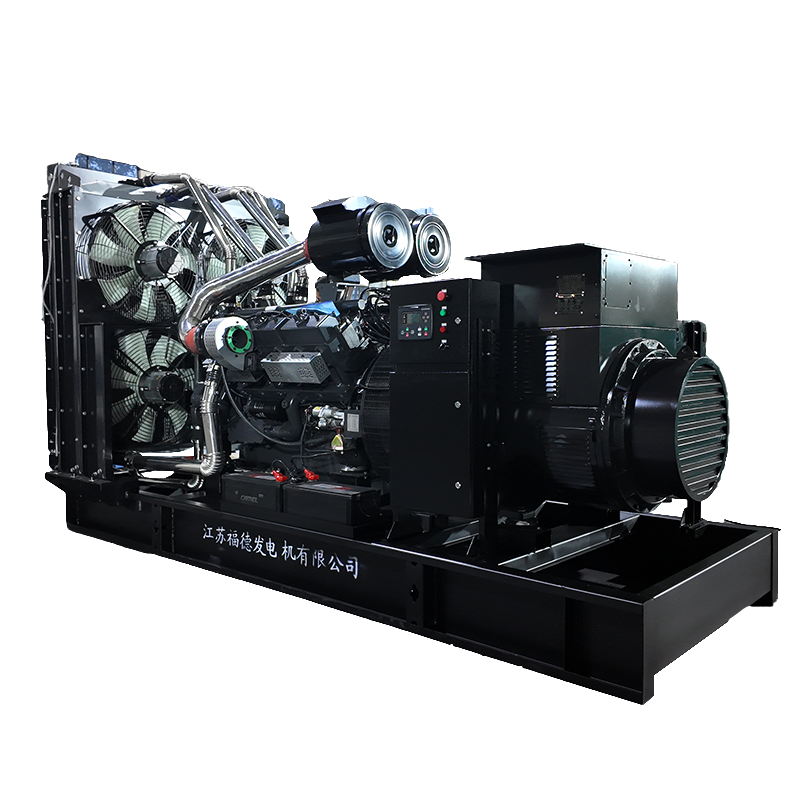
At the largest scale — data halls, power plants, major transport hubs — the generator, fuel system, and switching scheme are engineered together as a packaged plant, and containerized high-capacity sets have become the preferred format. Projects in that class look like this:
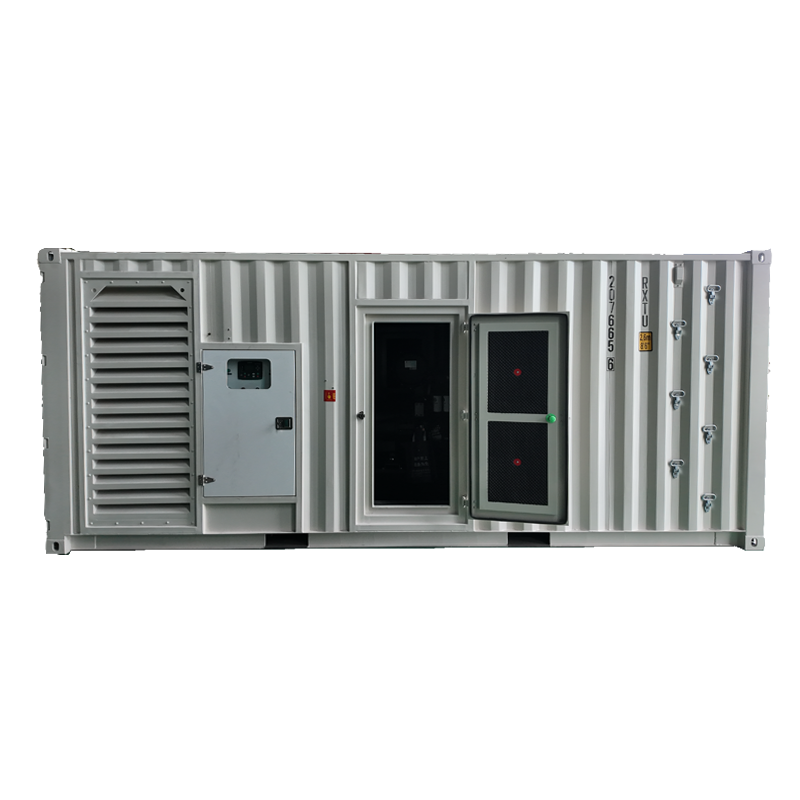 Container Type Diesel Generator SetsA containerized generator set is a power generation equipment that integrates the generator set, control system, fuel supply system, etc., in a sturdy container, which...View Product →
Practical Takeaways for Your Backup Power Plan
A transfer switch is not an accessory; it is the safety logic of your standby system. Budget for it from day one, size it against the generator's full output rather than your average load, and test the complete sequence monthly by simulating a utility failure. When switch, controller, and genset are engineered as one team, an outage becomes a non-event: the lights blink, the ATS speaks, the diesel answers.
If you are planning such a system, start by browsing our complete range of diesel generator sets, then talk with our engineers at Jiangsu Ford Generator about the transfer scheme that suits your site. With 26 years of genset manufacturing behind us, we are glad to help you get every step of that sequence right.
Related Products

Related News

-
Xiaoji Town, Jiangdu District, Yangzhou City, Jiangsu Province, China
-
8618944498005
-
+86-18652407919
-
+86-0514-86593686
Copyright © Jiangsu Ford Generator Co., Ltd.
