




 English
 Español
 عربى
عربىHow Many Hours Can a Generator Run? All Types Explained
May 06, 2026
Content
- 1 How Many Hours Can a Generator Run? The Direct Answer
- 2 Key Factors That Determine Generator Runtime
- 3 Runtime Comparison Across Diesel Generator Types
- 4 Open Frame Diesel Generator: Runtime and Characteristics
- 5 Silent Type Diesel Generator: Extended Runtime with Noise Control
- 6 Rainproof Type Diesel Generator: Designed for Outdoor Continuous Operation
- 7 Movable Type Diesel Generator: Portability with Practical Runtime
- 8 Mobile Silent Diesel Generator: The Best of Portability and Quiet Runtime
- 9 How to Maximize Your Diesel Generator's Runtime
- 10 Choosing the Right Diesel Generator Type for Your Runtime Needs
How Many Hours Can a Generator Run? The Direct Answer
Most diesel generators can run continuously for 8 to 24 hours per tank of fuel, and with proper maintenance, accumulate 20,000 to 30,000 total operating hours over their lifespan—equivalent to roughly 10–15 years of regular use. The exact runtime depends on the generator type, tank capacity, load percentage, and ambient conditions. An open frame diesel generator running at 75% load might consume fuel faster than a silent type unit of the same output, simply due to differences in cooling efficiency and thermal management. Understanding these differences helps you select the right generator for your specific runtime requirements.
Key Factors That Determine Generator Runtime
Before comparing generator types, it is important to understand the variables that directly control how long any generator can run.
Fuel Tank Capacity
Tank size is the most immediate limiting factor for a single continuous run. A small portable generator may carry a 15–25 liter tank, yielding 8–12 hours of runtime. Industrial diesel generators with 200–1,000 liter base tanks can run 24–72 hours without refueling. External day tanks or sub-base fuel tanks can extend this to several weeks of uninterrupted operation.
Load Percentage
Diesel generators are most fuel-efficient between 60% and 80% of rated load. Running at 100% load burns fuel faster and generates more heat, reducing continuous safe runtime. Running below 30% load (underloading) causes wet stacking—a buildup of unburned fuel in the exhaust—which damages the engine over time and also reduces efficiency.
Maintenance and Service Intervals
Oil changes are typically required every 250–500 hours of operation, and coolant and filters every 500–1,000 hours. Neglecting these intervals degrades performance and shortens total engine life. A well-maintained diesel generator from brands like Cummins, Perkins, or Mitsubishi can reach 30,000+ hours; a neglected unit may fail before 5,000 hours.
Ambient Temperature and Ventilation
High ambient temperatures above 40°C reduce rated output by approximately 1% per degree Celsius above the standard rating temperature (usually 25°C or 40°C depending on ISO standard). Poor ventilation in enclosed spaces forces the engine to run hotter, accelerating wear and reducing safe continuous runtime.
Runtime Comparison Across Diesel Generator Types
| Generator Type | Typical Continuous Runtime | Total Lifespan (Hours) | Best Use Case |
|---|---|---|---|
| Open Frame Diesel | 8–12 hours | 15,000–20,000 | Construction sites, farms |
| Silent Type Diesel | 10–24 hours | 20,000–30,000 | Offices, hospitals, hotels |
| Rainproof Type Diesel | 12–24 hours | 18,000–25,000 | Outdoor events, telecom towers |
| Movable Type Diesel | 8–16 hours | 15,000–20,000 | Rental fleets, mobile crews |
| Mobile Silent Diesel | 12–24 hours | 20,000–30,000 | Film sets, urban events, disaster relief |
Open Frame Diesel Generator: Runtime and Characteristics
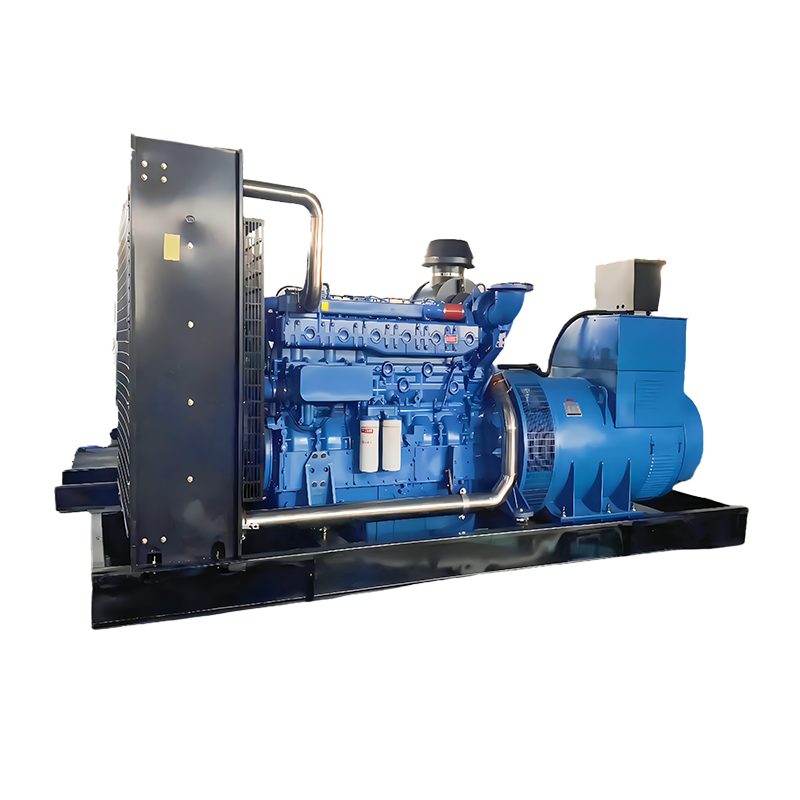
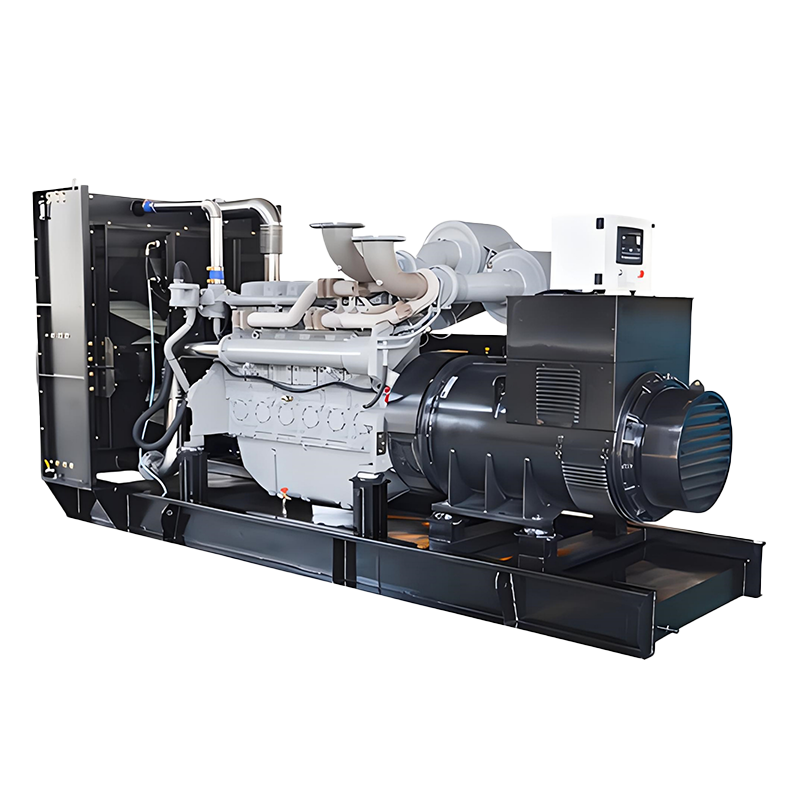
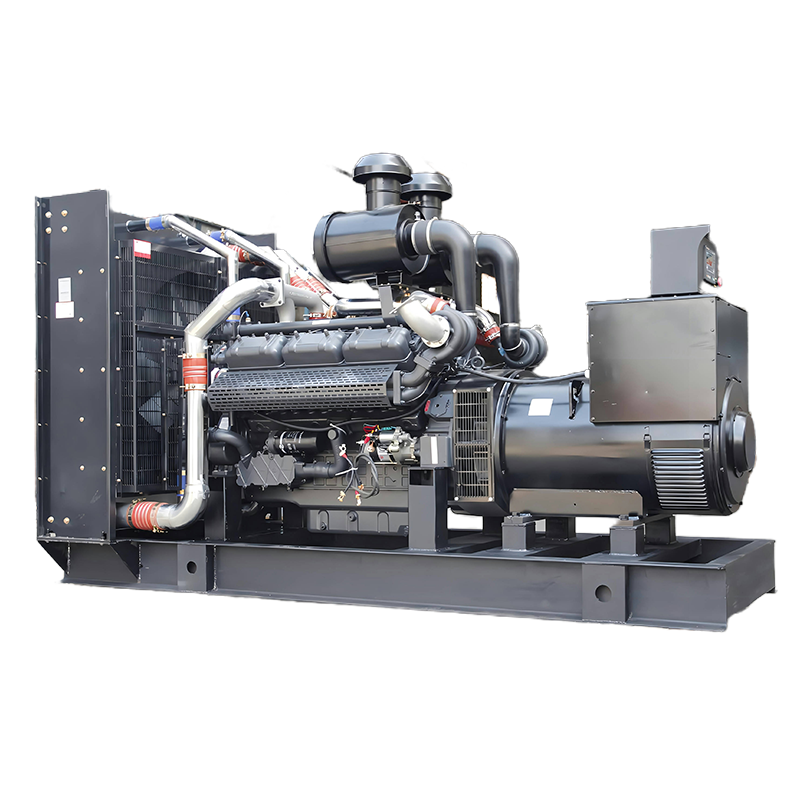
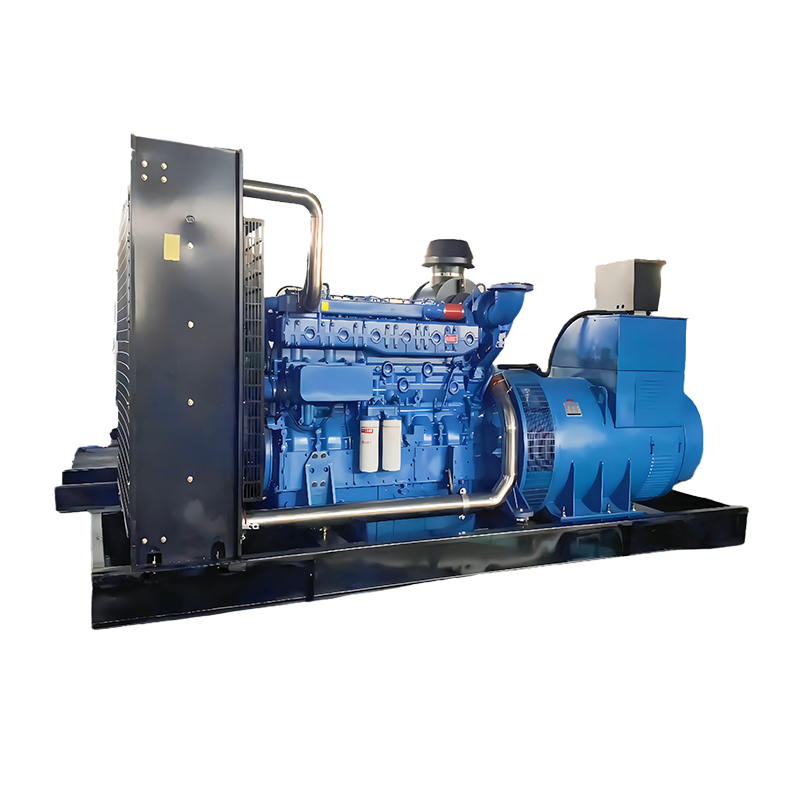
An open frame diesel generator is the most basic configuration—the engine and alternator are mounted on a steel frame with no enclosure. This design maximizes heat dissipation and accessibility, but offers no weather or noise protection.
Typical Runtime
Open frame generators in the 5–30 kVA range typically carry fuel tanks of 15–40 liters, yielding 8–12 hours of continuous runtime at 75% load. Larger open frame industrial units (100–500 kVA) can be fitted with sub-base tanks of 200–500 liters, extending runtime to 20+ hours per fill.
Strengths and Limitations
- Strength: Lower purchase cost—typically 20–35% cheaper than equivalent silent type units.
- Strength: Easier maintenance access due to open design; oil, filters, and belts are all immediately visible.
- Limitation: Noise levels reach 90–105 dB(A) at 1 meter, making them unsuitable for noise-sensitive environments.
- Limitation: No weather protection; cannot operate in rain without an external canopy or shelter.
Open frame diesel generators are the go-to choice for construction sites, agricultural operations, and temporary power needs where noise and aesthetics are not a concern.
Silent Type Diesel Generator: Extended Runtime with Noise Control
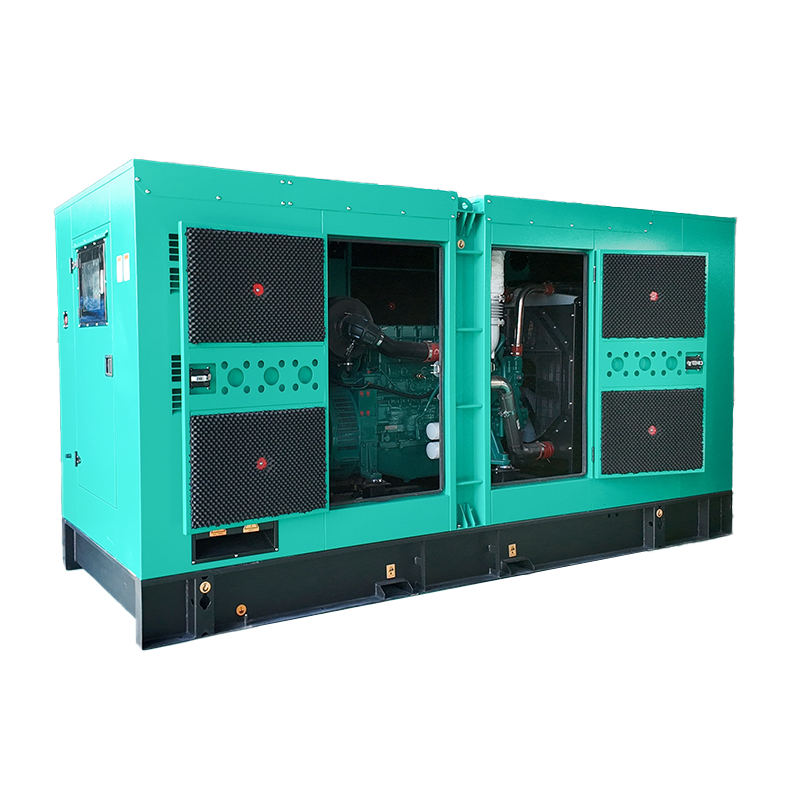
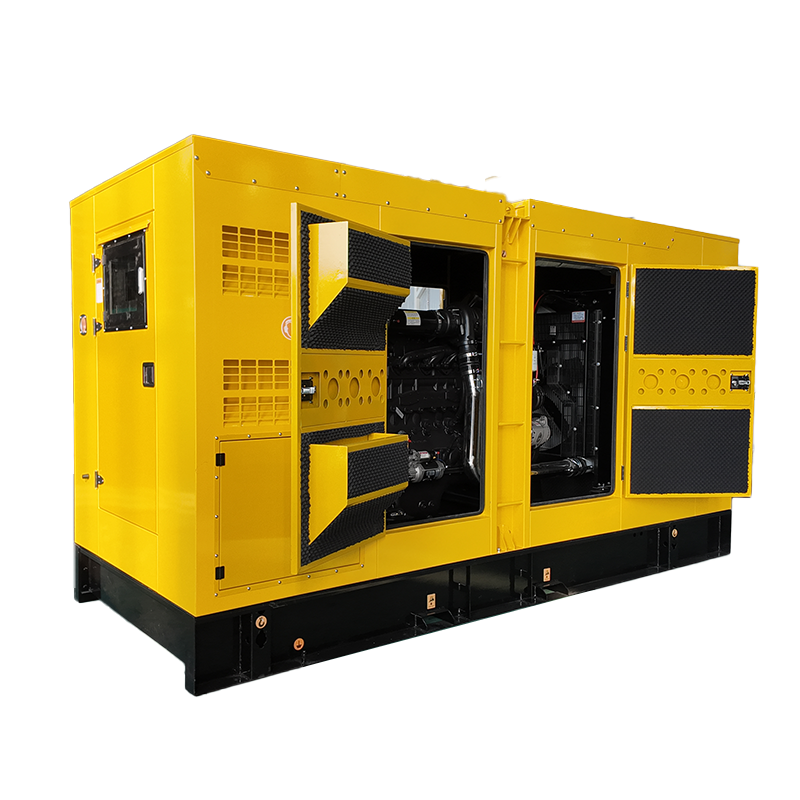
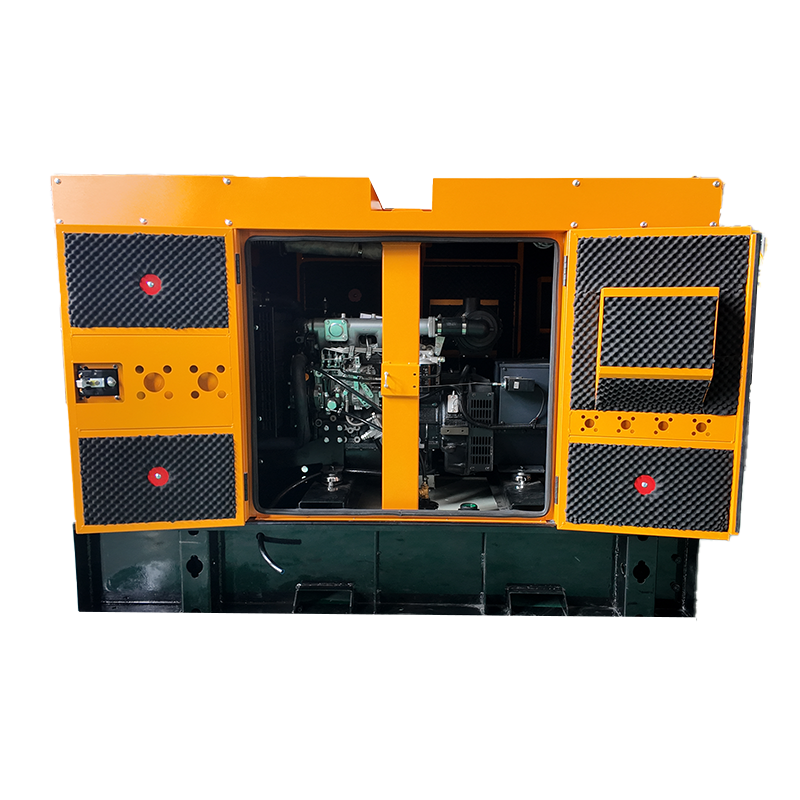
A silent type diesel generator encloses the engine and alternator in a sound-attenuating canopy—typically steel panels lined with acoustic foam. This enclosure reduces operating noise to 65–75 dB(A) at 1 meter for most models, and under 60 dB(A) for super-silent variants, which is comparable to a normal conversation.
Typical Runtime
Silent type units commonly integrate larger base fuel tanks than equivalent open frame models, with 40–200 liter tanks standard on 10–100 kVA units. This yields a typical continuous runtime of 10–24 hours. Many silent generator canopies also accommodate external day tank connections, making multi-day continuous operation feasible for critical standby applications.
Why Silent Generators Often Last Longer
The enclosed canopy protects the engine from dust, debris, and minor moisture ingress, reducing wear on air filters and fuel systems. Combined with better thermal regulation through designed ventilation channels, silent type generators frequently achieve total lifespans of 20,000–30,000 hours—about 30–50% more than a comparable open frame unit in the same environment.
Rainproof Type Diesel Generator: Designed for Outdoor Continuous Operation
A rainproof type diesel generator is built specifically for permanent or long-term outdoor installation where exposure to rain, humidity, and environmental contaminants is unavoidable. Unlike a basic silent canopy, the rainproof enclosure meets IP (Ingress Protection) standards—typically IP23 or IP44—meaning the unit can withstand direct water spray from any direction without damage.
Typical Runtime
Rainproof generators are generally designed for standby or prime power applications, with fuel tanks sized accordingly—often 100–500 liters for units in the 20–200 kVA range. This supports 12–48 hours of continuous runtime per fill. They are frequently connected to large external fuel storage systems, enabling weeks of uninterrupted operation for telecom towers, remote monitoring stations, and rural electrification projects.
Key Features That Support Long Runtime
- Sealed electrical panels and waterproof connectors prevent moisture-induced failures during extended outdoor runs.
- Corrosion-resistant coatings on the canopy and frame extend service life in coastal or high-humidity environments.
- Automatic louvered ventilation systems open during operation and close when the generator stops, preventing rain ingress during non-operational periods.
Movable Type Diesel Generator: Portability with Practical Runtime
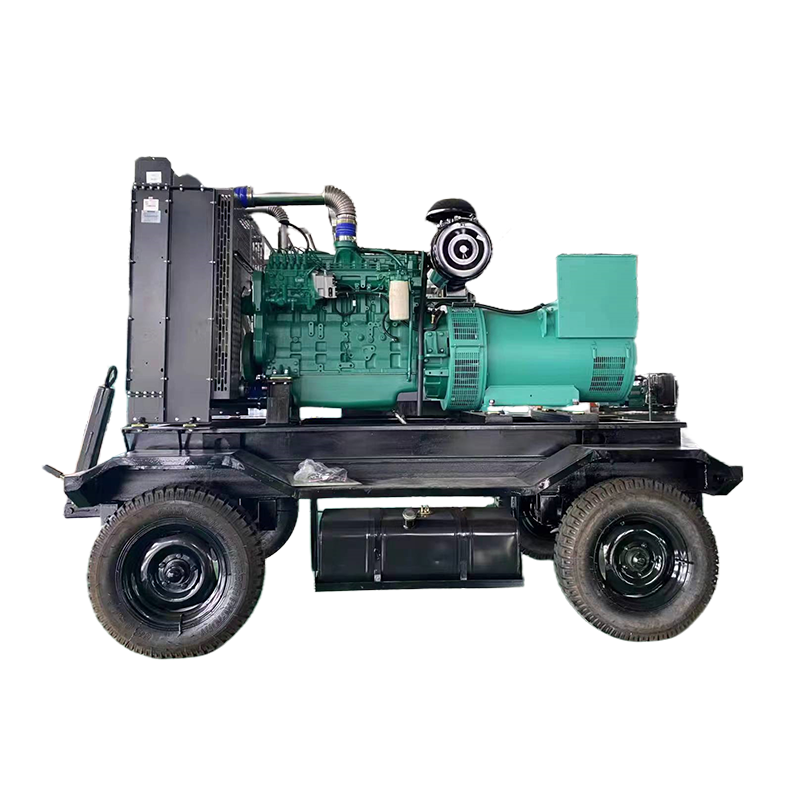
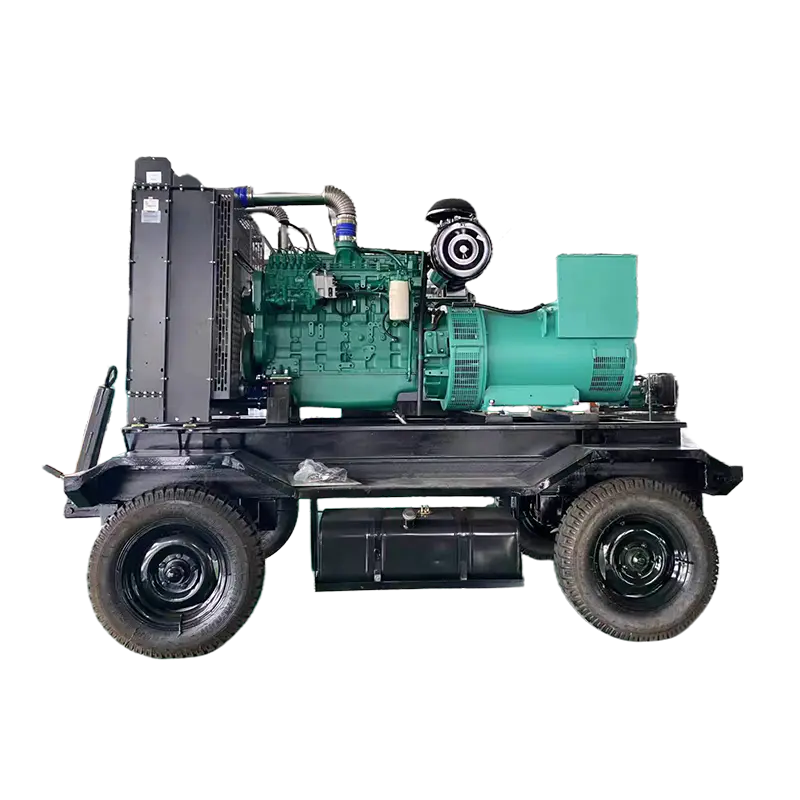
A movable type diesel generator (also called a trailer-mounted or wheeled generator) is engineered for frequent relocation. The generator set is mounted on a wheeled frame or road-legal trailer, allowing it to be towed between job sites by a standard vehicle.
Typical Runtime
Because trailer-mounted units prioritize mobility, fuel tanks are balanced between capacity and weight. Most movable generators in the 20–100 kVA range carry 80–200 liter tanks, providing 8–16 hours of runtime per fill at 75% load. Larger trailer units (200–500 kVA) can carry up to 400-liter tanks, pushing runtime toward 20+ hours.
Runtime Considerations for Mobile Use
- Vibration during transport can loosen fittings and accelerate fuel filter clogging—pre-run inspections are essential to maintain full runtime capacity.
- Fuel sloshing in partially filled tanks during transport can introduce air into fuel lines, causing startup issues and reduced initial runtime efficiency.
- Road-legal trailer versions must comply with axle weight regulations, which limits how large a sub-base fuel tank can be fitted.
Mobile Silent Diesel Generator: The Best of Portability and Quiet Runtime
A mobile silent diesel generator combines the acoustic enclosure of a silent type unit with the wheeled or trailer-mounted mobility of a movable type generator. This makes it the most versatile option for applications requiring both quiet operation and frequent relocation—such as outdoor film productions, urban construction zones with noise ordinances, disaster relief operations, and large-scale events.
Typical Runtime
Mobile silent generators are typically engineered with larger integrated fuel tanks to offset the inefficiency of moving the unit frequently. Units in the 30–150 kVA range commonly carry 150–400 liter tanks, providing 12–24 hours of runtime at rated load. Premium models with dual-skin acoustic canopies and low-noise exhaust systems can run at under 65 dB(A) at 7 meters—quiet enough to operate adjacent to residential areas in many jurisdictions.
Why Runtime Reliability Matters More for Mobile Units
When a mobile silent generator is deployed at a remote event or emergency site, unplanned shutdowns are far more disruptive than at a fixed installation. This is why leading mobile silent generator manufacturers such as Himoinsa, FG Wilson, and Kohler engineer these units with automatic low-fuel warnings, remote monitoring capability, and automatic transfer switch (ATS) compatibility—ensuring runtime is never compromised unexpectedly.
How to Maximize Your Diesel Generator's Runtime
Regardless of generator type, these practical steps will help you get the most hours from every tank of fuel and extend overall engine life:
- Match load to generator size: Operate at 60–80% of rated capacity for the best fuel efficiency and longest safe continuous runtime. Oversizing the generator to run at 30% load wastes fuel and causes wet stacking.
- Use quality diesel fuel: Low-quality or contaminated diesel clogs injectors and reduces combustion efficiency, cutting runtime by 10–20% and accelerating engine wear.
- Service oil and filters on schedule: Change engine oil every 250 hours for older units, and 500 hours for modern electronic diesel engines. Clean air filters every 100–200 hours in dusty conditions.
- Install an external day tank: A gravity-fed or pump-fed external tank connected to the generator's fuel inlet can extend a single continuous run from 24 hours to several days without manual refueling.
- Monitor coolant levels and radiator cleanliness: Overheating is the most common cause of unexpected generator shutdowns during long runs. Check coolant levels before each extended run and clean radiator fins quarterly.
- Allow cool-down periods for intensive runs: After 8–12 hours of continuous operation at high load, a 30-minute cool-down period at reduced or no load significantly extends engine lifespan over time.
Choosing the Right Diesel Generator Type for Your Runtime Needs
Matching the generator type to your operating environment is the most effective way to ensure consistent runtime and long-term reliability.
| Your Requirement | Recommended Type | Why |
|---|---|---|
| Low budget, fixed outdoor site, noise not an issue | Open Frame Diesel | Lowest cost, easy to service |
| Office, hotel, hospital standby power | Silent Type Diesel | Quiet, long runtime, high reliability |
| Permanent outdoor install, rain and humidity exposure | Rainproof Type Diesel | IP-rated, weather-sealed, long service life |
| Multiple job sites, rental fleet, mobile crews | Movable Type Diesel | Road-towable, practical tank size |
| Events, film sets, urban zones with noise limits | Mobile Silent Diesel | Quiet + mobile + long runtime combined |
The right generator type is not always the most powerful or the most expensive—it is the one whose runtime capability, noise profile, and mobility characteristics align precisely with how and where it will be used. Investing in the correct type from the outset avoids costly workarounds and ensures your power supply remains reliable across its full operational lifespan.
Related Products

-
Xiaoji Town, Jiangdu District, Yangzhou City, Jiangsu Province, China
-
8618944498005
-
+86-18652407919
-
+86-0514-86593686
Copyright © Jiangsu Ford Generator Co., Ltd.
