




 English
 Español
 عربى
عربىHow Are Generators Rated? A Complete Guide to kW, kVA, and Duty Ratings
Sep 16, 2026
Content
Two generator sets can show the same power number and still have completely different capabilities. A 400 kW standby set and a 400 kW prime set are not interchangeable because their ratings are based on different workloads. The correct way to read a generator rating is to ask two questions: What kind of duty can it run for an unlimited number of hours, and under what ambient conditions? Answer both, and the rating becomes clear.
The core: duty ratings from ISO 8528
Most commercial and industrial diesel generator sets are rated according to ISO 8528, the international performance standard for generator sets. The standard defines several duty categories. In practical terms, most buyers only need to compare three: Emergency Standby Power (ESP), Prime Power (PRP), and Continuous Power (COP).
| Duty | Typical use | Load pattern | Operating hours | Overload |
|---|---|---|---|---|
| Standby (ESP) | Backup when mains power fails | Variable, average about 70% of nameplate | Limited, often up to 200 h per year | None |
| Prime (PRP) | Main power with changing loads | Variable, average about 70% of prime rating | Unlimited | 10% for 1 h out of every 12 h |
| Continuous (COP) | Constant 24/7 base loads | Constant, can be 100% of rating | Unlimited | None |
The important point is that the same engine and alternator can carry a larger standby nameplate than a prime nameplate. That does not mean the machine gets stronger; it means the manufacturer is allowing a higher output for a shorter and more predictable duty. If you size a standby-rated set for a site that runs twelve hours a day, you are stepping outside the design envelope.
How kW and kVA fit into the rating
Generator set output is given in both apparent power, kVA, and real power, kW. kW is the power that does useful work; kVA is the total electrical power the alternator must deliver, including reactive power. The relationship is simple: kW = kVA × power factor.
For three-phase diesel generator sets, the rating is usually quoted at 0.8 power factor, so a 500 kVA set is described as a 400 kW set. That pair is not fixed forever. If your load power factor is lower than 0.8, the alternator may reach its current limit before the engine reaches full load. If your load power factor is higher, the engine may be the limiting component. This is why a rating is a pair, not a single number.
The kVA number is also a current limit. In a three-phase set, kVA relates directly to line voltage and current. When a large motor starts, it can draw several times its running current for a few seconds, so the alternator must handle that momentary current without excessive voltage dip. Selecting only on kW can leave a set that runs fine at steady state but cannot start the largest motor.
Where the rating number actually comes from
At the manufacturing stage, the rating is a balance between the engine and the alternator. The engine supplies a gross mechanical output at a fixed speed. Some of that output is consumed by the radiator fan, the alternator losses, and other auxiliary loads. What remains is the electrical power the set can deliver continuously without overheating.
The alternator has its own limit, expressed in kVA, based on winding temperature. The lower of the two limits — engine kW converted to electrical kW, or alternator kVA multiplied by the rated power factor — becomes the nameplate rating. Frequency also plays a role: at 50 Hz, most four-pole generators run at 1,500 rpm, while at 60 Hz they run at 1,800 rpm. The same engine block can have different ratings at each frequency because cooling and fuel-injection settings are different.
Altitude, temperature, and real-world conditions
A nameplate rating always assumes a reference condition. When the set is installed at high altitude, the air is less dense, so the engine cannot burn the same amount of fuel and the alternator receives less cooling air. High ambient temperature has the same effect on both components. A set that produces 400 kW at 25°C near sea level may only deliver 350 kW at 1,500 m and 40°C. The exact number depends on the engine manufacturer and the alternator cooling system.
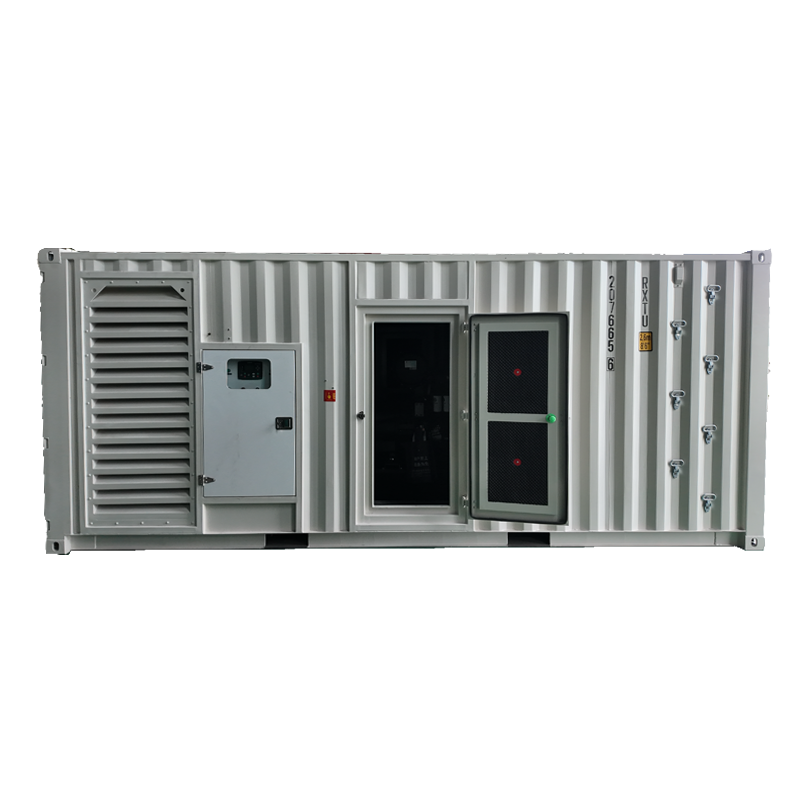
Enclosures also change the airflow. A silent canopy or a container installation can reduce ventilation, which lowers the allowable output unless fans and ducting are sized for it. Always request the derating curves for the exact enclosure and site conditions, not just the base engine rating.
This is one reason container-type generator sets are often specified for large outdoor installations: the entire ventilation and fuel system is matched to the rating, so the derating calculation is part of the package rather than an afterthought.
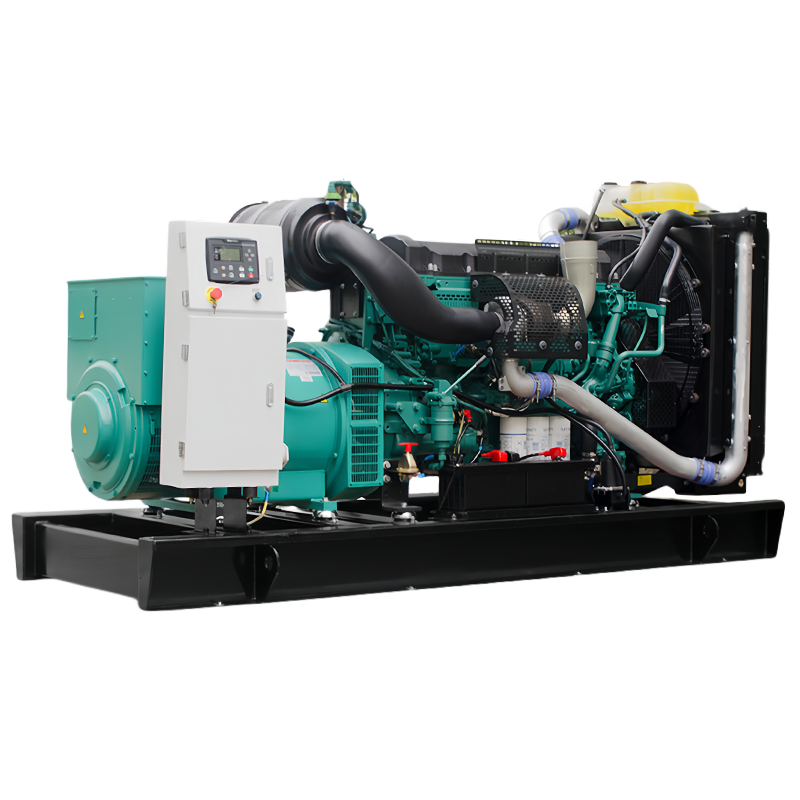
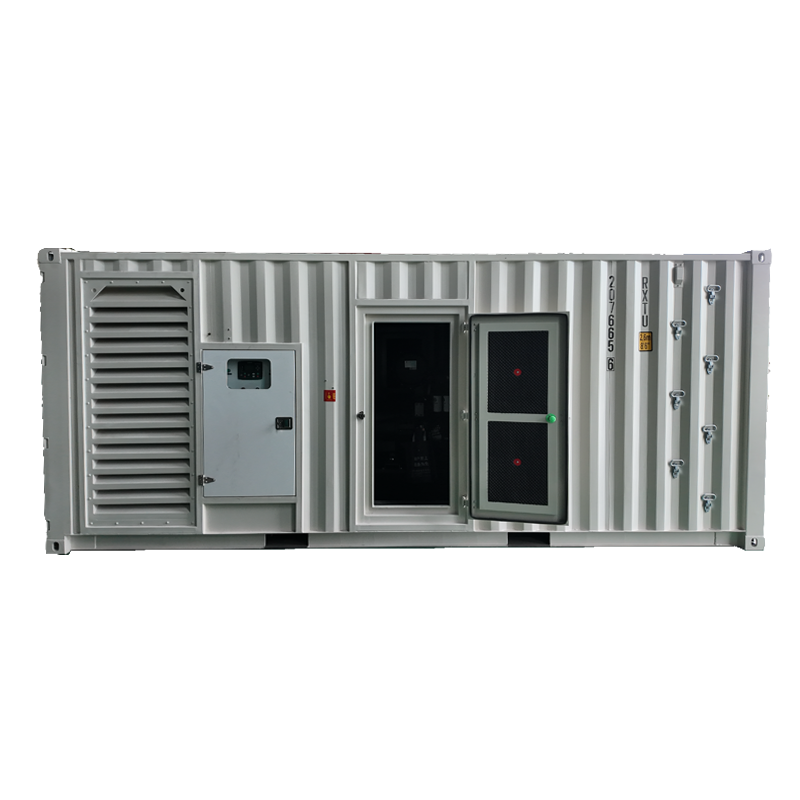 Container Type Diesel Generator Sets for Large Outdoor InstallationsThese sets integrate the generator, control, and fuel systems in a sturdy enclosure, reducing on-site work. They suit high-power or special needs and are relevant where ventilation and fuel are matched to the rating.View Product →
Choosing the right rating for your operation
Choosing a rating means first deciding which duty definition will govern. For a server room that only needs backup when the grid fails, a standby rating is the economical choice. For a construction site with its own power supply and varying loads, a prime rating is usually appropriate. For a remote industrial operation running around the clock, continuous rating should be your baseline.
The biggest purchasing mistake is to take a standby-rated number and apply it to a prime application. That mistake shows up as high coolant temperature, black smoke, or poor voltage after the first long run. The duty rating is not a marketing detail; it is a design constraint.
Where noise limits apply, the enclosure becomes part of your decision. A silent-type diesel generator set can provide the same prime or standby output while keeping sound pressure levels low, but you should check whether the canopy reduces cooling airflow and changes the de-rating curve.
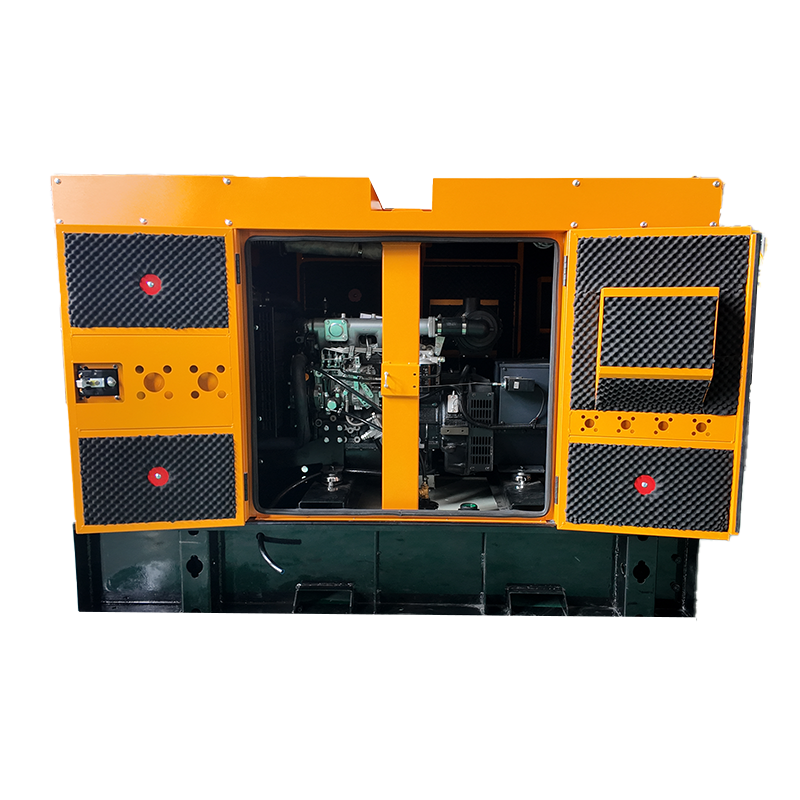
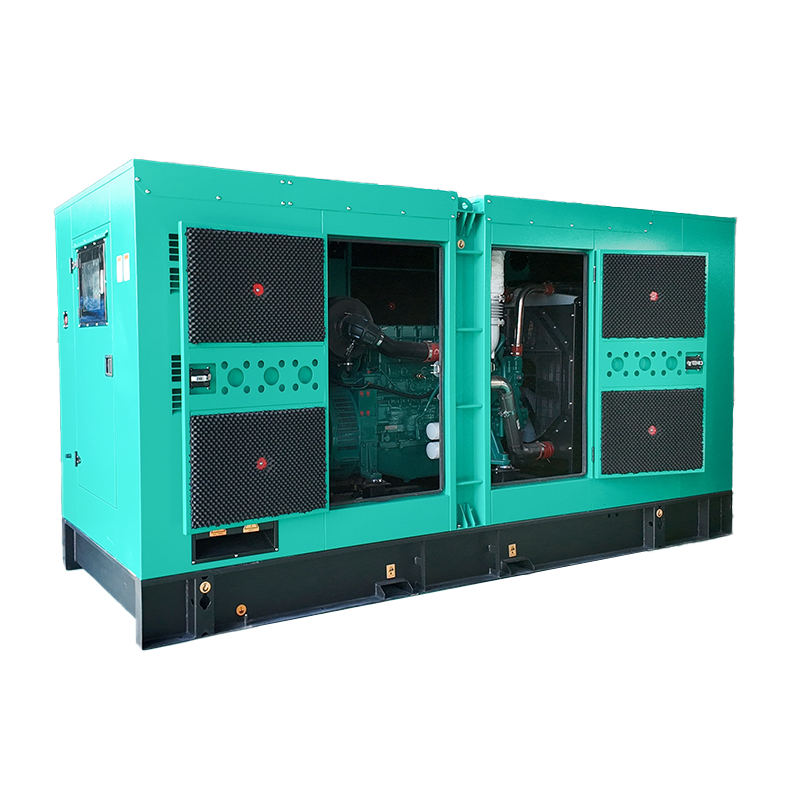 Silent Type Diesel Generator Sets with Soundproof EnclosureDesigned with soundproofing and rainproof casing for noise-sensitive locations like hospitals and hotels. The canopy may affect cooling and derating, so check airflow when comparing standby or prime output.View Product →
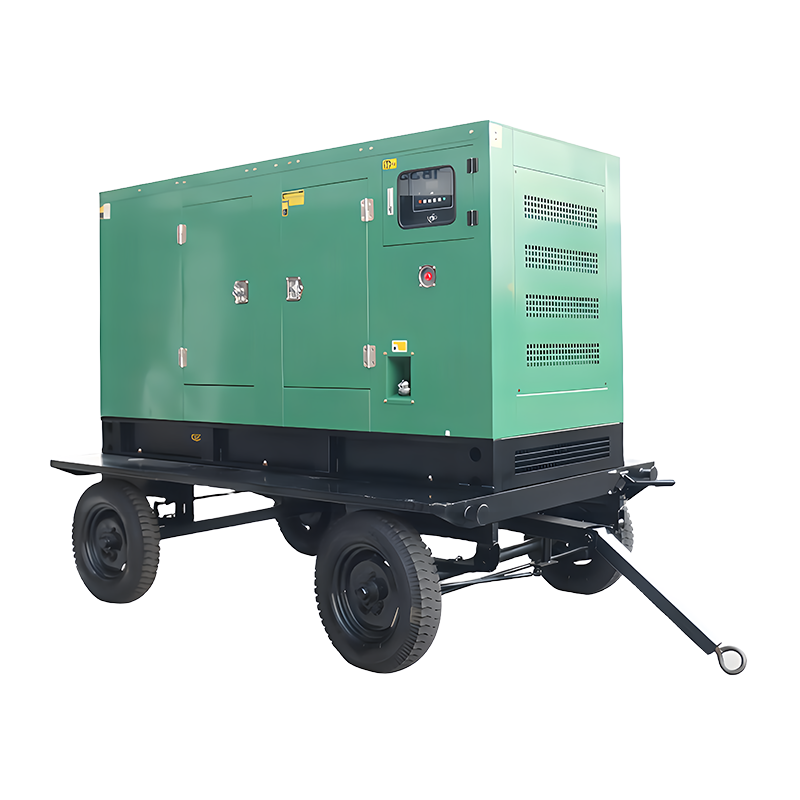
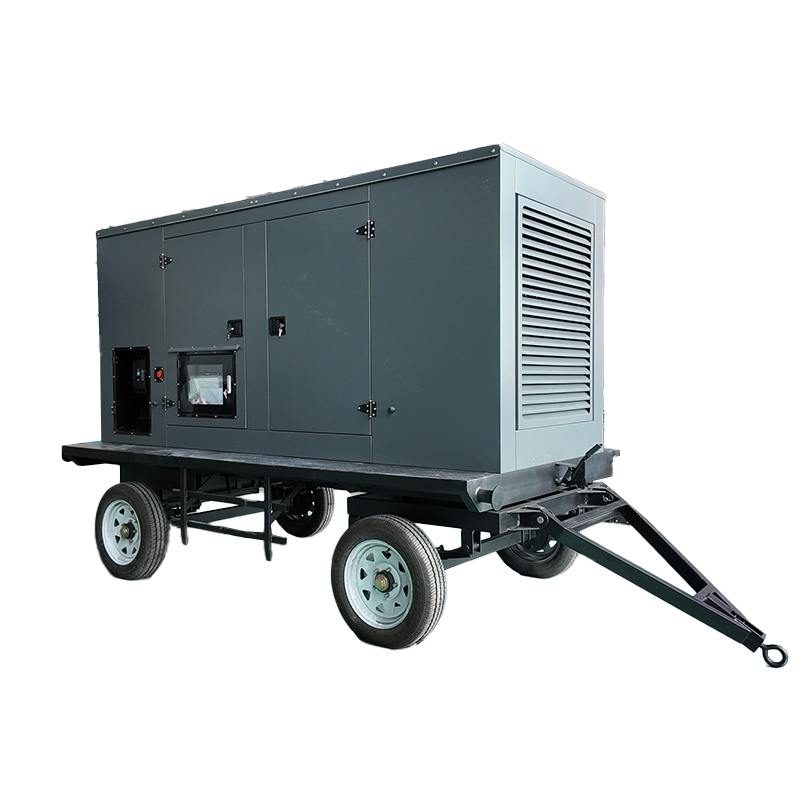
If the application is inherently temporary — site work, field maintenance, or an event — choose a movable or mobile unit with a prime rating. Movable-type sets are built to be transported and reconnected quickly, and their ratings allow the load fluctuations that real job sites produce.
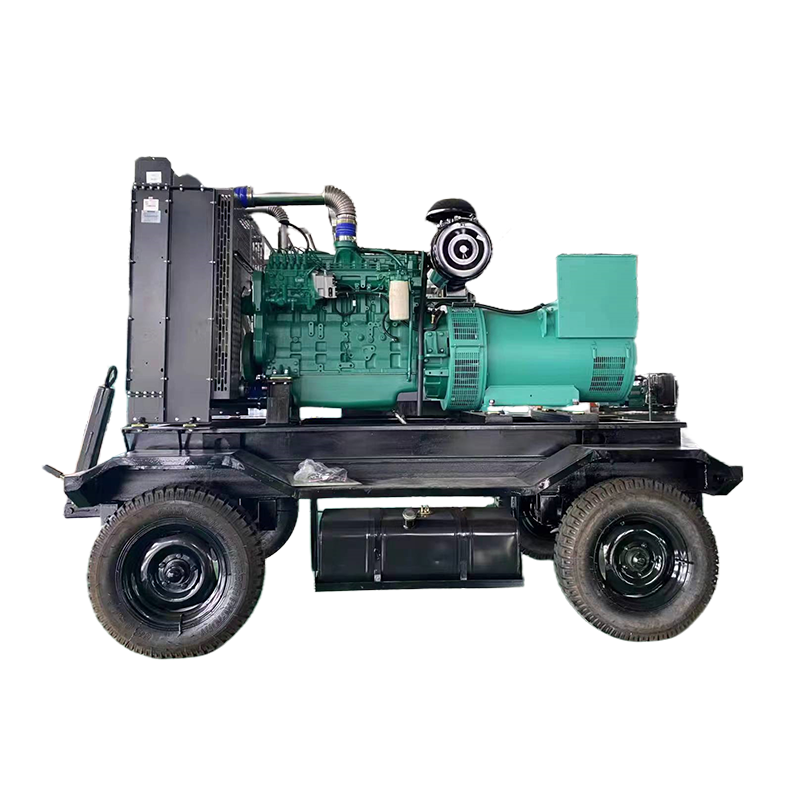 Movable Type Diesel Generator Sets for Temporary ApplicationsBuilt for transport and quick reconnection, these mobile sets handle load fluctuations on job sites, highways, or events. They align with prime ratings suitable for inherently temporary power needs.View Product →
Questions to ask before buying
Whether you buy through a dealer or directly from a manufacturer, the same questions help you compare sets fairly: What is the rating basis? Is it ESP, PRP, or COP? What ambient temperature and altitude are assumed? What power factor is the kVA rating quoted at? Is the rating at 50 Hz or 60 Hz? What happens to output if the set is enclosed or ducted? Asking these questions prevents the common mistake of comparing a standby number from one supplier with a prime number from another.
If you are still at the sizing stage, work through a structured calculation such as a step-by-step generator sizing guide before you look at price lists. A correctly rated diesel generator set is one that runs at a sensible load most of the time, has enough margin for starting current, and is never treated as if every rating point could be used around the clock. Confirm the duty, confirm the ambient condition, and only then compare prices.
Related Products



-
Xiaoji Town, Jiangdu District, Yangzhou City, Jiangsu Province, China
-
8618944498005
-
+86-18652407919
-
+86-0514-86593686
Copyright © Jiangsu Ford Generator Co., Ltd.
