




 English
 Español
 عربى
How to Properly Size a Generator: A Practical Step-by-Step Sizing Guide
Nov 16, 2026
Content
Sizing a generator is one of those jobs that looks simple until you are standing in front of a distribution panel with a clipboard, a nameplate photo on your phone, and a customer asking whether 100 kW is "enough". After more than two decades of building and configuring diesel generator sets for factories, ports, hotels, mines, and communication sites, we have learned that the right answer almost never comes from a rule of thumb. It comes from a short, disciplined look at what you actually need to power.
This guide walks through the same process our engineers use when a customer sends in a load list. You do not need specialist software to follow it, and you do not need to over-buy "just in case". You need three numbers, a clear understanding of starting surge, and a realistic view of how the set will be loaded day to day.
Start With the Load, Not the Generator
The most common mistake is picking a generator size first and then working out what it can run. Reverse that. Begin by listing every load you expect to operate at the same time, and record two figures for each one: the running wattage and the starting wattage. Running wattage is what the equipment draws once it is up to speed. Starting wattage is the brief inrush that motors, compressors, and pumps pull in the first second or two.
Build a simple load table
Walk through the site room by room and write down everything that matters. Include lighting, air conditioning, refrigeration, pumps, workshop machinery, IT equipment, and any future equipment you already know is coming. The table below shows typical figures to help you plan, but always confirm against the nameplate on your own equipment.
| Equipment | Running watts | Starting watts (approx.) |
|---|---|---|
| LED lighting (10 x 10 W) | 100 | 100 |
| Domestic refrigerator | 700 | 2,200 |
| Window air conditioner, 1.5 HP | 1,200 | 3,600 |
| Well pump, 1 HP | 750 | 2,250 |
| Office PC and monitor | 250 | 250 |
| Workshop compressor, 3 HP | 2,200 | 6,600 |
| Welding machine | 4,000 | 6,000 |
Once the list is complete, add up all the running watts. Then find the single largest starting wattage on the list, subtract that item's running wattage, and add the difference to your total. This gives you the minimum surge the generator must survive when the biggest motor starts while everything else is already running.
The Three Numbers That Decide Generator Size
1. Total running load
Your total running load sets the continuous rating you need. For a diesel set, plan to operate somewhere between 50 and 80 percent of rated output for the best balance of fuel consumption, exhaust temperature, and engine life. Running consistently below about 30 percent of rating is not good for a diesel engine, because light loads can lead to incomplete combustion and wet stacking.
2. Starting surge
Motor starting is where undersized sets fail. A direct-on-line motor may draw five to seven times its running current for a fraction of a second. If several motors can start together, add their surges rather than assuming they will stagger themselves. Soft starters and variable frequency drives reduce this burden, but they introduce harmonics that also need to be considered.
3. A growth margin
Add 20 to 25 percent headroom for future expansion and for derating. Altitude and high ambient temperature both reduce the usable output of an engine and alternator. A rough working figure is about 1 percent output loss per 100 metres above 1,000 metres, and roughly 2 percent per 5.5 degrees Celsius above 40 degrees Celsius. For a site at 1,500 metres in a hot climate, that margin is not optional.
If you want a longer walkthrough with worked examples, our team has published a step-by-step diesel generator sizing guide that follows the same method in more detail.
kW, kVA, and Amps: Getting the Units Right
Generator ratings are quoted in kW, kVA, or both, and mixing them up is a reliable way to end up with the wrong machine. kW is real power, the power that actually does work. kVA is apparent power, which includes the magnetising current that inductive loads such as motors and transformers require. The relationship is simple: kW equals kVA multiplied by the power factor. Most diesel generator sets are rated at a power factor of 0.8, so a 100 kVA set delivers about 80 kW.
For a three-phase set, current in amps is calculated as kW multiplied by 1,000, divided by 1.732, divided by the line voltage, and then divided by the power factor. For single-phase equipment, divide watts by volts and then by the power factor. Check the current against the alternator rating as well as the kW rating, because a load with a poor power factor can push the alternator to its limit before the engine reaches full output.
Choosing the Right Generator Type for Your Site
Once you know the kW, the surge, and the current, the remaining decision is the enclosure and mounting format. This is where site conditions matter as much as the load calculation.
Open frame sets
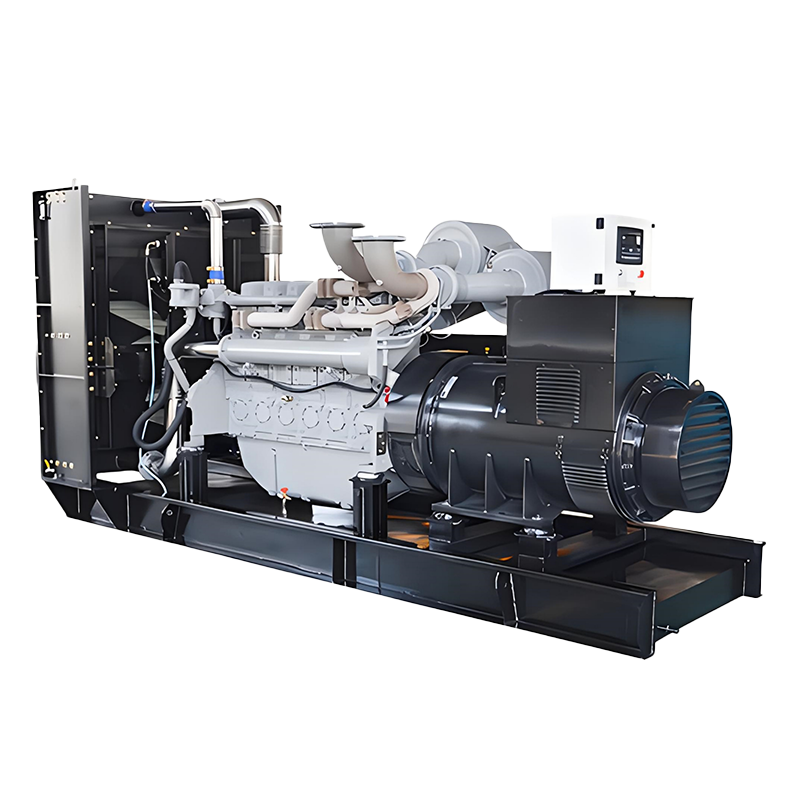
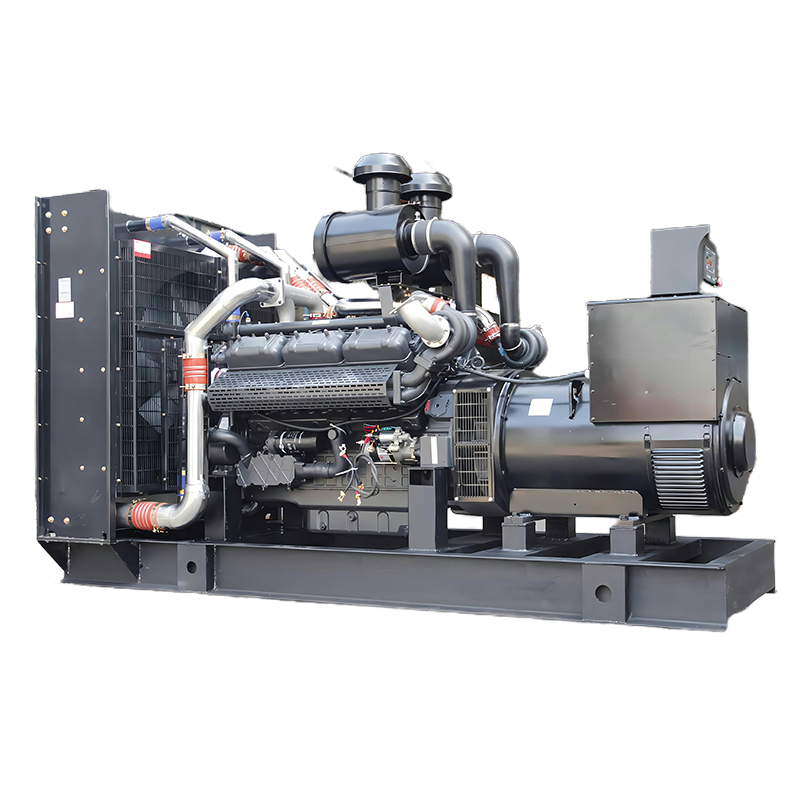
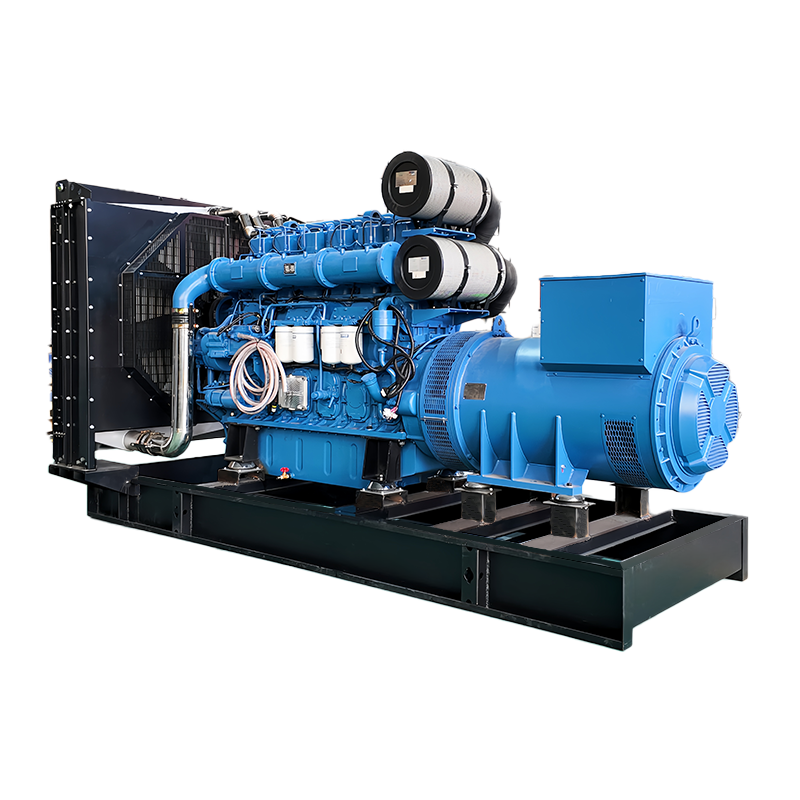
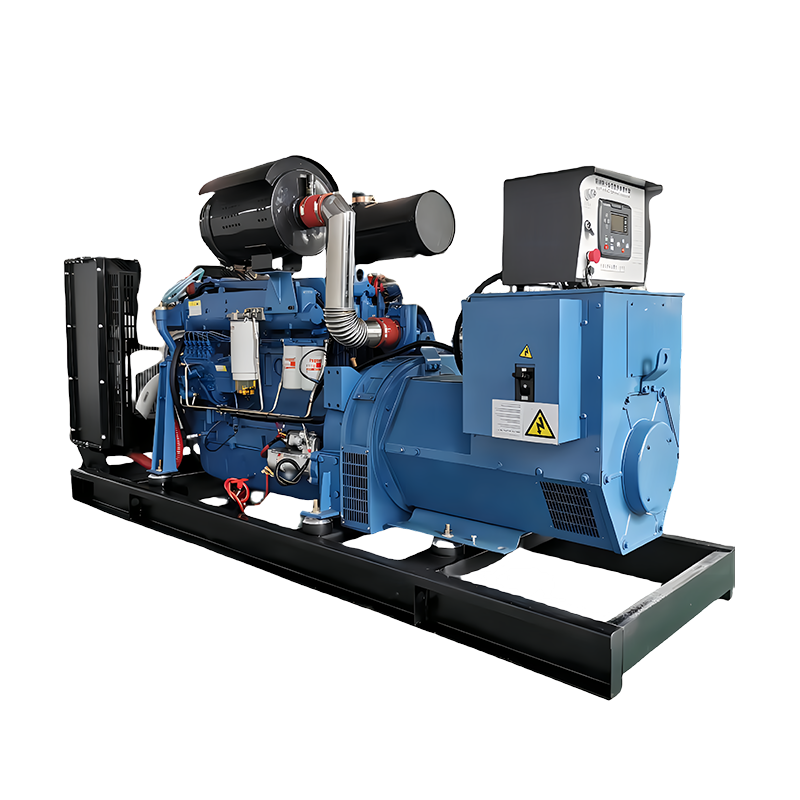
Open frame units are the workhorse choice for indoor plant rooms, workshops, and industrial sites where a dedicated generator room already exists. They offer the most capacity per unit of cost and are easy to service because everything is accessible.
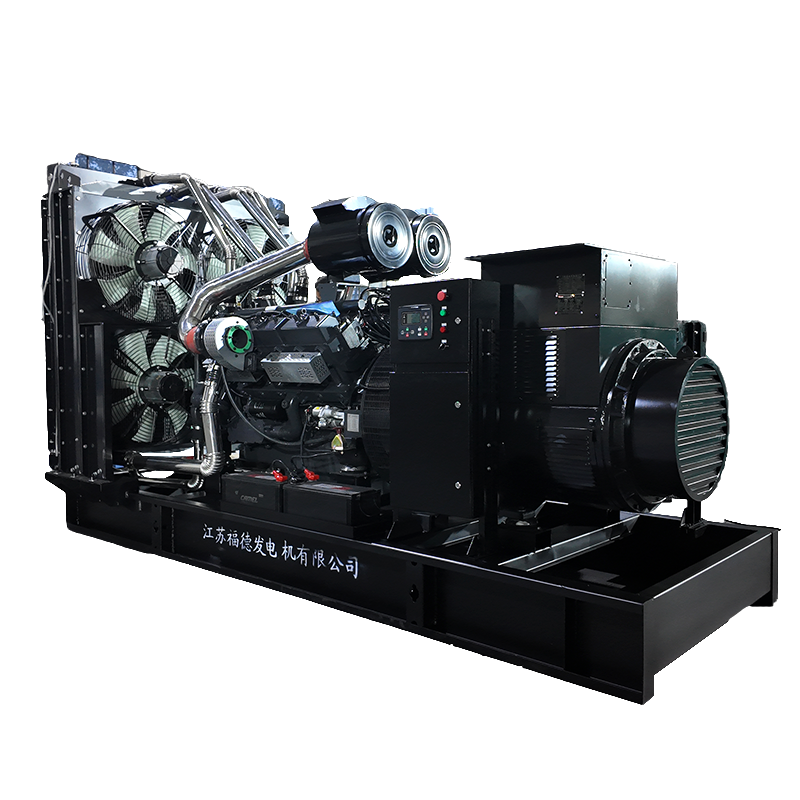
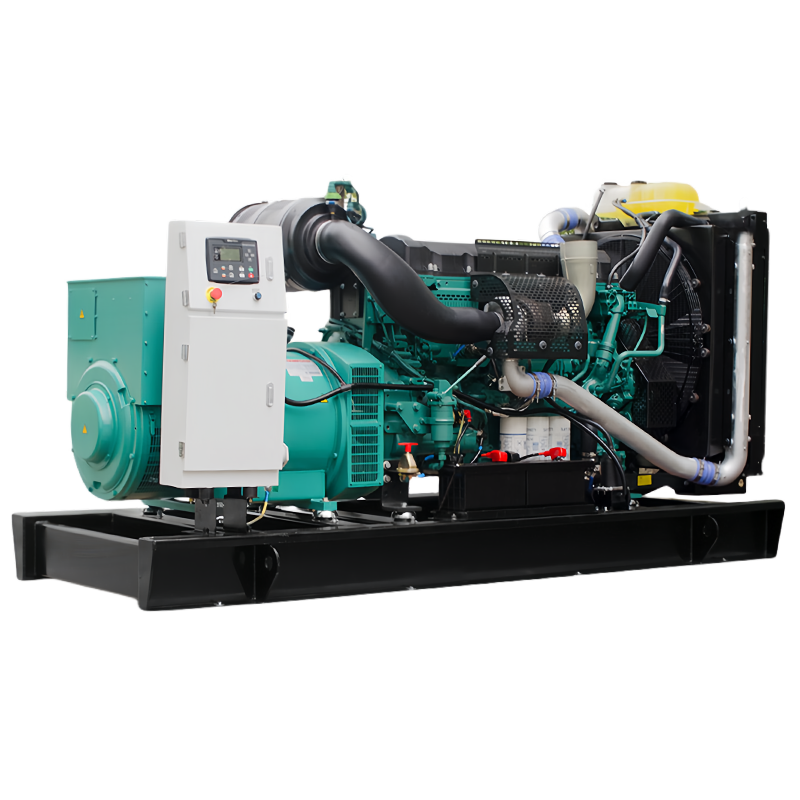
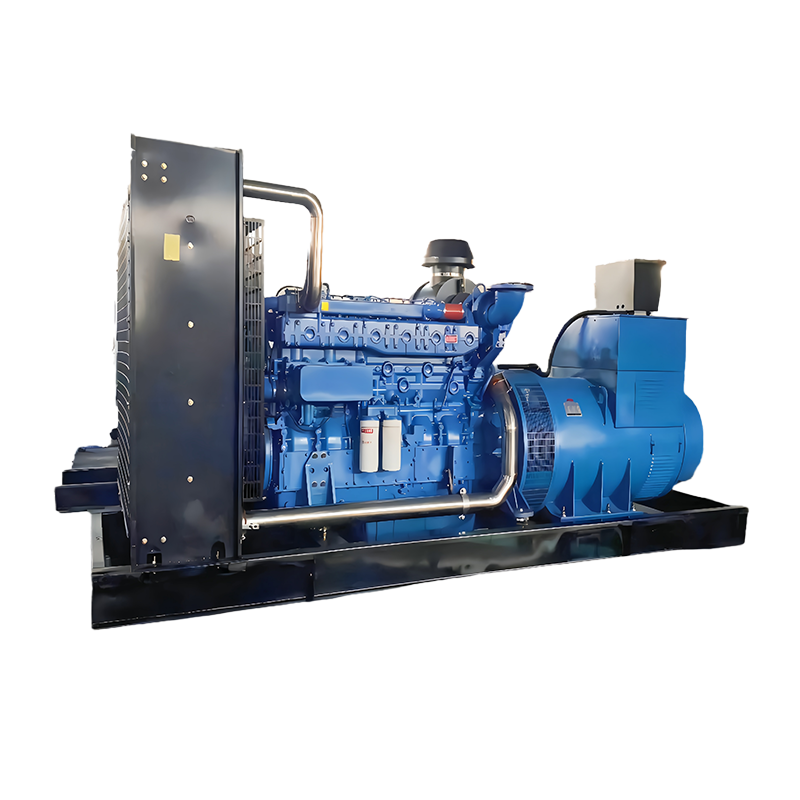 Open Frame Diesel Generator SetsSimple, reliable diesel generator sets for indoor plant rooms, workshops, and industrial sites with dedicated generator rooms; easy to service and maintain.View Product →
Silent type sets
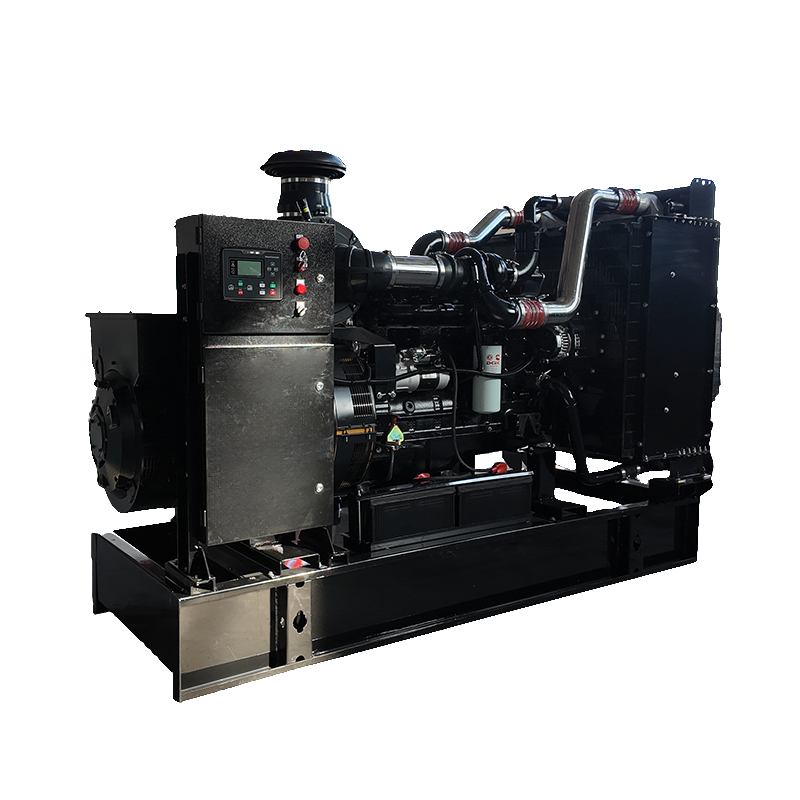
If the set will sit near homes, hotels, hospitals, or offices, noise becomes part of the sizing decision. A soundproofed canopy typically brings noise down to a level that can be discussed with neighbours and regulators, and it also protects the machine from weather and dust.
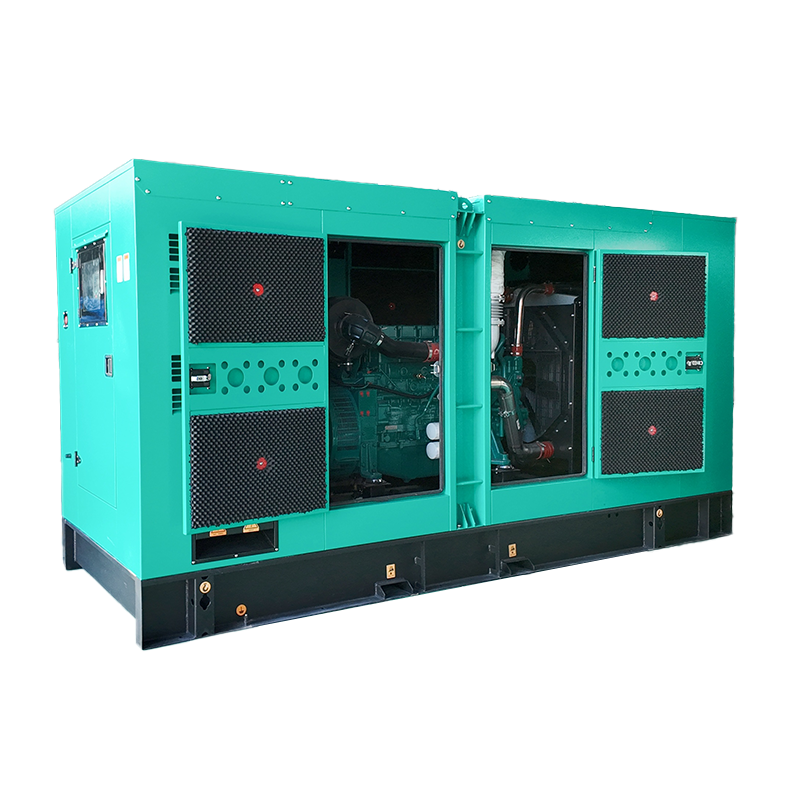 Silent Type Diesel Generator SetsSoundproofed diesel generator sets for hospitals, hotels, malls, and other noise-sensitive backup power sites; the enclosure can reduce the need for a generator room.View Product →
Container type sets
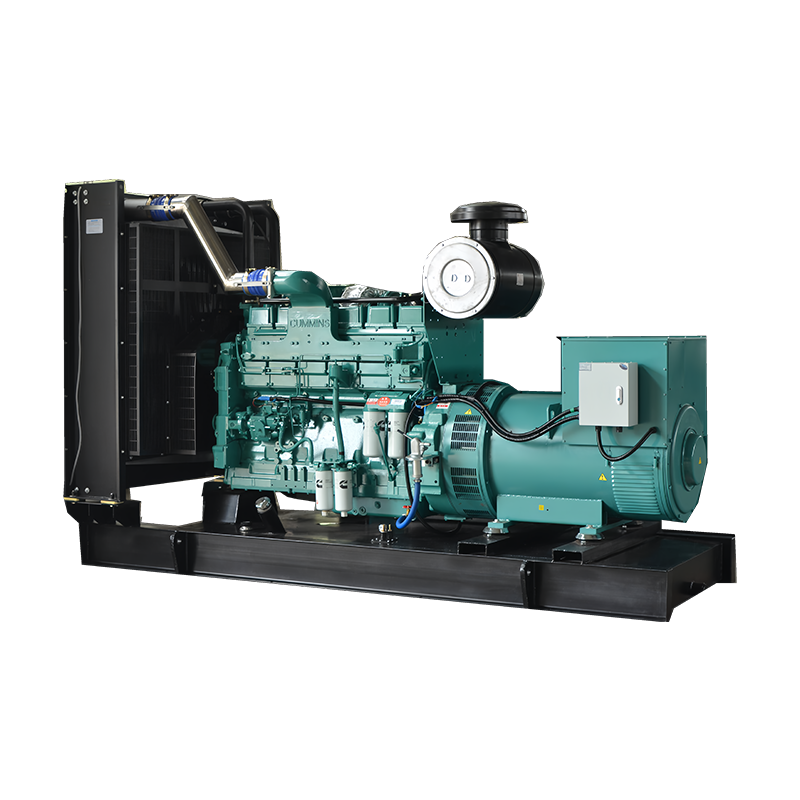
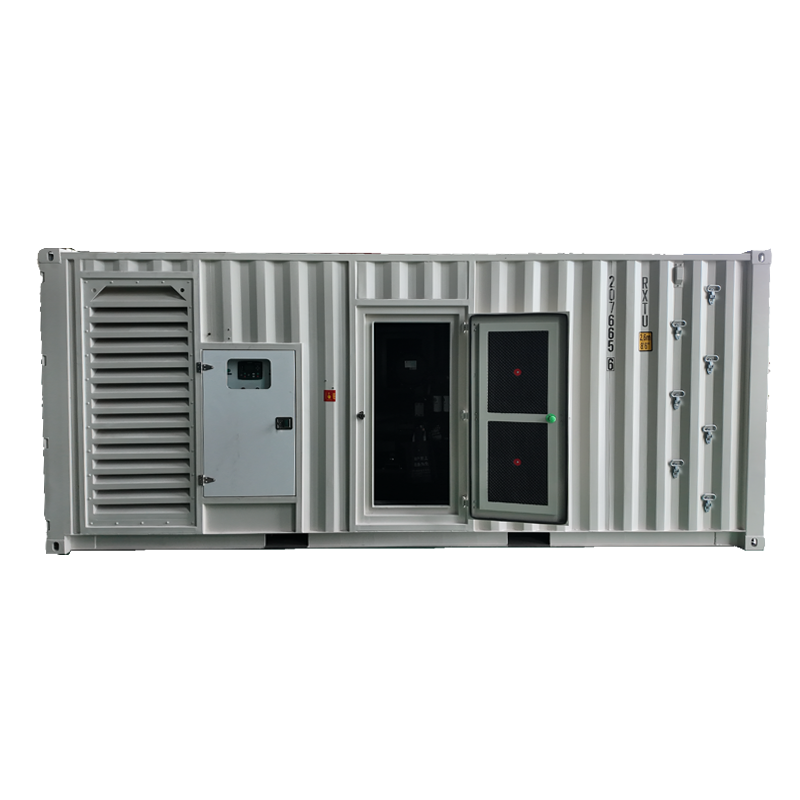
For larger capacities, harsh environments, or projects where the generator must be shipped and installed quickly, a containerised set combines the canopy, fuel tank, control panel, and cooling system in one package. These are common on ports, mines, and utility-scale backup projects.
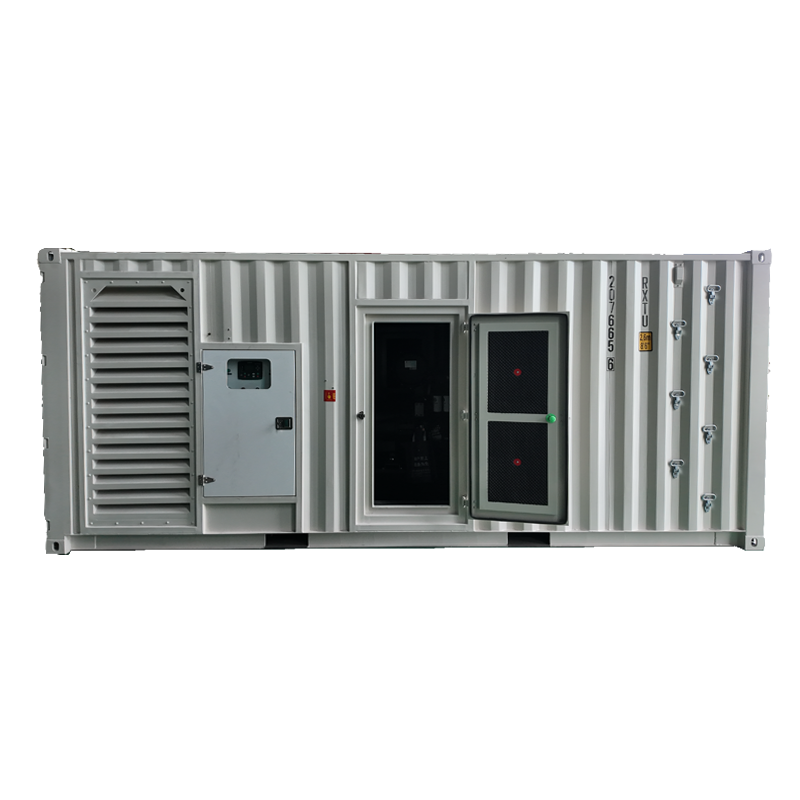 Container Type Diesel Generator SetsContainerised diesel generator sets integrate control and fuel systems for quick installation in ports, mines, and large backup projects, with models for harsh environments.View Product →
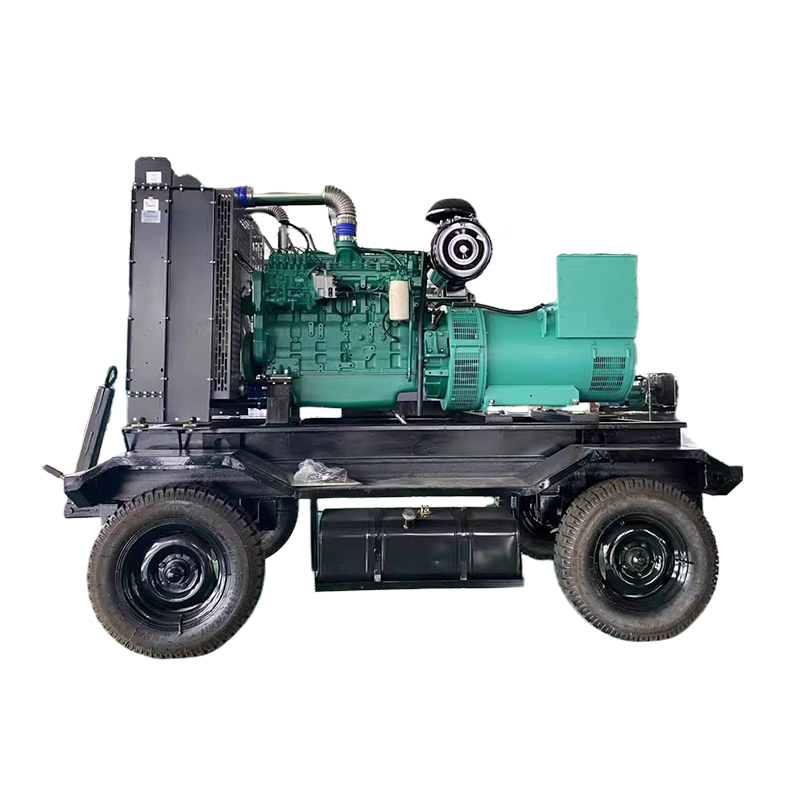
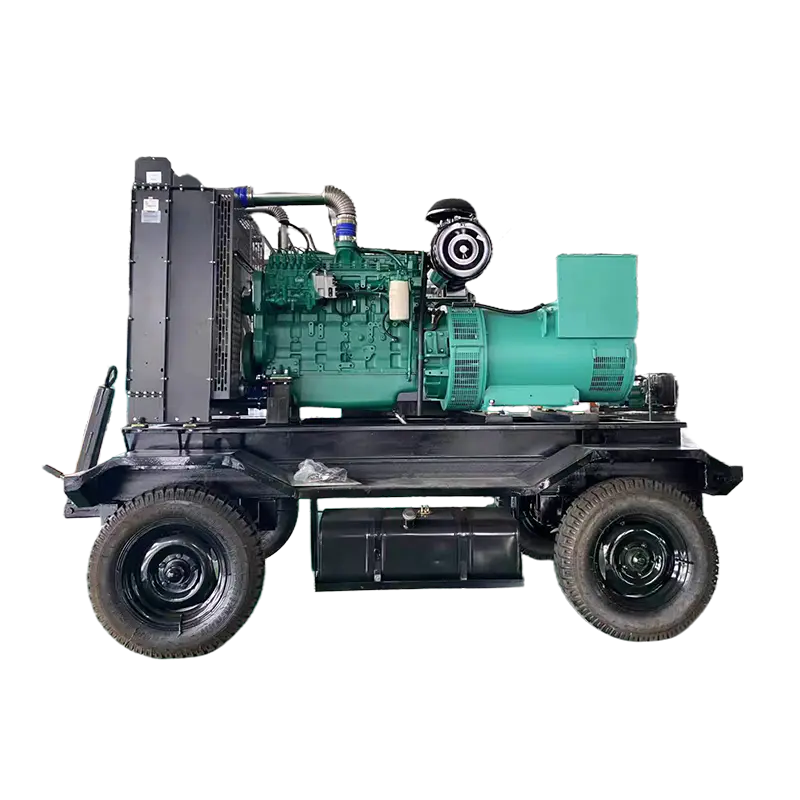
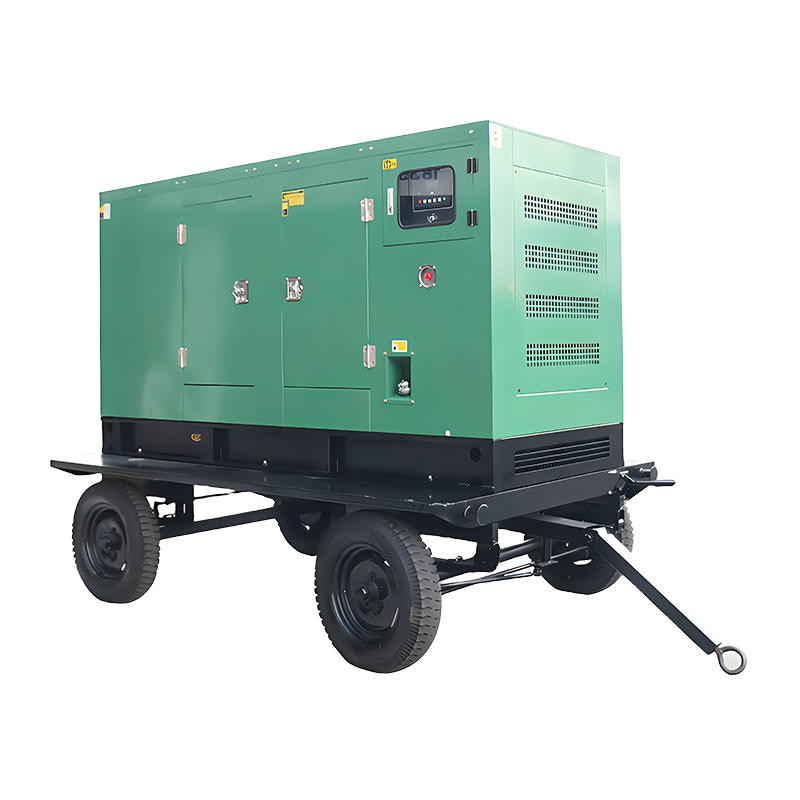
Mobile and trailer-mounted options are worth considering when the set has to move between sites. You can review the full range of formats on our generator type overview page and match the enclosure to the location rather than to habit.
Sizing Mistakes We See on Real Projects
- Adding up running watts only, then discovering the well pump cannot start on the chosen set.
- Totalling every appliance in the building instead of the loads that will actually run together.
- Comparing a kVA figure with a kW requirement without applying the power factor.
- Ignoring altitude, ambient temperature, and enclosure ventilation, all of which reduce usable output.
- Oversizing so heavily that the engine runs below 30 percent load for most of its life.
- Forgetting the balance of plant: fuel tank capacity, cable sizing, switchgear, and exhaust routing.
- Leaving no room for the additional load that almost always arrives within two or three years.
Each of these is easy to avoid with a written load list and a short review before the order is placed. It is far cheaper than correcting the problem after installation.
A Simple Sizing Checklist Before You Buy
- List every load and record running watts and starting watts from the nameplate.
- Add all running watts to get the continuous load.
- Add the largest starting surge to that total.
- Convert to kVA using the power factor, and check the resulting current.
- Apply altitude and temperature derating for the actual site.
- Add 20 to 25 percent for growth, then choose the next standard rating above that figure.
- Confirm the enclosure, fuel capacity, and control panel suit the location and the way the site is operated.
If you would rather have a second pair of eyes on the numbers, send us your load list. Our technical team has configured sets for communication sites, factories, mines, ports, railways, airports, hotels, and supermarkets, and we are happy to check the calculation against real operating experience before you commit to a size.
Related Products
Related News

-
Xiaoji Town, Jiangdu District, Yangzhou City, Jiangsu Province, China
-
8618944498005
-
+86-18652407919
-
+86-0514-86593686
Copyright © Jiangsu Ford Generator Co., Ltd.
