




 English
 Español
 عربى
how to make diesel generator silent: Practical Applications, Selection, Performance
Nov 09, 2026
Content
- 1 Why a Diesel Generator Is Loud in the First Place
- 2 Quieting the Exhaust and the Air Path
- 3 Building or Upgrading an Acoustic Enclosure
- 4 Stop Vibration Before It Becomes Noise
- 5 Free Wins: Siting, Distance, and Orientation
- 6 When a Purpose-Built Silent Set Is the Better Answer
- 7 Temporary and Moving Sites
- 8 Measuring the Result, Not Guessing at It
- 9 Maintenance Habits That Keep a Set Quiet
A diesel generator is a reassuring thing to own, right up to the moment it starts beside a bedroom window, a ward, or a meeting room. We have spent more than two decades building and configuring generator sets, and nearly every customer conversation circles back to the same question: how do I make my diesel generator silent? The honest answer is that no machine with a diesel engine becomes truly silent. What you can do is take the noise apart, deal with each path individually, and bring the set down to a level neighbours, staff, and local rules will accept.
Here is the practical sequence we usually recommend, from small weekend fixes to specification choices worth making before you buy.
Why a Diesel Generator Is Loud in the First Place
Noise leaves a generator set through several doors at once. Block only one and the others still carry the sound, which is why a random extra silencer sometimes disappoints.
| Noise path | What it sounds like | Most effective first step |
|---|---|---|
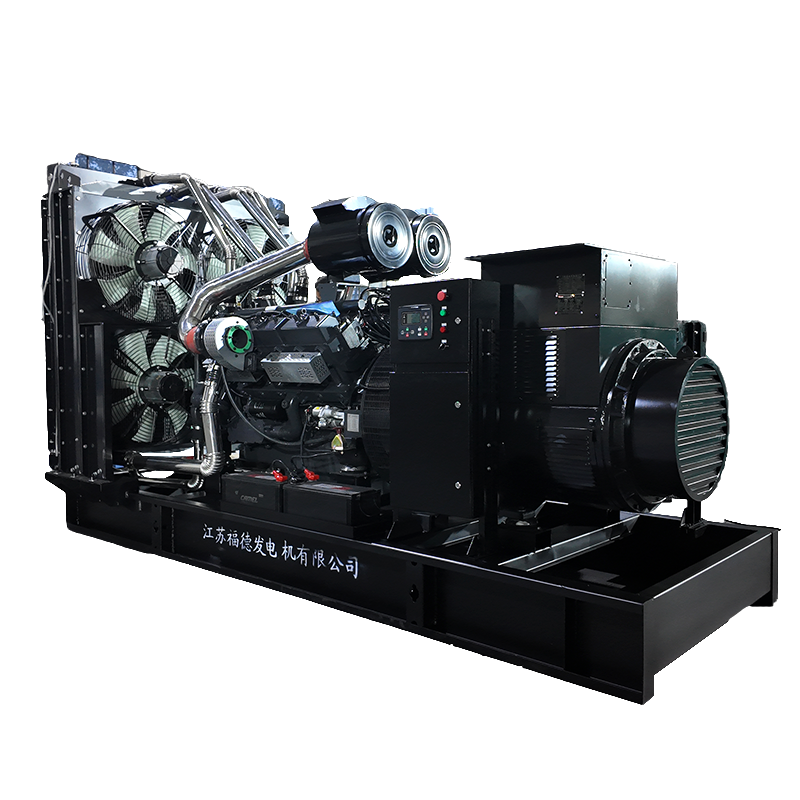
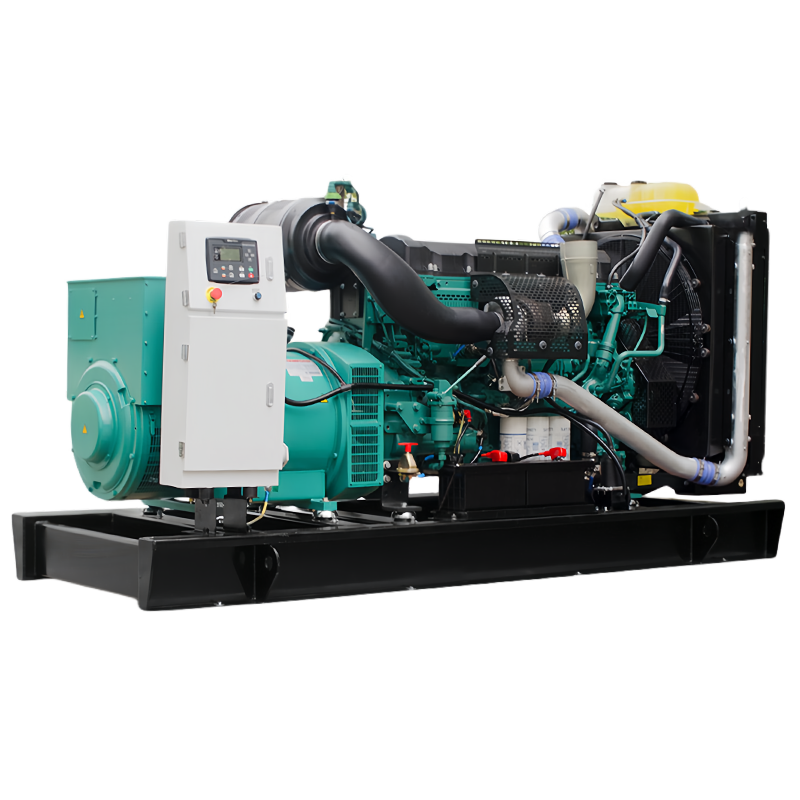
| Exhaust pulses | Deep, thumping bark | Correctly sized silencer with insulated pipework |
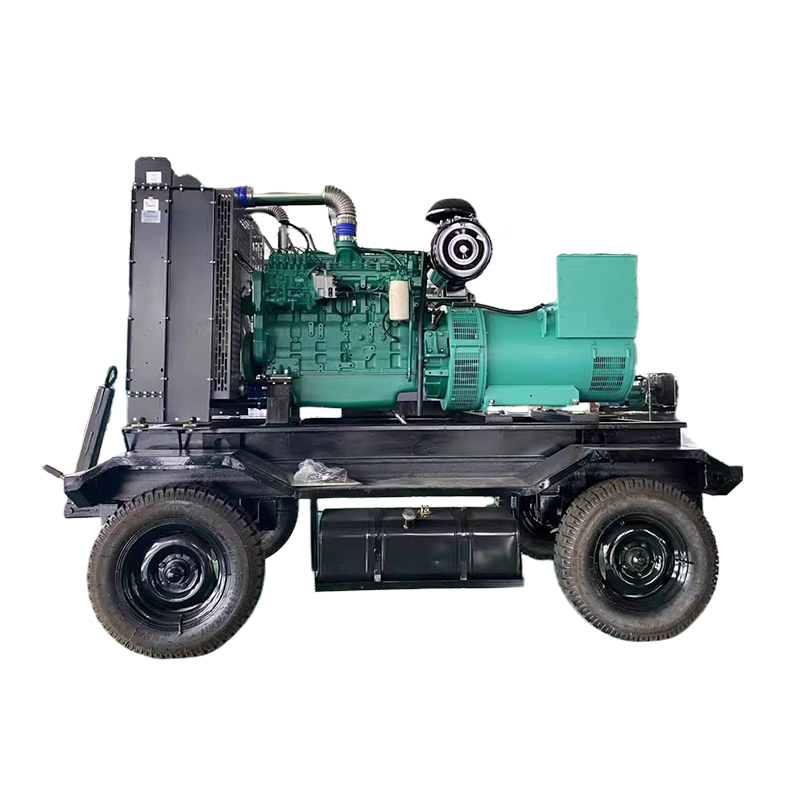
| Engine block | Hard mechanical rattle | Mass-loaded enclosure with absorptive lining |
| Cooling fan | Broad whoosh of air | Baffled inlet and outlet air paths |
| Structure-borne vibration | Low hum through floors | Anti-vibration mounts and flexible connections |
| Intake and leaks | Sharp hiss or whistle | Sealed panels, gaskets, intake attenuation |
Only one row concerns the engine itself. In most installations the exhaust and the cooling air path cause the greatest annoyance, and both can be treated without opening the machine.
Quieting the Exhaust and the Air Path
The exhaust is usually the loudest single source and the cheapest to improve. Fit a flexible bellows at the manifold, then a silencer mounted as close to the set as practical and supported on its own brackets, so its weight never hangs on the manifold.
Choose the right silencer grade
Silencers are graded by attenuation. A standard absorptive unit suits an open site; a residential or critical-grade unit has a larger body and more internal baffling, and is the right choice when the nearest window is thirty metres away. Never fit a silencer with a bore smaller than the exhaust pipe — you lose the noise battle and gain back pressure.
Let the pipework work for you
- Insulate the exhaust along its full run; bare pipe radiates much of what the silencer saved.
- Keep bends gentle and few, and do not reduce the pipe diameter.
- Terminate the outlet away from windows and walls, ideally pointing upward above the roof line.
Cooling air needs the same treatment. Air must come in and go out, so make it turn corners: a baffled plenum lined with acoustic material, with two or three right angles before the outside world, cuts fan noise while still passing enough air. Never trade airflow for quiet — an overheating generator costs far more than a noisy one.
Building or Upgrading an Acoustic Enclosure
If the set sits in a plant room or under a homemade shelter, the enclosure captures most of the remaining noise — provided it is built on mass rather than hope. Sound is stopped by weight and absorbed by porous lining. A single skin of thin sheet metal does neither; it simply vibrates and radiates.
A workable enclosure uses stiff, damped panels, 50 mm or more of acoustic lining, sealed joints, gasketed doors that close flat, and double-glazed viewing windows. Cable and pipe penetrations should be packed and sealed. Details matter more than the overall design: a gap of a few millimetres around a door can undo a great deal of expensive lining, so walk around the finished enclosure with the set running and listen at the seams. Keep the air path baffled and leave real clearance for maintenance.
Stop Vibration Before It Becomes Noise
Low-frequency hum is the hardest noise to live with, because it travels through concrete, steel, and brickwork and reappears as a drone in rooms far from the generator. The cure is isolation, and it is rarely expensive.
- Mount the set on correctly rated anti-vibration mounts — rubber for smaller sets, spring isolators for larger ones.
- Fit flexible bellows in the exhaust and flexible conduits for cables and fuel lines.
- Sit the assembly on a rigid base or inertia block so the mounts have something stable to work against.
- Avoid bolting a set directly to a lightweight mezzanine or thin slab, which will behave like a drum.
Worn or flattened mounts quietly undo years of good design, so check them at every service.
Free Wins: Siting, Distance, and Orientation
Before buying anything, look at where the set stands. Sound falls by roughly 6 dB(A) each time you double the distance in open air, so moving a set from three metres to twelve metres from a boundary can achieve more than another layer of insulation. Use what the site already offers: a solid wall between the set and the nearest neighbour, a recessed plant room instead of an open courtyard corner, and an exhaust outlet pointed away from neighbouring windows. Avoid hard parallel surfaces that bounce sound back and forth, and remember that prevailing wind carries noise further on some days than others.
When a Purpose-Built Silent Set Is the Better Answer
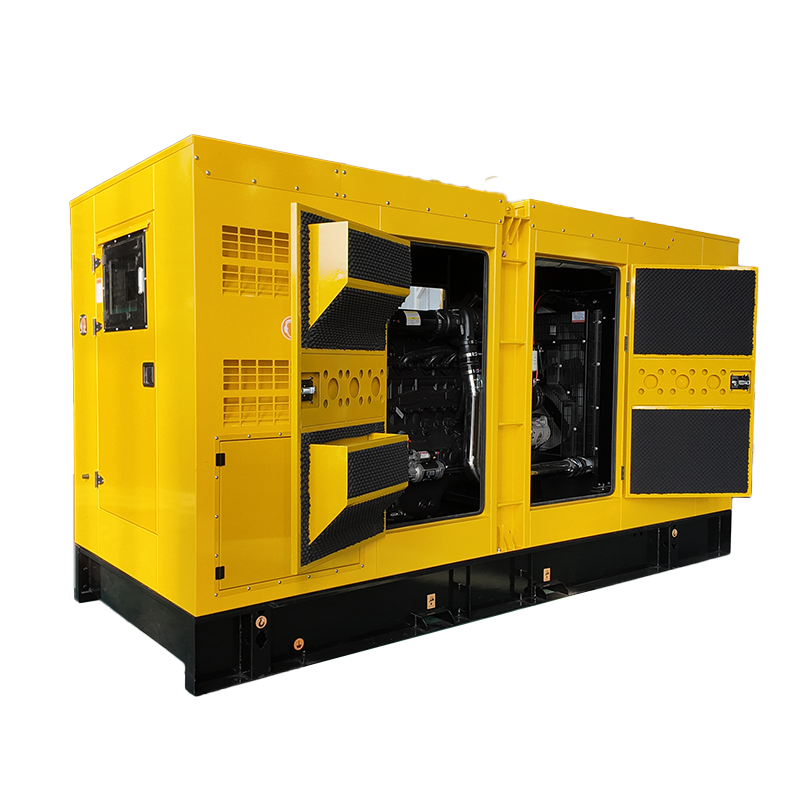
Retrofitting suits existing installations, but if you are buying new equipment the economics change. A factory silent canopy is engineered as a system: acoustic lining shaped around the engine, an integrated residential-grade silencer, baffled air paths, and doors that seal properly. Because the whole set is tested together, you receive a documented sound level rather than an estimate. Standard silent canopies commonly land in the region of 65–75 dB(A) at seven metres, with low-noise versions going further for hospitals, hotels, and dense residential areas.
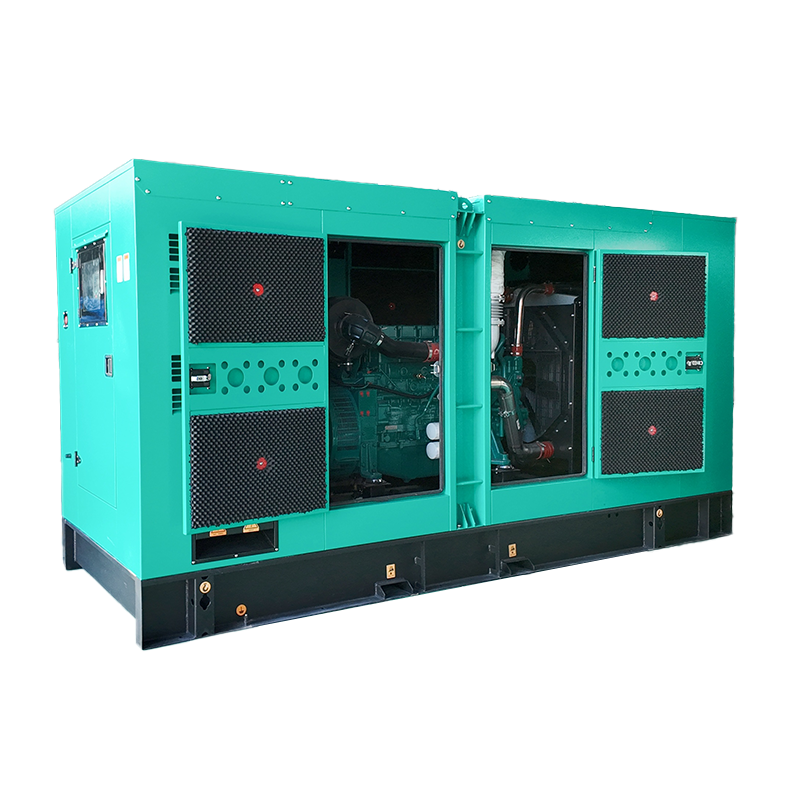 Silent Diesel Generator Sets for Noise-Sensitive SitesFactory-built enclosures with acoustic lining and tested sound levels suit hospitals, hotels, and residential areas where generator-room construction is undesirable.View Product →
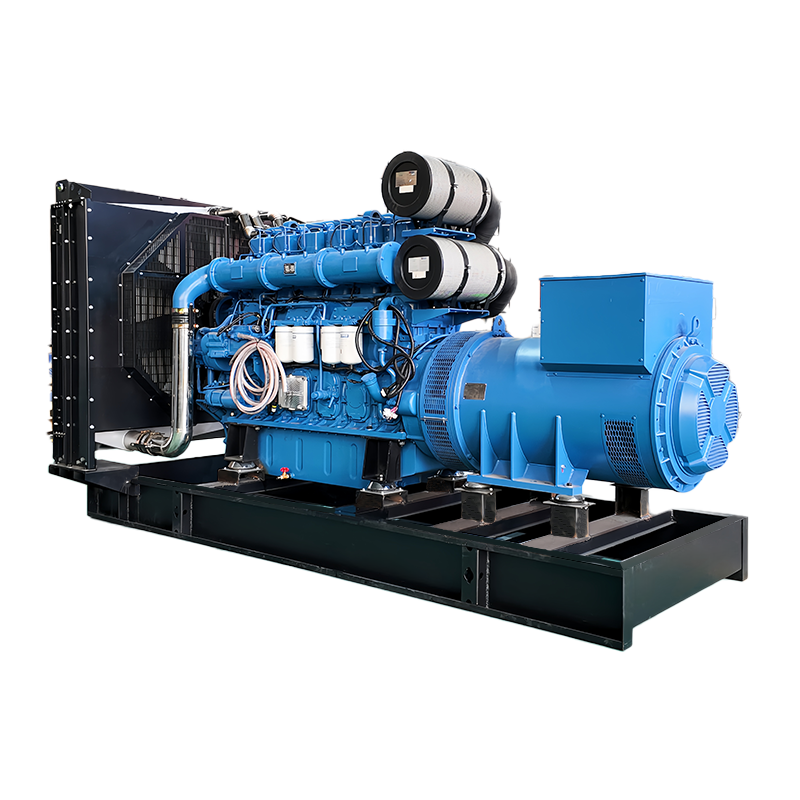
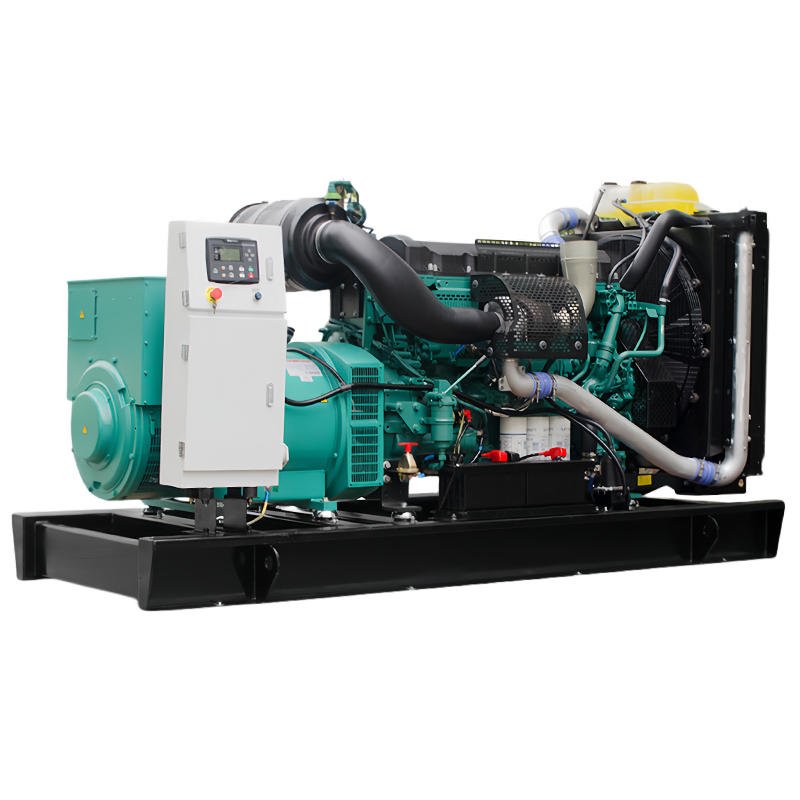
If you are still weighing a canopy set against an open set in a treated plant room, our comparison of silent-type and open-frame diesel generators sets out the trade-offs in cooling, service access, and cost.
Larger outputs and long-term sites
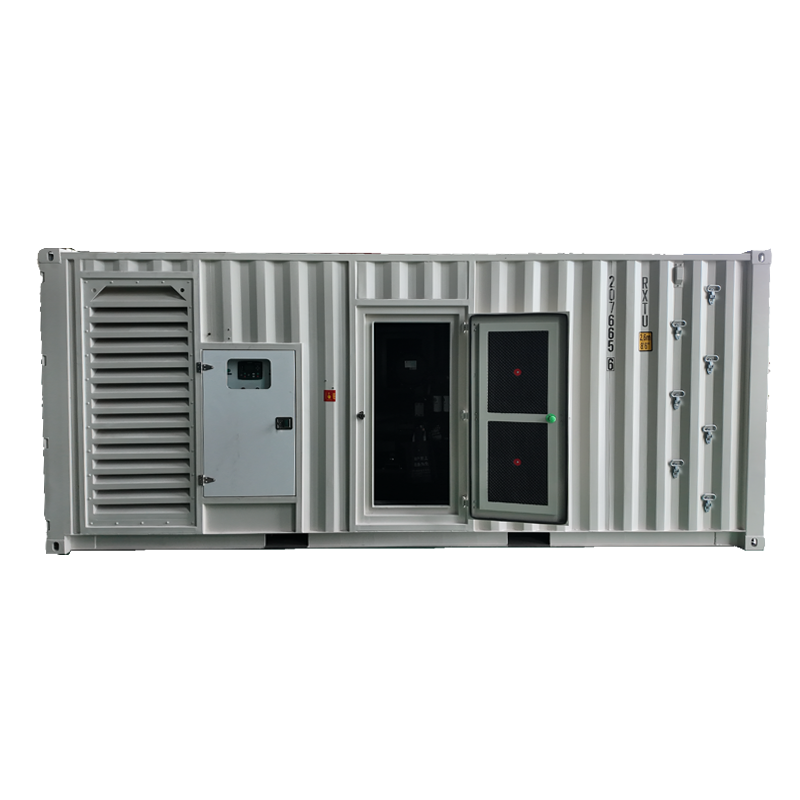
Above a certain size, a container enclosure makes more sense than a canopy. The container supplies mass, lining, air baffles, and weather protection in one package, and arrives, sits down, and connects as a single unit.
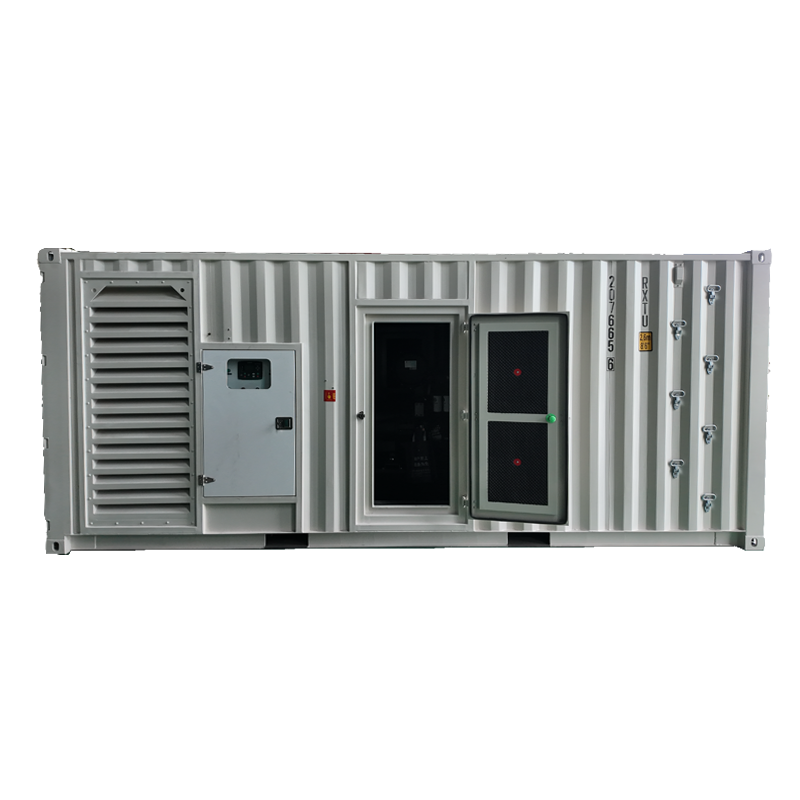 Containerized Diesel Generator Sets for Harsh SitesIntegrated container enclosures combine generator, control, and fuel systems for larger power needs, reducing on-site installation in mining, remote construction, and emergency backup.View Product →
Temporary and Moving Sites
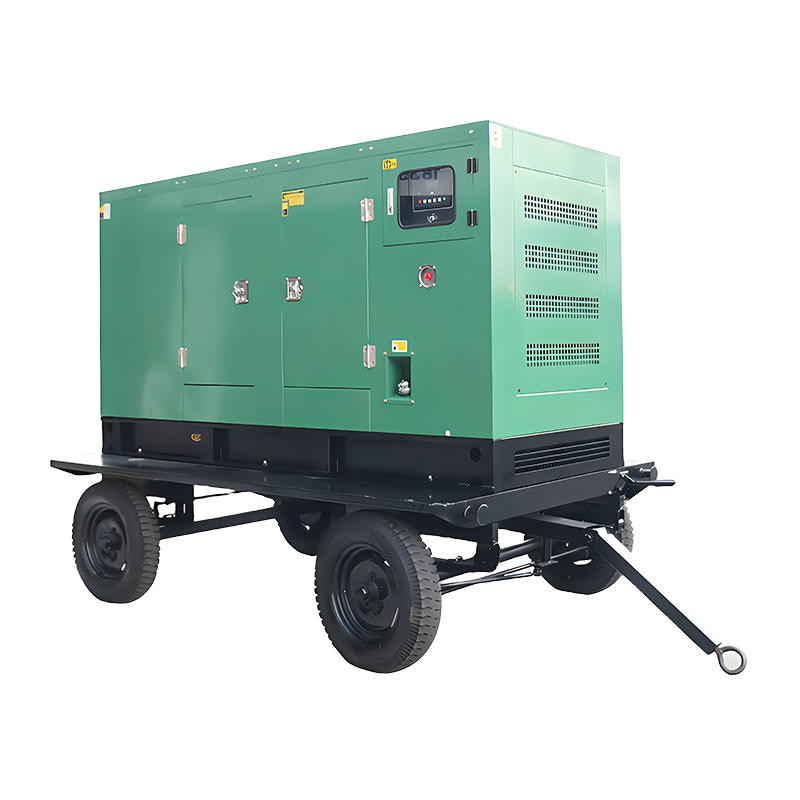
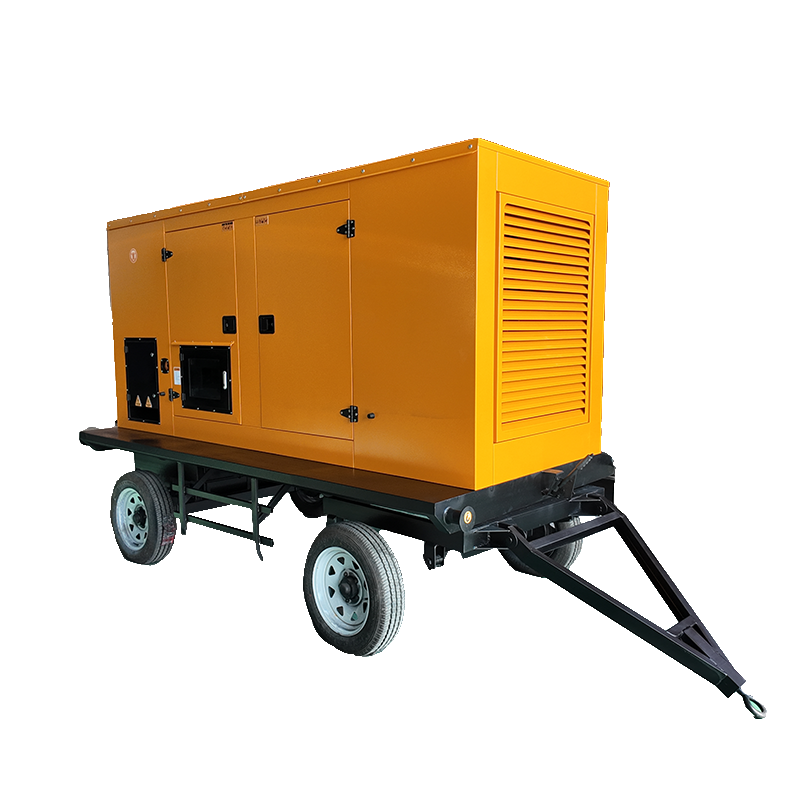
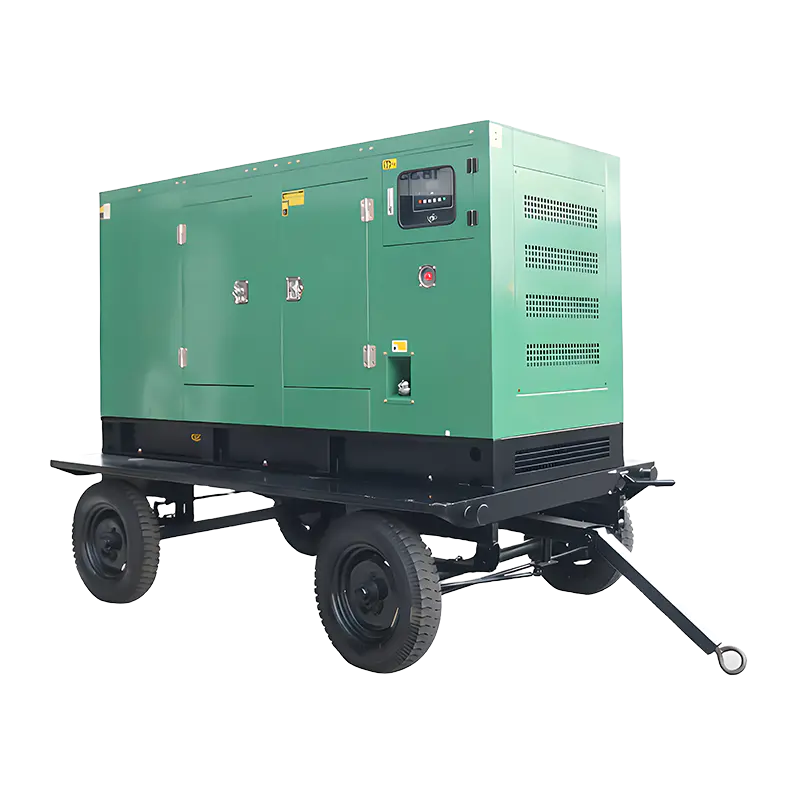
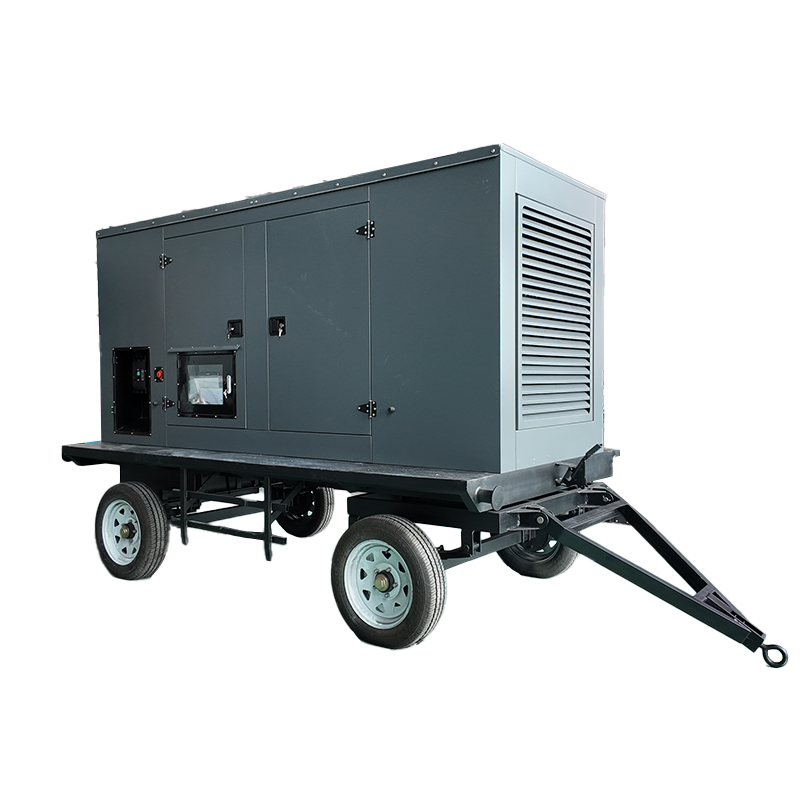
Construction compounds, events, and rental fleets face a different problem: the generator moves, so the noise control has to move with it. A mobile silent set pairs a silenced canopy with a trailer chassis, so you can reposition it away from site cabins and boundaries without rebuilding anything.
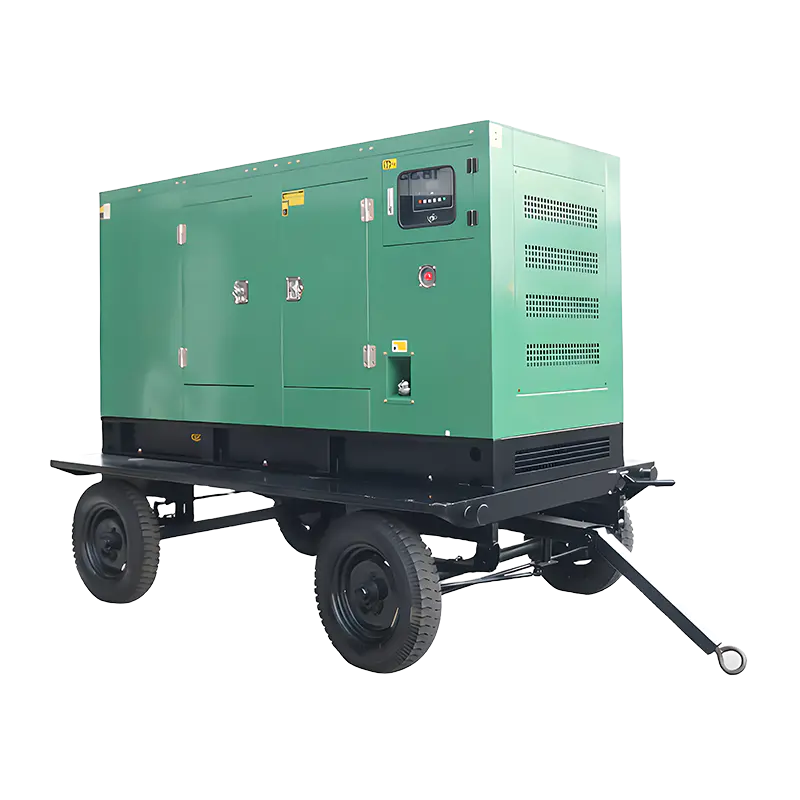 Mobile Silent Diesel Generator Sets for Temporary PowerTrailer-mounted silenced units combine mobility with noise control, letting construction compounds, events, and rental fleets reposition power without rebuilding enclosures.View Product →
Position matters as much on a temporary site. Park with the air outlet facing away from occupied buildings, keep the set level so the mounts work properly, and avoid fencing it in with solid hoarding that traps sound and heat together.
Measuring the Result, Not Guessing at It
Sound levels are quoted in dB(A), a weighting that reflects how the ear responds. When comparing figures, insist on the conditions: distance from the set, load percentage, and whether the reading was taken in the open or beside a reflective wall. A number without those details is marketing, not data. For a rough before-and-after check, a calibrated handheld meter at the site boundary is enough, measured at the same points, at the same load, on a still day. As a rule of thumb, a 10 dB(A) reduction is heard as roughly half as loud, which is why a good silencer and a sealed enclosure feel like a bigger change than the figures suggest.
Maintenance Habits That Keep a Set Quiet
Noise creeps back over time through small neglects. Add these checks to the service routine:
- Listen along door seals and panel joints; replace compressed gaskets rather than over-tightening them.
- Inspect anti-vibration mounts for cracks, softening, or flattening.
- Look for soot streaks around manifold gaskets and silencer joints, which point to exhaust leaks.
- Keep air filters clean and fan blades balanced; a clogged filter is louder than it should be.
- Clear stored items off the canopy and away from air openings.
Making a diesel generator quiet is not one product but a sequence of sensible decisions: a properly sized silencer, an air path that turns corners, an enclosure built on mass and sealed at the seams, isolation under the feet, and a position that uses distance and walls to your advantage. Handle the exhaust and cooling air first, then the enclosure, then vibration — in that order, most installations improve dramatically.
If you are planning a new set or replacing an old one, tell us the distance to the nearest neighbour, the load profile, and whether the site is permanent or temporary. We build and configure sets in open, silent, container, rainproof, and mobile formats, and we would rather help you choose the right one than sell you a canopy you do not need.
Related Products

-
Xiaoji Town, Jiangdu District, Yangzhou City, Jiangsu Province, China
-
8618944498005
-
+86-18652407919
-
+86-0514-86593686
Copyright © Jiangsu Ford Generator Co., Ltd.
