




 English
 Español
 عربى
How to Size a Generator for Motor Starting: A Practical Guide to kVA and Voltage Dip
Nov 25, 2026
Content
- 1 Why the starting surge, not the running load, sets the size
- 2 A six-step method that works on real projects
- 3 How starting method changes the numbers
- 4 Voltage dip limits: what downstream equipment will accept
- 5 Mistakes we see most often on site
- 6 Matching the set configuration to the site
- 7 Final thoughts
If you have ever watched a generator trip the moment a large motor is switched on, you already know that motor starting is where most sizing exercises go wrong. The running load looked comfortable on paper, the set had plenty of spare kW, and yet the breaker opened, the contactor chattered, or the voltage sagged long enough for the PLC to reboot.
We build diesel generator sets for plants, ports, mines, hotels and remote sites, and the same question reaches us almost every week: how do you size a generator for motor starting without buying far more machine than the job needs? The short answer is that you size two things at the same time. You size the alternator in kVA for the starting surge, and you size the engine in kW for the running and accelerating load. Then you check the resulting voltage dip against what the rest of the site can actually tolerate.
Why the starting surge, not the running load, sets the size
A typical NEMA Design B induction motor draws six to eight times its full-load current during a direct-on-line start, and it does so at a power factor of only 0.2 to 0.4. Multiply current by voltage and the apparent power the set sees for that half second is often five or six times the motor's running kVA. That is not a load the alternator can ignore, even briefly.
Take a 55 kW four-pole motor on a 400 V supply. Full-load current sits around 100 A. Locked-rotor current at six times FLA is roughly 600 A, which presents about 415 kVA to the alternator for a fraction of a second. The engine, on the other hand, only has to deliver the running kW plus whatever is needed to accelerate the rotor and its driven load. Those two numbers are very different, and treating them as one is the single most common cause of an unhappy commissioning day.
The practical consequence is that a set can be electrically undersized and mechanically oversized at the same time. A 250 kW engine bolted to a 200 kVA alternator will not start a motor that a properly matched 300 kVA set would handle without a flicker.
A six-step method that works on real projects
Step 1: Build a load list, not a guess
List every load with its running kW, power factor, efficiency, starting method and starting current. For motors, the nameplate locked-rotor current or the NEMA code letter is worth more than any rule of thumb. Note which loads are continuous, which are intermittent, and which will already be running when the largest motor starts.
Step 2: Convert the running load to kW and kVA
Add the running kW, apply a realistic demand factor, and divide by the weighted power factor to get running kVA. Keep the two figures separate, because they will be compared against different limits later. Our guide to sizing a diesel generator step by step walks through the running-load arithmetic in more detail if you need it.
Step 3: Work out the starting kVA for the worst motor
Starting kVA is √3 × voltage × locked-rotor current, divided by 1000. If you only have the NEMA code letter, multiply the motor's horsepower by the upper end of that code's kVA-per-hp range — code F is roughly 5.0 to 5.6, code G is 5.6 to 6.3, and code H is 6.3 to 7.1. Always use the top of the range for safety.
Step 4: Check the voltage dip
A quick estimate is dip percentage equals the alternator's subtransient reactance multiplied by starting kVA divided by generator kVA, times 100. Industrial alternators usually sit between 0.10 and 0.20 per unit. Rearranged, the generator kVA you need is roughly starting kVA times reactance divided by the dip you are willing to accept. With 15 percent dip and 0.15 reactance, the set must be about as large as the starting kVA — which is exactly why soft starting pays for itself so often.
Step 5: Size the engine separately
The engine has to absorb the block load, recover frequency quickly, and handle the accelerating torque without bogging down. A rough starting point is 1 kW of generator rating per 0.75 to 1 hp of directly started motor, but confirm it against the manufacturer's block-load acceptance curve. Turbocharged engines respond more slowly than naturally aspirated ones, and that lag shows up as frequency dip.
Step 6: Add a sensible margin and confirm
Ten to twenty percent headroom covers ageing, altitude, ambient temperature and future load growth. Beyond that you are paying for capacity you will never use. Send the completed load list to the set builder and ask for the calculated dip, not just a kVA figure.
How starting method changes the numbers
The same motor can demand wildly different amounts of generator capacity depending on how it is started. The table below shows the ranges we see in practice.
| Starting method | Starting current vs FLA | Approximate starting kVA | Where it fits |
|---|---|---|---|
| Direct on line | 6 to 8 times | 5 to 6 times running kVA | Small motors, short starts, strong set |
| Star-delta | 2 to 2.7 times | About one third of direct on line | Motors that can start unloaded |
| Soft starter | 2.5 to 3.5 times | 25 to 40 percent of direct on line | Pumps, fans, compressors |
| Autotransformer, 50 percent tap | 2 to 2.5 times | 25 to 30 percent of direct on line | Older installations, high-inertia loads |
| Variable frequency drive | 1 to 1.5 times | Close to running kVA | Where speed control is wanted anyway |
Voltage dip limits: what downstream equipment will accept
The generator does not decide how much dip is acceptable — the loads do. As a working guide:
- A 10 to 15 percent dip is usually tolerated by NEMA Design B motors and general lighting, and it is the target most of our customers design to.
- Between 15 and 20 percent, contactors may chatter, variable frequency drives may trip on undervoltage, and HMI screens can restart.
- Above 20 percent you risk motor stalling, contactor drop-out and a failed transfer to the backup supply.
- Sensitive electronics, servers and medical equipment should see no more than 5 to 10 percent, or should sit behind a UPS.
Mistakes we see most often on site
- Using the one-kilowatt-per-horsepower rule as the final answer instead of a sanity check.
- Sizing the alternator from running kW alone, then wondering why the voltage collapses on start.
- Forgetting the motors already running when the largest one is switched on, so the real block load is far higher than the calculation assumed.
- Ignoring derating for altitude above 1000 m and ambient temperatures above 40 degrees Celsius.
- Assuming a variable frequency drive removes the starting problem entirely — harmonic current and displacement power factor still need checking against the alternator.
- Starting the largest motor last. Sequencing it first, before the rest of the load is on, is often free capacity.
Matching the set configuration to the site
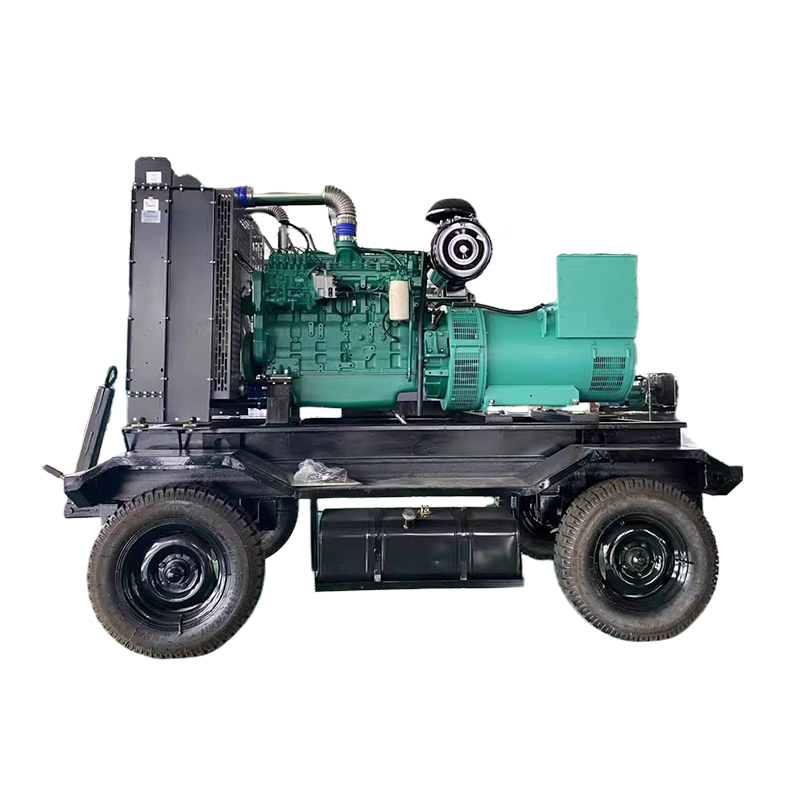
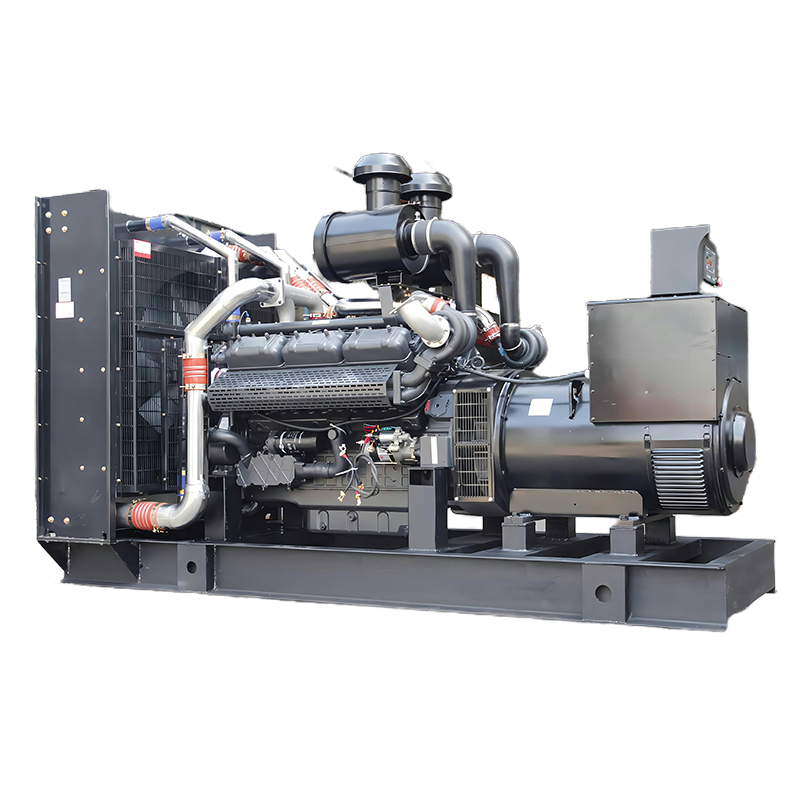
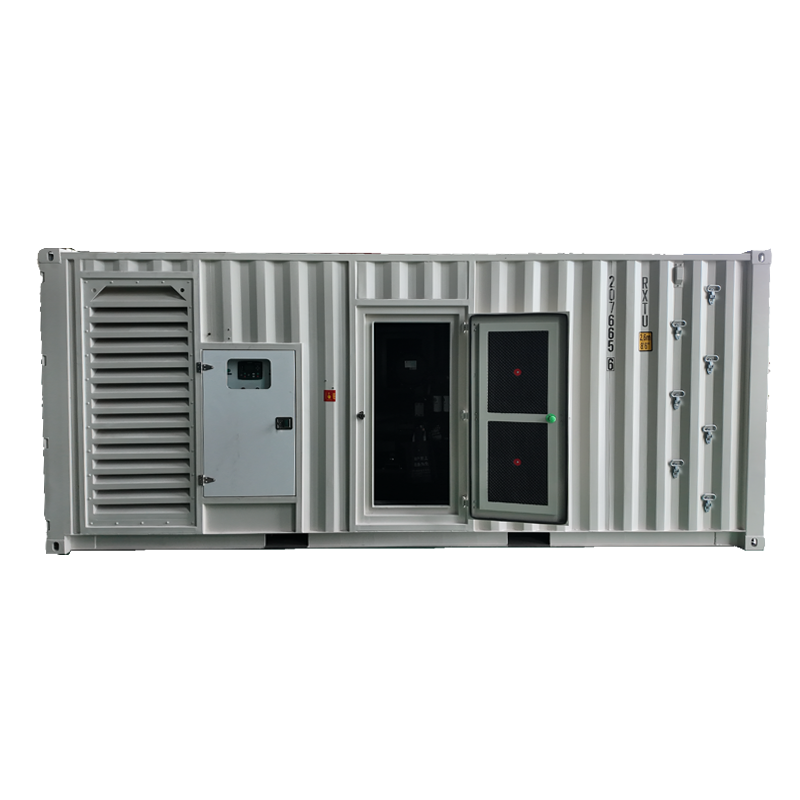
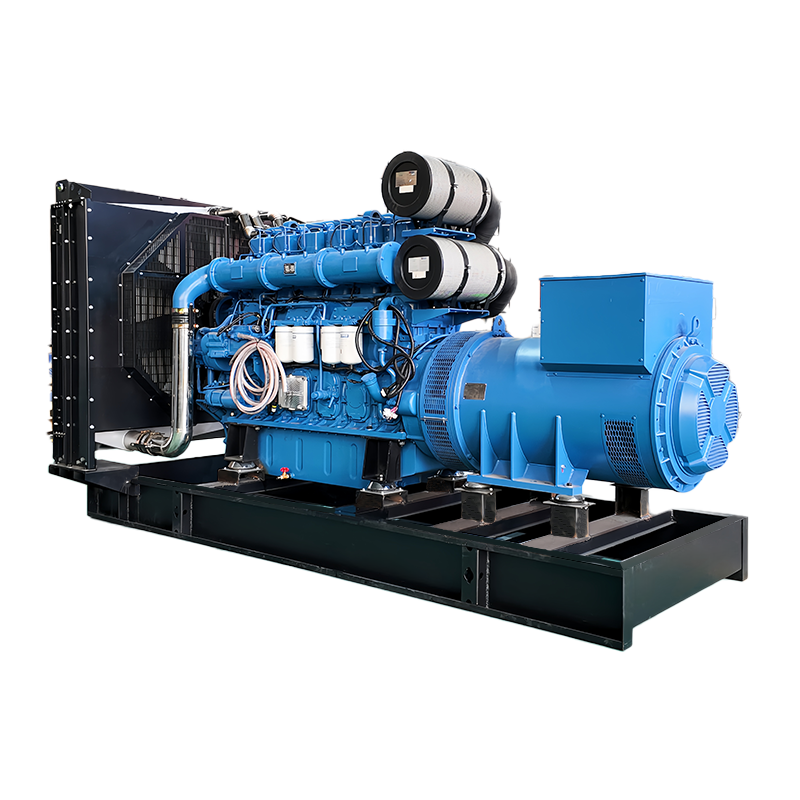
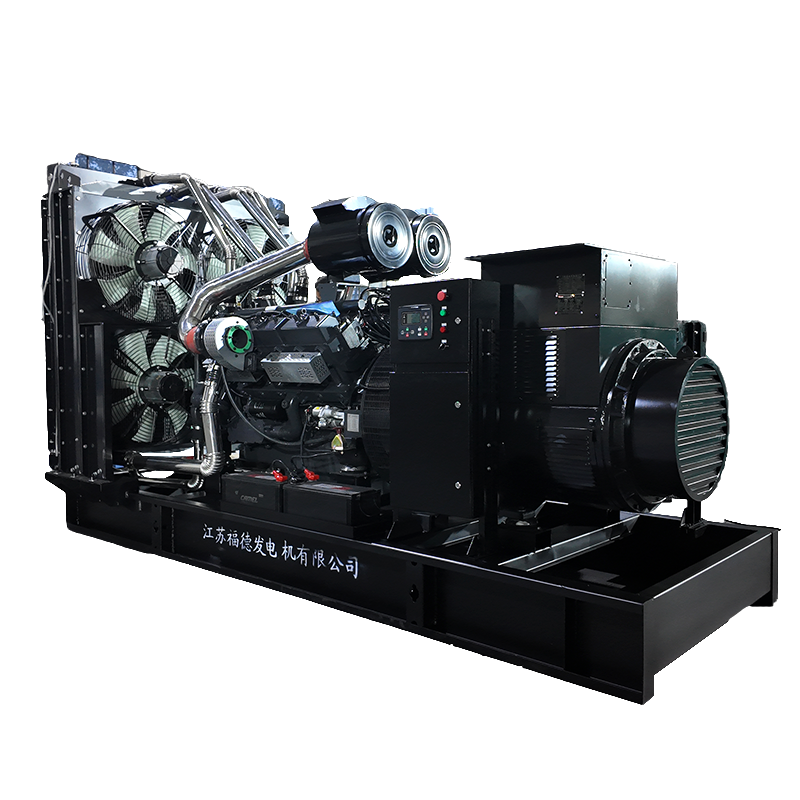
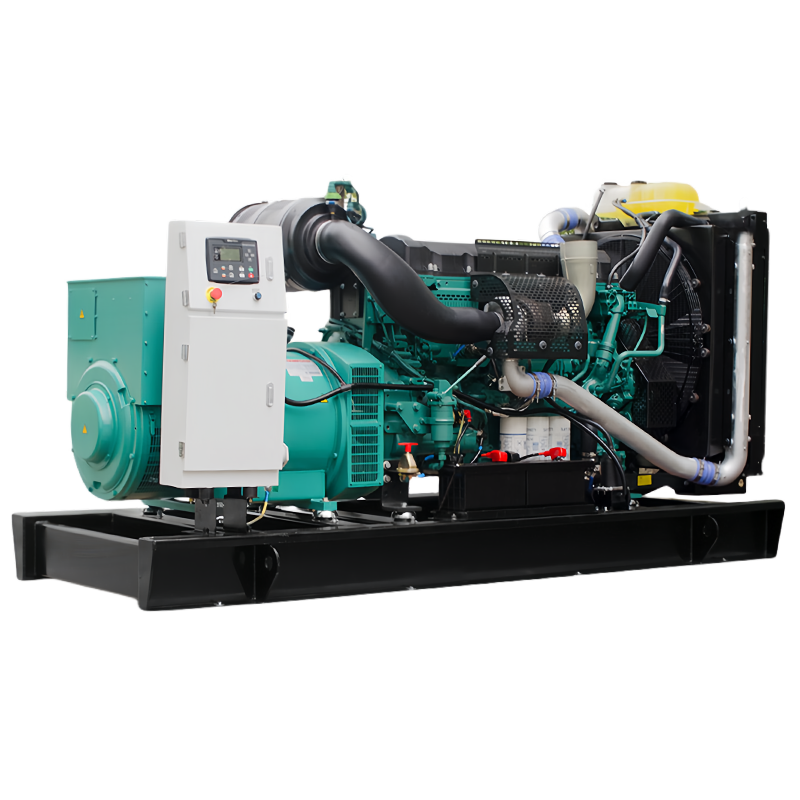
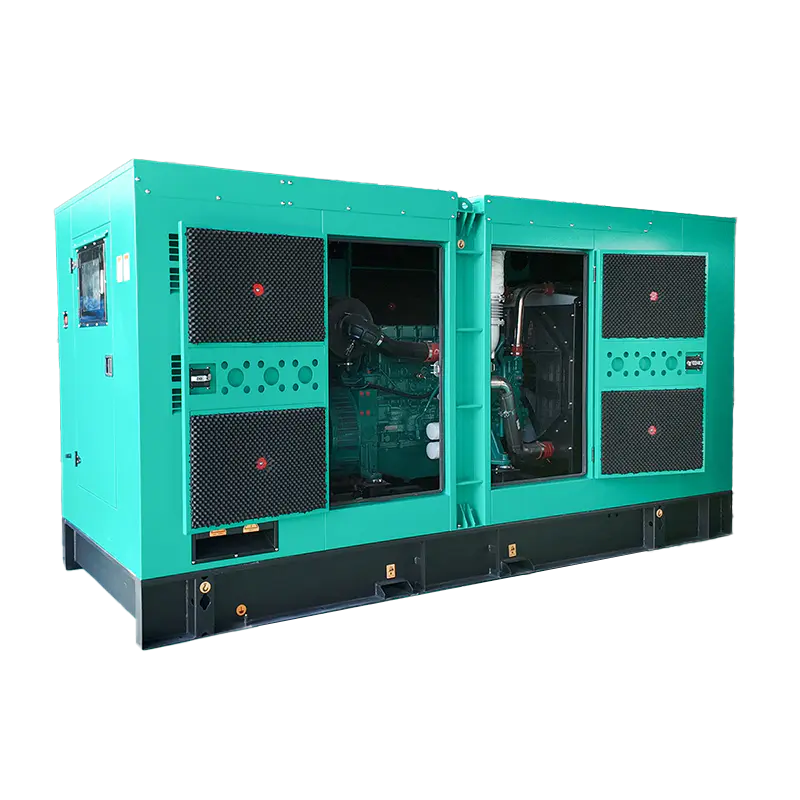
Once the kVA and kW are settled, the enclosure and mounting usually decide themselves. You can browse our diesel generator range by type to see the options, and the three configurations below cover most of the projects that reach us.
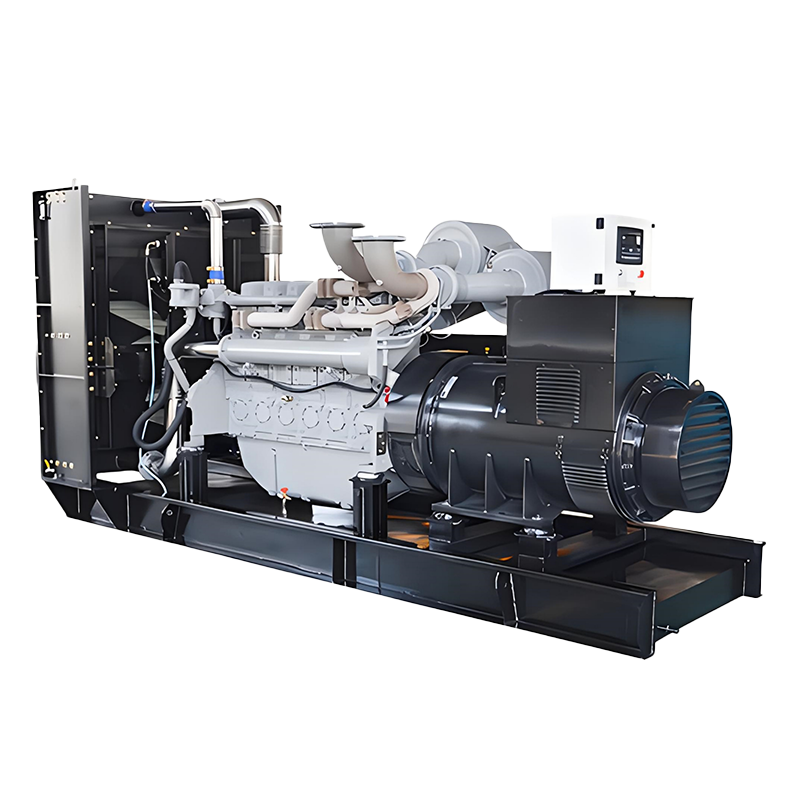
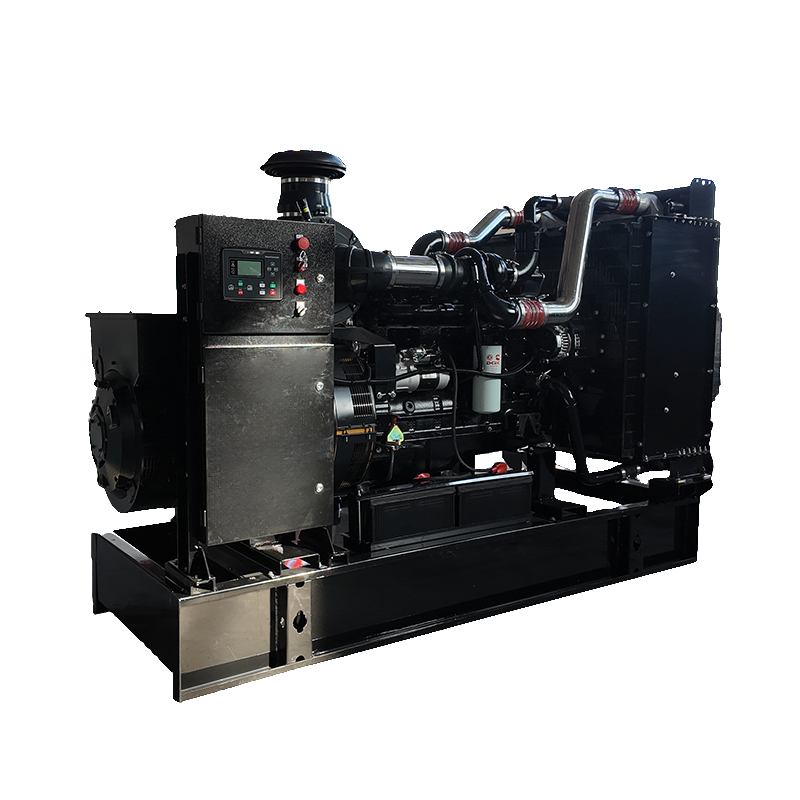
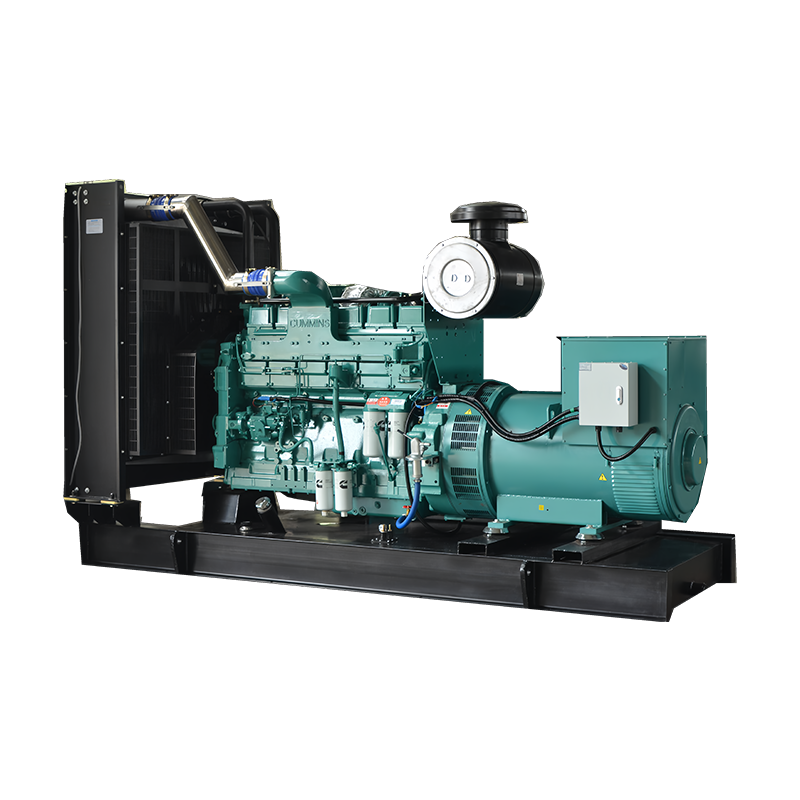
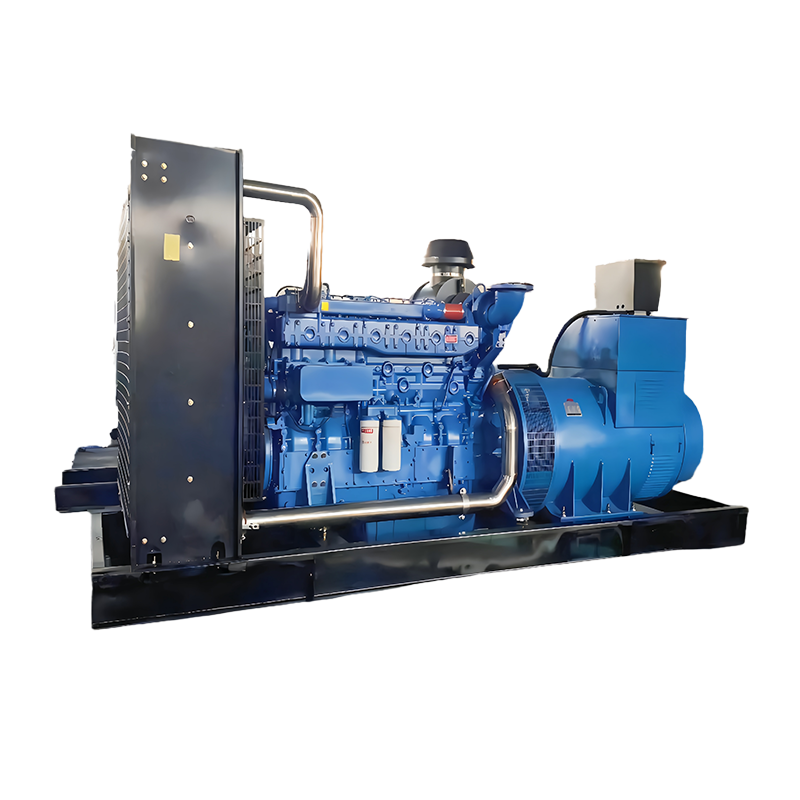 Open-Frame Diesel Generator Sets for Plant RoomsThese open-frame sets suit plant rooms and industrial halls with space and ventilation, offering straightforward servicing and cost-effective power per kVA.View Product →
Open-frame sets suit plant rooms and industrial halls where there is space, ventilation and a maintenance team on hand. They are the easiest to service and the most cost-effective per kVA.
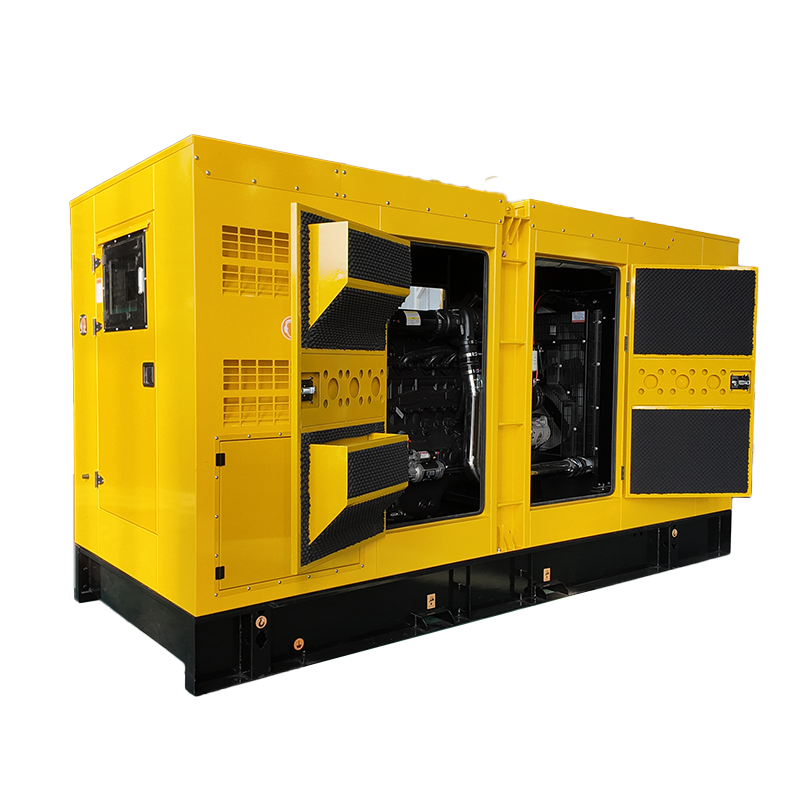
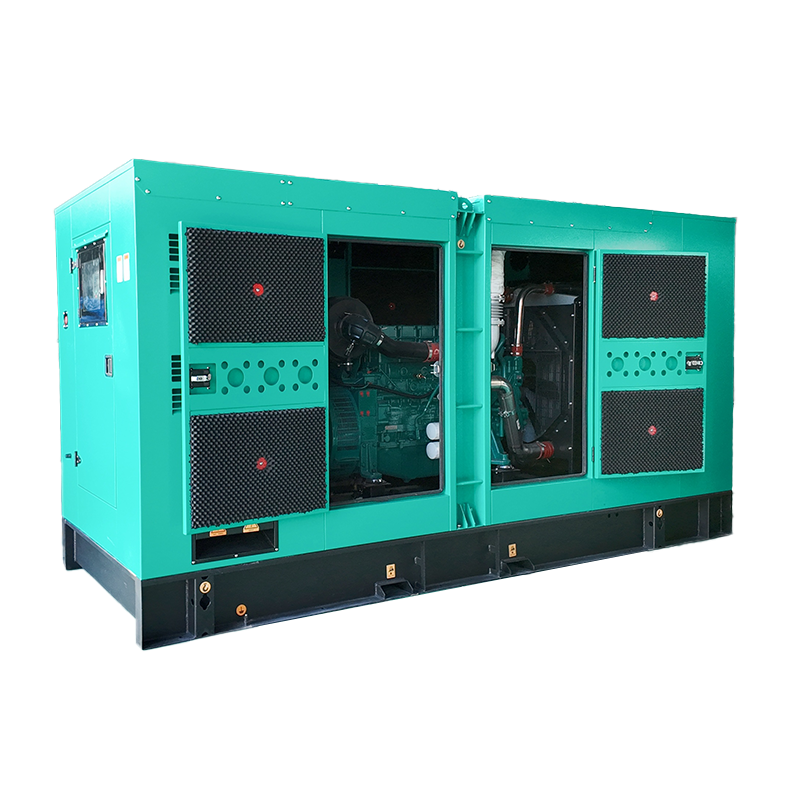 Silent Diesel Generator Sets for Noise-Sensitive SitesWith soundproof and rainproof enclosures, these silent sets suit hospitals, hotels, offices and residential boundaries where acoustic performance matters alongside electrical output.View Product →
Silent-type sets are the usual answer for hotels, hospitals, offices and anything close to a residential boundary, where the acoustic canopy matters as much as the electrical performance.
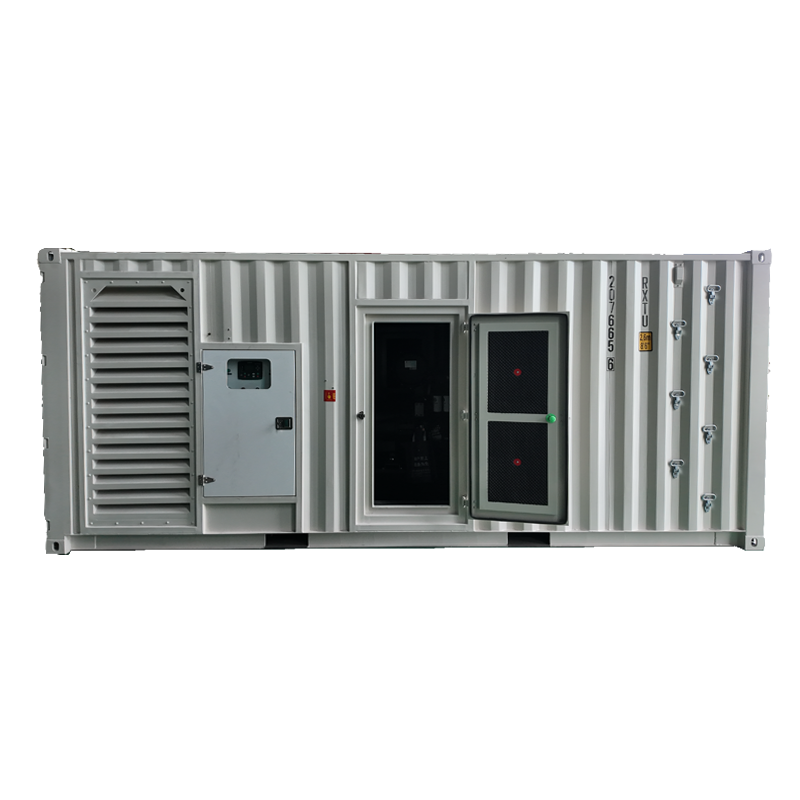 Containerised Diesel Generator Sets for Remote and Harsh SitesContainer-integrated generator, control and fuel systems suit remote mines, ports and coastal sites where weather, dust and logistics favor a self-contained package.View Product →
Containerised sets handle remote mines, ports and coastal sites where weather, dust and transport logistics all push toward a self-contained package.
Final thoughts
Sizing for motor starting is not difficult once you separate the alternator question from the engine question and check the dip against the loads that actually matter. What causes trouble is skipping one of those steps and filling the gap with a rule of thumb.
If you send us your load list — motor ratings, starting methods, locked-rotor currents and the order in which equipment comes online — our technical team will run the numbers and tell you honestly whether a smaller set with a soft starter would do the same job as a larger set without one. That conversation usually saves more money than any single specification decision.
Related Products
Related News

-
Xiaoji Town, Jiangdu District, Yangzhou City, Jiangsu Province, China
-
8618944498005
-
+86-18652407919
-
+86-0514-86593686
Copyright © Jiangsu Ford Generator Co., Ltd.
