




 English
 Español
 عربى
عربىCommon Diesel Generator Issues and How to Prevent Them – A Practical Guide
Aug 19, 2026
Content
Diesel generators are expected to start quickly, carry the applied load, and continue running through an outage or event. When they fail, the root cause is rarely a mysterious electronic fault. In most cases, the problem is a weak battery, a contaminated fuel supply, a radiator that cannot dissipate heat, or a control panel that was not properly monitored. These conditions are predictable, and most of them can be prevented before they cause downtime.
Starting Failures: Battery, Fuel, and Cold Weather
The most common diesel generator problem is failure to start. The conclusion is simple: nearly every no-start situation can be traced to the starting battery, the fuel system, or cold-weather support components. Diagnose those three areas first, and you will resolve most starting complaints.
Battery and Electrical Connections
Batteries lose capacity over time, and corrosion on terminals increases resistance. A generator that cranks slowly or clicks without turning over usually has a battery that is undercharged, a loose connection, or corroded cables. In standby units, the battery charger may be faulty, so the battery slowly drains even when the generator is not running. Test battery voltage monthly and clean the terminals with a wire brush. Replace any battery that is more than four years old or fails a load test.
Fuel Supply Problems
Fuel issues are the second most common reason a diesel generator will not start. Air in the fuel lines, clogged fuel filters, and old or contaminated diesel all starve the engine. If the generator has been sitting idle for several months, the fuel may have degraded or absorbed water. Check the fuel level, drain any water separator, change the fuel filter according to the service schedule, and bleed the fuel system when air has entered the lines.
Cold Weather Starting
In cold temperatures, diesel fuel thickens, and the engine needs more cranking effort. A block heater that is not working or glow plugs that have failed can make starting impossible even with a fresh battery and clean fuel. Use the correct winter-grade fuel, verify the block heater is operating, and make sure the oil viscosity matches the ambient temperature. These small checks prevent a long list of winter starting failures.
Running Problems: Overheating, Low Output, and Unexpected Shutdown
Once the generator is running, the most common failures are overheating, low or no power output, and sudden shutdown. The common thread is that each condition develops gradually and gives warnings that are often ignored. Catching these warnings early prevents expensive repairs.
Overheating
Overheating is one of the most frequent operating problems. A blocked radiator, low coolant level, failed cooling fan, or a loose serpentine belt will cause the engine temperature to climb. In a diesel generator, overheating also accelerates oil breakdown and can damage the cylinder head. Check the coolant level daily when the unit is in regular service, inspect the radiator fins for dirt and debris, and confirm the fan is moving enough air. If the generator runs hot under normal load, fix the cause before the next run.
Low or No Power Output
A generator that starts but cannot carry the full load is often overloaded or suffering from a clogged air filter, fuel starvation, or an automatic voltage regulator (AVR) that has failed. The first step is to compare the load to the generator's rated output. If the load exceeds the rating, the generator will slow down and the voltage will drop. If the load is below the rating, check the air filter and fuel supply. For sizing guidance, review how to size a diesel generator so you can match the set to the actual starting and running loads.
Unexpected Shutdown
Diesel generators shut down automatically when a safety protection trips. Low oil pressure, high coolant temperature, overspeed, or an emergency stop signal are the usual triggers. Resetting the controller without checking the cause is a common mistake that leads to repeat failures. Check the oil level for dilution, inspect the cooling system, and look for active alarm codes on the control panel. A sudden shutdown is the generator telling you that something dangerous is happening; treat it as a warning, not a nuisance.
Smoke, Noise, Fuel Leaks, and Vibration
Abnormal exhaust smoke, unusual noise, and visible leaks are the generator's way of showing problems before they become breakdowns. These signs rarely disappear on their own. The final conclusion is that early intervention is always cheaper than repair after failure.
Excessive Exhaust Smoke
Diesel engine smoke has a clear meaning. Black smoke indicates incomplete combustion, usually from a dirty air filter, poor fuel quality, or an overloaded engine. White smoke may mean unburned fuel, a cold engine, or a fuel injector problem. Blue smoke means oil is entering the combustion chamber, often from worn valve guides or piston rings. Check the air filter and fuel quality first. If blue smoke continues, schedule a compression test and inspect the engine for wear.
Unusual Noise and Vibration
Loose mounting bolts, worn engine mounts, failed bearings, or a misaligned coupling can produce knocking or vibrating sounds. Some vibration is normal, but a sudden change in noise level is not. Confirm that the generator is on a solid base and that all fasteners are torqued correctly. If the generator set is installed in a noise-sensitive area, a silent diesel generator set can reduce the noise at the source, but it will not mask a mechanical fault. Fix the fault first, then consider the enclosure.
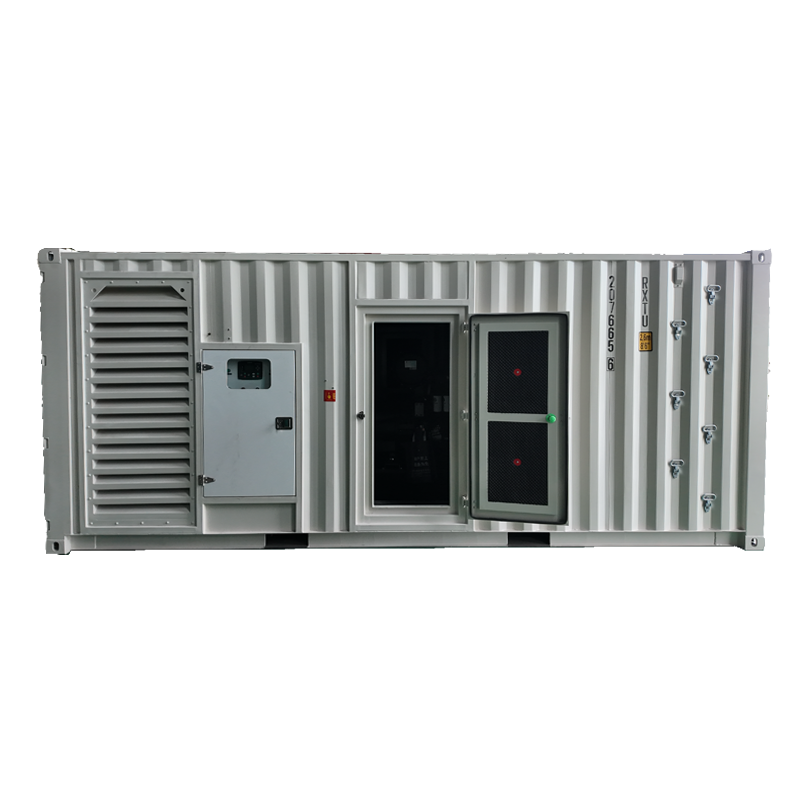
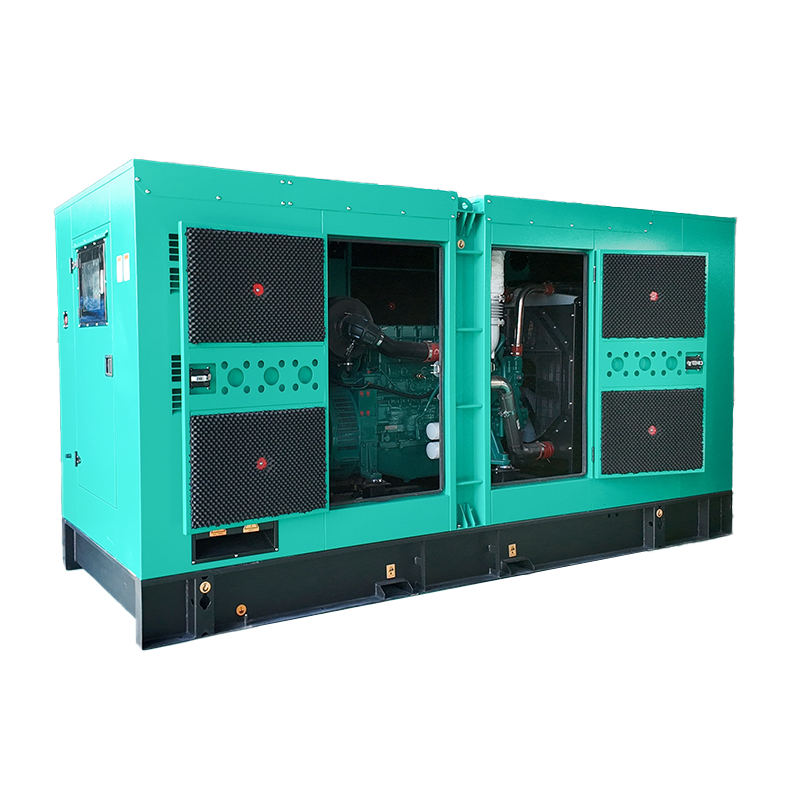 Custom Silent Type Diesel Generator Sets Manufacturers, Suppliers - Jiangsu FordJiangsu Ford Generator Co., Ltd. is China custom Silent Type Diesel Generator Sets manufacturers and suppliers, Compared with the open-ty...View Product →
Fuel and Coolant Leaks
Leaks are easy to overlook until they become dangerous. Fuel leaks can cause fires, and coolant leaks lead to overheating. Check the fuel lines, injector seals, radiator hoses, and the engine oil pan for damp spots. On a new installation, re-torque fittings after the first few hours of running because thermal cycling can loosen them. A drip tray and regular visual inspection will catch small leaks before they cause major damage.
How Operating Habits Create Maintenance Problems
Most generator issues are not caused by a single failed part but by the way the generator is operated and maintained. In our experience, skipped service intervals and light-load operation are the two habits that lead to the most avoidable repairs.
Wet Stacking and Light Loads
Diesel engines need load to run cleanly. When a generator operates at very low load for long periods, unburned fuel and soot build up in the exhaust system and engine oil. This condition, known as wet stacking, causes black smoke, poor performance, and eventual turbocharger damage. If the generator runs for readiness testing, avoid long no-load runs. Instead, load the unit to at least 30–40 percent of its rated capacity for a short period, or use a load bank test periodically.
Skipping Scheduled Maintenance
Diesel generator maintenance is not optional. Oil and filter changes, fuel filter replacement, air cleaner checks, coolant level verification, and battery inspection must happen on a regular schedule. Missing one service interval can lead to a chain reaction: dirty oil accelerates wear, a clogged filter reduces fuel flow, and a dead battery prevents starting. In addition to following the operator's manual, consider an annual load bank test to verify that the generator can actually carry its rated load. A professional service team can document the results and flag problems before they become failures.
A Simple Prevention Table
The table below summarizes the most common symptom categories and the preventive action that keeps each one from turning into downtime.
| Symptom | Likely Cause | Prevention |
|---|---|---|
| Hard starting or no start | Weak battery, corrosion, fuel starvation | Test battery monthly; keep fuel system clean |
| Low power output | Clogged air filter, overload, AVR fault | Replace filters; size load below rating |
| Overheating | Blocked radiator, low coolant | Clean radiator; check coolant daily |
| Black exhaust smoke | Dirty air filter, poor fuel combustion | Service air fuel system on schedule |
| Unusual noise or vibration | Loose mounts, worn bearings | Inspect fasteners; monitor vibration |
| Fuel or coolant leaks | Worn seals, loose fittings | Visual inspection; re-torque after installation |
Choose the Right Generator Configuration
A significant share of problems can be prevented by selecting the correct generator configuration for the site. The installation environment influences cooling, noise, and protection against the weather. A generator that is the wrong type for its surroundings will struggle even when the engine itself is healthy.
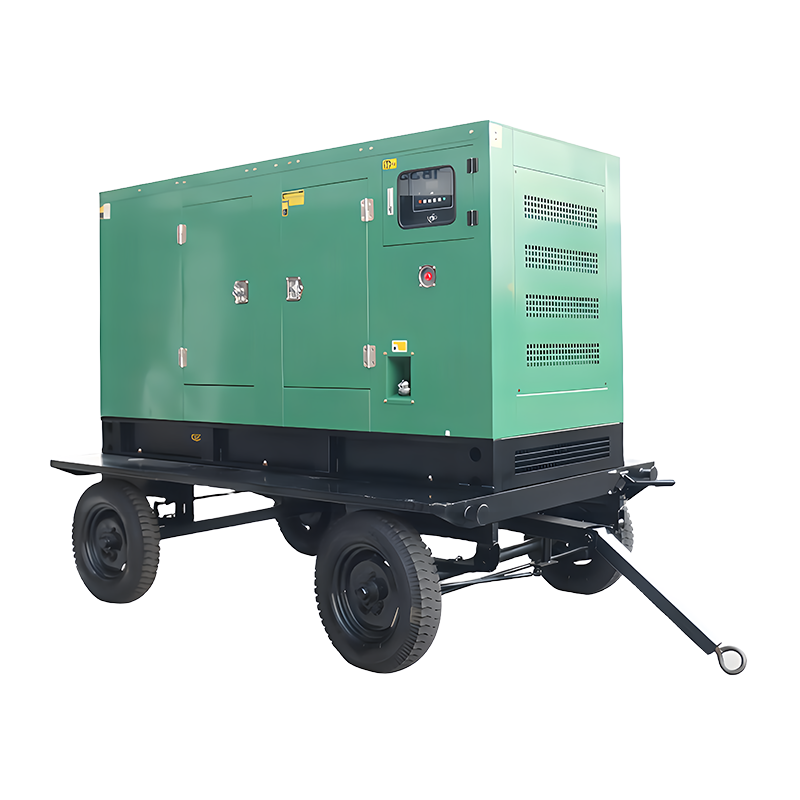
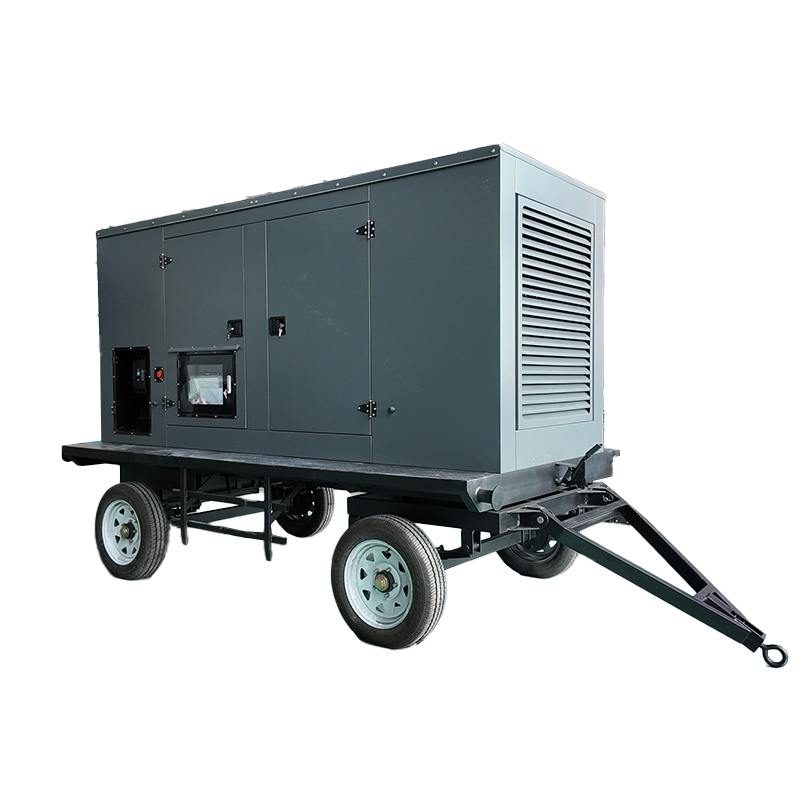
For outdoor exposed sites, a rainproof diesel generator set protects the alternator and control panel from moisture and reduces the risk of weather-related faults. For temporary or changing work sites, a movable diesel generator set allows the unit to be repositioned easily, which simplifies connection and maintenance access. And for installations where quiet operation is a requirement, choose the silent type discussed earlier, as it also provides a degree of weather protection.
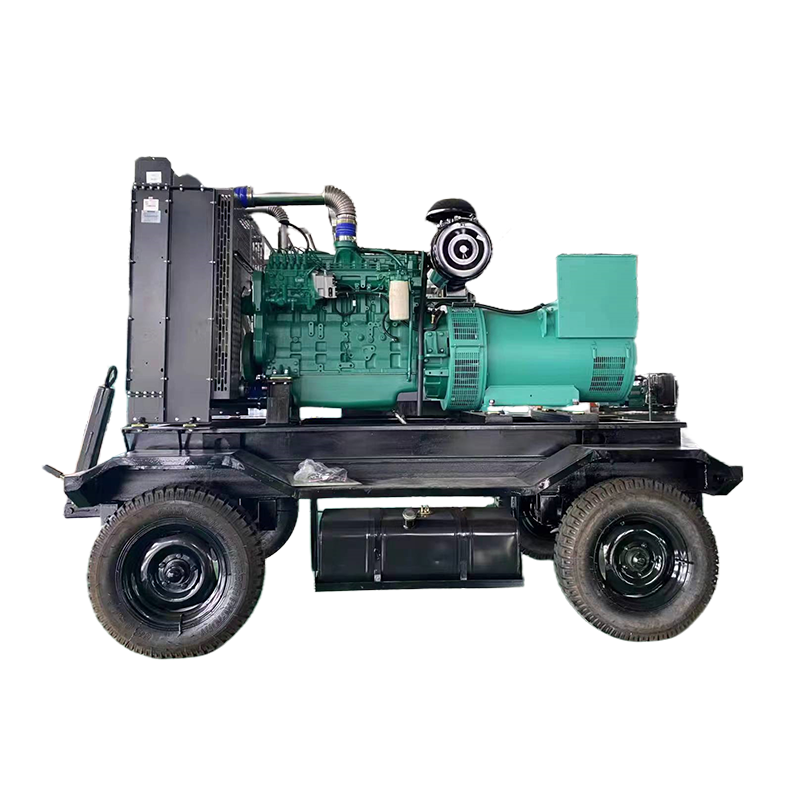 Custom Movable type Diesel Generator Sets Manufacturers, Suppliers - Jiangsu ForJiangsu Ford Generator Co., Ltd. is China custom Movable type Diesel Generator Sets manufacturers and suppliers, Mobile generator sets ha...View Product →
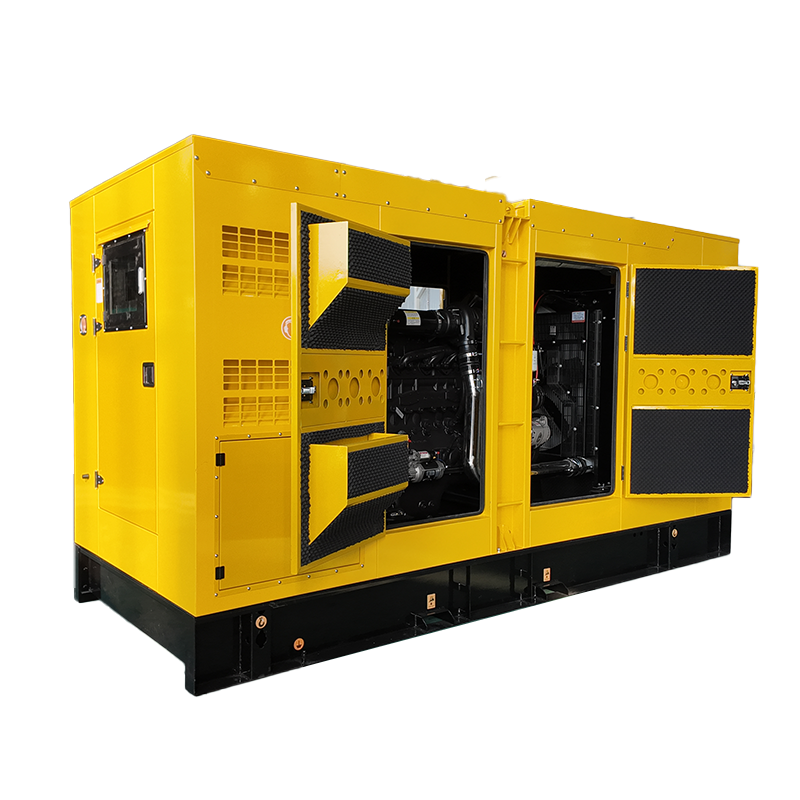 Custom Rainproof Type Diesel Generator Sets Manufacturers, Suppliers - Jiangsu FJiangsu Ford Generator Co., Ltd. is China custom Rainproof Type Diesel Generator Sets manufacturers and suppliers, The rainproof type gen...View Product →
Beyond the enclosure, verify that the generator's cooling system is designed for the site's maximum ambient temperature and that the alternator is sized for the starting current of the connected loads. If you are not sure which configuration fits your site, consult a professional diesel generator manufacturer who can recommend the correct combination of engine, housing, and control system.
Common diesel generator failures follow a pattern. They start with neglected maintenance, poor fuel management, or an improper installation environment. Each of these causes sends warning signals before a full breakdown. By paying attention to battery health, fuel cleanliness, cooling performance, and load conditions, you can avoid most of the problems that lead to unexpected downtime.
Related Products



-
Xiaoji Town, Jiangdu District, Yangzhou City, Jiangsu Province, China
-
8618944498005
-
+86-18652407919
-
+86-0514-86593686
Copyright © Jiangsu Ford Generator Co., Ltd.
