




 English
 Español
 عربى
عربىHow Does an Automatic Transfer Switch Work? A Clear Guide for Generator Owners
Aug 26, 2026
Content
- 1 What an Automatic Transfer Switch Does
- 2 Core Components of an Automatic Transfer Switch
- 3 How an Automatic Transfer Switch Works Step by Step
- 4 Transition Modes: Open, Closed and Soft Load
- 5 What the ATS Prevents
- 6 Using an Automatic Transfer Switch with a Diesel Generator Set
- 7 Choosing an ATS That Fits Your Power System
It is 2:00 a.m. and a storm has just taken the local utility line down. Inside a small clinic, the lights barely flicker. A few seconds later, the standby diesel generator settles into its normal hum, and the clinic’s equipment continues running as if nothing happened. The device that made this possible is an automatic transfer switch, or ATS. The conclusion is simple: an ATS watches the normal power supply and, when that supply fails, automatically moves the building’s electrical load to a backup source. When normal power returns and becomes stable, it moves the load back without any manual action. This automatic process is not just a convenience; it is what keeps essential loads alive during outages.
What an Automatic Transfer Switch Does
An ATS is installed between two power sources and the loads they serve. The primary source is usually the local utility grid. The secondary source is typically a diesel generator set. The transfer switch itself contains switching contacts, a logic controller, and sensors that continuously monitor the incoming utility supply. When the utility voltage or frequency falls outside a preset tolerance for a set period, the ATS sends a start command to the generator. After the generator output reaches rated voltage and frequency, the ATS transfers the load from the utility bus to the generator bus. When utility power returns and stays stable for a predetermined time, the ATS switches the load back and tells the generator to shut down after an additional cooling period. This entire sequence is designed to be safe, repeatable, and free of human intervention.
Core Components of an Automatic Transfer Switch
A standard ATS has four main groups of components:
- Controller: the logic centre that checks voltage, frequency, and phase rotation.
- Switching mechanism: usually contactors or moulded-case circuit breakers that physically move the load.
- Time-delay relays: set the intervals for the transfer sequence so momentary flickers do not cause unnecessary starts.
- Auxiliary contacts and terminals: connect the ATS to the generator’s automatic start controller and alarm system.
The controller is the part you program. It decides how low the voltage must be, how long the delay should last, and how many seconds the generator must run before the load is accepted. A good controller also gives you a display of source availability and load status.
How an Automatic Transfer Switch Works Step by Step
Here is the complete sequence in practical terms:
- Monitor. The controller continually measures the utility supply’s voltage and frequency.
- Detect. If the voltage drops below the setpoint, perhaps 80% of nominal, for a predefined time, the ATS treats it as an outage.
- Start. The auxiliary contacts send a start signal to the generator’s engine controller.
- Verify. The ATS waits for the generator to build up to rated voltage, typically 380/480 V, and stable frequency. This usually takes 5 to 15 seconds depending on the engine.
- Transfer. The switching contacts move the load to the generator bus. The moment of transfer may involve a brief interruption, as defined by the transition mode.
- Monitor and return. Once utility power returns and remains stable for a preset period, the ATS transfers back. Then it sends a stop signal to the generator after a cooling run.
The delays are there for a reason. A short voltage dip or a lightning strike may last less than half a second. Without a delay, the ATS would start the generator for every flicker, causing unnecessary engine hours and fuel consumption. A common start delay is 1 to 3 seconds after the outage is detected. The return delay is often longer, maybe 5 to 10 minutes, to make sure the grid is really back.
Transition Modes: Open, Closed and Soft Load
Besides the basic sequence, the physical hand-off between sources is described by the transition mode. You will see three main types:
| Mode | How It Works | Best Suited For |
|---|---|---|
| Open transition | The load is briefly disconnected from one source before being connected to the other. This creates a short power interruption during transfer. | Critical facilities that can tolerate a few seconds of interruption and need simple, reliable switching. |
| Closed transition | The two sources are briefly paralleled so the load sees no interruption at all. | Sensitive processes where even a momentary dropout is unacceptable. |
| Soft-loading | The generator is synchronised with the utility, and the load is gradually transferred over. This allows a controlled shift without paralleling surge. | Sites with large motor loads or where a gentle transition is preferred. |
An open transition is the standard for most diesel generator installations because it is simple, inexpensive, and acceptable for loads that can tolerate a few seconds of disconnection. A closed transition requires the two sources to be momentarily paralleled, which adds complexity and is used in critical processes. Soft-loading is a more advanced version of closed transition; it gradually shifts power instead of making a hard break. If you have motor loads or generator sizing constraints, the transition mode becomes a significant selection factor.
What the ATS Prevents
An ATS is not only about convenience; it is also a safety device. The most critical function is preventing the generator and the grid from being connected at the same time. If a generator back-feeds into a dead utility line, it can injure utility workers restoring power. The ATS uses mechanical and electrical interlocks to ensure that only one source is connected at a time. In an open transition, the contacts physically disconnect the load from the utility before connecting the generator. This is called break-before-make. In a closed transition or soft-loading mode, the two sources are intentionally synchronised and paralleled for a few cycles, which is safe only because the synchronising equipment confirms voltage, frequency, and phase angle match within tight limits.
Using an Automatic Transfer Switch with a Diesel Generator Set
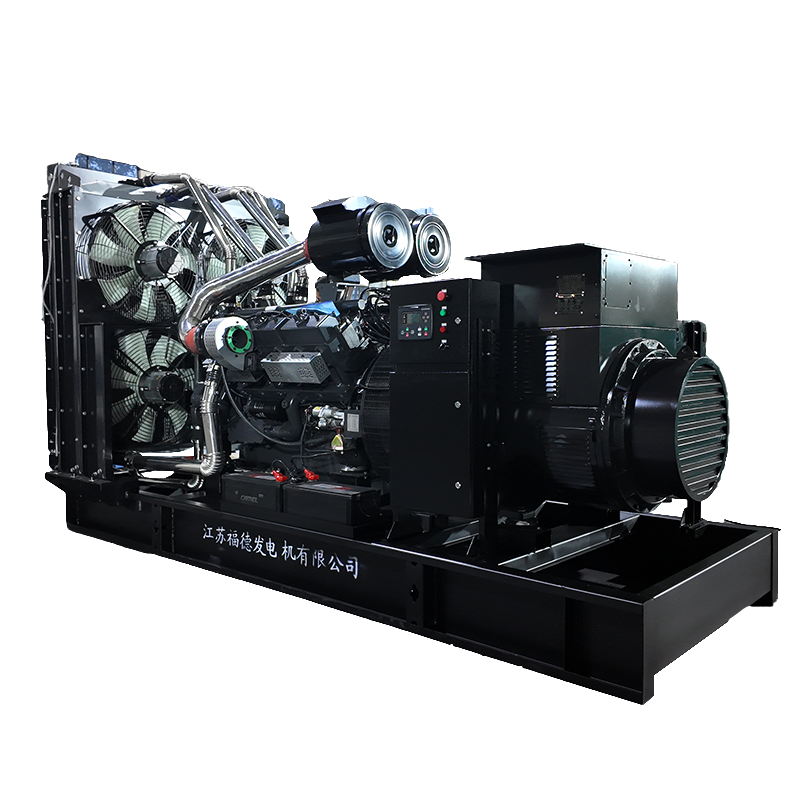
An ATS and a generator must work as one system. The ATS provides the start command, monitors the generator’s readiness, and then performs the transfer. For the generator side, the engine and alternator have to be able to accept the load in a single step. This means the generator set type, size, and control system all matter. Below are three common ways this pairing works in practice.
For Indoor and Noise-Sensitive Locations
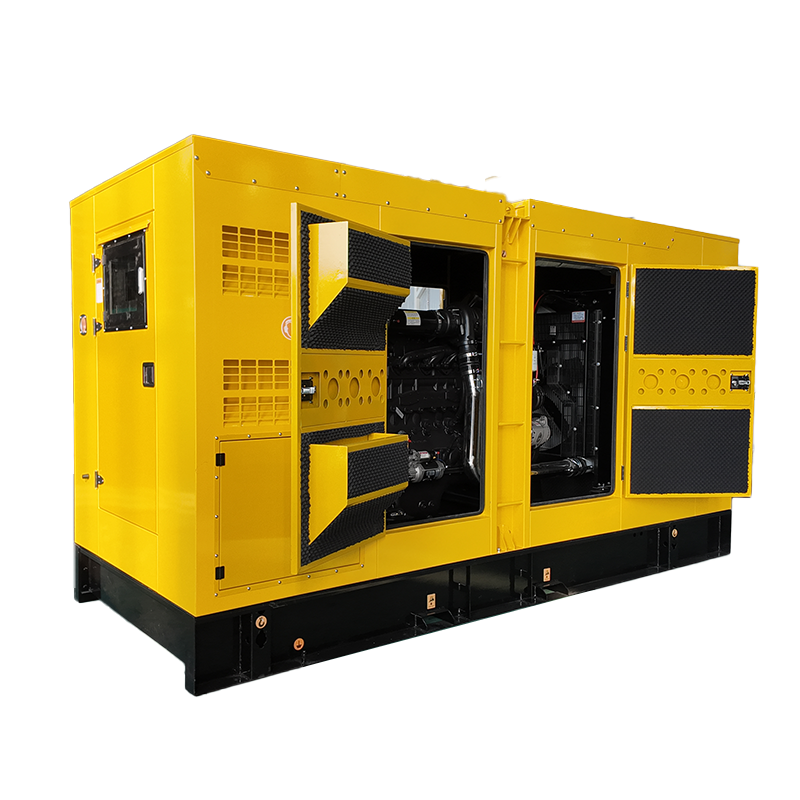
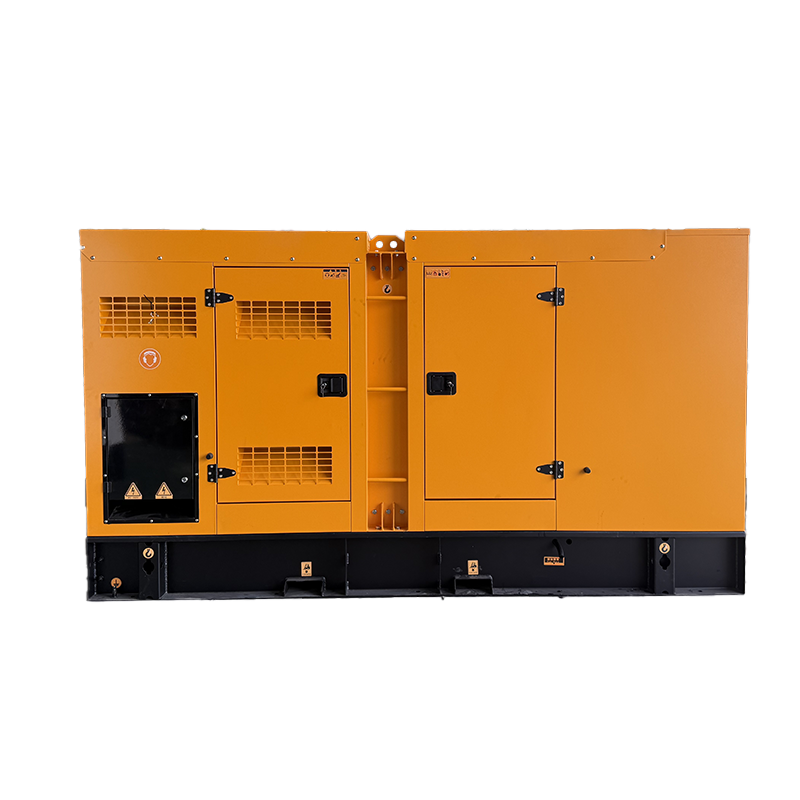
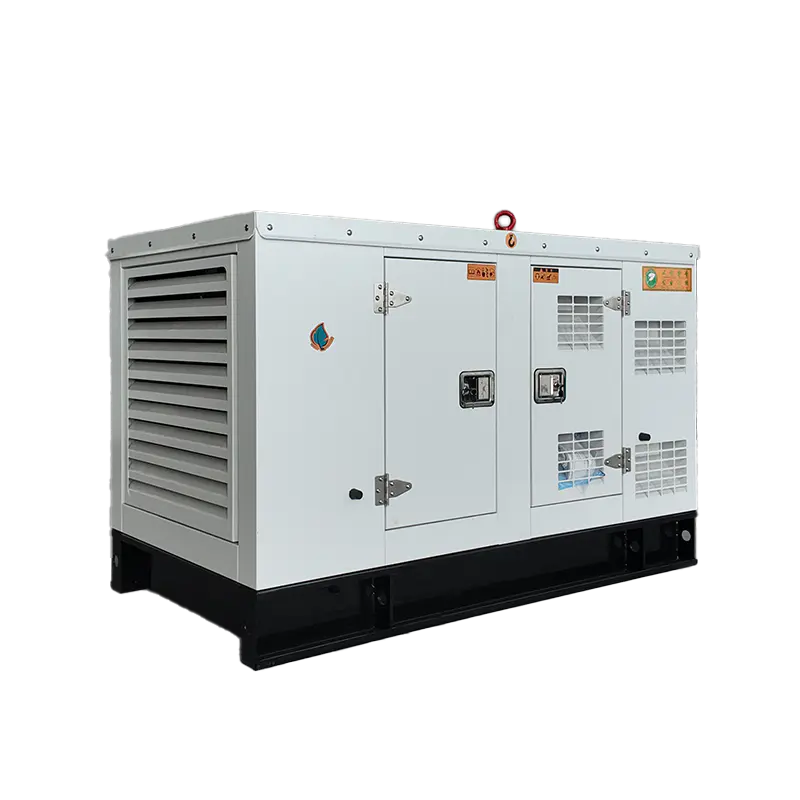
Commercial buildings, medical clinics, and hotels often need backup power, but they also need to keep noise under control. A silent-type diesel generator set uses an acoustic enclosure to reduce noise levels while providing enough capacity for the ATS to handle typical building loads. The enclosure also protects the generator from weather and casual contact, making it a good partner for an ATS in a compact site. For example, our silent-type diesel generator sets are designed to be installed close to occupied spaces while still accepting standard ATS control signals.
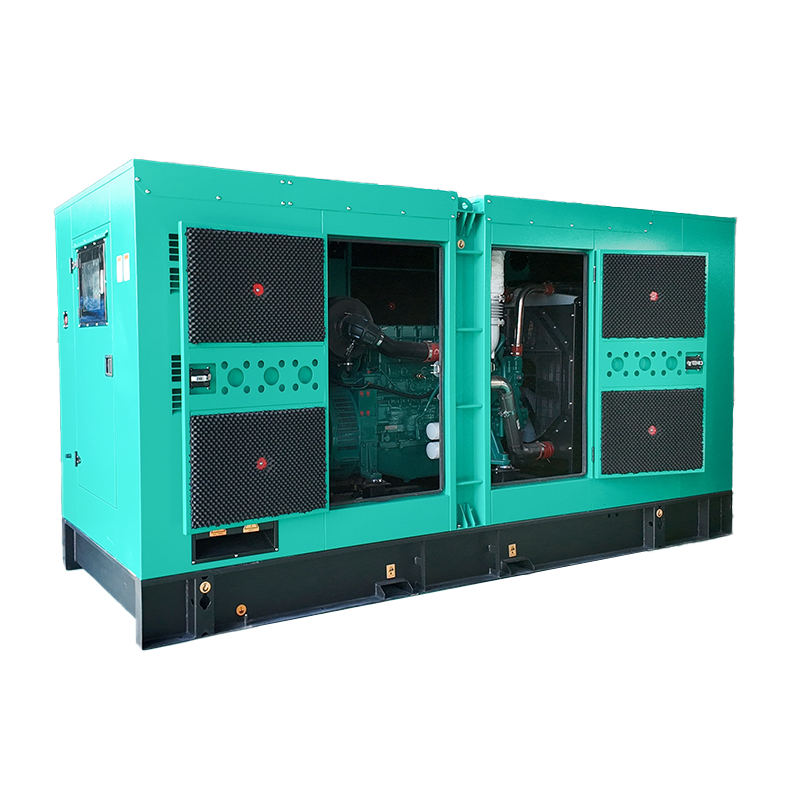 Custom Silent Type Diesel Generator Sets Manufacturers, Suppliers - Jiangsu FordJiangsu Ford Generator Co., Ltd. is China custom Silent Type Diesel Generator Sets manufacturers and suppliers, Compared with the open-ty...View Product →
For Industrial Plants and Maintenance-Focused Facilities
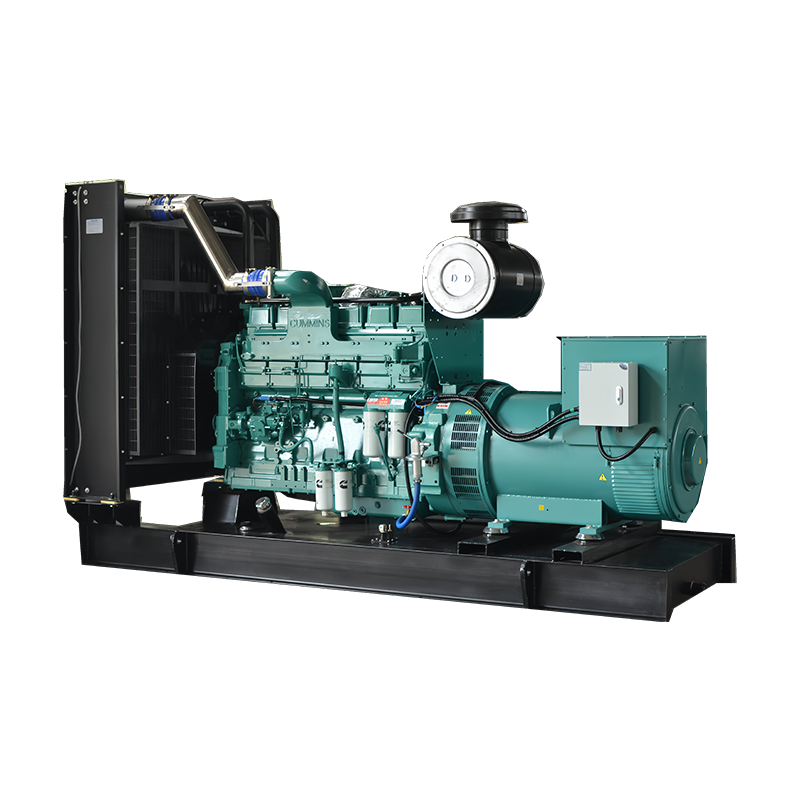
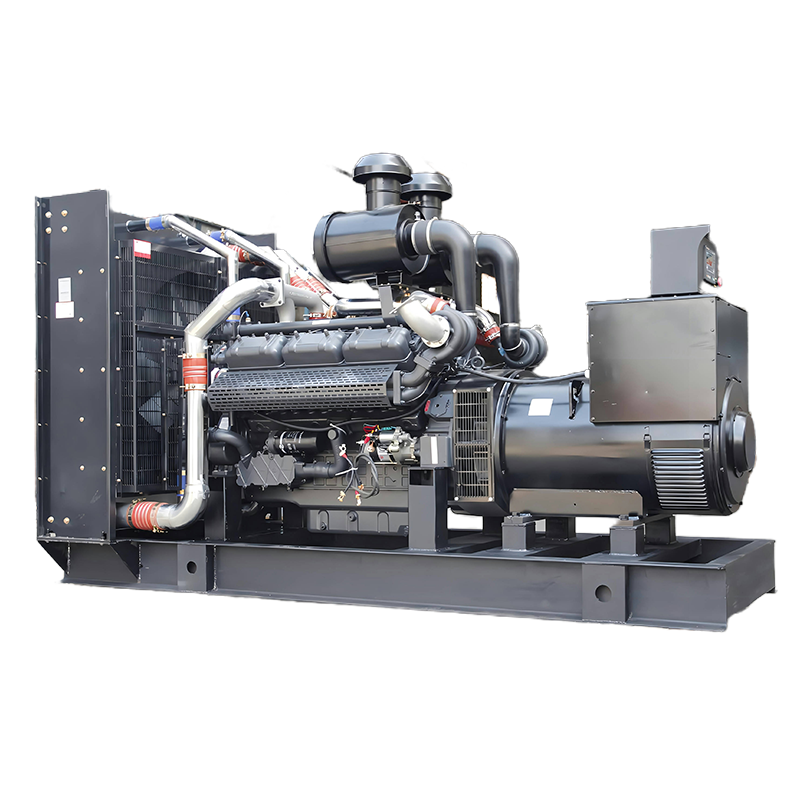
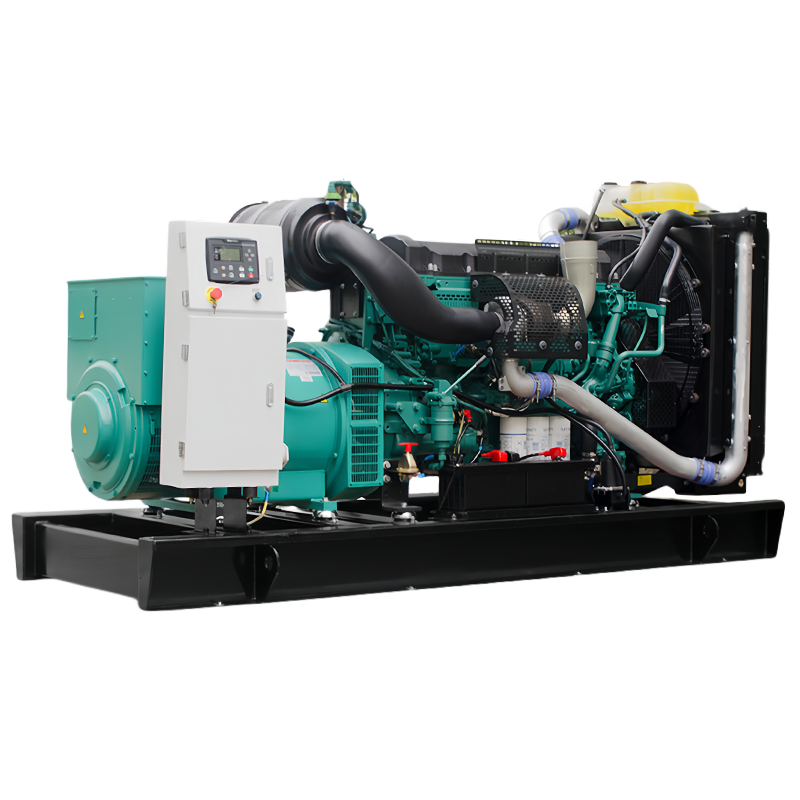
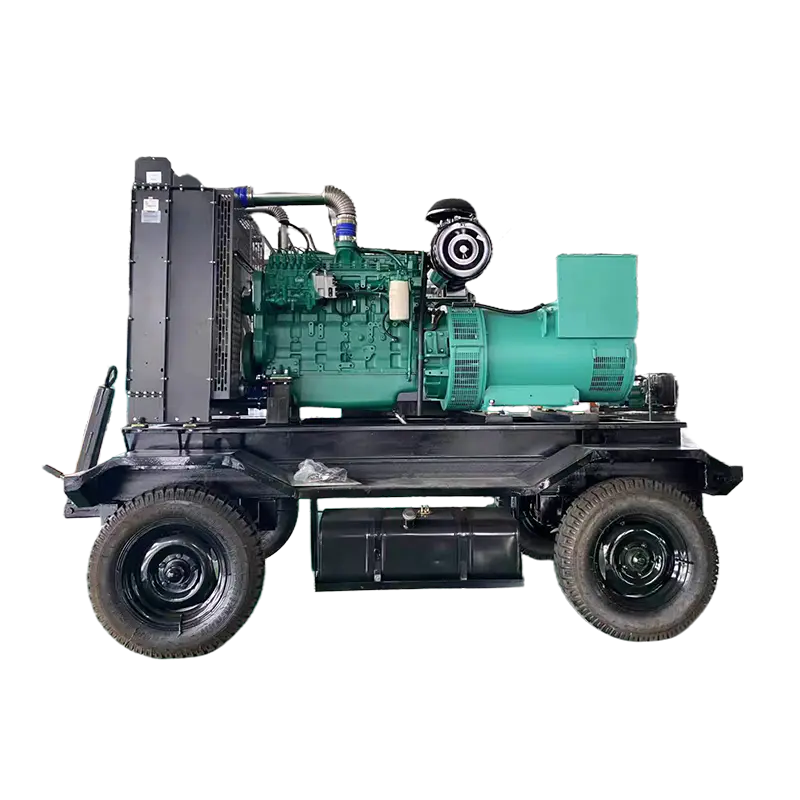
Industrial plants rarely worry about noise, but they care about maintenance access. An open-frame diesel generator set gives mechanics full access to the engine, radiator, and alternator without removing cladding. This is useful when the ATS is placed in an adjacent switchroom and you need to service both pieces of equipment quickly. Open-frame units are also lighter and easier to handle in a dedicated generator room. You can review our open-frame diesel generator sets for details on engine options and control compatibility.
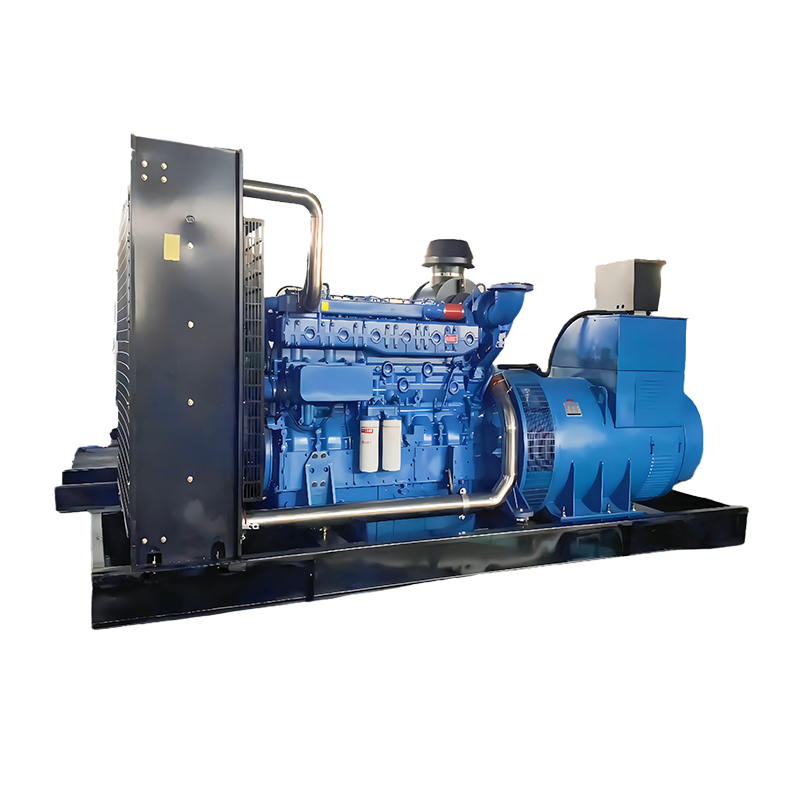 Custom Open Frame Diesel Generator Sets Manufacturers, Suppliers - Jiangsu Ford Jiangsu Ford Generator Co., Ltd. is China custom Open Frame Diesel Generator Sets manufacturers and suppliers, Open-frame generator set...View Product →
For Outdoor Sites with Harsh Weather
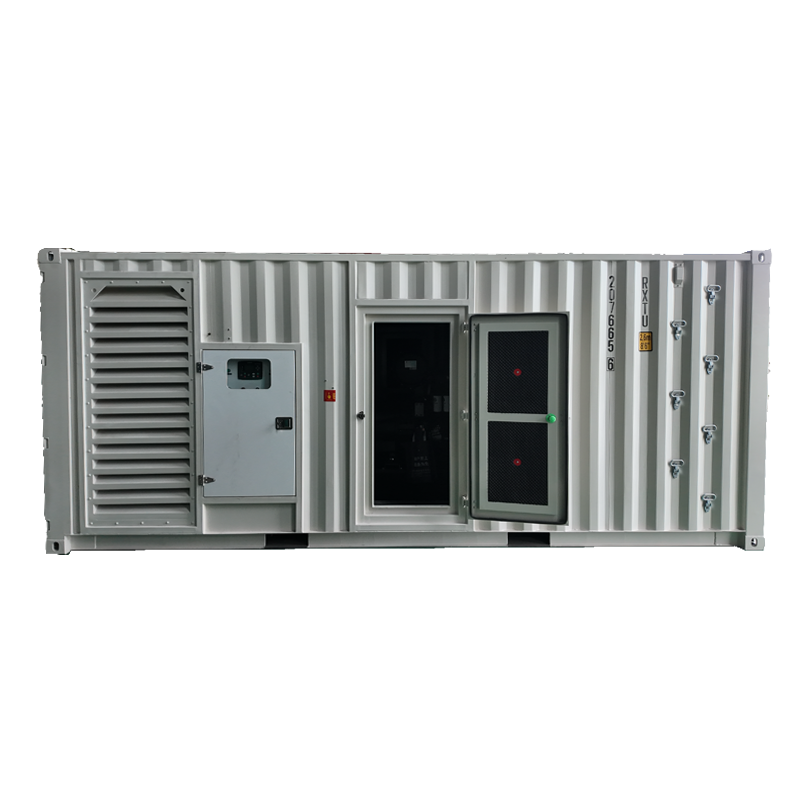
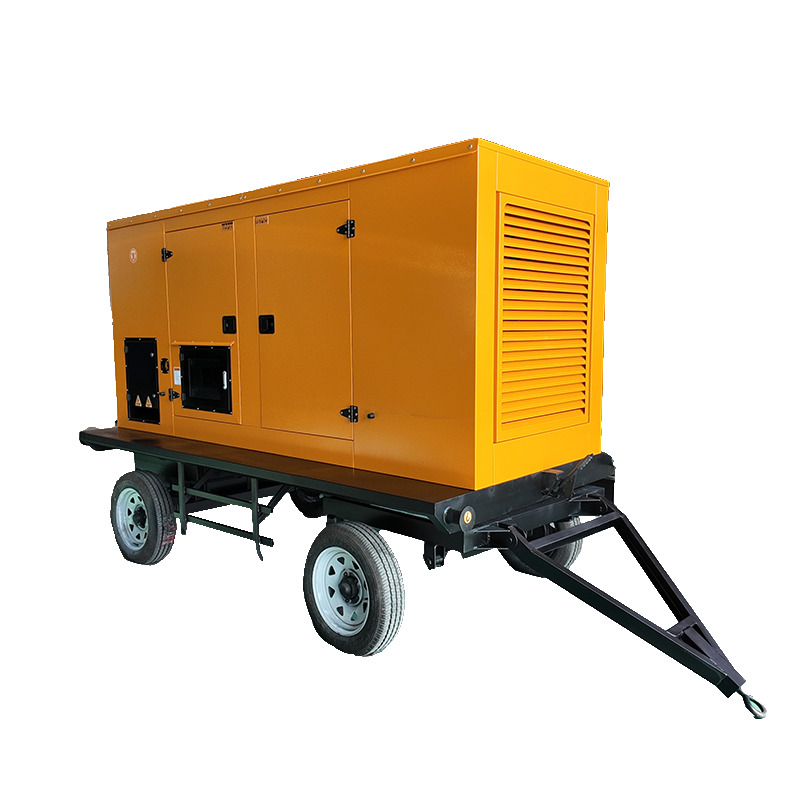
Where the generator must sit outside in rain, snow, or salt-laden air, the enclosure is as important as the alternator. Container-type diesel generator sets are built for such conditions. They provide a weatherproof, lockable housing that can also accommodate additional controls or a small ATS panel. This approach reduces site construction work and keeps the entire backup power package in one unit. Our container-type diesel generator sets are a common choice for remote and exposed installations.
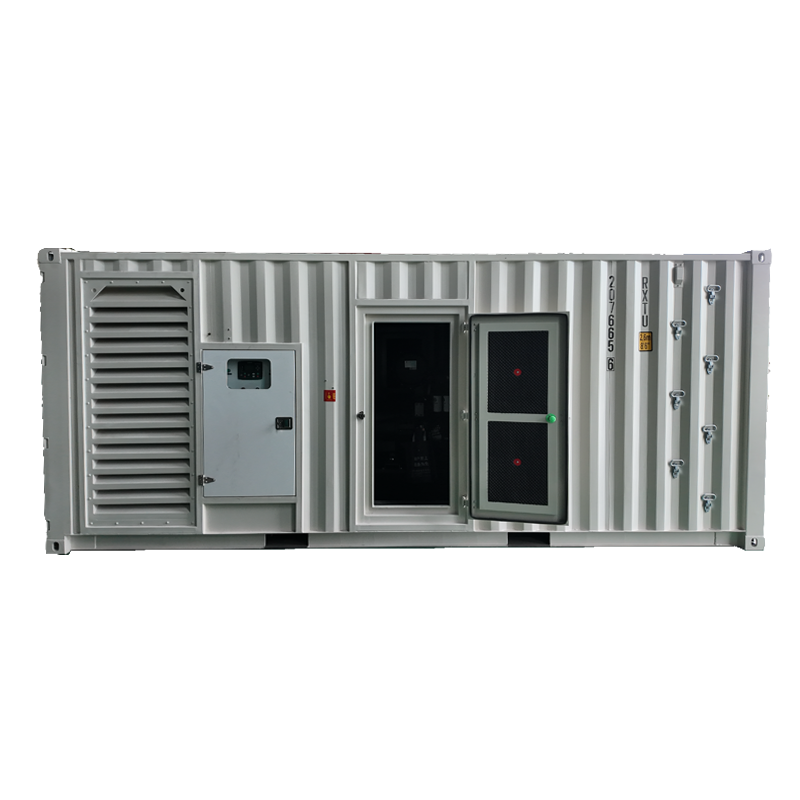 Custom Container Type Diesel Generator Sets Manufacturers, Suppliers - Jiangsu FJiangsu Ford Generator Co., Ltd. is China custom Container Type Diesel Generator Sets manufacturers and suppliers, A containerized genera...View Product →
Choosing an ATS That Fits Your Power System
Selecting an ATS should happen together with generator sizing. You need to know the maximum continuous load and the worst-case starting current. The ATS rating must cover the generator’s output at the exact voltage and phase. For a three-phase system, check the rated current and the number of poles; some circuits also need a switched neutral. Transfer time is another factor. A standard ATS for a diesel generator will typically take 2 to 10 seconds to start the generator and transfer the load. That is fine for lighting, refrigeration, and most industrial machinery. For data centers and medical equipment, you may need a closed transition switch or an uninterruptible power supply ahead of the ATS. You also need to decide how long the generator should run after utility returns before transferring back. This is a user setting on most controllers. If you are calculating generator capacity, our step-by-step guide on how to size a diesel generator covers the key formulas. And if you are still comparing configurations, browsing the main generator set types will show you which enclosure style works with your intended ATS location.
An automatic transfer switch is not a complicated machine, but it performs a critical task. It watches the grid, starts the backup generator, tests the backup source, switches the load, and eventually returns everything to normal. The whole process happens automatically, but it depends on correct settings and compatible equipment. When you plan a standby power system, remember that the ATS and the generator are one system. Choose the transition mode, delay times, and current ratings carefully. If you do that, the next time the grid fails, your facility will keep running smoothly without anyone touching a switch.
Related Products

Related News

-
Xiaoji Town, Jiangdu District, Yangzhou City, Jiangsu Province, China
-
8618944498005
-
+86-18652407919
-
+86-0514-86593686
Copyright © Jiangsu Ford Generator Co., Ltd.
