




 English
 Español
 عربى
عربىThe Complete Guide to Mobile Silent Diesel Generators: Features, Benefits, and Uses
Jun 24, 2026
Content
- 1 What Is a Mobile Silent Diesel Generator?
- 2 How Noise Reduction Technology Works
- 3 Common Applications
- 4 Key Specifications to Evaluate Before Buying
- 5 Typical Size Classes and Use Cases
- 6 Fuel Consumption and Operating Costs
- 7 Maintenance Requirements for Reliable Operation
- 8 Choosing Between Rental and Purchase
What Is a Mobile Silent Diesel Generator?
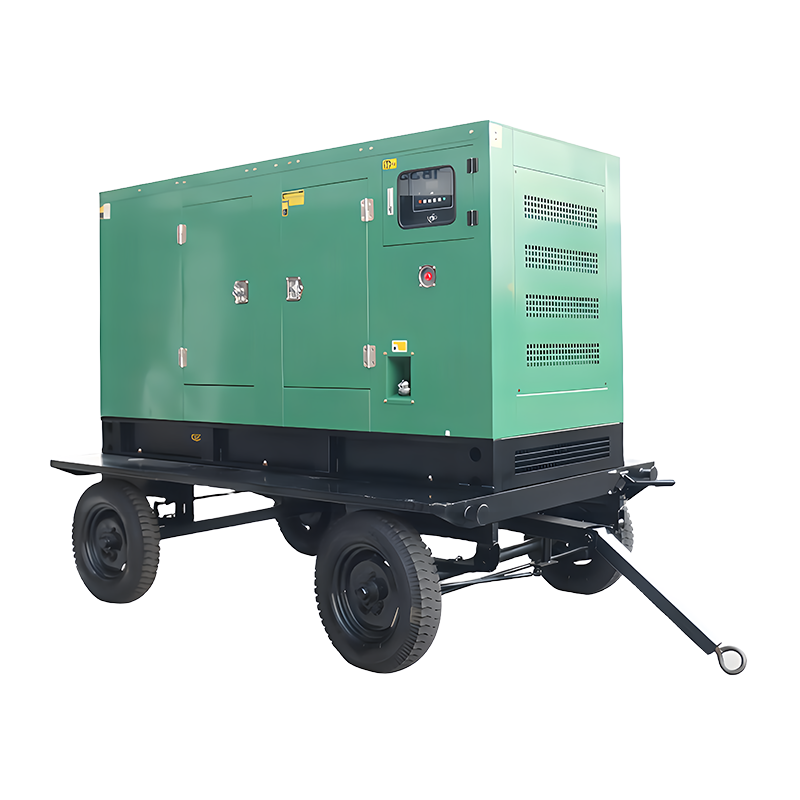
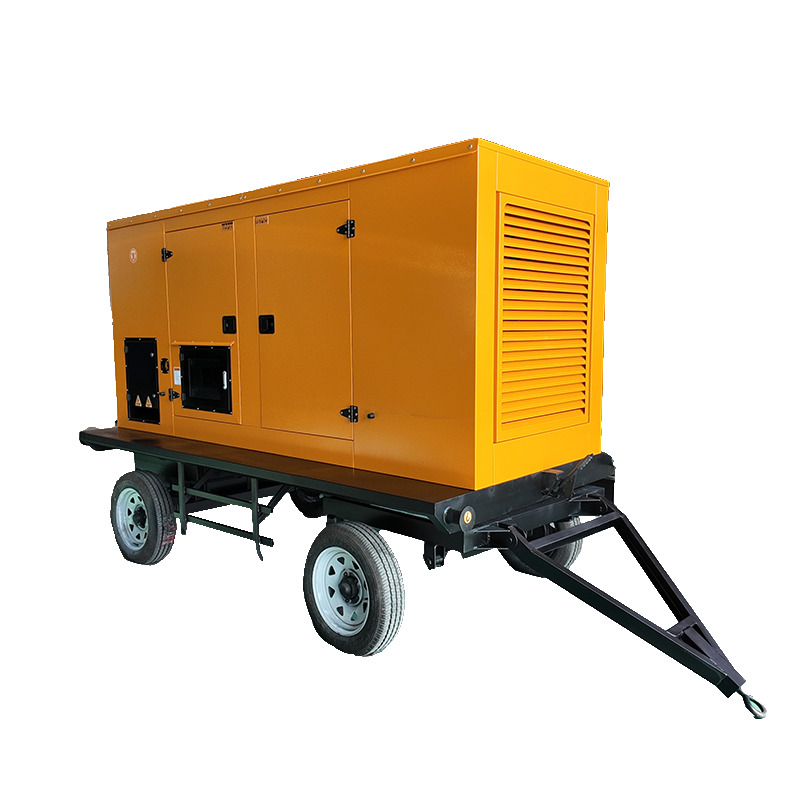
A mobile silent diesel generator is a trailer-mounted or wheel-equipped power unit enclosed in a soundproof canopy that runs on diesel fuel while operating at significantly reduced noise levels compared to an open-frame generator. In short, it delivers reliable, transportable power for job sites, events, and backup applications while keeping noise output typically between 55 and 70 decibels at 7 meters, roughly the loudness of normal conversation rather than a jackhammer.
The "mobile" aspect refers to an integrated chassis with wheels, a tow hitch, or a skid base, allowing the unit to be relocated between sites without a crane or forklift. The "silent" aspect comes from an acoustic enclosure lined with sound-dampening foam, vibration-isolated mounts, and a tuned exhaust muffler that work together to suppress engine and alternator noise.
How Noise Reduction Technology Works
Silent diesel generators do not eliminate noise; they manage and redirect it through several engineered layers.
| Component | Role in Noise Reduction |
|---|---|
| Acoustic enclosure | Contains and absorbs airborne engine noise using foam-lined steel panels |
| Residential-grade muffler | Reduces exhaust noise by up to 20–25 decibels compared to a standard muffler |
| Vibration isolation mounts | Reduces structure-borne noise transmitted through the frame |
| Internal baffled ventilation | Allows cooling airflow while blocking direct sound paths |
A well-designed silent canopy can cut noise output by 20 to 30 decibels compared to an open-frame unit of the same power rating, which is a perceived reduction of roughly 75% in loudness to the human ear.
Common Applications
Mobile silent diesel generators are used wherever consistent power is needed without disturbing nearby people or violating local noise ordinances.
- Construction sites located near residential areas with noise curfews
- Outdoor weddings, concerts, and film production sets requiring quiet backup power
- Hospital and data center backup power during outages
- Telecommunications towers in remote or noise-sensitive locations
- Disaster relief and temporary emergency power deployment
Key Specifications to Evaluate Before Buying
Power Output (kVA/kW Rating)
Mobile silent units commonly range from 10 kVA for small job sites to over 500 kVA for industrial or event-scale power needs. Sizing the generator to roughly 70–80% of your peak load improves fuel efficiency and engine longevity compared to running near maximum capacity continuously.
Noise Rating (dB at 7m)
Check the manufacturer's tested decibel level at a standard 7-meter distance. Premium "super silent" models can reach as low as 52–58 dB(A), suitable for use near hospitals or hotels.
Fuel Tank Capacity and Runtime
Most mobile units carry an integrated base tank sized for 8 to 24 hours of continuous runtime at 75% load, reducing how often refueling crews need to visit the site.
Mobility Configuration
Smaller units use a towable trailer chassis with road lighting and a hitch, while larger industrial units typically use a forklift-pocket skid base for crane or truck transport between sites.
Typical Size Classes and Use Cases
| Power Range | Typical Use Case | Common Noise Level |
|---|---|---|
| 10–30 kVA | Small job sites, food trucks, outdoor events | 55–62 dB(A) |
| 40–100 kVA | Mid-size construction, weddings, retail backup | 60–67 dB(A) |
| 150–300 kVA | Large construction, hospital backup, broadcast events | 65–70 dB(A) |
| 400+ kVA | Industrial sites, large-scale disaster relief | 68–75 dB(A) |
Fuel Consumption and Operating Costs
Diesel generators generally consume 0.3 to 0.4 liters of fuel per kWh produced at 75% load, making fuel cost a major factor in long-term project budgets. For example, a 100 kVA unit running at 75% load for 10 hours a day may consume roughly 200 to 240 liters of diesel daily.
- Estimate average daily load rather than peak load when budgeting fuel costs
- Choose a unit sized close to typical load to avoid the fuel inefficiency of running far below capacity
- Track fuel consumption logs to identify abnormal usage that may signal engine wear
- Consider a unit with auto-start/stop load management for intermittent power needs
Maintenance Requirements for Reliable Operation
Routine maintenance is essential for a mobile generator that may be relocated frequently and exposed to dust, vibration, and weather.
- Change engine oil and filters every 250 to 500 operating hours, depending on engine model
- Inspect and clean air filters regularly on dusty job sites
- Check coolant and fuel lines for leaks after each relocation
- Run the unit under load periodically if used only for standby backup, to prevent fuel degradation issues
- Inspect acoustic enclosure seals and foam panels annually, since worn seals reduce noise suppression performance
Generators left idle for long standby periods without periodic load testing are significantly more likely to fail when actually needed, due to fuel degradation and battery drain.
Choosing Between Rental and Purchase
For short-term projects, events, or infrequent backup needs, renting a mobile silent diesel generator usually makes more financial sense than buying. For continuous or recurring power needs — such as ongoing construction phases, critical facility backup, or permanent remote operations — outright purchase typically pays off within 12 to 24 months of regular use compared to cumulative rental costs.
Businesses needing more than 60 days of generator use per year generally reach breakeven on purchase costs faster than continuing to rent, making ownership the more cost-effective long-term choice in those cases.
Related Products
Related News

-
Xiaoji Town, Jiangdu District, Yangzhou City, Jiangsu Province, China
-
8618944498005
-
+86-18652407919
-
+86-0514-86593686
Copyright © Jiangsu Ford Generator Co., Ltd.
