




 English
 Español
 عربى
عربىContainer Type Diesel Generator: The Ultimate Guide to High-Capacity Power Solutions
Jun 10, 2026
Content
- 1 What Is a Container Type Diesel Generator and When Should You Choose One?
- 2 Container Type vs Open-Frame vs Canopy Diesel Generator: Key Differences
- 3 Standard Container Sizes and What Power Ratings Fit Inside
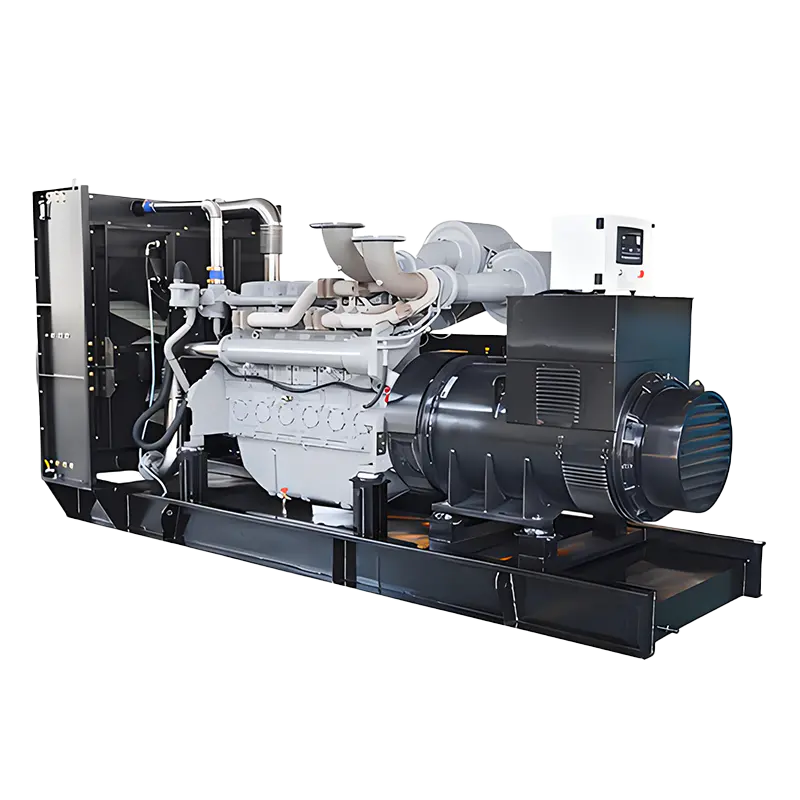
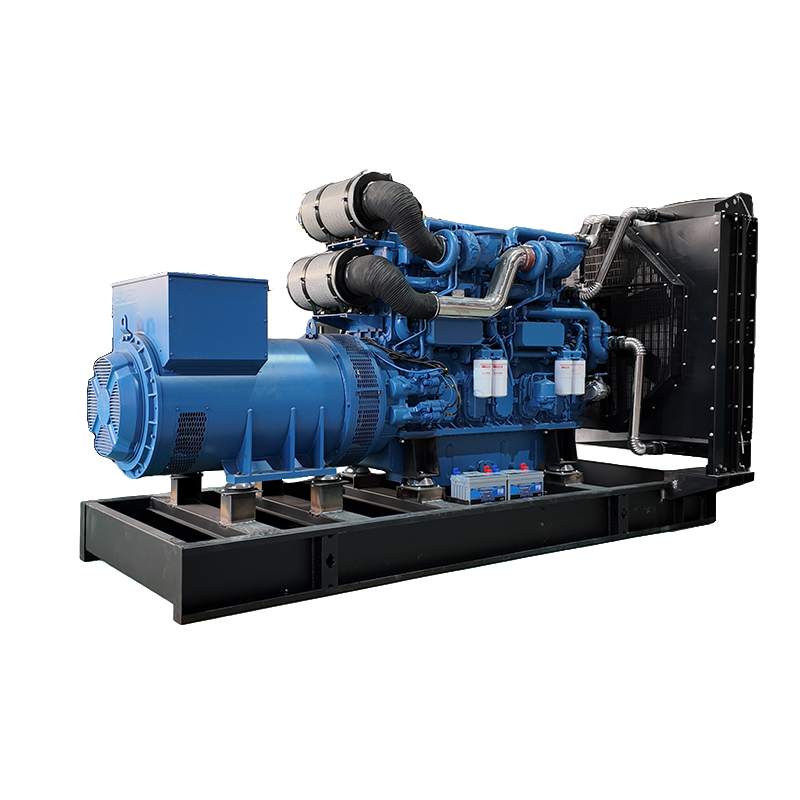
- 4 Core Components Inside a Container Type Diesel Generator
- 5 Primary Applications Where Container Type Diesel Generators Excel
- 6 Fuel Consumption and Runtime: What to Realistically Expect
- 7 Installation Requirements for a Container Type Diesel Generator
- 8 Maintenance Schedule for Container Type Diesel Generators
- 9 How to Specify and Procure a Container Type Diesel Generator
What Is a Container Type Diesel Generator and When Should You Choose One?
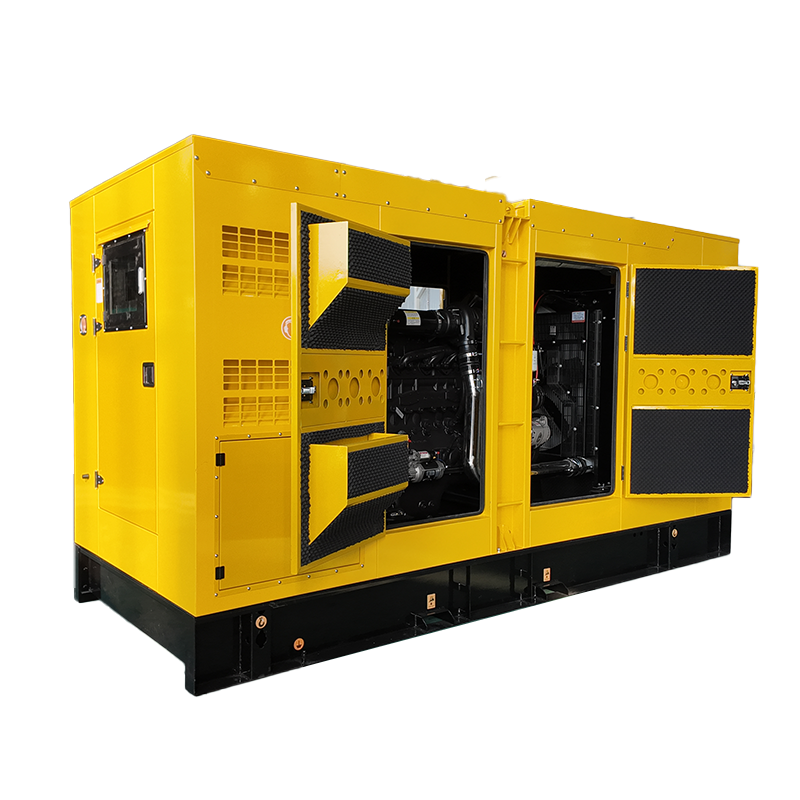
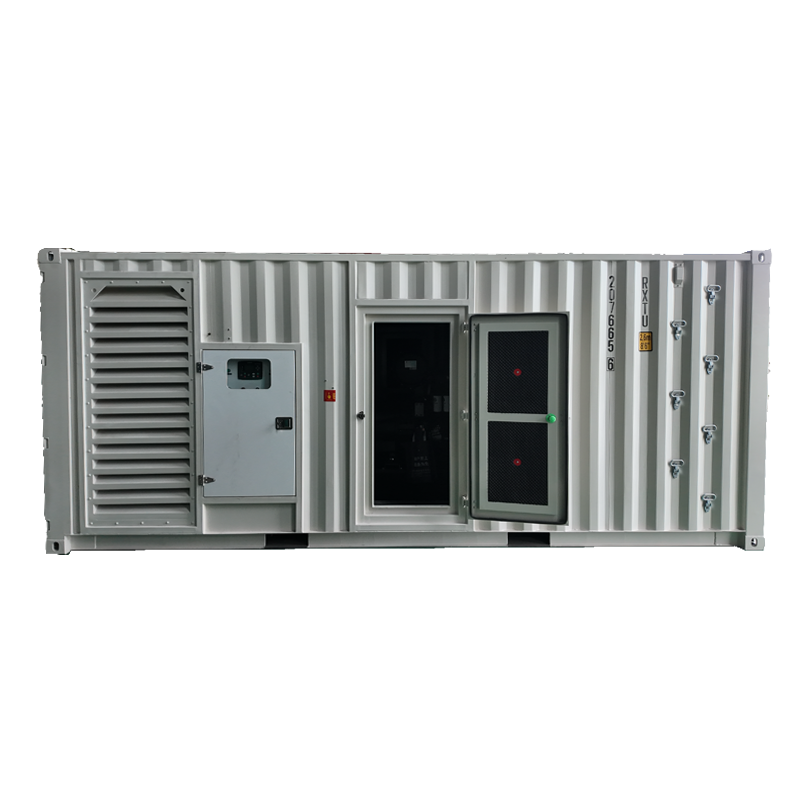
A container type diesel generator is a self-contained power generation unit housed inside a modified ISO shipping container, combining the diesel engine, alternator, control system, fuel tank, exhaust, cooling, and soundproofing into a single weatherproof enclosure. It is the right choice when you need a high-capacity, rapidly deployable, and site-independent power source — particularly for remote worksites, disaster relief operations, temporary industrial facilities, or locations where permanent generator buildings are impractical or too costly to construct.
Compared to open-frame or canopy-type diesel generators, container type units offer substantially better environmental protection, noise attenuation, security, and transport flexibility. They cost more upfront — typically 20–40% more per kW of installed capacity than equivalent open-frame units — but this premium is quickly offset by savings on civil works, site preparation, and enclosure construction that would otherwise be required.
Container Type vs Open-Frame vs Canopy Diesel Generator: Key Differences
Understanding how container type diesel generators differ from other configurations helps you make the right procurement decision for your application and budget.
| Feature | Container Type | Canopy Type | Open Frame |
|---|---|---|---|
| Weather Protection | Excellent (IP54–IP65) | Good (IP23–IP44) | None — indoor only |
| Noise Level (at 7 m) | 65–75 dB(A) | 70–85 dB(A) | 85–105 dB(A) |
| Power Range | 100 kW – 3,000+ kW | 5 kW – 500 kW | 1 kW – 2,000 kW |
| Transportability | Excellent — ISO standard | Moderate | Good (if skid-mounted) |
| Security | High (lockable steel) | Moderate | Low |
| Civil Works Required | Minimal (flat pad only) | Moderate | Significant (building needed) |
| Relative Unit Cost | Highest | Moderate | Lowest |
Standard Container Sizes and What Power Ratings Fit Inside
Container type diesel generators are built into ISO-standard 20-foot (20 ft) or 40-foot (40 ft) containers, with high-cube (HC) variants providing an extra 30 cm of internal height. The container size determines the maximum engine and alternator dimensions that can be accommodated, which in turn sets the practical power ceiling for each configuration.
| Container Size | External Dimensions (L×W×H) | Typical Power Range | Common Applications |
|---|---|---|---|
| 20 ft Standard | 6.06 m × 2.44 m × 2.59 m | 100 kW – 500 kW | Telecom towers, small industrial sites |
| 20 ft High Cube | 6.06 m × 2.44 m × 2.89 m | 200 kW – 800 kW | Data centers, hospitals, construction |
| 40 ft Standard | 12.19 m × 2.44 m × 2.59 m | 500 kW – 1,500 kW | Mining, oil & gas, large events |
| 40 ft High Cube | 12.19 m × 2.44 m × 2.89 m | 1,000 kW – 3,000+ kW | Power plants, military bases, ports |
For requirements exceeding 3,000 kW from a single unit, parallel operation of multiple container generators — linked via synchronization panels — is the standard industry approach rather than attempting to build a single ultra-large unit. Parallel sets of 2–6 container generators are commonly deployed for peak-demand data centers and temporary power plants supplying small towns or industrial estates.
Core Components Inside a Container Type Diesel Generator
A well-engineered container generator integrates multiple systems that must function reliably together. Understanding each component helps you evaluate supplier specifications and maintenance requirements more accurately.
Diesel Engine
The engine is the prime mover. Tier 1 manufacturers whose engines appear most frequently in container generators include Perkins, Cummins, MTU, Volvo Penta, Deutz, and Doosan. Engine selection impacts fuel consumption, emissions compliance (EPA Tier 4, EU Stage V, or equivalent), maintenance intervals, and parts availability globally. For remote deployments, parts availability and local service network coverage should rank equally with performance specifications when selecting an engine brand.
Alternator
The alternator converts mechanical energy from the engine into electrical output. Leading alternator brands include Stamford (Cummins), Leroy Somer, Marathon, and Mecc Alte. Key specifications include voltage regulation (typically ±1% with AVR), insulation class (Class H at 180°C is standard for industrial units), and IP rating. The alternator's IP rating should match or exceed the container's rated IP protection level.
Control Panel and AMF/ATS System
Modern container generators are equipped with microprocessor-based control panels (DSE, ComAp, or Deepsea Electronics are industry standards) that manage auto-start, load monitoring, fault protection, and remote SCADA connectivity. An Automatic Mains Failure (AMF) and Automatic Transfer Switch (ATS) system ensures the generator starts and assumes load within 10–30 seconds of a mains power failure — a critical feature for hospitals, data centers, and emergency services.
Integrated Fuel Tank and Day Tank
Container generators typically include a base-mounted sub-base fuel tank with capacity ranging from 500 to 5,000 liters, sized to provide 8–24 hours of full-load runtime without refueling. Larger deployments use a separate bulk storage tank with an automated fuel transfer pump system. Double-skin (bunded) tanks are mandatory in most jurisdictions for environmental spill containment.
Acoustic Insulation and Ventilation
Container walls are lined with acoustic foam or mineral wool panels to achieve sound attenuation of 20–35 dB(A) compared to an open-frame equivalent. Engineered ventilation louvers with baffles allow airflow for cooling while maintaining acoustic performance. A properly designed container generator operating at 1,000 kW should not exceed 75 dB(A) at 7 meters — within most industrial noise ordinances.
Primary Applications Where Container Type Diesel Generators Excel
Container type diesel generators are not a universal solution — they are specifically optimized for scenarios where mobility, self-containment, and rapid deployment matter as much as raw power output.
- Mining and resource extraction: Remote mine sites in Australia, Africa, and Latin America routinely use 500 kW–2,000 kW containerized generator sets as primary or backup power. The ISO container format allows delivery by standard flat-bed truck, eliminating the need for purpose-built generator buildings in harsh, temporary environments.
- Data center backup power: Hyperscale data centers use banks of container generators — often 10–20 units operating in parallel — to provide N+1 or 2N redundancy for critical IT loads. The modular container format allows incremental capacity expansion as data center load grows.
- Oil and gas upstream operations: Offshore platforms, drilling rigs, and pipeline compressor stations use container generators rated for Zone 2 hazardous areas, with spark-arresting exhaust systems and explosion-proof electrical components.
- Military and humanitarian operations: NATO and UN field operations use standardized container generators because they integrate with existing ISO container logistics chains — the same cranes, trucks, and ships that move other supplies can move the power supply.
- Temporary grid support and peak shaving: Utilities in developing markets deploy container generator farms as rapid-response peaking plants, bringing MW-scale capacity online within days rather than the years required for permanent plant construction.
- Large-scale events and film productions: Stadium concerts, international sporting events, and major film productions requiring 500 kW+ of reliable temporary power use container generators because they can be positioned precisely on-site and removed completely after the event.
Fuel Consumption and Runtime: What to Realistically Expect
Diesel fuel consumption is one of the largest ongoing costs for any generator deployment. Container type generators do not consume significantly more fuel than equivalent open-frame units — the container adds weight but does not affect engine thermodynamics. Typical diesel consumption figures at various load levels are as follows:
| Generator Rating | Fuel Use at 50% Load (L/hr) | Fuel Use at 75% Load (L/hr) | Fuel Use at 100% Load (L/hr) |
|---|---|---|---|
| 200 kW | ~27 L/hr | ~38 L/hr | ~52 L/hr |
| 500 kW | ~65 L/hr | ~95 L/hr | ~130 L/hr |
| 1,000 kW | ~130 L/hr | ~190 L/hr | ~260 L/hr |
| 2,000 kW | ~255 L/hr | ~375 L/hr | ~510 L/hr |
Operating generators at 70–80% of rated load is the industry-recommended sweet spot for fuel efficiency and engine longevity. Running below 30% load ("light loading") causes wet stacking — incomplete fuel combustion that deposits carbon on injectors and exhaust systems — and should be avoided for extended periods. If your average load is consistently below 40% of rated capacity, you are likely over-specified and should consider a smaller generator rating.
Installation Requirements for a Container Type Diesel Generator
One of the primary advantages of container generators is minimal site preparation. However, "minimal" does not mean "none." Correct installation is critical to safe operation and long service life.
- Foundation / concrete pad: The container requires a level, load-bearing concrete pad. A typical 40 ft container generator weighing 20,000–35,000 kg needs a pad of at least 150–200 mm reinforced concrete. Ground bearing capacity must exceed the unit's distributed weight; soft or unstable ground requires ground improvement or piled foundations.
- Clearance zones: Maintain a minimum of 1.0–1.5 m clearance on all sides for maintenance access and ventilation. The exhaust outlet side requires a minimum 3 m clear zone to prevent exhaust recirculation into air intakes. Do not position the exhaust outlet facing prevailing wind or building air intakes.
- Electrical connection: Qualified electricians must size and install the main cable from the generator output terminals to the load distribution panel or ATS. Cable sizing must account for voltage drop over distance — for runs exceeding 50 m, consult the generator manufacturer's cable sizing tables.
- Earthing and bonding: Container generators must be properly earthed per local electrical codes (IEC 60364 or equivalent). The container body itself must be bonded to the earth electrode system. Poor earthing is a leading cause of electrical faults and personnel safety incidents.
- Fuel supply connection: If connecting to a bulk fuel tank, use armored fuel hose or rigid steel pipework. Install fuel shut-off valves at both the tank and generator fuel inlet. All external fuel lines should be double-skinned or routed within a bunded containment channel.
- Exhaust routing: Most container generators have internally routed exhaust systems terminating at a side or rear outlet. If additional exhaust routing is required (e.g., to avoid a nearby structure), use flexible bellows connectors at the generator outlet to isolate vibration before rigid pipework.
Maintenance Schedule for Container Type Diesel Generators
Container generators are designed for reliability in demanding environments, but reliable performance depends entirely on adherence to a structured maintenance program. Neglected generators — even those with very low run-hours — fail at critical moments because diesel, coolant, and lubricants degrade over time regardless of use.
Routine Maintenance Intervals
- Weekly (standby units): Run under load for a minimum of 30 minutes. Check coolant level, oil level, fuel level, and battery charge. Inspect for leaks and unusual noise.
- Every 250 run-hours or 6 months: Change engine oil and oil filter. Check and clean air filters. Inspect belts and hoses. Test coolant concentration with a refractometer (freeze protection to −35°C is standard in temperate climates).
- Every 500 run-hours or annually: Replace fuel filters (primary and secondary). Check and adjust valve clearances. Inspect injectors for spray pattern. Load-bank test to 100% rated output for minimum 2 hours.
- Every 1,000–2,000 run-hours: Replace coolant. Flush cooling system. Inspect alternator windings, brushes (if applicable), and bearing condition. Check and re-torque all electrical connections.
- Every 4,000–8,000 run-hours (major overhaul): Rebuild or replace injectors. Inspect and replace piston rings, liners, and bearings as required. Overhaul turbocharger. This interval varies significantly by engine brand and operating conditions.
Diesel fuel stored in bulk tanks for more than 6–12 months should be tested for microbial contamination and treated with a biocide if necessary. Contaminated fuel is responsible for approximately 70% of diesel generator failures in standby applications, according to industry service data from major generator manufacturers.
How to Specify and Procure a Container Type Diesel Generator
Buying the wrong generator — undersized, over-specified, or poorly matched to site conditions — is a costly mistake. Use the following specification checklist to structure your enquiry to suppliers and ensure accurate quotations.
- Define your prime power vs standby rating requirement. Prime power ratings apply when the generator is the primary power source; standby ratings apply to emergency backup use. Standby ratings are typically 10% higher than prime — do not use standby-rated generators as primary power sources continuously.
- Specify altitude and ambient temperature. Diesel engines and alternators derate at high altitude (approximately 3% per 300 m above sea level) and high ambient temperatures. A generator rated 500 kW at sea level may only deliver 420 kW at 1,500 m altitude in a 45°C environment. Always provide site conditions to suppliers and request derated output confirmation.
- Specify emissions compliance requirements. Confirm which emissions standard applies at your site — EPA Tier 4 Final (USA), EU Stage V (Europe), or local equivalent. Non-compliant generators may be refused importation or operating permits.
- Request acoustic data at rated load. Specify your maximum permissible noise level at a defined distance (e.g., 75 dB(A) at 7 m). Ask for third-party test certificates, not just manufacturer claims.
- Confirm warranty and service coverage. Standard container generator warranties are 12–24 months or 1,000–2,000 run-hours (whichever comes first). For remote deployments, negotiate an extended warranty that includes on-site service response time commitments from a local authorized service center.
- Verify container certification. Confirm the container structure holds a valid CSC (Container Safety Convention) certificate if it will be shipped via sea freight. CSC certification is mandatory for international container transport and confirms structural integrity under stacking loads.
Related Products
Related News

-
Xiaoji Town, Jiangdu District, Yangzhou City, Jiangsu Province, China
-
8618944498005
-
+86-18652407919
-
+86-0514-86593686
Copyright © Jiangsu Ford Generator Co., Ltd.
