




 English
 Español
 عربى
عربىWhy Generator Sets Are Essential for Ensuring Business Continuity During Power Outages
Dec 03, 2025
Content
- 1 What Are Generator Sets?
- 2 Ensuring Business Continuity in Critical Operations
- 3 Minimizing Financial Losses
- 4 Protecting Sensitive Data and Equipment
- 5 Enhancing Operational Flexibility and Remote Operations
- 6 Compliance with Regulations and Standards
- 7 Scalability and Adaptability for Growing Businesses
- 8 Environmental Considerations and Fuel-Efficiency
Power outages can occur without warning, and when they do, businesses often face significant disruptions. From lost productivity to the potential loss of data, power interruptions can have serious consequences for operations. This is where generator sets—reliable, efficient, and often indispensable power solutions—come into play. Whether for small businesses or large enterprises, having a generator set on standby can be the difference between smooth operations and costly downtime.
What Are Generator Sets?
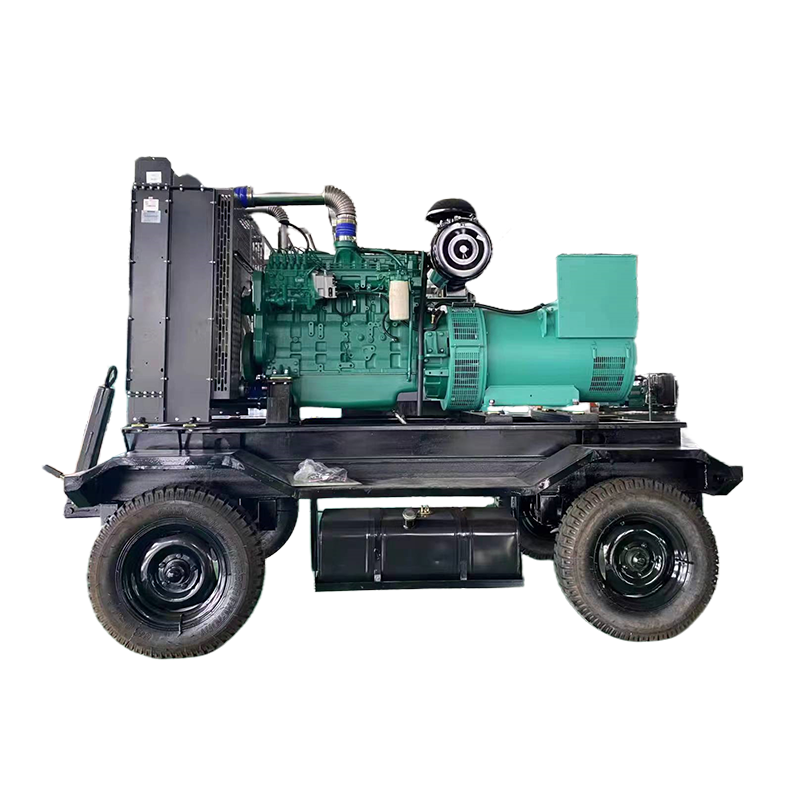
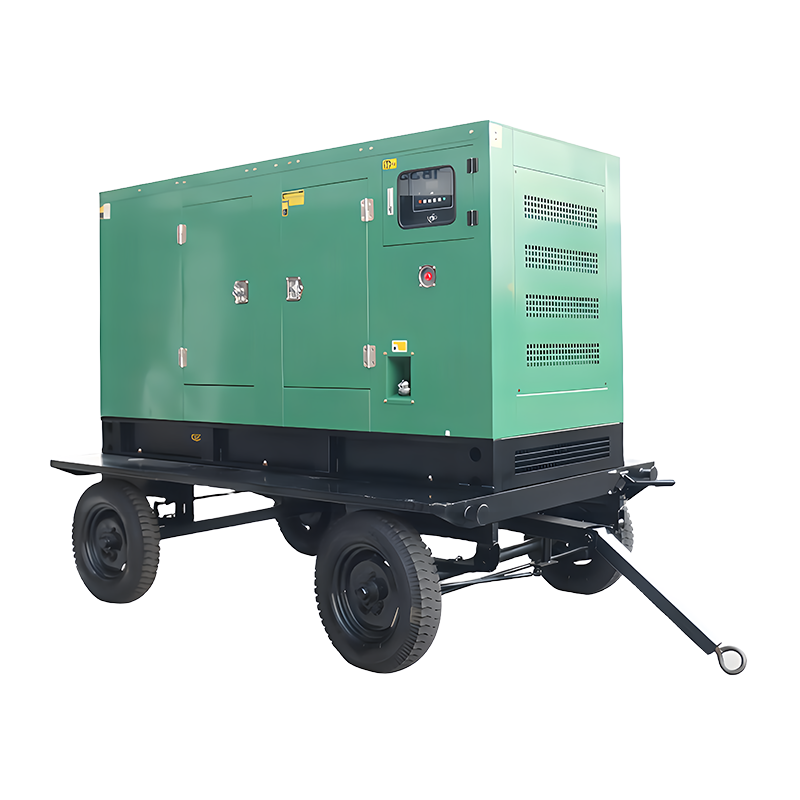
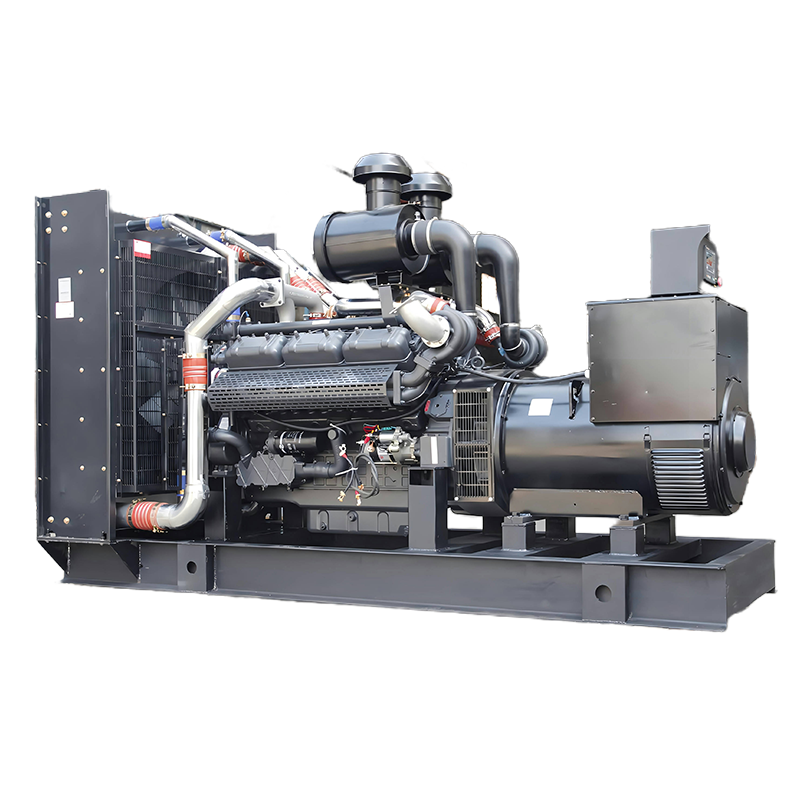
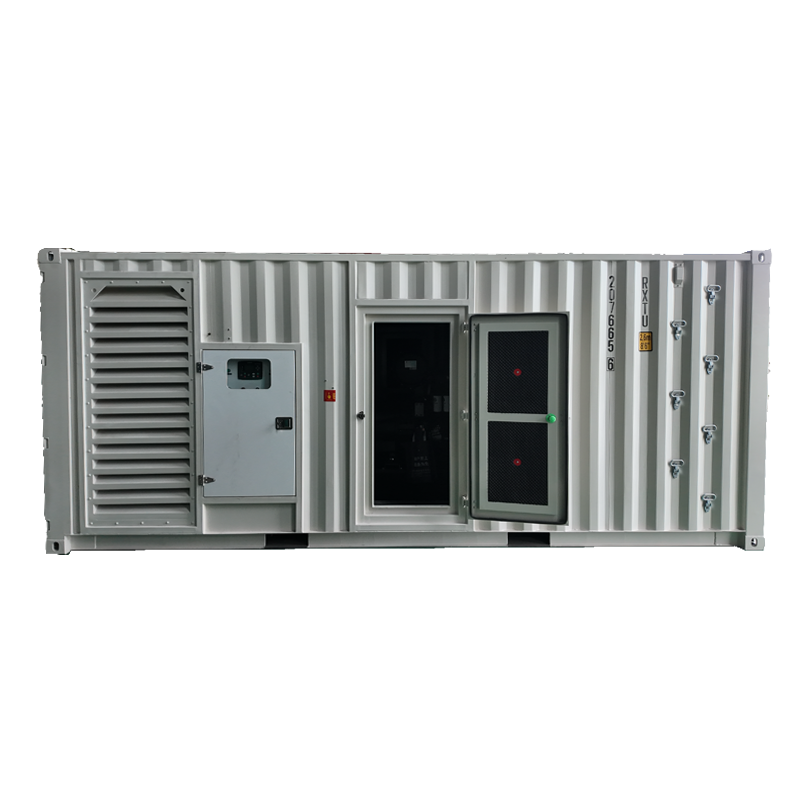
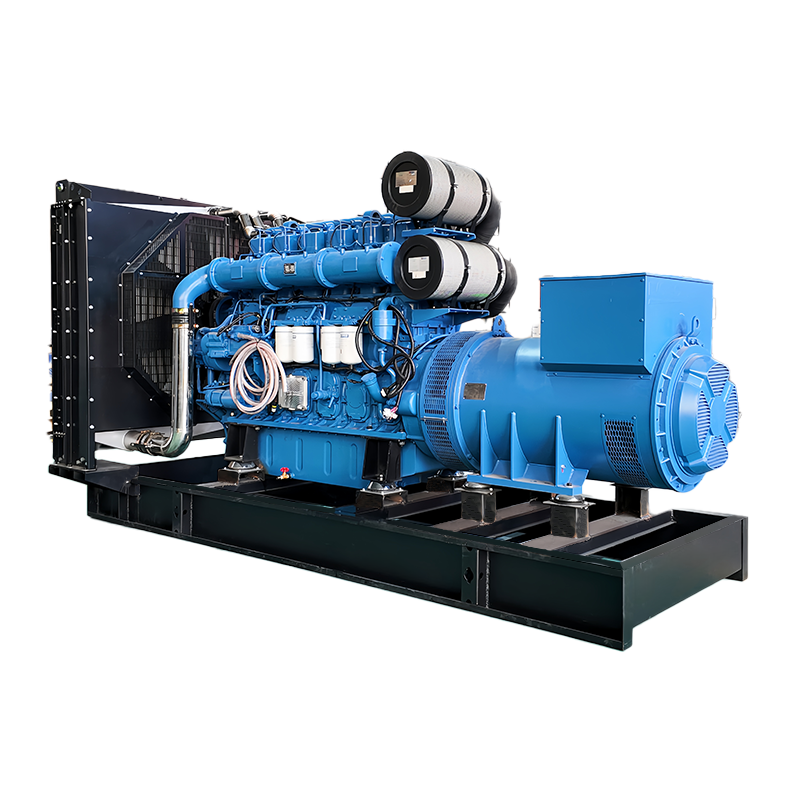
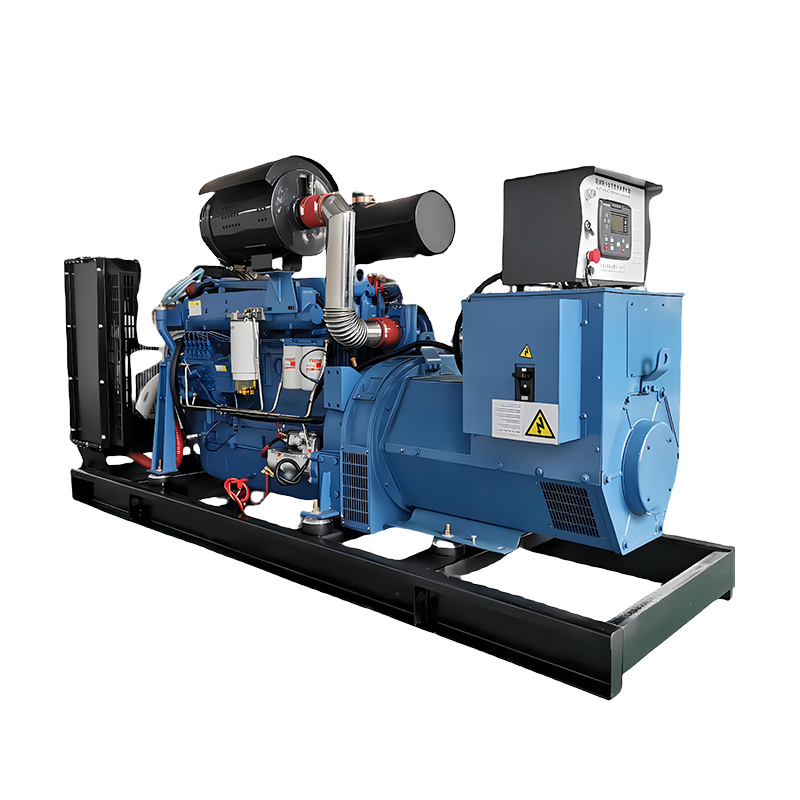
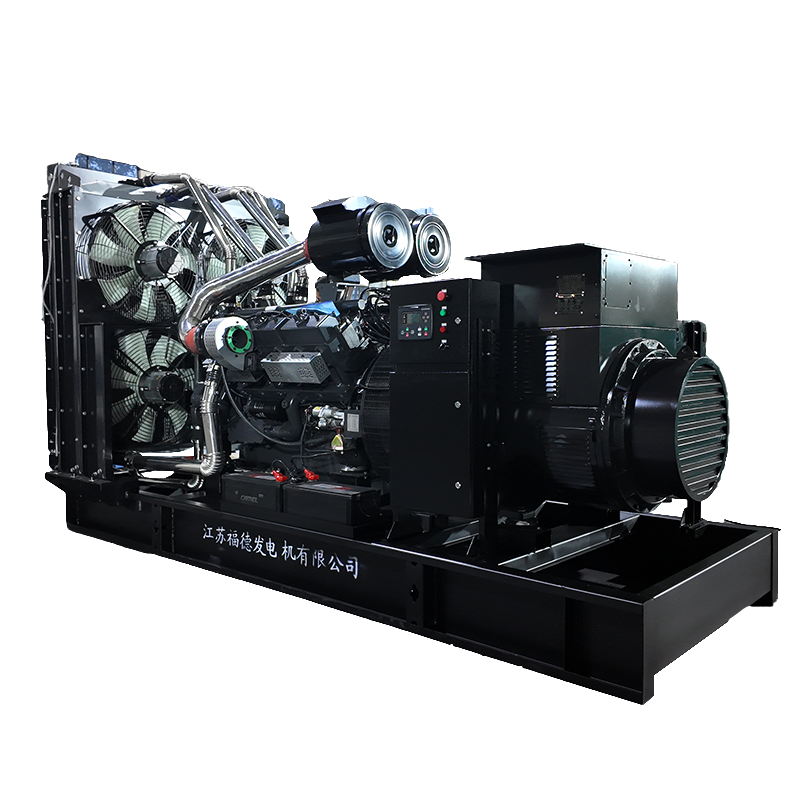
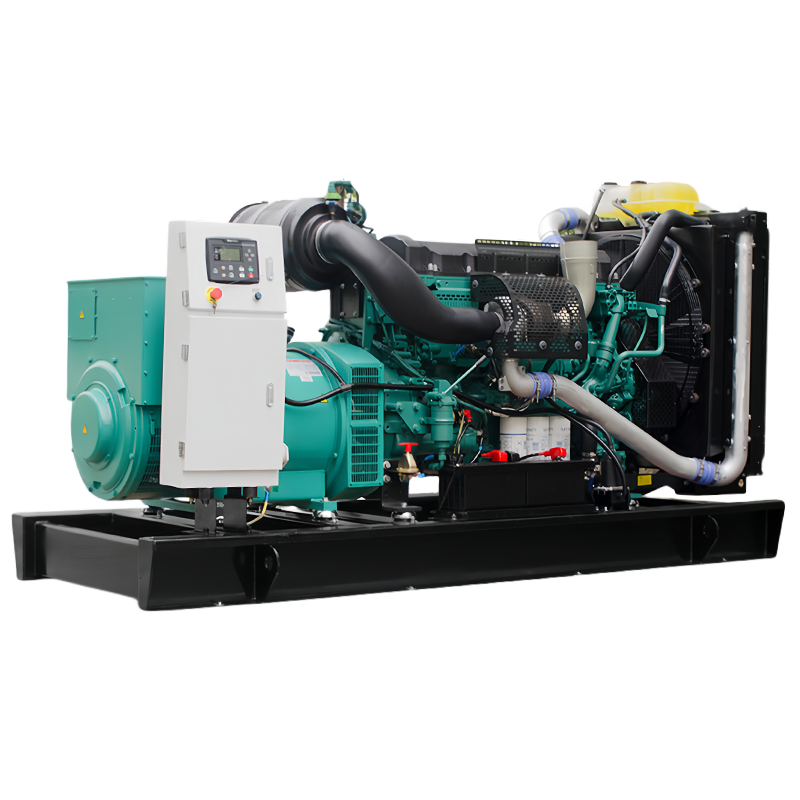
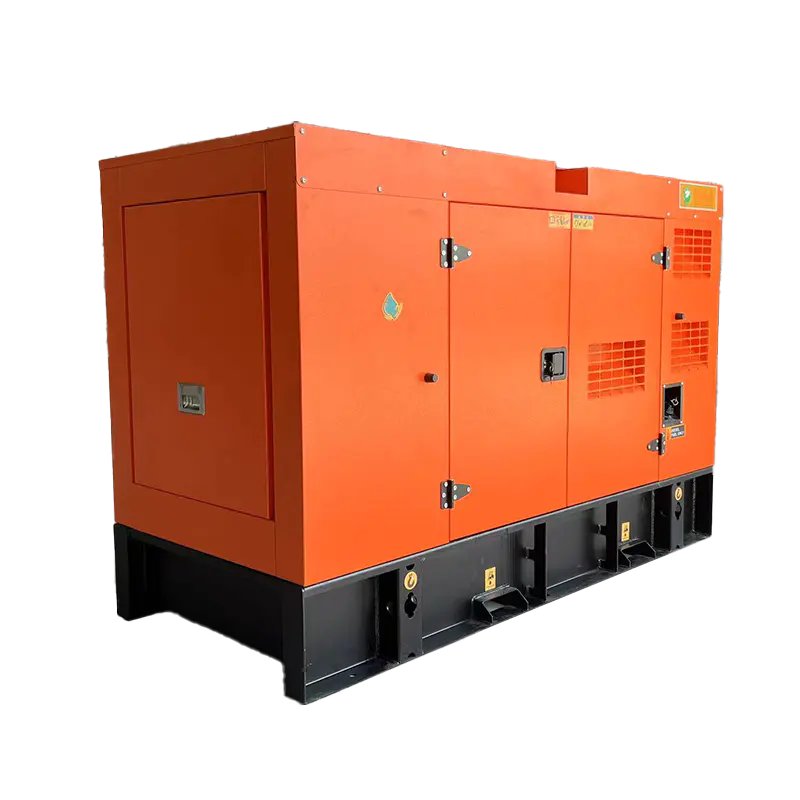
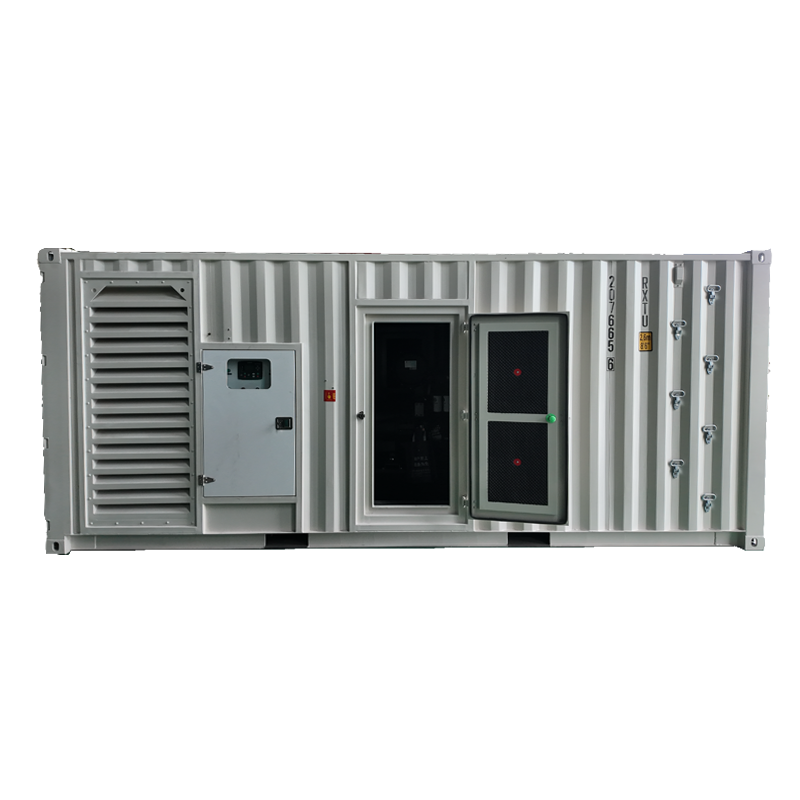
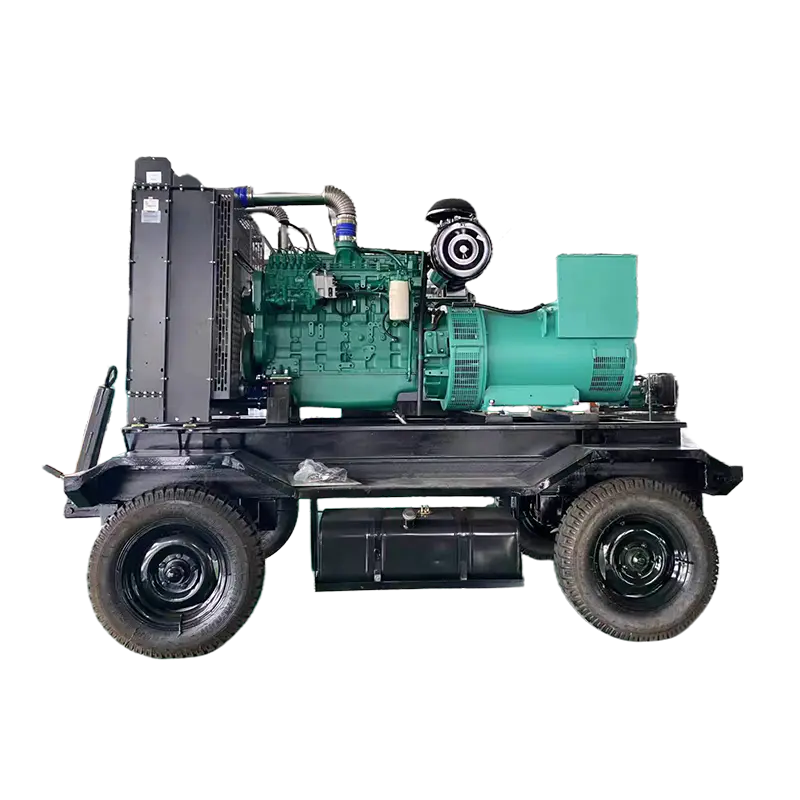
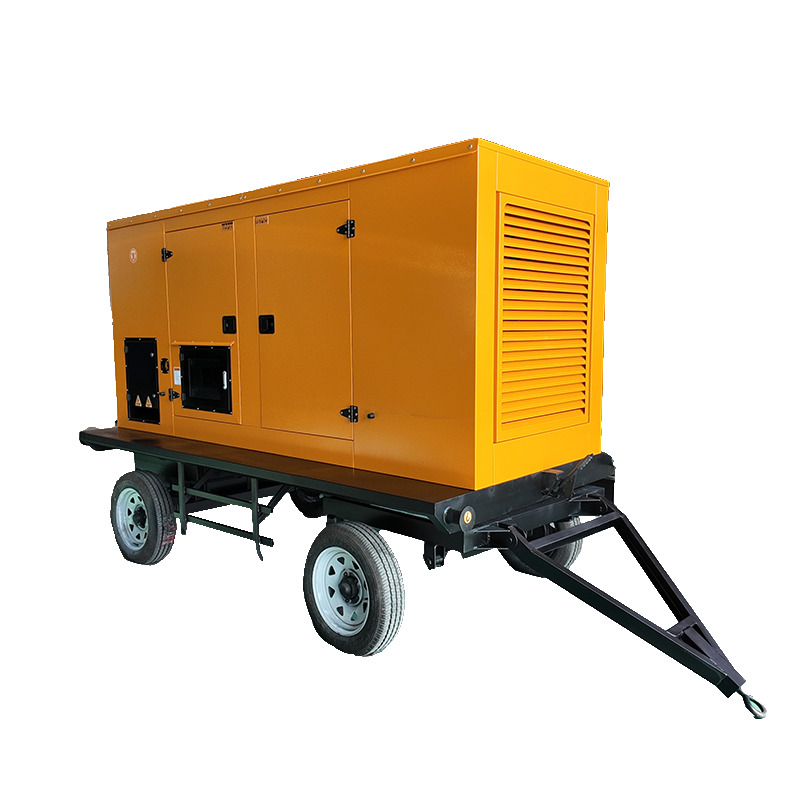
A generator set (often referred to as a genset) is a combination of an engine and an alternator (or generator) designed to produce electricity. Generator sets are available in various sizes, from portable units for small applications to large industrial generators capable of powering entire facilities. These sets typically run on diesel, natural gas, or gasoline, though hybrid and renewable energy solutions are gaining popularity.
By providing backup power during an outage, generator sets allow businesses to continue operating without interruption, protecting vital processes and minimizing losses.
Ensuring Business Continuity in Critical Operations
For many businesses, power outages can halt operations completely. In industries like healthcare, data centers, finance, and manufacturing, downtime is not only inconvenient—it can be catastrophic. This is where generator sets become crucial. They provide a temporary but reliable power supply when the grid fails, allowing businesses to continue their essential activities without skipping a beat.
Healthcare Sector: Hospitals, clinics, and other healthcare facilities rely on constant power for life-saving equipment, refrigeration for medications, and communication systems. A generator set ensures that these operations can continue smoothly, even during power disruptions.
Data Centers and IT Operations: Data centers host critical data and applications for businesses, and any downtime can lead to loss of data, revenue, or customer trust. With generator sets in place, these centers can remain operational during power outages, ensuring the integrity and availability of services.
Manufacturing and Industrial Facilities: In manufacturing plants, even brief power interruptions can cause machinery to stop, potentially leading to production delays, equipment damage, or loss of raw materials. Generator sets can maintain operations, ensuring that production lines stay running and costly downtime is avoided.
Minimizing Financial Losses
The financial impact of a power outage can be significant. For small businesses, the loss of revenue during a power interruption may be enough to put them at risk of financial instability. Larger businesses may face even more substantial losses due to halted production, missed opportunities, and delayed customer service.
Retail and Hospitality: For retail businesses and hospitality establishments, power outages can lead to lost sales and a poor customer experience. Without electricity, stores can’t process transactions, kitchens can’t operate, and customers can’t shop or stay at hotels. Generator sets provide backup power, allowing businesses to serve customers and maintain revenue even during a grid failure.
Manufacturing and Supply Chain Disruptions: In manufacturing, power outages can cause expensive interruptions in the production schedule. Similarly, logistics operations can be delayed, resulting in inventory shortages and longer lead times. A generator set allows for the continuation of these critical operations, reducing the financial toll of such disruptions.
Protecting Sensitive Data and Equipment
Many businesses, particularly in tech-driven industries, rely on sensitive data and critical infrastructure that cannot afford to be compromised. Power outages can cause data loss, system corruption, or even physical damage to equipment. Generator sets are key in maintaining business continuity by preventing these risks.
Data Integrity: In industries like finance, technology, and research, power loss can lead to the corruption of valuable data. Generator sets provide the necessary backup to allow for proper system shutdowns, data protection measures, and backup power for IT infrastructure, preventing data loss.
Equipment Protection: Computers, servers, and other equipment can be damaged or harmed during a power surge or sudden outage. Generator sets can mitigate this risk by ensuring that electrical equipment remains powered, preventing hardware failure or the need for costly repairs.
Enhancing Operational Flexibility and Remote Operations
For businesses operating in remote areas or places with unreliable power infrastructure, generator sets offer flexibility and independence from the grid. This ensures that they are not dependent on local power sources and can operate without interruptions.
Remote Locations: Businesses that operate in remote or off-grid locations, such as oil rigs, construction sites, or agricultural facilities, often rely on generator sets to power operations. This allows them to function in areas where connecting to the grid is not feasible, ensuring that operations continue uninterrupted.
Business Continuity for Distributed Workforces: With the rise of remote work and distributed teams, businesses are increasingly relying on backup power systems to keep operations running smoothly. Generator sets can support remote offices and home-based employees in case of power outages, ensuring business continuity no matter where the team is located.
Compliance with Regulations and Standards
In some industries, business continuity during power outages is not just a matter of convenience—it’s a legal requirement. For example, industries such as healthcare, finance, and food services often have strict regulatory requirements for backup power to protect the safety of the public, clients, and staff.
Healthcare Compliance: Hospitals and medical centers must comply with health and safety regulations that require reliable backup power sources for critical equipment like ventilators, oxygen machines, and emergency lighting. Generator sets ensure that these facilities remain operational even when the main power supply is interrupted.
Food Safety Standards: Food processing and storage facilities are required to maintain certain temperatures for perishable goods. Power outages can lead to food spoilage, which could violate health regulations. A generator set provides the backup power needed to maintain proper temperature control and ensure compliance with food safety standards.
Scalability and Adaptability for Growing Businesses
As a business grows, its power needs often increase as well. Generator sets offer scalability, allowing businesses to upgrade or expand their backup power capabilities in line with their operational growth. Modern generator sets can be scaled up or down to accommodate the increasing demand for power, whether through additional generators or more powerful units.
Flexible Power Solutions: Whether your business is expanding, opening new locations, or increasing production output, generator sets can be adapted to meet changing energy requirements. This flexibility ensures that businesses are not left without backup power during growth phases, avoiding costly setbacks during power disruptions.
Environmental Considerations and Fuel-Efficiency
Many businesses today are conscious of their environmental footprint and are seeking more sustainable solutions. While traditional generator sets often run on diesel or gasoline, advancements in technology are making it easier for businesses to select more environmentally friendly options. Some modern generator sets run on natural gas, and others are designed with fuel efficiency in mind to minimize emissions and fuel consumption during power interruptions.
Green Alternatives: Solar-powered or hybrid generator sets are becoming more popular for businesses seeking to reduce their reliance on fossil fuels. These systems combine renewable energy sources with traditional backup power, reducing carbon emissions while ensuring reliable backup energy during outages.
Fuel Efficiency: Advances in fuel-efficient generator technology allow businesses to operate with lower fuel consumption, reducing operational costs and minimizing environmental impact during power interruptions.
Related Products
Related News

-
Xiaoji Town, Jiangdu District, Yangzhou City, Jiangsu Province, China
-
8618944498005
-
+86-18652407919
-
+86-0514-86593686
Copyright © Jiangsu Ford Generator Co., Ltd.
