




 English
 Español
 عربى
عربىHow Often Should a Diesel Generator Be Serviced? Schedules for Standby & Silent Type Units
Aug 05, 2026
Content
- 1 How Often a Diesel Generator Should Be Serviced: The Direct Answer
- 2 The Full Diesel Generator Maintenance Schedule by Interval
- 3 Five Factors That Change Your Service Interval
- 4 What Is a Silent Type Diesel Generator?
- 5 How a Silent Type Canopy Reduces Noise: The Engineering Inside
- 6 Silent Type Generator Noise Classification: What the dB Ratings Mean
- 7 Silent Type vs. Open Frame: Which Generator Type Should You Choose?
- 8 Servicing a Silent Type Diesel Generator: What Changes Compared to Open Frame
- 9 Signs Your Diesel Generator Needs Servicing Sooner Than Scheduled
How Often a Diesel Generator Should Be Serviced: The Direct Answer
Most diesel generators should be professionally serviced every 6 to 12 months, or every 250 to 500 operating hours — whichever comes first. That interval is not a single fixed rule but a starting point that changes depending on how the generator is used, what load it carries, and the environment it operates in. A hospital standby unit and a construction-site prime power generator may share the same engine family but require completely different service schedules.
The practical breakdown by use type is:
- Standby / backup generators: Professional service every 6 to 12 months, or after 250 to 500 running hours, whichever comes first. Even if the unit has barely run, calendar-based servicing is essential because oil, coolant, batteries, and fuel degrade over time regardless of use.
- Prime power generators: Service every 250 to 400 running hours. These units accumulate hours quickly and require more frequent attention to oil, filters, and injectors.
- Continuously or heavily loaded generators: Service every 200 to 250 hours. High load accelerates wear across every major component, particularly oil shear and filter contamination.
A real-world example illustrates why this matters: at a manufacturing plant in Zhejiang, two identical 500 kW diesel generators ran on different duty cycles. Both received the same annual oil change. The prime-duty unit, running 10 hours daily during peak-shaving months, missed its 250-hour oil service interval twice. Within six months, it threw a low-oil-pressure alarm — oil had sheared and the filter was clogged. The standby unit was unaffected. The problem was not the generator's quality; it was a service schedule that ignored actual operating hours.
The Full Diesel Generator Maintenance Schedule by Interval
Generator maintenance runs on two clocks simultaneously: engine operating hours for machines that work regularly, and calendar time for machines that wait in standby. A well-structured schedule addresses both. The table below consolidates the standard maintenance tiers aligned with manufacturer guidelines and NFPA 110 requirements for emergency generators.
| Interval | Key Tasks | Who Performs |
|---|---|---|
| Weekly / Bi-weekly | Visual inspection; check oil, coolant, and fuel levels; inspect for leaks; check warning lights; run under light load for 30 minutes (NFPA 110 requirement) | Facility staff |
| Monthly | Inspect battery charger operation; check belts and hoses; clean air filter; verify coolant concentration; inspect exhaust system for leaks or blockages | Facility staff / technician |
| 250 hours / 6 months | Oil and oil filter change; air filter replacement; inspect fuel system; check and clean battery terminals; inspect vibration mounts | Qualified technician |
| 500 hours / 12 months | Fuel filter replacement; coolant flush and refill; inspect injectors; check alternator output; load bank test if 30% load not consistently achieved monthly | Qualified technician |
| 1,000 hours / 24 months | Inspect and service injectors; full cooling system inspection; check turbocharger; inspect drive belts and tensioners; full electrical system check | Specialist engineer |
| 2,000 hours / Major service | Full engine inspection; valve clearance check; overhaul planning assessment; comprehensive load bank test; emissions compliance check | Specialist engineer |
Note that break-in oil changes are typically required at 25 to 60 hours for new generators before transitioning to the standard 250-hour interval. Always confirm this with the manufacturer datasheet for your specific model.
Five Factors That Change Your Service Interval
The 250–500 hour or 6–12 month guideline is a baseline, not a ceiling. Several real-world conditions can push that interval significantly shorter without any fault in the generator itself.
Load Level
A generator running at 80–100% of rated load ages its oil and engine components faster than one running at 50–60%. High load accelerates oil oxidation, filter contamination, and wear on bearings and injectors, which is why heavily loaded or continuously running generators require service every 200 to 250 hours rather than the standard 500.
Operating Environment
Dust, high humidity, and extreme temperatures shorten service intervals noticeably. Generators on construction sites, in coastal environments, or in hot and dusty climates may need air filter inspections and changes twice as frequently as identical units in clean, temperature-controlled rooms. In environments where airborne particulates are high, the air filter can reach maximum contamination well before the 250-hour oil interval expires.
Fuel Quality
Diesel fuel stored for extended periods degrades and can support microbial growth. Contaminated fuel causes injector fouling, fuel filter clogging, and combustion problems that accelerate engine wear. Generators used infrequently with fuel that sits in the tank for more than six months should have fuel quality checks and potential polishing or replacement as part of every service — regardless of operating hours.
Wet Stacking Risk
Wet stacking occurs when a diesel generator runs for extended periods at very low load (typically below 30% of rated capacity). Unburned fuel accumulates in the exhaust system, causing carbon deposits, reduced efficiency, and potential damage. Standby generators that are only exercised weekly at light load are vulnerable. Running the generator under actual load — or performing periodic load bank testing — prevents wet stacking and is why NFPA 110 requires monthly load tests of at least 30 minutes at minimum 30% rated load for Level 1 emergency power systems.
Application Criticality
A generator supporting a hospital, data centre, or water treatment facility operates under different risk tolerance than one providing occasional backup for a small office. Critical infrastructure applications typically demand shorter service intervals, more detailed inspection checklists, and full load bank testing annually — not because the generator is any different, but because the cost of failure is orders of magnitude higher.
What Is a Silent Type Diesel Generator?
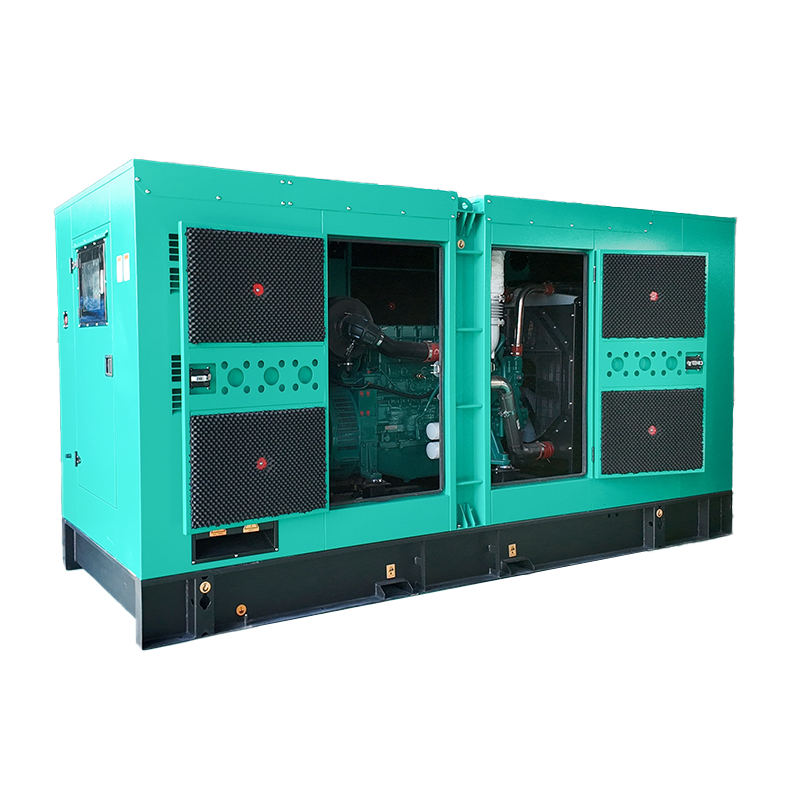
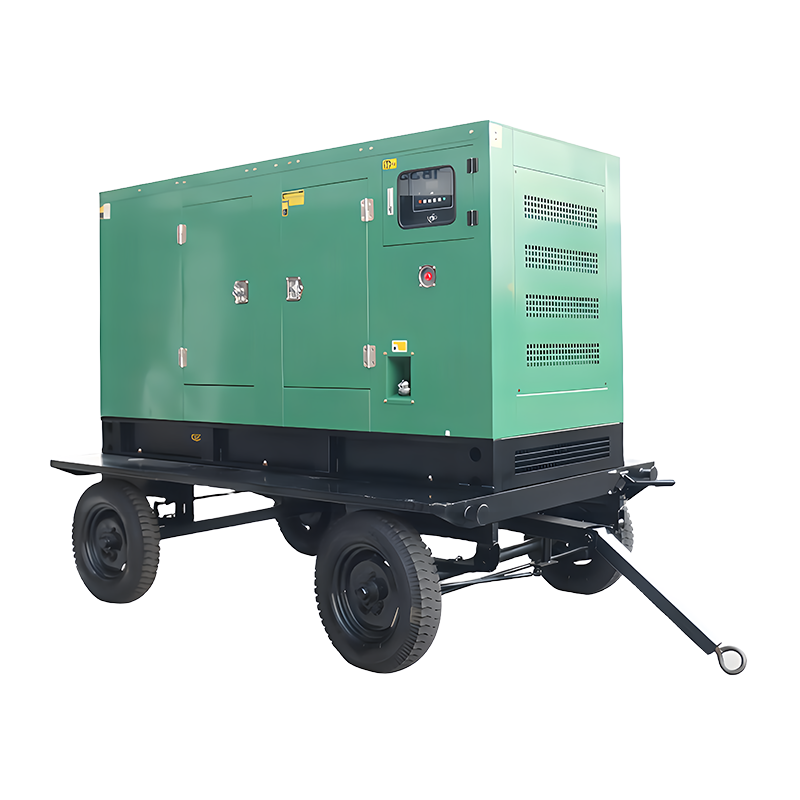
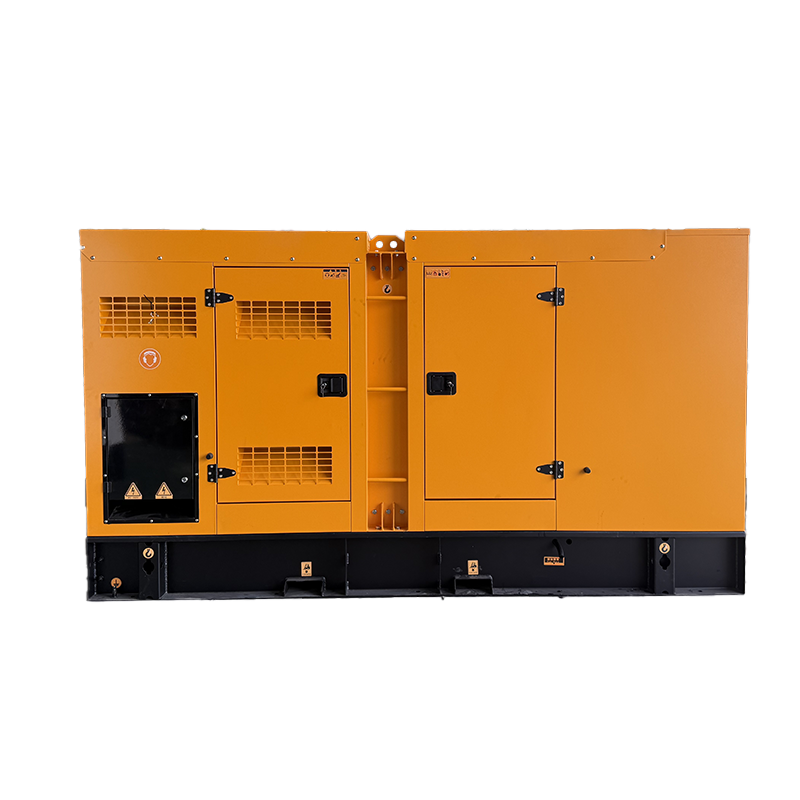
A silent type diesel generator is a standard diesel generator set enclosed within an acoustic steel canopy lined with sound-absorbing material. The engine, alternator, cooling system, exhaust silencer, and control panel all reside within this engineered enclosure, which reduces radiated noise to levels acceptable for residential, commercial, and noise-sensitive professional environments.
Open-frame diesel generators typically produce 85 to 110 dB(A) during operation. A quality acoustic canopy reduces that by 20 to 35 dB(A), bringing most silent type generators into the 65 to 75 dB(A) range measured at 7 metres — the standard measurement distance per ISO 8528. Super-silent variants achieve 50 to 65 dB(A) at 7 metres through additional acoustic treatment, making them appropriate for hospitals, hotels, schools, and residential areas. To put that in perspective: the difference between an open-frame set at 105 dB and a super-silent unit at 55 dB is not "half as loud" — at that scale, the sound becomes approximately 32 times less audible to human listeners.
The practical significance of that difference became real for a contractor in Lagos who installed a standard open-type 250kVA genset on a rooftop in 2024 to save on initial cost. Within a week, neighbours filed noise complaints. Environmental officers measured 84 dB(A) at the property boundary and ordered the unit shut down. The retrofit cost of installing an acoustic enclosure after the fact substantially exceeded the original price difference between open and silent models.
How a Silent Type Canopy Reduces Noise: The Engineering Inside
A silent canopy is not simply a metal box placed over a generator. It is an engineered system that addresses noise through several simultaneous mechanisms, each targeting a different component of the total sound output.
- Acoustic lining: Inner surfaces of the canopy are lined with rockwool, fiberglass, or specialized acoustic foam behind perforated steel panels. These materials absorb airborne engine noise by converting sound energy into heat through friction. The combination of mass and absorption is what distinguishes a genuine acoustic canopy from an uninsulated weather cover.
- Baffled or labyrinth air channels: Air must enter and exit the canopy continuously for cooling, but open channels would allow noise to escape at those same points. Silent canopies use baffled or labyrinth-style intake and exhaust channels lined with acoustic material, allowing airflow while blocking direct sound transmission paths. This technology reduces turbulence-driven sound by 40 to 60% compared to standard open-flow designs.
- High-performance exhaust muffler: A standard generator muffler reduces exhaust noise by approximately 15 to 20 dB(A). Silent canopy generators use heavy-duty composite mufflers mounted inside the enclosure, typically achieving an additional 40 to 60 dB(A) reduction in exhaust noise compared to open-frame configurations.
- Anti-vibration isolation mounts: The generator set is mounted on anti-vibration pads or spring mounts inside the canopy, reducing the transmission of mechanical vibration through the base frame to the ground. Structure-borne vibration is a distinct noise source from airborne sound and must be addressed separately to achieve the lowest dB ratings.
- Sealed enclosure with managed cable entries: All cable entry points, inspection hatches, and panel gaps are sealed to prevent sound leakage at gaps — a common source of poor real-world performance in low-quality canopy designs that otherwise look identical to premium versions.
Silent Type Generator Noise Classification: What the dB Ratings Mean
The term "silent generator" is used loosely in the industry. Not all generators marketed as silent achieve the same actual noise level. Understanding the classification system helps you specify the right unit for your site requirements.
| Classification | Noise Level at 7m | Comparable Sound | Typical Applications |
|---|---|---|---|
| Open frame (no canopy) | 85–110 dB(A) | Chainsaw / rock concert | Generator rooms, remote industrial sites |
| Standard silent | 75–85 dB(A) | Busy office / vacuum cleaner | Industrial backup, power plants, construction |
| Low-noise silent | 65–75 dB(A) | Normal conversation | Commercial buildings, hotels, data centres |
| Super silent | 50–65 dB(A) | Library / quiet office | Hospitals, schools, residential areas, events |
One critical caveat when comparing specifications: always verify the measurement distance. Some manufacturers quote dB ratings at 1 metre, which can be 10 to 20 dB higher than the same unit measured at 7 metres. For accurate comparison between products or suppliers, insist on noise data at 7 metres under 75% rated load per ISO 8528-10. A rating quoted at a different distance or load condition is not directly comparable.
Silent Type vs. Open Frame: Which Generator Type Should You Choose?
Silent type and open-frame generators use the same engines and produce the same electrical output. The choice between them is determined by installation environment, noise regulations, and site conditions — not by power output requirements.
| Criterion | Silent Type Generator | Open Frame Generator |
|---|---|---|
| Noise level (at 7m) | 50–85 dB(A) | 85–110 dB(A) |
| Initial cost | 15–30% higher than open type | Lower |
| Weather protection | Yes (IP23 or higher outdoor rating) | Requires dedicated generator room |
| Maintenance access | Via access panels; slightly more complex | Fully open; fastest technician access |
| Outdoor installation | Yes, directly | Requires enclosure or building |
| Regulatory compliance (noise) | Easier; designed to meet limits | Requires acoustic room or enclosure |
| Best suited for | Urban, commercial, noise-sensitive sites | Enclosed generator rooms, remote sites |
While the silent type costs approximately 15 to 30% more than an equivalent open-frame unit, it frequently reduces or eliminates civil construction costs for acoustic treatment of the installation area. When total project cost is calculated — including building works, acoustic lining, ventilation, and regulatory compliance — the silent type generator often represents the lower-cost solution for urban and commercial installations.
Servicing a Silent Type Diesel Generator: What Changes Compared to Open Frame
The service intervals for a silent type diesel generator are identical to those for an open-frame unit with the same engine — the canopy does not change what the engine needs or when it needs it. What the canopy does change is how that service is carried out, and owners should be aware of these practical differences before scheduling maintenance.
Access Panel Procedure
Unlike open-frame generators where technicians can approach the engine from any angle, silent type generators require opening specific access panels or doors to reach different components. Quality canopy designs provide wide doors on both sides, allowing daily maintenance to be performed without fully disassembling the enclosure. Lower-quality canopies may require partial panel removal and additional tools — extending service time and, in constrained spaces, limiting which tasks can be completed without moving the unit.
Ventilation and Acoustic Material Inspection
The canopy introduces two maintenance items that open-frame generators do not have. First, the baffled air intake and exhaust channels must be inspected and cleared of dust and debris regularly — blocked airflow restricts cooling and can cause the generator to overheat under load. Second, the acoustic insulation lining should be visually inspected at each professional service interval for deterioration, oil contamination, or physical damage. Damaged acoustic lining reduces noise suppression performance and can create fire risk if oil-soaked material is present.
Temperature Monitoring Inside the Canopy
The enclosed canopy retains heat more effectively than open air around an open-frame unit. Servicing checks should include verifying that the temperature inside the enclosure remains within the manufacturer's specified range at full load. If canopy ventilation is restricted by debris or damaged baffles, internal temperatures can rise enough to affect alternator insulation, battery life, and electronic control system reliability — all before any engine fault codes are triggered.
Servicing Checklist Specific to Silent Type Units
- Open all access panels in sequence per the manufacturer's procedure before beginning any inspection.
- Inspect and clean baffled air intake and exhaust channels; remove any accumulated dust, leaves, or debris.
- Visually inspect acoustic lining for oil saturation, delamination, or physical damage; replace affected sections immediately.
- Check all panel seals and gaskets for integrity; damaged seals allow sound leakage and can reduce IP rating protection against water ingress.
- Monitor internal enclosure temperature during a load test; compare against the manufacturer's maximum operating temperature specification.
- Complete all standard engine, fuel, oil, and electrical maintenance tasks per the same schedule as an open-frame unit.
- Re-secure all panels and verify all seals are correctly seated before returning the unit to service.
Signs Your Diesel Generator Needs Servicing Sooner Than Scheduled
Adhering to a service schedule is the foundation of reliable generator operation, but the schedule does not eliminate the possibility of component issues developing between intervals. These warning signs indicate that a generator — silent type or open frame — needs attention before the next scheduled service date:
- Unusual sounds: Whistling, grinding, knocking, or rattling that was not present previously. Diesel engines have a characteristic sound at steady state; deviations from that baseline are reliable early warning indicators.
- Visible exhaust changes: Excessive black smoke indicates over-fuelling or restricted air supply; white smoke suggests coolant entering the combustion chamber; blue smoke points to oil burning. Any sustained change in exhaust character requires immediate investigation.
- Oil level drops between checks: A generator that consistently requires oil top-up between service intervals has either an external leak or internal consumption — both require professional diagnosis before the next scheduled service.
- Control panel fault codes or warning lights: Modern generator control systems monitor dozens of parameters continuously. Any illuminated warning or stored fault code should be investigated rather than reset without diagnosis.
- Failure to reach rated output under load: If the generator struggles to maintain voltage or frequency stability under normal load conditions, fuel delivery, injector performance, or alternator output may be compromised.
- Difficulty starting: Extended cranking, failure to fire on the first attempt, or weak starter motor engagement indicates a battery, fuel, or compression issue that needs prompt attention — particularly critical for standby units that must start reliably within seconds of a power failure.
Well-maintained industrial diesel generators commonly run 15,000 to 30,000 hours or more between major overhauls, with decades of standby service achievable when preventive maintenance is consistently followed. The maintenance history — not the generator's age — is the dominant variable in long-term reliability and resale value.
Related Products
Related News

-
Xiaoji Town, Jiangdu District, Yangzhou City, Jiangsu Province, China
-
8618944498005
-
+86-18652407919
-
+86-0514-86593686
Copyright © Jiangsu Ford Generator Co., Ltd.
